
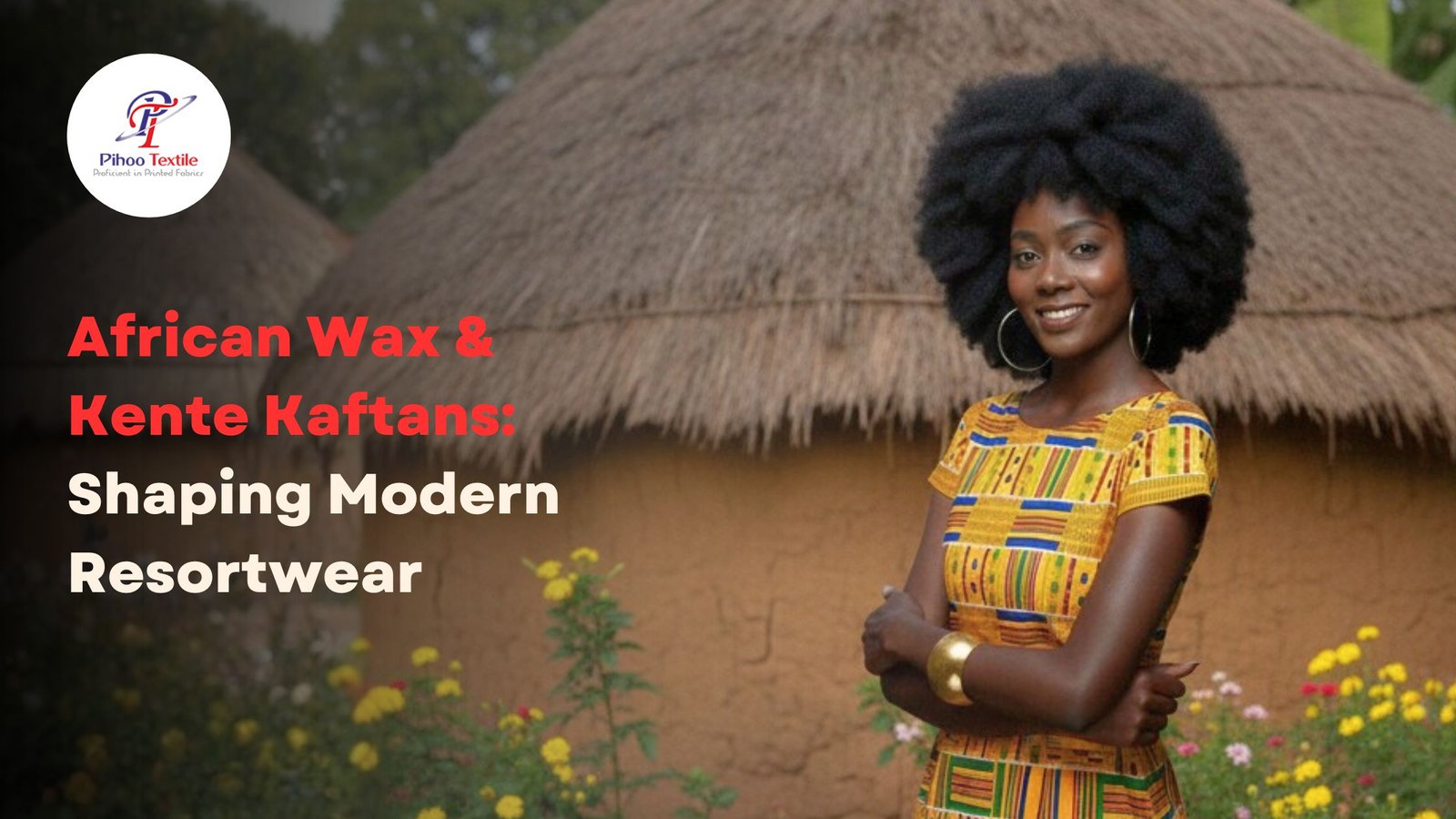
African Wax & Kente Kaftans: Shaping Modern Resortwear
Resortwear struggles with a fundamental tension: you need pieces that look polished enough for dinner but breathable enough for tropical heat. Most resort collections solve this by offering thin, forgettable fabrics with generic prints that fade after two washes. They prioritize convenience over character.
African Wax and Kente kaftans eliminate this compromise. These loose-fitting garments combine authentic textile craftsmanship with the exact silhouette resort environments demand—flowing, ventilated, and visually striking. The wax-resist dyeing process and handwoven Kente strips create fabrics that maintain color intensity through sun exposure, saltwater, and repeated wear.
This guide covers fabric characteristics that make these kaftans resort-ready, design elements that distinguish quality pieces, styling approaches for different vacation settings, and care practices that extend garment life. You’ll understand why these specific textiles outperform standard resort options and how to identify authentic construction.
Understanding African Wax and Kente Fabrics
African Wax Print Characteristics
African Wax prints use a wax-resist dyeing method that creates layered, vibrant patterns with natural “ice crack” lines where wax fractures during production. The process embeds dye deep into 100% cotton fibers, producing colorfastness that withstands tropical conditions better than surface-printed fabrics.
The cotton base breathes exceptionally well—critical for hot, humid resort climates. Unlike synthetic blends that trap heat and moisture, wax print cotton allows air circulation while maintaining structure. The fabric weight provides enough substance to drape elegantly without clinging to skin in humidity.
Kente Cloth Properties
Kente consists of handwoven silk and cotton strips sewn edge-to-edge to create wider fabric panels. The silk adds sheen and enhanced color vibrancy while cotton provides breathability. Each color carries symbolic meaning—gold for wealth, green for renewal, blue for peace.
The tight weave creates durable fabric that resists tears and maintains shape through wear. Kente’s geometric patterns result from intricate weaving techniques passed through generations, not printed designs that can fade or peel. This construction method produces textiles that improve with age rather than deteriorate.
Why Kaftans Work as Resortwear
The kaftan silhouette emerged from North African and Middle Eastern cultures specifically for hot climates. Its loose fit creates space between fabric and skin, allowing air to circulate and cool the body naturally. Wide sleeves catch breezes that conventional fitted garments block.
Here’s the uncomfortable truth about tight resortwear: form-fitting swimsuit cover-ups and bodycon dresses trap heat against your skin, making you sweat more in environments already designed to overheat you. Kaftans solve this through strategic looseness.
Floor-length and midi kaftans provide sun protection across more body surface area than shorts and tank tops while remaining cooler due to airflow. Beach environments expose skin to reflected UV radiation from sand and water—coverage matters more at resorts than most buyers realize.
The garment transitions from beach to restaurant without requiring complete outfit changes. Add a belt, swap sandals for wedges, and the same kaftan that covered your swimsuit now functions as evening wear.
Styling for Different Resort Settings
Beach and Pool Environments
Wear kaftans directly over swimwear as sophisticated cover-ups. The loose drape conceals without clinging when wet. Choose shorter lengths (knee to mid-calf) for easier movement on sand and around water.
Pair with flat sandals, oversized sunglasses, and a wide-brim hat. Keep jewelry minimal—salt water and chlorine damage metals and stones. A simple beach bag and waterproof sunscreen complete the practical elements.
Sheer or lightweight wax print kaftans work best poolside. They dry quickly and won’t stick to damp skin when you’re moving between water and lounge chairs.
Evening Resort Wear
Transform the same kaftan for dinner by adding a statement belt at the natural waist to create definition against the loose silhouette. This single accessory shifts the garment from casual cover-up to intentional evening piece.
Switch to heeled sandals or wedges for height. Add bold jewelry—chunky bracelets, large earrings, or layered necklaces in gold or natural stones. The kaftan’s bold patterns pair well with substantial accessories rather than delicate pieces that get lost visually.
Kente kaftans particularly suit evening settings due to their silk content and intricate patterns. The fabric catches light differently than matte wax prints, creating visual interest in dim restaurant and lounge lighting.
Day Excursions
For shopping, sightseeing, or boat tours, midi-length kaftans offer mobility while maintaining coverage. Pair with comfortable walking sandals or espadrilles. Add a crossbody bag to keep hands free.
Layer lightweight cardigans or denim jackets if indoor air conditioning runs cold. The kaftan’s loose fit accommodates layers without bunching or restricting movement. Neutral-colored layers let the kaftan’s patterns remain the outfit’s focal point.
Identifying Quality Construction
Authentic African Wax kaftans use fabric where patterns appear equally vibrant on both sides. Check this by flipping the garment inside out—if colors look faded on the reverse, the print sits only on the surface rather than penetrating the cotton fibers.
Kente kaftans should show visible strip lines where woven sections join together. These seams indicate genuine handwoven construction. Machine-printed “Kente-style” fabrics lack these structural details and won’t have the same durability.
Examine stitching along hems, seams, and necklines. Quality kaftans feature reinforced stitching that prevents unraveling. Loose threads, puckered seams, or uneven hemlines indicate rushed construction that won’t survive multiple wears and washes.
Check the selvedge if visible—authentic manufacturers stamp their marks along fabric edges. This verifies origin and production standards.
Care and Longevity
Hand wash kaftans in cold water with mild detergent to preserve colors and fabric integrity. Hot water and harsh chemicals break down natural fibers and fade dyes faster. Air dry away from direct sunlight to prevent UV damage to colors.
Iron inside out on low heat settings. High temperatures can damage silk threads in Kente fabric or melt any synthetic embellishments. Proper ironing maintains crisp appearance without compromising material quality.
Store folded rather than hung to prevent stretching at shoulders and necklines. Keep in cool, dry spaces away from moisture that encourages mildew growth in natural fibers.
Conclusion
African Wax and Kente kaftans deliver what generic resortwear promises but rarely provides—breathable comfort, visual impact, and durability through vacation conditions. Choose authentic wax-resist or handwoven fabrics, understand how loose fits create cooling airflow, and style the same piece across beach and evening settings.
Pihoo Textile supplies authentic African Wax prints and Kente fabrics crafted through traditional techniques for modern resortwear applications. Our kaftan collection includes ready-made pieces and custom fabric options for tailored designs. Visit pihootextile.com to explore resort-ready African print kaftans, request fabric samples, or discuss custom orders. Get resortwear that performs as well as it looks.
