Pihoo Textile is an Exporter of Fabrics in whole African countries and also supplies to exporters and local market. Our Printing quality is suitable for African culture.
© 2026 Created by IndiaFinds

Ankara Fabric

Ankara Fabric

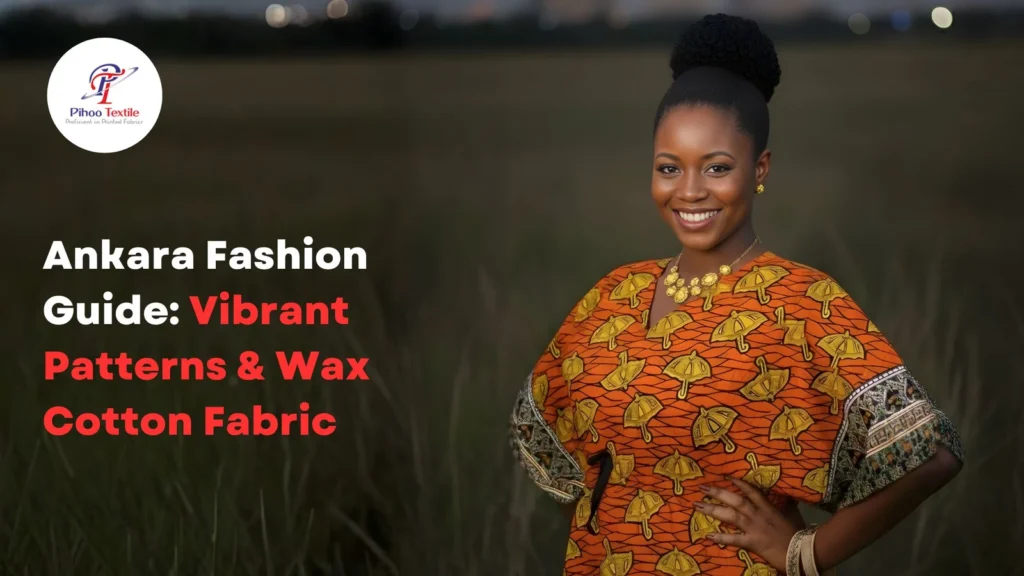
Ankara Fashion Guide: Vibrant Patterns & Wax Cotton Fabric

Introduction Ankara fabric intimidates beginners for one specific reason: the patterns feel louder than anything else in their wardrobe, and there’s no clear formula for making them work. The result is beautiful fabric that sits folded in a drawer while simpler clothes get worn daily. Here’s what most guides get wrong—they show aspirational editorial looks that require six pieces of Ankara at once, reinforcing the idea that the fabric demands total commitment. It doesn’t. A single Ankara top with plain trousers creates a complete, polished look that requires no special styling knowledge. This guide covers the basics of what makes Ankara fabric work for styling (and sewing), practical outfit formulas across garment categories, print-mixing rules, and the accessory mistakes that derail otherwise good looks. These techniques apply whether you’re buying finished garments or cutting patterns from fabric yardage. Ankara Fabric Basics Ankara is 100% cotton wax-resist printed fabric with identical color penetration on both fabric sides. The bold, repeating motifs—geometric shapes, florals, abstract designs—are its defining visual feature. The cotton base matters for styling as much as sewing. It holds pressed lines, drapes naturally without clinging, and breathes during all-day wear. Synthetic “Ankara” substitutes look plastic and photograph badly—undermining every styling effort. Quality markers: sharp motif edges, crackling effects from wax processing, identical color intensity front and back. The One-Print Rule The single most effective styling principle for Ankara: one print piece, everything else solid. This allows the pattern to carry visual weight without competing elements. Build from this foundation: Ankara top + black or white trousers Ankara skirt + plain fitted blouse Ankara dress + single-color flat sandals Pull one color from the print for shoes or a bag. This creates coordination without adding a second pattern. Tops and Blouses Ankara tops work across casual and professional contexts depending on silhouette. Peplum styles suit formal occasions. Simple button-down shirts read casual or business depending on how they’re paired. Styling combinations that consistently work: Peplum Ankara top + high-waisted tailored trousers Loose Ankara blouse + slim dark jeans + minimalist shoes Fitted Ankara shirt tucked into a solid midi skirt Avoid oversized tops with oversized bottoms—Ankara’s visual weight needs at least one fitted element to avoid looking shapeless.​ Dresses Ankara dresses are the easiest entry point into the fabric because fit and styling happen simultaneously. A well-fitted shift or A-line dress requires minimal styling decisions. Match silhouette to occasion: Shift or sheath: work environments, smart-casual events Wrap dress: flattering across body types, transitions day to evening Maxi: weekend, outdoor events, casual gatherings​ Belt wrap dresses at the natural waist to add structure. Leave shift dresses unbelted to maintain clean lines.​ Skirts, Trousers, and Jumpsuits Ankara bottoms pair best with solid tops in colors extracted directly from the print. The bottom carries the pattern; the top provides visual rest. Specific formulas: Midi pencil skirt + white fitted blouse + pointed flats Wide-leg Ankara trousers + plain bodysuit + simple sandals Ankara shorts + solid linen shirt half-tucked Jumpsuits eliminate the pairing challenge entirely—one piece, complete outfit. Choose fitted silhouettes to prevent shapelessness.​ Outerwear and Layering An Ankara blazer or bomber jacket over a plain outfit is the most efficient styling upgrade available. It introduces the print without requiring coordination across multiple pieces. Works for transitional weather: Ankara kimono over a slip dress, Ankara cardigan over fitted jeans and a plain tee. The layering piece becomes the statement; everything underneath stays neutral.​ Mixing Prints Two prints work together only when they share at least one common color and differ significantly in scale. Large floral Ankara paired with a small geometric print sharing one color reads intentional. Two large-scale competing prints without a shared color reads chaotic. A contrarian truth: most people who struggle with print mixing are actually wearing too many prints. Remove one piece and the problem typically solves itself. Accessories The most common mistake with Ankara: adding statement accessories on top of bold prints. The fabric is already doing maximum visual work. Accessories should support, not compete. Rules that hold across contexts: Simple gold or silver studs rather than chandelier earrings Solid-color bag in one accent color from the print Clean, unembellished shoes in nude, black, or white​ Exception: minimal Ankara accessory (headwrap, belt, bag) on an otherwise plain outfit can handle bolder jewelry​ Common Mistakes These errors create bad outcomes regardless of fabric quality: Wearing full Ankara head-to-toe without styling purpose: every piece competes; nothing reads clearly Ignoring proportion and fit: a badly fitted Ankara garment looks worse than a well-fitted solid Choosing five-color prints for first purchases: two-to-three color prints coordinate significantly more easily​ Treating Ankara as special-occasion only: worn daily, the patterns start feeling natural rather than intimidating​ FAQs Can Ankara work in conservative professional offices? Yes, with silhouette and scale choices. A fitted Ankara sheath dress or tailored blazer in smaller-scale prints with subdued colorways (navy, burgundy, forest green dominant) reads professional. The pattern itself doesn’t dictate formality—the cut and color palette do. Avoid five-color large-scale florals in conservative environments; choose geometric patterns in two or three controlled colors instead. Does Ankara work for all body types? Every body type has specific silhouette principles that apply regardless of fabric. Ankara doesn’t change those principles. Wrap styles and A-line cuts flatter most proportions. Empire waists suit some body types better than natural waists. The same guidance that applies to solid fabric applies here—the pattern adds visual interest but doesn’t override fit fundamentals. How do I choose between multiple Ankara prints in a shop? Start with the color story rather than the motif. Find prints that contain colors already present in your wardrobe—this ensures the new piece coordinates immediately with existing items. Next, check scale: if you own mostly small prints, a large-scale Ankara adds variety. Then assess motif style—geometric versus organic—based on personal preference rather than trend. Does expensive Ankara look better than budget options? Price signals quality but doesn’t guarantee it. The critical quality markers—double-sided printing, crackle effect, cotton composition—matter more than price tier. A

Best Ankara Fabric Guide: Bold Prints for Modern Sewing
Ankara Fabric

Best Ankara Fabric Guide: Bold Prints for Modern Sewing

Sewers can easily maximize the stunning look of Ankara fabric’s prints on the bolt when cut and sewn into garments. Correct pattern placement, colorfastness during pre-washing, and selecting the right fabric weight are key to a successful, bold creative choice in every finished piece. The focus is understanding which Ankara types suit which sewing projects. Real wax prints handle differently than digital prints. A 140 GSM cotton drapes uniquely compared to 180 GSM. Pattern scale determines whether your design reads as intentional. Most sewing guides skip these technical details, assuming all Ankara behaves identically. This guide covers Ankara fabric types, quality checks, matching prints to garment styles, and proper sewing techniques to ensure successful projects. It highlights common mistakes and the impact of fabric specifications on final results. Understanding Ankara Fabric Types Real Wax vs. Imitation Wax Real wax prints use traditional resist-dyeing methods where wax applied to fabric creates characteristic crackle patterns during the dyeing process. The technique produces identical coloration on both fabric sides with subtle variations that prove authenticity. Real wax costs more but delivers superior colorfastness and fabric hand. Imitation wax (fancy prints) uses direct printing methods that replicate wax aesthetics without the resist process. These prints show brighter colors on one side and duller reverse sides. Quality varies significantly—some imitations perform excellently while others fade after few washes. Super Wax and Specialty Finishes Super wax represents premium Ankara with finer cotton, tighter weaves, and more elaborate patterns. The fabric feels smoother, drapes better, and costs 30-50% more than standard wax prints. Designers targeting luxury markets or high-end custom work prefer super wax for its refined appearance. Metallic and gold-wax Ankara incorporate metallic-look elements (not actual metal threads) that add visual richness. These work well for occasion wear but require gentle care—high heat and aggressive washing damage metallic effects faster than standard dyes. Quality Markers That Matter Cotton content determines sewing ease and garment comfort. Pure cotton Ankara (100%) accepts pins, stitches, and pressing better than poly-cotton blends. Blends resist wrinkles but can develop puckering along seams if tension settings aren’t adjusted for synthetic content. Fabric weight affects drape and structure. Standard Ankara ranges 140-180 GSM. Lighter weights (140-150 GSM) suit flowing dresses, gathered skirts, and unstructured tops. Heavier weights (170-180 GSM) work for tailored pieces, structured jackets, and garments requiring body. Here’s the contrarian insight: most sewers assume heavier always means better quality. It doesn’t. A poorly woven 180 GSM fabric performs worse than well-constructed 150 GSM material. Weave density matters more than weight alone. Colorfastness testing reveals long-term performance. Rub a damp white cloth across the fabric surface. Color transfer indicates dye instability that will cause bleeding during washing. Skip fabrics that fail this simple test regardless of how appealing the pattern looks. Choosing Prints for Your Projects Pattern scale must align with garment size and viewing distance. Large-scale prints (motifs 8+ inches) suit maxi dresses, wide-leg trousers, and statement pieces where full pattern repeats display properly. These same prints overwhelm small accessories, children’s wear, and fitted garments where cutting fragments the design. Small-to-medium repeats (2-6 inches) offer more flexibility. They work across garment categories without requiring careful pattern placement. First-time Ankara sewers achieve better results starting with medium-scale prints before attempting large dramatic patterns. Directional vs. non-directional patterns affect fabric layout and yardage requirements. Directional prints (designs with clear up/down orientation) require all pattern pieces cut in the same direction, increasing fabric consumption. Non-directional geometrics and abstract patterns allow more efficient cutting. Sewing Best Practices Pre-wash Ankara in cold water before cutting. Most cotton Ankara shrinks 2-5% during first wash. Pre-washing prevents finished garments from becoming unwearably small after customer laundering. Air dry or use low heat to minimize shrinkage beyond normal cotton behavior. Cut along the grain to maintain pattern consistency and prevent distortion during wear. Off-grain cutting causes twisted seams and wavy hems that no amount of pressing fixes. Mark grainlines clearly on pattern pieces before pinning to fabric. Use sharp scissors or rotary cutters. Dull blades pull and stretch fabric during cutting, creating uneven edges that show in finished seams. Replace blades more frequently when cutting Ankara than solid fabrics—the heavier cotton and dye content dulls edges faster. Interface strategically for structured garments. Ankara’s bold prints show through lightweight interfacing, creating muddy appearances. Use opaque white or cream interfacing for collars, cuffs, and facings where crisp structure matters without pattern show-through. Common Project Mistakes Pattern Clashing Within Garments Mixing multiple Ankara prints in one garment rarely works unless you’re executing advanced design techniques. The visual complexity compounds—two busy patterns create chaos rather than interest. Use solid fabrics for contrast panels, linings, or trim when working with bold Ankara. Ignoring Pattern Placement Centered motifs look intentional. Off-center placement looks accidental. Plan pattern placement before cutting, especially for bodice fronts, skirt panels, and jacket backs where symmetry matters visually. Buy extra yardage (typically 0.5-1 yard) to allow pattern matching flexibility. Wrong Thread Choices Cotton thread works best with cotton Ankara. Polyester thread’s higher strength can pucker cotton fabric along seam lines. Match thread fiber content to fabric for balanced tension and seam performance. Use neutral colors (tan, gray, navy) that blend across Ankara’s multicolor patterns rather than attempting exact color matches. Color Coordination Strategies Ankara already provides built-in color palettes—extract accent colors from the print for solid companion pieces. A print containing yellow, blue, and white pairs naturally with solid navy trousers or yellow accessories. You don’t need external color theory—the print tells you what works. Monochrome Ankara (single-color designs) offers styling versatility that multi-color patterns can’t match. These prints work in professional settings, coordinate easily with existing wardrobes, and appeal to buyers hesitant about bold color commitments. Don’t overlook monochrome when sourcing Ankara for conservative markets. Conclusion Quality Ankara sewing starts with proper fabric selection—match weight, pattern scale, and print type to your intended garment. Pre-wash, cut on grain, and plan pattern placement before making the first cut. Avoid mixing multiple prints and use appropriate interfacing for structured pieces. These

Vibrant Ankara Fashion Patterns & Quality Wax Cotton Cloth
Ankara Fabric

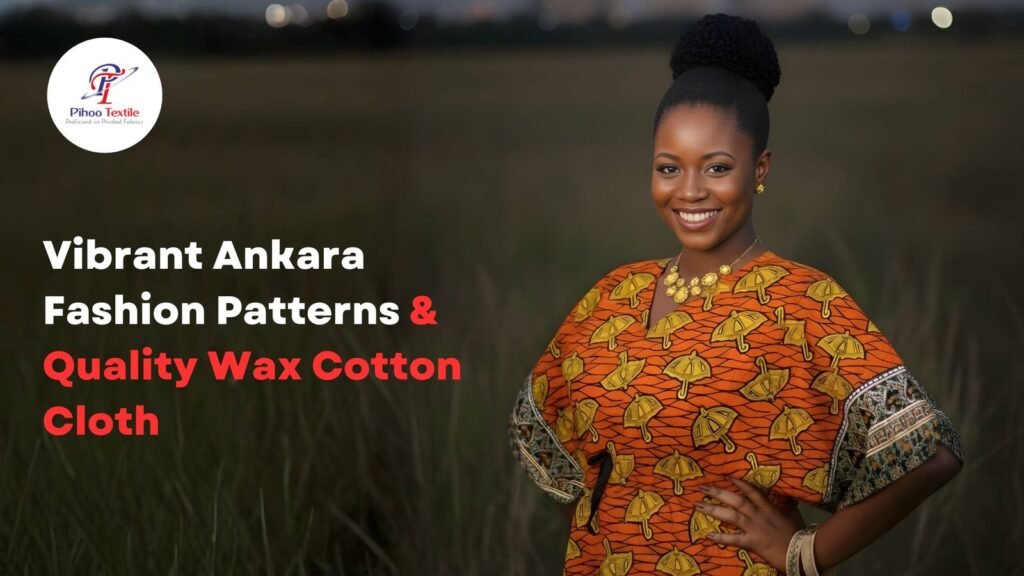
Vibrant Ankara Fashion Patterns & Quality Wax Cotton Cloth

Introduction Ankara fabric buyers face a specific challenge: approximately 65% of textiles marketed as “authentic wax prints” are roller-printed imitations that lack the durability and color permanence of genuine wax cotton cloth. This problem extends beyond aesthetics into practical concerns about fabric performance, colorfastness, and longevity in finished garments. Quality wax cotton Ankara delivers vibrant patterns that maintain their intensity through years of use, while imitations fade within months or lose structural integrity after minimal washing. Understanding pattern types, production methods, and quality markers helps buyers select fabrics that perform as beautifully as they look. This guide covers what distinguishes quality wax cotton from alternatives, explores current vibrant pattern trends, explains the production process that creates lasting textiles, and provides practical selection criteria. Whether creating fashion pieces, accessories, or home décor items, knowing how wax cotton Ankara behaves in real-world applications determines project success. What Sets Quality Wax Cotton Cloth Apart Wax cotton Ankara uses a resin-resist dyeing process that applies wax or resin to both fabric surfaces before dye immersion. This technique creates patterns where wax repels color, producing identical vibrancy on front and back sides. The characteristic crackle effect emerges when resin develops microscopic cracks during processing, allowing dye to penetrate in fine lines that create marbled, duo-tone appearances. Quality wax cotton weighs between 150-180 GSM (grams per square meter), substantially heavier than standard cotton prints at 100-120 GSM. This density provides natural structure and body that holds garment shape without additional interfacing. The fabric feels stiffer when new but softens with washing while maintaining durability. Authentic wax cotton resists water due to residual wax in the fibers. This creates a slight sheen on the surface and makes the fabric ideal for items requiring some weather resistance. The wax also locks dyes deep into cotton fibers, producing colors that withstand repeated washing without significant fading. How Ankara Patterns Are Made The Multi-Stage Production Process Production begins with high-quality cotton fabric, typically 100% cotton with tight, dense weaving. Manufacturers apply melted wax or industrial resin using copper rollers engraved with pattern designs. The wax application happens on both sides, distinguishing authentic wax prints from single-sided roller prints. After wax application, fabric enters dye baths containing the first color. Waxed areas repel dye while exposed cotton absorbs pigment. Workers remove the fabric, allow it to dry, then apply wax in new pattern areas before immersing cloth in the second color bath. This process repeats for each color in the design, typically ranging from three to six colors per pattern. Final stages involve boiling fabric to remove all wax, which gets collected and reused in subsequent production runs. The boiling process also sets dyes permanently into cotton fibers. Manufacturers then inspect fabric for defects, printing quality certifications and brand information along the selvage edge. Top Vibrant Ankara Fashion Patterns in 2025 Floral and Geometric Motifs Large-scale floral designs dominate current Ankara offerings, featuring oversized blooms in contrasting color combinations. Geometric patterns including triangles, hexagons, and interlocking circles create modern aesthetics while maintaining traditional production methods. These patterns work well for statement pieces where bold visuals drive design impact. Color palettes shift toward jewel tones—emerald greens, sapphire blues, ruby reds, and amethyst purples—paired with metallics or bright yellows for contrast. This combination creates depth and visual interest that photographs well for social media marketing. Abstract and Symbolic Designs Abstract swirls, waves, and asymmetrical shapes appeal to contemporary fashion sensibilities while allowing flexibility in pattern matching during garment construction. Symbolic motifs including animals, cultural icons, and traditional proverbs embedded in patterns maintain connections to African heritage. These designs often incorporate multiple pattern scales within single fabric pieces, creating visual texture that adds complexity without requiring color changes. The approach reduces production stages while delivering sophisticated results. Contemporary and Fusion Patterns Modern Ankara patterns blend African aesthetics with global design influences including Japanese minimalism, Scandinavian geometry, and Art Deco motifs. These fusion patterns attract international buyers who want African textiles without exclusively traditional imagery. Monochromatic Ankara in single-color variations challenges expectations about what constitutes African print fabric. These patterns maintain production methods while offering subtle alternatives to traditionally vibrant, multicolored designs. Why Wax Cotton Is Preferred for Fashion The fabric’s natural stiffness provides structure for fitted bodices, tailored jackets, and A-line skirts without requiring additional support layers. This reduces garment bulk while maintaining clean lines and professional finishes. Fashion designers value how wax cotton behaves predictably during cutting and sewing, holding edges without excessive fraying. Wax cotton’s color permanence matters for professional fashion businesses where reputation depends on garment longevity. Items maintain their appearance through multiple seasons rather than fading into unwearable condition after brief use. This durability justifies premium pricing for finished goods. The fabric performs well in warm climates despite its weight. The 100% cotton composition breathes naturally, wicking moisture away from skin while the dense weave provides sun protection. These functional qualities make wax cotton practical for everyday wear, not just special occasions. How to Identify Authentic Wax Cotton Ankara Check color intensity on both fabric sides. Authentic wax cotton shows identical vibrancy front and back, while imitations display color only on one surface. Feel the fabric weight in your hand—quality pieces feel substantially heavier than regular cotton prints. Look for manufacturer information printed on the selvage edge including brand names, pattern registration numbers, and quality certifications. Legitimate producers mark their work to protect designs and attest to production standards. Test for the characteristic wax feel by rubbing fabric between your fingers. Authentic pieces have a slight stiffness and subtle surface texture created by residual wax. Perform a scratch test using a fingernail—quality wax prints show no color transfer or pattern damage from light abrasion. Care and Maintenance of Wax Cotton Ankara Wash wax cotton separately in cold water using mild detergent. Avoid temperatures exceeding 30°C, which soften wax coatings prematurely and cause colors to bleed. Hand washing preserves vibrancy better than machine washing, though gentle cycles work when time constraints require machine cleaning. Air dry fabrics away from direct

Ankara Fabric

History of Ankara Fabric: The Story of African Wax Prints

Introduction Most people assume Ankara fabric is African because it’s sold as “African wax print” and dominates West African fashion. The uncomfortable truth: this iconic textile didn’t originate in Africa at all. It started as Dutch industrialization of Indonesian batik, failed spectacularly in its intended Asian market, then found unexpected success in West Africa through a combination of colonial trade routes and cultural accident. West African communities took this rejected foreign textile and transformed it into something distinctly their own—brighter colors, bolder patterns, and embedded cultural meanings that had nothing to do with its Indonesian or Dutch origins. Understanding this complex history matters because it reveals how cultural adoption works in practice, not theory. This guide traces Ankara’s journey from 17th-century Javanese batik techniques through Dutch mechanization, rejection by Indonesian markets, embrace by West African communities, production shifts across continents, and eventual status as globally recognized fashion textile. The story demonstrates that “authenticity” is far more complicated than simple geographic origin. Indonesian Batik Origins Batik originated in Java, Indonesia, where artisans developed wax-resist dyeing techniques over centuries. Workers hand-painted molten wax onto cotton cloth in intricate patterns, then immersed the fabric in dye baths. The waxed areas resisted dye penetration, creating patterns through contrast. After dyeing, artisans removed the wax by boiling, revealing the design. Complex multi-color patterns required repeating this process multiple times—wax, dye, remove wax, repeat. This labor-intensive method produced expensive textiles that signaled wealth and status in Indonesian society. A single piece could take weeks or months to complete depending on pattern complexity. Dutch Mechanization and the Indonesian Market Failure Dutch colonizers in Indonesia during the 1800s saw commercial potential in batik but wanted faster, cheaper production. They mechanized the process using engraved copper rollers that stamped wax patterns onto both sides of cotton fabric simultaneously. The mechanized cloth could be produced in days rather than weeks, dramatically reducing costs. Dutch manufacturers expected to dominate the Indonesian batik market with their affordable mass-produced versions. Indonesian consumers rejected the mechanized batik. They considered the characteristic crackling—where wax broke during dyeing, allowing dye to seep through in irregular patterns—a manufacturing defect rather than desirable feature. The mechanical uniformity lacked the variation and artisanal quality that hand-batik provided. Dutch manufacturers faced warehouses full of unsellable cloth and a failed business model. They needed new markets immediately. The West African Discovery Dutch and Scottish trading ships carried the rejected batik prints to West African ports as experimental cargo, hoping to find any market for the failed product. Around the same time, West African soldiers serving in the Dutch East Indies (Java) brought batik cloth home as gifts for family. West African communities reacted completely differently than Indonesians. They saw the crackling effect as proof of authentic wax-resist processing rather than a flaw. The double-sided color intensity impressed buyers used to single-sided printed fabrics. The bright colors and geometric patterns also appealed to West African aesthetic preferences. Unlike Indonesian buyers who valued subtle earth tones and specific traditional motifs, West Africans embraced bold, vibrant designs. European manufacturers quickly pivoted their entire production toward the West African market. What started as a commercial disaster became a profitable business through pure accident. Cultural Transformation and African Identity Here’s what separates cultural appropriation from cultural adoption: West Africans didn’t just buy Dutch wax prints—they transformed them entirely. They commissioned custom designs incorporating local symbols, proverbs, and cultural references that had nothing to do with Indonesian batik traditions. Pattern names took on African meanings. Designs communicated social messages between women—relationship advice, warnings, encouragement, religious faith. The textile became a communication medium rather than just decorative fabric. The “Ankara” name itself reflects this adoption. While Dutch manufacturers called it “Java print” or “Dutch wax,” West Africans named it after Ankara, Turkey—showing how the fabric’s identity became detached from its manufacturing origins. By the mid-20th century, wax print had become so embedded in West African culture that most people assumed it originated there. The adoption was so complete it erased awareness of the Indonesian-Dutch origins. Production Shifts Across Continents Early production remained in the Netherlands, with some expansion to England and Switzerland in the early 1900s. These European manufacturers dominated the market for decades. Post-independence movements in the 1960s-70s sparked local African production. Nigeria, Ghana, and Ivory Coast established textile factories to produce wax prints domestically rather than importing from Europe. Contemporary production has shifted primarily to China, where lower labor costs allow mass production at price points African manufacturers struggle to match. This creates tension—Chinese-made prints marketed as “African” fabric, continuing the pattern of geographic displacement. The manufacturing journey traces global economics: Indonesian origin, Dutch mechanization, European production, African adoption, Chinese manufacturing. The fabric’s physical production and cultural meaning never aligned geographically. The Manufacturing Process Authentic wax print uses industrial batik methods. Molten wax gets applied to both fabric sides through engraved copper rollers, creating identical patterns front and back. The fabric passes through dye baths, where waxed areas resist color penetration. Workers remove portions of wax between color applications, building multi-color designs layer by layer. The characteristic crackling occurs when wax breaks during fabric handling and dyeing. These irregular veins where dye seeps through became the authentication mark—perfectly uniform prints signal cheaper printing methods rather than true wax-resist processing. The double-sided quality distinguishes authentic wax prints from single-sided imitations. Cheaper “African print” uses surface printing that shows white or faded backing on the reverse. Regional Names and Variations The same textile carries different names across regions, each reflecting local adoption and cultural framing: Ankara: Most common in Nigeria, named after Ankara, Turkey  Dutch Wax: References manufacturing origins in the Netherlands  Hollandais: French term used in francophone West Africa  Kitenge: East African name, though kitenge technically differs slightly from wax print  Java Print: Original Dutch name, rarely used today  These naming variations demonstrate how cultural adoption works—communities name things based on their own reference points and experiences, not historical accuracy. Contemporary Global Fashion Ankara moved from traditional African ceremonial wear to global fashion runways over the

Ankara Fabric

Why Ankara Wax Print is Truly an Authentic African Fabric

Textile buyers and fashion brands frequently encounter a confusing claim: Ankara isn’t “really” African because Dutch and Indonesian influences shaped its origins. This narrative oversimplifies cultural history and misunderstands how textiles gain authentic identity. The uncomfortable truth? Most globally recognized cultural textiles crossed geographic boundaries before communities claimed them as identity markers—Scottish tartans incorporated Middle Eastern dyeing techniques, Japanese indigo came from India, and Peruvian textiles adopted Spanish weaving tools post-colonization. Ankara wax print demonstrates how cultural adoption transforms imported goods into authentic expressions of identity. West African communities didn’t passively receive these textiles—they actively redesigned them, embedded symbolic meanings, and integrated them into social structures so thoroughly that Ankara now functions as visual language across Nigeria, Ghana, and neighboring regions. This piece examines the historical journey, cultural transformation, production realities, and symbolic systems that establish Ankara as authentically African despite its non-African manufacturing origins. Understanding this evolution matters for buyers sourcing culturally meaningful textiles rather than surface-level exotic prints.​ Historical Origins and Early Adoption Ankara’s story begins with commercial failure in 19th century Indonesia. Dutch textile manufacturers industrialized batik production methods to supply colonial markets cheaply. Indonesian consumers rejected these machine-made fabrics as inferior to traditional hand-waxed batik, leaving Dutch traders with excess inventory. They redirected shipments to West African markets where Gold Coast (now Ghana) consumers responded enthusiastically to the bold patterns and durable cotton. Why West Africa Embraced Wax Prints The timing mattered. By the late 1800s, West African coastal cities had established trading networks and growing middle classes seeking status markers beyond traditional handwoven textiles. Wax prints offered vibrant colors, durability through washing, and novelty that appealed to fashion-conscious urban populations. Colonial-era fabric restrictions that limited access to certain textiles made imported wax prints desirable. When these fabrics became available, demand surged across social classes. African Transformation Through Design and Meaning Here’s the contrarian insight that shifts the authenticity debate: West Africans didn’t just buy Ankara—they fundamentally redesigned it. By the early 20th century, African consumers began commissioning specific patterns, colors, and motifs from manufacturers. European factories started creating designs exclusively for West African markets based on local preferences rather than European aesthetics. Patterns incorporated African symbols, proverbs, and cultural references that carried no meaning in European or Indonesian contexts. Design Agency and Cultural Ownership This design control represents genuine cultural ownership. When communities dictate what gets produced, assign meanings to patterns, and embed fabrics into social rituals, they transform imported goods into cultural property. The origin of manufacturing becomes less relevant than the origin of symbolic meaning. Pattern names reflect this African agency. Designs carry names in local languages referencing proverbs, historical events, or social commentary—”jealousy of friends,” “one tree cannot make a forest,” “my husband is capable”. These titles emerge from African users, not European designers. Symbolic Systems and Social Functions Ankara operates as a communication medium rather than merely decorative fabric. West African women select specific prints to convey messages at social gatherings, weddings, and political events. Choosing a pattern with proverbs about unity signals political alignment. Wearing designs celebrating motherhood communicates life stages. This symbolic vocabulary developed entirely within African communities. Cultural Integration Depth Ankara’s integration extends across life events: Birth ceremonies use specific patterns welcoming new children  Coming-of-age celebrations incorporate prints marking transitions  Weddings feature coordinated Ankara among family members signaling unity  Funerals employ certain color combinations and patterns for mourning  This ceremonial embedding demonstrates how thoroughly Ankara penetrated African social structures—far beyond simple fashion adoption. Production Techniques That Support Authenticity Claims The wax-resist production method itself connects to African preferences that shaped manufacturing evolution. Traditional wax print production involves applying wax or resin to cotton fabric, then immersing it in dye baths multiple times. The wax blocks dye absorption, creating patterns with characteristic “crackle” lines where dye seeps through wax cracks. This produces double-sided prints with equal color intensity on both fabric faces. African consumers specifically preferred this production method over standard surface printing because it delivered superior durability for tropical climates requiring frequent washing. Their quality demands reinforced continued use of authentic wax-resist techniques rather than cheaper alternatives. Why Cultural Adoption Creates Authentic Identity The authenticity question hinges on distinguishing appropriation from adoption. Cultural appropriation involves taking symbols without understanding or respecting their meanings, typically by dominant cultures from marginalized ones. Cultural adoption occurs when communities integrate external elements, transform them through local use, and embed them into cultural practices. Ankara represents adoption—West Africans took imported fabric and created entirely new symbolic systems, design vocabularies, and social functions. The Agency Factor West African agency throughout Ankara’s evolution establishes authenticity. Communities controlled design direction, assigned meanings, integrated fabrics into ceremonies, and created economic systems around production and distribution. This active transformation differs fundamentally from passive consumption. Contemporary Role in African Identity Modern Ankara serves as a cultural identifier across the global African diaspora. Wearing Ankara signals African heritage regardless of wearer location—London, New York, Paris, or Lagos. Fashion designers build careers around Ankara innovation, creating contemporary silhouettes that honor traditional patterns while appealing to international markets. This global recognition as “African fabric” demonstrates successful cultural claim-making over generations. The fabric transcends national boundaries within Africa itself. Despite originating in West African markets, Ankara now carries pan-African significance representing shared cultural pride across the continent. Economic and Community Impact Ankara production and distribution support extensive economic networks across Africa. Local markets employ fabric traders specializing in Ankara selection and curation. Tailors build businesses around custom Ankara garment construction. Fashion designers create brands centered on Ankara innovation. This economic ecosystem reinforces cultural ownership through commercial investment. Conclusion Ankara wax print’s authenticity as African fabric rests not on manufacturing geography but on generations of cultural transformation, symbolic embedding, and design agency exercised by West African communities. The fabric’s journey from rejected Indonesian batik imitation to Pan-African cultural symbol demonstrates how communities claim and transform external influences into genuine identity markers. Pihoo Textile manufactures premium Ankara wax print fabrics at our Jetpur facility using authentic wax-resist printing techniques on 100% cotton. Our production

Ankara Fabric

Ankara Fashion: Traditional African Clothing & Styles

Most buyers treat Ankara as a single fashion category. They miss the distinction between traditional styles rooted in West African ceremonial dress and modern interpretations designed for global fashion markets. This confusion leads to sourcing decisions that miss target audiences—traditional buyers reject overly contemporary cuts, while fashion-forward customers skip dated silhouettes. Ankara fabric originated not in Africa but through Indonesian batik techniques adapted by Dutch traders in the 19th century. West Africans transformed these imported textiles into cultural symbols during independence movements, establishing Ankara as visual shorthand for African identity. Today’s market splits between buyers seeking authentic traditional garments and those wanting Ankara aesthetics in contemporary fashion formats. This guide separates traditional Ankara clothing styles from modern interpretations, explains which occasions demand which approaches, and provides sourcing criteria for fabric quality. You’ll understand how construction methods differ between traditional and contemporary pieces, affecting both production costs and retail positioning. Traditional Ankara Clothing Styles Boubou and Flowing Robes The boubou—a wide, flowing robe worn by both men and women—represents traditional Ankara’s most recognizable silhouette. Men’s versions typically feature simpler embroidery along the neckline and chest. Women’s boubous incorporate more elaborate decoration and fitted underdresses.youtube​ Construction requires 3-5 yards of fabric depending on desired fullness and length. The loose cut suits hot climates while allowing freedom of movement. Traditional boubous use single-panel construction with minimal seaming, keeping production costs reasonable. Gowns and Long Dresses Traditional Ankara gowns feature floor-length hems, fitted bodices, and full skirts that emphasize fabric volume and print visibility. These garments suit formal occasions—weddings, religious ceremonies, cultural celebrations where dress codes favor coverage and elegance over trend-driven styling. Peplum details, tiered skirts, and cape sleeves appear frequently in traditional gown construction. These elements add visual interest without departing from established silhouette expectations. Buyers targeting diaspora communities for special occasions prioritize these styles. Skirt and Blouse Combinations Separate tops and wrap skirts offer versatility that single-piece garments can’t match. Buyers can mix blouse styles (off-shoulder, puff sleeve, fitted) with different skirt lengths (midi, maxi, ankle) to create multiple outfit combinations from limited inventory. This category bridges traditional and modern aesthetics. The concept remains rooted in West African dress codes, but contemporary tailoring adapts proportions and fits for current body-conscious preferences. Modern Ankara Fashion Interpretations Fusion and Mixed-Material Designs Contemporary designers combine Ankara prints with lace, denim, leather, and satin to create hybrid garments that appeal to fashion-forward buyers. An Ankara bodice paired with a tulle skirt, or Ankara sleeves on a denim jacket, positions the fabric as accent rather than dominant material. Here’s the uncomfortable reality: fusion styles often outperform pure Ankara garments in Western markets where buyers want African aesthetics without committing to full traditional dress codes. This trend grows despite traditionalist criticism about diluting cultural authenticity. Contemporary Cuts and Silhouettes Asymmetrical hems, cold shoulders, cut-outs, and exaggerated sleeves adapt Ankara to current fashion trends. These styles target younger demographics and fashion-conscious buyers who track runway trends rather than cultural dress traditions. Production complexity increases with contemporary cuts. Pattern pieces multiply, fitting requirements tighten, and construction time extends compared to traditional flowing silhouettes. Budget accordingly when sourcing for this category. Ankara in Professional Settings Ankara blazers, tailored trousers, pencil skirts, and shift dresses bring the fabric into corporate environments where traditional flowing garments don’t meet workplace dress codes. This category exploded over the past five years as diaspora professionals sought ways to express cultural identity within business-casual and formal work settings. Print selection matters more in professional Ankara than casual wear. Subtle, small-scale patterns in muted colors perform better than bold, large motifs that overwhelm structured garments and distract in professional contexts. Styling Ankara for Different Occasions Wedding and celebration wear demands maximum visual impact—layered gowns, elaborate embroidery, metallic accents, and coordinating accessories. Buyers targeting this segment prioritize luxury cues and distinctive designs over price sensitivity. Church and formal events favor modest cuts with coverage—higher necklines, longer sleeves, midi-to-maxi lengths. This category values elegance and respectability over fashion-forward aesthetics. Colors trend toward jewel tones and sophisticated palettes rather than the brightest available options. Casual everyday Ankara includes shorter dresses, relaxed tops, and comfortable silhouettes that work for shopping, social gatherings, and informal settings. Price sensitivity increases in this category—buyers seek affordable pieces for regular rotation rather than special occasion investment items. Ankara Fabric Quality Standards Cotton content determines comfort and durability. Quality Ankara uses 100% cotton or high-cotton blends (minimum 80% cotton) that breathe well and accept dye properly. Lower cotton percentages introduce synthetic feel that buyers associate with cheap alternatives. Print clarity separates authentic production from rushed manufacturing. Sharp pattern edges, consistent color saturation across the fabric width, and proper registration when multiple colors align indicate quality printing processes. Colorfastness affects customer satisfaction more than any other quality factor. Ankara that bleeds during washing generates returns, negative reviews, and lost repeat business. Request colorfastness testing documentation before committing to bulk fabric orders. Global Market Dynamics Ankara’s adoption extends far beyond African markets. Diaspora communities across North America, Europe, and the Caribbean drive significant demand for both traditional and modern styles. These buyers often pay premium prices for authentic fabrics and culturally-informed designs. Celebrity influence accelerates mainstream adoption. When entertainers and public figures wear Ankara, search volume spikes and retail interest follows. This pattern creates opportunity for buyers who can respond quickly to trending styles, but also risks for those holding large inventories when trends shift. The paradox: Ankara represents African cultural identity, yet most production happens in Asia where manufacturing infrastructure delivers consistent quality at commercial pricing. Buyers navigate this tension by emphasizing design authenticity and cultural respect regardless of production location. Conclusion Traditional Ankara styles—boubous, gowns, skirt-and-blouse sets—serve formal occasions and cultural celebrations. Modern interpretations—fusion designs, contemporary cuts, professional wear—expand Ankara into everyday fashion and workplace settings. Choose styles based on target market demographics, occasion focus, and price positioning rather than assuming one approach suits all buyers. Pihoo Textile supplies Ankara fabrics suitable for both traditional garment construction and modern fashion applications. Our cotton-based prints feature

Ankara Fabric Beauty: Top African Print Fashion Trends
Ankara Fabric

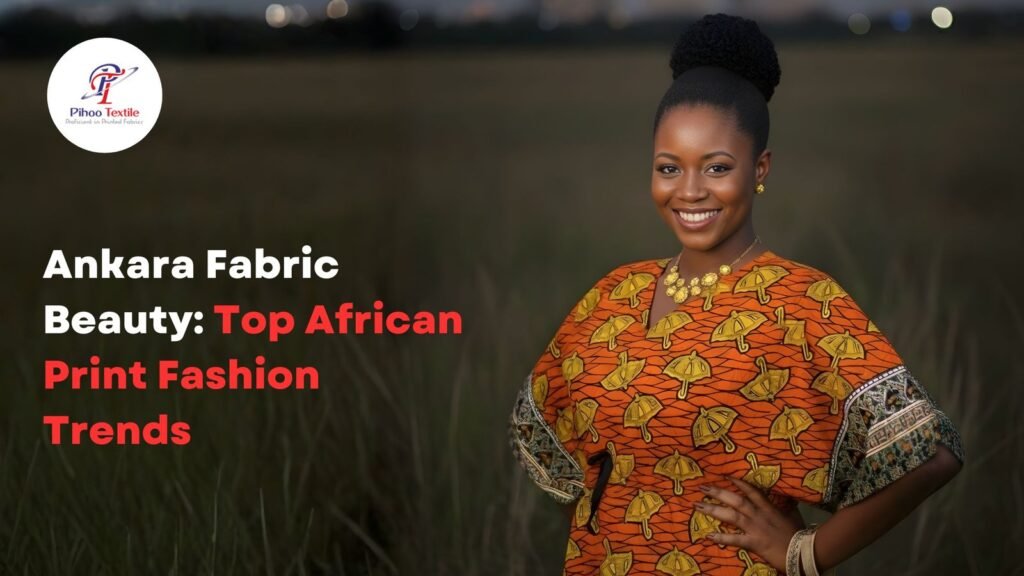
Ankara Fabric Beauty: Top African Print Fashion Trends

Introduction Ankara fabric dominates global fashion conversations, yet 60% of buyers cannot distinguish authentic wax prints from screen-printed imitations. This confusion costs designers and fashion enthusiasts who invest in fabrics that fade within weeks or lose their structure after minimal use. The beauty of Ankara lies not just in its bold patterns but in production techniques that create lasting vibrancy and distinctive texture. Understanding current trends, quality markers, and styling applications helps buyers make choices that deliver both aesthetic appeal and functional durability. This guide covers what makes Ankara unique, the fashion trends defining 2025, styling strategies for different occasions, and practical selection criteria. Whether creating statement garments, fusion wear, or home décor pieces, knowing how Ankara performs in real-world applications separates successful projects from disappointing outcomes. What Makes Ankara Fabric Unique Ankara fabric refers to colorful cotton textiles featuring bold, vibrant patterns created through wax-resist dyeing methods. The production process applies wax or resin to fabric surfaces before immersing cloth in dye baths, creating patterns where wax repels color. This technique produces identical color intensity on both fabric sides, a hallmark absent in standard printed cotton. The characteristic “crackle” effect appears when wax develops fine cracks during processing, allowing dye to penetrate in delicate lines. This creates the marbled, duo-tone appearance that marks premium Ankara textiles. The fabric feels stiffer and heavier than regular cotton due to dense weaving and wax treatment, providing natural structure for garments without additional interfacing. Top African Print Fashion Trends for 2025 Statement Ankara Dresses Maxi dresses with full skirts and fitted bodices lead current Ankara fashion trends. Asymmetrical hemlines, off-shoulder necklines, and dramatic sleeves add contemporary edge to traditional patterns. Midi-length wrap dresses work for both professional settings and casual outings, offering versatility that maximizes fabric investment. Color-blocking techniques combine multiple Ankara patterns in single garments, creating visual interest through deliberate pattern clashes. This approach requires careful color coordination to keep looks cohesive rather than chaotic. Fusion Wear and Contemporary Silhouettes Ankara fabric appears in unexpected Western silhouettes including blazers, trench coats, and tailored pantsuits. Indian designers blend Ankara with kurta designs, palazzo pants, and jacket overlays, creating cross-cultural fusion pieces. The bold patterns work as accent pieces paired with solid-colored basics in neutral tones. Mixing Ankara with denim, leather, or silk creates texture contrast that highlights the fabric’s distinctive surface. A structured Ankara blazer over a simple white t-shirt and jeans demonstrates how traditional textiles fit contemporary wardrobes. Ankara Accessories and Footwear Accessories offer low-risk entry points for experimenting with Ankara patterns. Bags, headwraps, shoes, belts, and jewelry featuring these textiles add personality to otherwise plain outfits. Small accessories require minimal fabric investment while delivering maximum visual impact. Ankara-covered pumps, sandals, and sneakers transform footwear into conversation pieces. The fabric’s natural stiffness holds shape well for structured bags and clutches without requiring heavy internal support. Ankara for Men Men’s Ankara fashion extends beyond traditional dashikis into contemporary shirts, jackets, and trousers. Ankara-print shirts paired with solid-colored pants create balanced looks suitable for social events and creative workplaces. Full Ankara suits make bold statements for weddings and formal occasions. Accessories including bow ties, pocket squares, and caps allow men to work in Ankara elements without committing to full-pattern garments. This incremental approach builds confidence with bold textiles. How to Style Ankara for Different Occasions Casual Ankara Looks Pair Ankara skirts or pants with solid-colored tops in white, black, or navy to keep looks grounded. Ankara tops work with denim jeans or neutral-toned trousers. Keep accessories minimal when wearing large-pattern Ankara to avoid visual overload. Casual styling succeeds when Ankara serves as the focal point with everything else supporting rather than competing. Simple silhouettes let the fabric patterns take center stage. Formal and Event Wear Floor-length Ankara gowns with elegant draping suit formal events and galas. Choose fabrics with metallic accents or sophisticated color palettes in burgundy, navy, or emerald for elevated looks. Tailored Ankara suits with matching accessories project confidence at business events. The fabric’s natural structure creates clean lines without excessive ironing or stiffening agents. This makes Ankara practical for events requiring extended wear without wilting or losing shape. Wedding and Bridal Styles Ankara appears in wedding attire as full bridal gowns, bridesmaid dresses, and coordinated outfits for wedding guests. Couples create matching or complementary Ankara outfits for traditional ceremonies. The fabric’s cultural significance adds meaning to wedding celebrations. Modern brides mix Ankara with lace, beading, or tulle to create unique bridal looks that honor African heritage while embracing contemporary aesthetics. Custom-designed patterns featuring couple names or wedding dates personalize the textiles. How to Choose Quality Ankara Fabric Check that colors appear equally vibrant on both fabric sides. Authentic Ankara weighs more than standard cotton prints due to dense weaving and wax treatment. Look for manufacturer information printed along the selvage edge, including brand names and quality certifications. Test colorfastness by rubbing a damp white cloth against the pattern. Color transfer indicates poor dye quality that will bleed during washing. Quality Ankara maintains pattern sharpness with no blurring where colors meet within designs. Care and Maintenance Tips Wash Ankara separately in cold water using mild detergent. Avoid hot water, which softens wax coatings prematurely and causes fading. Hand washing preserves colors better than machine washing, though gentle machine cycles work when necessary. Air dry fabrics away from direct sunlight to prevent color degradation. Iron on medium heat with fabric face-down to protect surface patterns. Store unused fabric rolled rather than folded to prevent permanent creases in the wax coating. FAQs Q: Can I mix different Ankara patterns in one outfit? A: Yes, pattern mixing creates dynamic looks when patterns share common colors. Start with two patterns of different scales—pair large florals with small geometrics. Keep one color consistent across both fabrics to maintain visual cohesion. Q: How much fabric do I need for a typical dress? A: A standard dress requires 2.5 to 3 meters depending on design complexity and size. Full-length maxi dresses need 3.5 to 4 meters. Always purchase

Top 10 Trending African Ankara Fabric Designs in 2026
Ankara Fabric

Top 10 Trending African Ankara Fabric Designs in 2026

Ankara buyers face a timing problem. Order too early based on last season’s patterns and you’re stuck with dated inventory. Wait too long and trending designs sell out at suppliers before you place your order. The fashion cycle for Ankara prints now moves faster than traditional textile procurement timelines. Social media platforms compress trend cycles. A design gains visibility through Instagram reels, TikTok styling videos, and Pinterest boards, then peaks in buyer demand within 6-8 weeks. Traditional procurement processes require 12-16 weeks from order to delivery. This mismatch costs buyers either in missed opportunities or excess inventory that doesn’t move. This guide identifies the 10 Ankara fabric designs gaining traction for 2026 based on current social engagement patterns, early wholesale orders, and design directions from major fashion weeks. You’ll understand what makes each design commercially viable, which product categories suit each pattern, and how to make buying decisions that balance trend relevance with reorder potential. What Makes Ankara Designs Trend in 2026 Print scale determines photograph quality on social platforms. Designs with clear, bold motifs that read well in thumbnail images gain more engagement than intricate patterns that blur at small sizes. This isn’t about artistic merit—it’s about algorithmic visibility and share rates. Color contrast drives retail performance. High-contrast prints (dark motifs on bright backgrounds or vice versa) catch attention in crowded retail displays and scroll-heavy social feeds. Mid-tone combinations with subtle contrast perform well for luxury positioning but move slower at volume. Versatility across product categories extends a design’s commercial lifespan. Prints that work equally well for structured garments, flowing dresses, accessories, and home goods offer better inventory turnover than specialized designs limited to specific applications. Top 10 Trending Ankara Designs for 2026 1. Bold Geometric Patterns with Clean Contrast Sharp-edged circles, triangles, and squares in high-contrast color combinations dominate early 2026 orders. These prints suit tailored pieces—blazers, pencil skirts, structured dresses—where geometric precision complements garment construction. The clean lines photograph exceptionally well, driving social media engagement that translates to retail demand. 2. Soft Geometrics and Imperfect Grids Contrarian to #1, hand-drawn geometric aesthetics appeal to buyers targeting artisanal positioning. Slightly irregular lines and organic shapes suggest craftsmanship rather than industrial printing. This design direction works for casual wear, loungewear, and products emphasizing sustainability narratives. 3. Large-Scale Florals with Sharp Outlines Oversized flower motifs (8-12 inch diameter) with bold, defined edges replace the smaller, detailed florals popular in 2024-2025. These prints suit maxi dresses, kaftans, and wide-leg trousers where large repeats display fully. Pattern placement becomes critical—buyers need sufficient yardage to center motifs on garment pieces. 4. Nature-Inspired Botanicals and Leaf Motifs Palm fronds, monstera leaves, and tropical vegetation prints align with broader textile industry directions toward biophilic design. These patterns transition well across seasons and climates, making them safer inventory bets for buyers without clear seasonal selling windows. 5. Modern Heritage Motifs Adinkra symbols, updated tribal patterns, and stylized traditional icons appeal to diaspora buyers and cultural celebration markets. These designs carry storytelling potential that supports premium pricing. Buyers targeting graduation season, heritage month celebrations, and cultural events prioritize these prints. 6. Monochrome and Near-Monochrome Prints Single-color prints or two-tone combinations in the same color family offer styling versatility that multi-color patterns can’t match. These designs suit buyers targeting professional wear, conservative markets, or customers seeking African print aesthetics without bold color commitments. Here’s the uncomfortable truth: monochrome Ankara moves faster in corporate and formal wear segments than traditional vibrant prints. 7. Two-Tone High-Impact Repeats Minimal color palettes (typically two colors) with strong rhythmic patterns create visual drama without color complexity. These prints reduce production costs compared to 4-6 color designs while maintaining aesthetic impact. The economics favor both manufacturers and buyers seeking margin improvement. 8. Patchwork and Mixed-Panel Prints Designs that simulate multiple fabric pieces sewn together appeal to buyers wanting ready-to-wear looks from single fabric cuts. These prints reduce construction complexity—a dress appears detailed without requiring actual panel cutting and piecing. The convenience factor drives adoption among smaller manufacturers and DIY sewers. 9. Metallic-Look Accents Gold-effect, silver-shimmer, and bronze-tone visual elements (not actual metallic threads) add luxury cues at standard print pricing. These designs suit occasion wear—weddings, parties, holiday events—where elevated aesthetics justify higher retail price points. Buyers targeting Q4 2026 holiday seasons should sample these designs by Q2. 10. Stripe-Led and Border-Led Prints Directional prints with defined stripes or border elements offer pattern placement control during garment construction. Designers can orient stripes vertically for elongation or horizontally for width. Border prints work exceptionally well for hem details, necklines, and sleeve finishes without requiring separate trim fabrics. Choosing Designs for Your Market Match print scale to target demographics. Large-scale patterns suit plus-size markets where motifs display properly across garment pieces. Small-to-medium repeats work better for petite sizing and children’s wear where large motifs get cut awkwardly during pattern cutting. Climate considerations affect color choices. Lighter backgrounds (whites, pastels, soft yellows) move faster in hot climates where dark fabrics absorb heat. Deeper tones (burgundy, navy, forest green) perform better in temperate regions and cooler seasons. Retail channel determines design selection. E-commerce requires prints that photograph distinctly—busy retail sites need designs that stand apart in grid views. Brick-and-mortar stores handle subtle, complex patterns better because customers examine fabric physically before purchase. Quality Standards That Matter Cotton weight affects drape and durability. Standard Ankara ranges from 140-180 GSM. Lighter weights suit flowing garments but show wear faster. Heavier weights maintain structure but limit style applications. Match weight to intended use rather than assuming heavier always means better. Print clarity separates quality production from cheap alternatives. Examine pattern edges—sharp, clean lines indicate proper printing. Blurred or fuzzy edges signal inferior dye application or low-resolution printing that fades quickly. Colorfastness determines customer satisfaction and repeat purchase rates. Ankara that bleeds color during first wash generates returns and damages brand reputation. Request wash testing documentation before committing to bulk orders. Conclusion The 10 Ankara designs trending in 2026 share common traits: strong visual contrast, photographic clarity, and cross-category versatility. Select designs

Finding Your Ankara Connection: A Guide to African Fabric Suppliers in India
Ankara Fabric

Finding Your Ankara Connection: A Guide to African Fabric Suppliers in India

Are you searching for genuine African-printed fabric or reliable Ankara suppliers in India? As the demand for colorful, vibrant African prints continues to soar in the Indian market—for both fashion and home décor—the path to finding trustworthy, high-quality suppliers is more important than ever. At Pihoo Textiles, we understand the nuances of connecting designers, retailers, and enthusiasts with authentic African print sources. Here’s your comprehensive, SEO-optimized guide modeled on proven strategies, while adding essential details to help you discover the perfect African fabric connection in India. Why Choose African-Printed Fabric? African prints—be it Ankara, Kente, or Kanga—are admired for their rich colors, unique geometric patterns, wax resist textures, and cultural stories. These textiles are not just fashion statements but symbols of heritage and diversity, now increasingly seen on Indian runways and in trendy local boutiques. Whether you’re a designer looking to make a bold statement or a shopper seeking something fresh, African prints bring an unmistakable global flair to Indian styling. Step 1: Start with Smart Online Research Kickstart your search right where it’s most accessible—the internet. Use specific keywords like “Ankara fabric supplier India,” “African wax print fabric wholesale,” or “dashiki fabric Mumbai” on major search engines. Dive into websites that specialize in ethnic fabrics as well as leading B2B marketplaces like IndiaMART, TradeIndia, and Alibaba, which often list Indian importers and distributors. Tips: Look for detailed product descriptions and images. Prioritize sites with physical addresses, verified phone numbers, and GST information. Browse for supplier reviews and ratings for added reliability. Step 2: Utilize Trade Directories for Verified Leads Industry directories are goldmines for supplier data. Search trade-specific platforms, textile associations, or chambers of commerce that catalog Indian businesses dealing in African prints. These listings typically include direct contact information, product portfolios, and sometimes even certifications. What to Check: Inclusion in directories such as Texprocil or the Handloom Export Promotion Council. Cross-reference names across other directories to avoid middlemen or duplicates. Step 3: Visit Local Fabric Stores Don’t overlook brick-and-mortar fabric retailers—especially in major textile hubs like Surat, Mumbai, or Delhi. Many now feature “world fabric” or “ethnic prints” sections. Speak directly with shop owners who often have insider contacts or can source specialized prints on request. Why This Works: You can verify fabric quality firsthand. Building in-person relationships can lead to exclusive recommendations, or even better pricing. Step 4: Attend Textile Trade Shows and Exhibitions Textile trade fairs—such as India International Textile Machinery Exhibitions, Surat International Textile Expo, or even FabIndia events—offer a front-row seat to the latest collections. These exhibitions are gathering spots for suppliers, wholesalers, and manufacturers from across India and beyond. How to Maximize Your Visit: Take business cards and be ready to network. Explore sample displays for quality and range. Attend workshop sessions to gain insights into new trends and sourcing tips. Step 5: Leverage Online Forums and Fashion Communities Textile enthusiast forums, WhatsApp groups, and even LinkedIn groups focused on fabric trade have become go-to spaces for discovering trusted suppliers. Sites like Reddit (r/fabrics, r/fashionreps), or regional communities on Facebook, are bustling with sourcing discussions and peer recommendations. Community Insight: Ask questions about supplier reliability, latest price trends, and import duties. Offer to share your own experiences to build rapport and trust. Step 6: Contact Suppliers Directly and Ask for Samples Once you’ve created a shortlist from your research, reach out to suppliers through email, phone, or even social media profiles. Request detailed catalogs and, whenever possible, physical fabric samples. This not only helps you evaluate authenticity, vibrancy, and print quality, but also gives you a feel for the supplier’s responsiveness and professionalism. Don’t Forget: Ask about minimum order quantities, custom design options, textile certifications (such as GOTS or OEKO-TEX), and shipping capabilities. Clarify payment terms and delivery expectations upfront. Step 7: Evaluate Suppliers and Build Long-Term Partnerships After you’ve assessed the samples and compared costs, reputation, and service, choose suppliers that meet your quality benchmarks and align with your sourcing values. Building a strong, long-lasting relationship with a supplier is essential—repeat business often leads to better deals, faster turnaround, and priority access to new prints or limited editions. What to Compare: Quality consistency across repeat orders. Transparency in supply chain and ethical sourcing. Ability to fulfill bulk and urgent requirements. Bonus Steps for Designers and Entrepreneurs Explore Local Manufacturing and Printing Collaborations India’s textile industry is renowned for its own traditional handicrafts and state-of-the-art digital-printing capabilities. Partnering with an Indian manufacturer that can print on demand using imported African designs can give you a cost and logistics edge, with easier control over color matching and fabric quality. Source Wholesale Direct from Importers Larger importers in Gujarat, Mumbai, and Delhi usually offer competitive pricing for bulk orders. This is ideal for small businesses or fashion labels looking to reduce per-unit costs for African print fabrics. The Pihoo Textiles Advantage At Pihoo Textiles, we bridge the cultural worlds of Africa and India—bringing you authentic, ethically sourced Ankara, Kente, Real Wax, and Kaftan prints, along with transparent service and competitive pricing. Our extensive catalog caters to ambitious designers, bustling retailers, and passionate home sewists alike. Why Choose Pihoo Textiles? Direct import relationships with West African and Ghanaian mills. Custom colorways, exclusive collections, and regular new designs. Rigid quality assurance and eco-conscious processes. Strong logistics network for quick fulfilment across India. Final Tips: Elevate Your Ankara Connection with Confidence Confirm Authenticity: Always cross-check product origin, print quality, and supplier certifications. Negotiate Flexibly: Discuss pricing, terms, and exclusive arrangements for repeat orders. Value Relationships: Nurturing supplier trust pays off in access, pricing, and service. Conclusion As African prints cement their place in the Indian style landscape, sourcing them reliably is key for any successful venture. Whether you’re entering the world of Ankara for the first time or expanding your range, use these actionable steps to guide your journey. And remember—Pihoo Textiles is always here to help you make the most vibrant, high-quality connections between Africa and India for your fabric needs. Discover your perfect print—and let

From Ankara to Kente: Discover Your Perfect African Print
Ankara Fabric

From Ankara to Kente: Discover Your Perfect African Print

African prints radiate with vibrant colors, rich symbolism, and centuries of cultural tradition. Whether it’s the bold wax patterns of Ankara or the regal weaves of Kente, each fabric type offers a unique story—one woven into the very identity of African communities. Today, these prints transcend borders to inspire global fashion, art, and home décor. At Pihoo Textiles, we invite you to journey through the fascinating world of African textiles to help you discover the perfect print for your collection or personal style. Introduction to African Print Fabrics African prints are a diverse tapestry of fabric styles, weaving tradition with modern artistic expression. Predominantly made from cotton, many undergo intricate processes such as wax-resist dyeing, hand weaving, and natural dyeing. Their vivid palettes and geometric patterns make them visually distinct and culturally meaningful. With growing international demand, African prints have become symbols of bold identity, creativity, and versatility. Popular African Prints & Their Characteristics Ankara: The Bold Wax Print Powerhouse Ankara, also known as Dutch wax or African wax prints, is the most widely recognized African fabric. Characterized by striking patterns, vibrant colors, and a glossy finish, Ankara is primarily made from 100% cotton or wax-coated cotton. It’s versatile, widely used for garments, accessories, and even home textiles. History: While often linked to Africa, Ankara originated from Dutch wax prints inspired by Indonesian batik, adapted and cherished across West and Central Africa. Designs: Motifs often reflect animals, nature, tribal symbols, or abstract geometrics. Significance: Ankara prints are popular for casual and formal wear, known for their affordability and eye-catching appeal. Kente Cloth: The Royal Weave from Ghana Kente is a handwoven fabric hailing from Ghana’s Ashanti and Ewe ethnic groups. It is traditionally postulated as Ghana’s royal cloth and is woven in narrow strips sewn together to produce vivid geometric patterns. Material: Made from silk and cotton blend. Symbolism: Each color and pattern represents social status, cultural values, or historical narratives. Usage: Initially reserved for royalty, Kente is now worn worldwide for celebrations, academic regalia, and fashion statements symbolizing pride. Mudcloth (Bogolan): Earthy Symbolism from Mali Mudcloth is handwoven cotton dyed with fermented mud and plant-based dyes. Its earthy tones of brown, black, and white give it a raw and organic appeal. Patterns: Geometric and symbolic motifs often narrate historical events, dynasties, or communal values. Eco-Friendly: Produced with natural dyes, it is suitable even for sensitive skin. Popularity: Increasingly embraced by fashion designers for its authenticity and unique texture. Adire: The Resist-Dye Art of Nigeria Adire, meaning “tie and dye” in Yoruba, is a traditional fabric that is created by tying sections of cotton cloth and dyeing it with indigo. Types: Includes resist-dyed and direct-dyed patterns. Cultural Roots: It symbolizes Yoruba craftsmanship and has witnessed global revival through artisans like Nike Davies-Okundaye. Design Range: From bold graphics to intricate patterns in various shades of blue. Kanga and Kitenge: East Africa’s Colorful Stories Popular in Kenya and Tanzania, Kanga fabrics are lighter cotton cloths printed with bright colors and Swahili proverbs or sayings, making them wearable storytelling canvases. Kitenge is similar but usually heavier and more structurally varied. Functions: Worn as wraps, dresses, baby carriers, and scarves. Cultural Importance: These fabrics express social morals, blessings, or identity messages. Bark Cloth: The Traditional Textile of Uganda and Cameroon Derived from the inner bark of fig trees, bark cloth is a natural fabric enjoyed for its breathability and distinct texture. Ceremonial Use: Historically worn by royalty and at significant social events. Craft: Produced through a slow, labor-intensive process preserving artisanal techniques. Bazin Riche: The Luxurious Malian Fabric Bazin, a hand-dyed damask fabric with a shining finish, is treasured across Mali and neighboring countries. It is often used to make grand ceremonial wear called “boubous.” Luxurious Look: The stiff fabric is embroidered and dyed in various striking colors. Fashion Status: Worn to symbolize status, elegance, and tradition. African Print Fabric Usage Today African fabrics have transcended their traditional contexts, entering mainstream and luxury fashion as well as lifestyle products. They are used for: Apparel: Dresses, shirts, skirts, headwraps, and accessories. Home Decor: Upholstery, curtains, quilts, and cushions. Cultural Events: Ceremonial attire, weddings, and rites of passage. Global Fashion: Featured prominently in international fashion weeks and celebrity wardrobes. Cultural & Symbolic Meanings African prints aren’t just visually stunning; they carry meanings deeply embedded in history and culture. Wearing or gifting African fabrics can convey messages of unity, prosperity, wisdom, and respect. For example: Colors: Gold stands for royalty; black for spirituality; red for sacrifice; green for fertility. Patterns: Spirals, zigzags, and animals each tell different tales or represent virtues. Pihoo Textiles: Bringing Authentic African Prints to the World Pihoo Textiles plays an essential role in preserving and promoting African textile heritage globally. Here’s how we contribute: Authentic Sourcing: We collaborate with African artisans and manufacturers to ensure each print remains true to its cultural roots. Quality Fabrication: Utilizing modern digital printing and quality control, Pihoo Textiles ensures fabrics are vibrant, durable, and eco-conscious. Customization: From Ankara to Kente and Mudcloth-inspired designs, we offer bespoke prints to fashion houses, designers, and retailers worldwide. Sustainability Focus: Our sustainable production respects African artisan communities and the environment, supporting fair trade and cultural preservation. How to Choose the Right African Print for Your Needs Purpose: Formal wear benefits from Kente cloth’s richness; everyday fashion suits Ankara prints. Fabric Properties: Consider breathability, weight, and texture suitable for climate and style. Cultural Relevance: For special occasions, choose prints that represent desired meanings and status. Design Aesthetics: Match bold patterns with your brand or personal style for maximum impact. Future of African Print Fabrics in Global Fashion African prints are set to dominate the global textile market as consumers crave authenticity and narrative-driven fashion. Innovations in digital printing, eco-friendly dyes, and artisan collaborations will shape future collections. As these textiles continue their global rise, demand for authentic, sustainably produced African fabrics is expected to grow exponentially by 2030. Conclusion: Celebrate Heritage, Style, and Sustainability with African Prints African print fabrics offer a rare blend of vibrant artistry, cultural richness, and fashion versatility. From the regal Kente of Ghana to the ever-popular Ankara and the soulful Mudcloth of Mali, each textile invites wearers to

Scroll to Top