
Pihoo Textile is an Exporter of Fabrics in whole African countries and also supplies to exporters and local market. Our Printing quality is suitable for African culture.
© 2026 Created by IndiaFinds

Dashiki Shirts

History of the Dashiki: The Shirt That Changed Fashion
Dashiki Shirts, Uncategorized

History of the Dashiki: The Shirt That Changed Fashion

Introduction Most people treat the dashiki as a 1960s American phenomenon. That framing misses roughly 600 years of documented use in West Africa and reduces a complex textile tradition to a single decade of cultural politics. The problem for modern buyers is practical: without understanding what the dashiki actually is, where it came from, and how it evolved, sourcing the right fabric for authentic construction becomes guesswork. Poor fabric choices produce garments that look costume-like rather than culturally grounded.  This guide covers the dashiki’s West African origins, its traditional construction characteristics, the specific point in history when it crossed into global fashion, and what fabric specifications produce results that honor the original. Understanding this history directly informs better purchasing decisions for designers, tailors, and fashion enthusiasts who want dashiki garments that carry the weight of the original.​ Ancient Origins in West Africa The dashiki traces its earliest documented roots to West African communities, particularly in the regions now comprising Nigeria, Ghana, Senegal, and Côte d’Ivoire. The garment functioned as practical everyday wear adapted to tropical climates, featuring a loose, flowing silhouette that allowed air circulation while providing modest coverage.​ The word “dashiki” derives from the Yoruba term “danshiki” and the Hausa word “dan ciki,” both roughly translating to “shirt” or “inner garment”. This linguistic dual origin reflects how widely the garment spread across different West African language groups, each adopting and adapting it to local preferences.​ Traditional Yoruba Origins and Regional Variations The Danshiki Structure The Yoruba danshiki established the core construction blueprint that persists today:​ V-shaped or U-shaped neckline with embroidered trim Wide, loose body cut from a single rectangular fabric piece Short sleeves extending naturally from the body panel No tailored side seams in traditional versions Regional variations appeared across West Africa as the garment traveled trade routes. Northern Nigerian versions featured heavier embroidery and longer hemlines. Coastal versions used lighter fabrics with minimal embellishment suited to humid climates. 19th-Century Influences and Fabric Evolution The Role of Dutch Wax Prints The introduction of Dutch wax print fabrics to West African markets in the 1880s dramatically expanded dashiki construction possibilities. These bold, colorful cotton textiles gave tailors materials that matched the dashiki’s visual energy far better than plain woven cloth. The combination of traditional construction with vibrant wax print patterns created the iconic aesthetic most people now associate with the garment.​ The fabric’s weight (150-180 GSM) suited dashiki construction because the dense cotton held the flowing silhouette without clinging or collapsing. Wax prints also provided cultural messaging through patterns, allowing wearers to communicate identity and occasion through fabric choice rather than words alone.​ The 1960s: Global Transformation Black Power and American Counterculture The dashiki entered American fashion between 1967 and 1968 through two simultaneous forces: the Black Power movement’s embrace of African cultural identity, and the broader counterculture’s rejection of mainstream Western dress. Civil rights activists wore dashikis as explicit statements of African heritage, transforming the garment from functional clothing into political symbol. The speed of adoption was striking. By 1969, dashikis appeared at Woodstock on non-African American attendees, demonstrating how quickly the garment crossed cultural boundaries. This rapid spread created a tension that still exists: between dashiki as cultural heritage and dashiki as global fashion item.​ Modern Evolution and Current Trends Contemporary dashiki design preserves the V-neck, loose silhouette, and embroidered collar while incorporating updated elements:​ Fitted cuts for formal occasions, departing from traditional loose silhouettes Fusion designs combining dashiki tops with trousers, suits, and dresses Women’s adaptations including dashiki dresses, jumpsuits, and crop tops Mixed fabric construction combining wax prints with solid cotton panels Global fashion weeks now regularly feature dashiki-inspired pieces, confirming the garment’s permanent place in international clothing vocabulary rather than periodic trend cycles. Dashiki Construction and Fabric Requirements Fabric Specifications That Matter Authentic dashiki construction requires specific fabric characteristics that directly impact the finished result:​ Weight: 150-180 GSM cotton provides the right drape without heaviness Width: 45-inch minimum fabric width accommodates the wide body panel without seams Pattern scale: Large-scale wax print patterns (15cm+ repeat) suit dashiki proportions better than small motifs Color intensity: Two-sided color vibrancy matters for garments worn loosely where both sides may show The neckline embroidery traditionally uses the same fabric cut into decorative borders, which requires sufficient pattern repeat length to maintain design continuity around the curved collar. Construction Approach A standard dashiki requires 2.5-3 meters of fabric for adult sizing. The construction involves:​ Cut two identical rectangular panels for front and back Mark and cut the V or U neckline on the front panel only Attach embroidered or appliquéd collar trim around the neckline Join front and back panels at shoulders and sides, leaving sleeve openings Hem sleeve openings and bottom edge The simplicity of this construction makes dashiki one of the most accessible garments for beginning tailors working with wax print fabrics. How to Source Authentic Dashiki Fabrics Dashiki construction rewards authentic wax print fabrics over imitations because finished garments require color consistency across multiple washing cycles. Garments worn as frequently as dashikis need fabrics that maintain vibrancy through regular use rather than fading after a few washes.​ Key checks when sourcing dashiki fabric: Confirm identical color vibrancy on both fabric sides Verify 100% cotton composition for breathability in warm climates Check pattern scale matches dashiki proportions before cutting Request colorfastness certificates from suppliers for commercial production FAQs How much fabric do I need for a standard dashiki? Adult dashikis typically require 2.5-3 meters for a single-color design. If mixing two patterns for collar and body, purchase 1.5-2 meters of each. Women’s dashiki dresses need 3.5-4 meters depending on length and style. Can I make a dashiki from fabric other than wax prints? Yes, traditional dashikis used plain woven cotton before wax prints became widely available. Solid cotton, linen, or lightweight canvas work for minimalist versions. However, wax print patterns deliver the visual impact most associated with contemporary dashiki aesthetics. What distinguishes a dashiki from other African shirts? The defining characteristics are the V or U
How to Wear African Dashiki Clothing: A Modern Style Guide
Dashiki Shirts

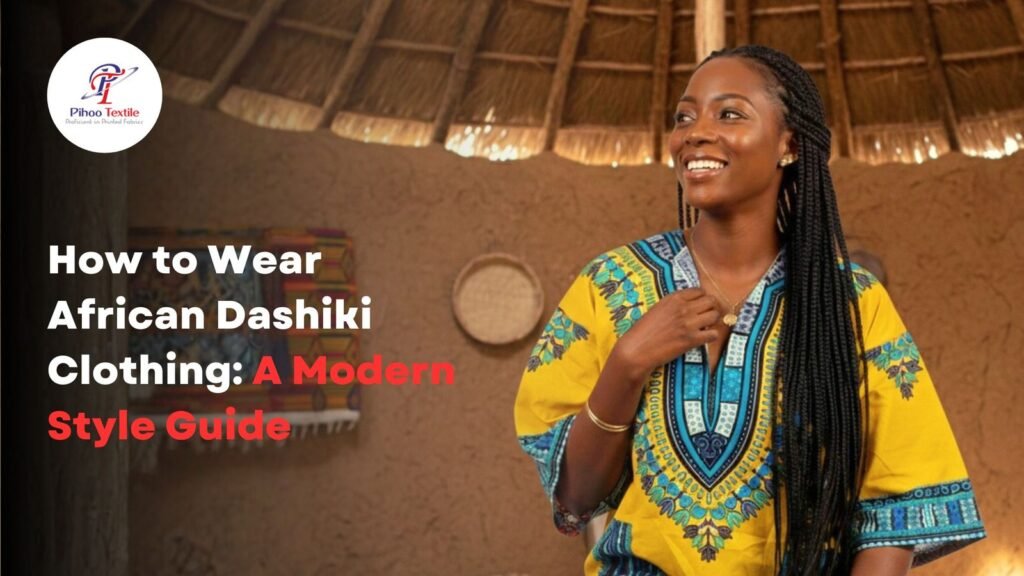
How to Wear African Dashiki Clothing: A Modern Style Guide

Most people who own a dashiki wear it once to a cultural event and then leave it sitting in the wardrobe. This happens not because the garment lacks versatility, but because nobody explains how to integrate it into everyday and formal contexts beyond its ceremonial associations. The result? A deeply expressive textile that rarely gets the wardrobe rotation it deserves. The dashiki originates in West Africa, where it functioned as everyday attire for men across Nigeria, Ghana, and Senegal. Its V-neck embroidered collar, loose silhouette, and bold pattern vocabulary make it one of the most adaptable garments in African fashion—yet most styling content treats it as a costume rather than a wardrobe staple. This guide covers fit and fabric selection, gender-specific casual and formal outfits, layering techniques, accessories, and fabric care—giving you a complete framework for wearing dashiki confidently in any setting.​ Dashiki Basics: Fit, Fabric, and Pattern Dashiki comes in several distinct forms that suit different occasions and body types. Shirts and tunics: Hip-length, worn over trousers or jeans—the most versatile entry point Long tunics: Knee-length options that work as dresses or extended tops Full dresses and gowns: Floor-length for formal occasions Coordinated sets: Matching shirt and trouser combinations for complete looks​ Fabric selection determines wearability. 100% cotton breathes well and holds vibrant prints through repeated washing. The contrarian insight? Heavier cotton (180-200 gsm) actually drapes better on loose silhouettes than lightweight fabric, which can look shapeless rather than relaxed. Pattern scale matters for proportion. Large, high-contrast prints suit taller frames; smaller, tonal patterns work better for petite builds. Casual Daytime Looks for Men The simplest entry point pairs a dashiki shirt with well-fitted dark jeans and clean white sneakers. This combination lets the print carry visual weight while neutral bottoms prevent the outfit from feeling overwhelming. Chinos in olive, khaki, or charcoal work equally well—the key is keeping below-the-waist pieces simple and solid. Men’s Casual Footwear Options White or neutral sneakers for relaxed street looks Leather sandals for warm-weather occasions Chelsea boots when the temperature drops​ Avoid heavily patterned shoes. The dashiki already carries the visual work—footwear should ground rather than compete. Casual Daytime Looks for Women Women have more structural flexibility with dashiki styling. A dashiki top tucked loosely into high-waisted jeans or a midi skirt creates a balanced silhouette. Wearing it as an untucked tunic over fitted leggings leans casual. Dashiki dresses with flat sandals or espadrilles work for warm-weather daytime events without effort. A headwrap in a complementary or matching fabric elevates the look immediately. Minimal jewelry—small hoops, a simple chain—keeps the print as the focal point. Formal and Evening Looks for Men Tailored dashiki shirts paired with well-cut dress trousers shift the entire register of the garment.​ Oxford shoes or clean loafers complete the transition from casual to formal. For significant events—weddings, graduations, celebrations—coordinated dashiki suits with matching trousers in the same print deliver maximum impact without requiring external accessories for polish.​​ Keep accessories restrained: a watch and simple leather belt work. Heavy jewelry competes with detailed embroidery around the collar, which is the garment’s signature design element. Formal and Evening Looks for Women Floor-length dashiki gowns work for formal events without modification. Pair them with block heels rather than stilettos—the cultural weight of the garment suits grounded, confident footwear. For semi-formal contexts, a dashiki top with a tailored pencil skirt and structured bag creates a professional look that reads as intentional rather than casual.​ Bold statement earrings work well here because the garment’s neckline typically features embroidery that frames the face and draws attention upward. Layering Techniques Layering extends dashiki’s seasonal range and stylistic reach.​ Denim jacket over a dashiki shirt reads casual and contemporary​ Structured blazer in a neutral tone elevates a dashiki to smart-casual territory​ White crew-neck t-shirt worn under a dashiki adds texture contrast and covers the arms in conservative settings​ Hoodie underneath for winter adds warmth without hiding the dashiki’s collar detail The rule: layer with solid-colored pieces only. Patterned outerwear over a dashiki creates visual noise rather than intentional styling. Accessories That Complete the Look Accessories determine whether a dashiki outfit looks considered or thrown together.​​ Belts: Define the waist on long tunics and dresses; use leather in brown or black Bags: Leather totes or woven natural-fiber bags complement the organic feel of wax prints Hats: Kufi caps reinforce the African aesthetic; wide-brim hats work for outdoor events Jewelry: Single statement piece maximum—choose one focal point​​ The most common mistake? Over-accessorizing. A dashiki already carries significant visual complexity. Adding too many accessories overwhelms rather than complements. Dashiki Fabric Care Maintaining print vibrancy requires consistent care practices. Wash dashiki garments in cold water on a gentle cycle, separately from other clothing during the first three washes to prevent dye transfer. Avoid bleach entirely—it degrades both cotton fibers and reactive dyes used in wax printing. Line dry in shade rather than direct sunlight, which fades print colors faster than washing. Iron on medium heat while slightly damp for best results on cotton.​ Sourcing Quality Dashiki Fabrics Designers and fashion brands creating dashiki garments need fabrics that maintain print clarity and color intensity through construction and repeated wear. Quality dashiki fabric requires high-density 100% cotton (minimum 160 gsm), vibrant wax-resist printing with double-sided color penetration, and stable colorfastness ratings that survive commercial garment production processes. These specifications separate fabrics suited for finished garments from display-quality prints that deteriorate after construction. Conclusion Dashiki’s styling range extends far beyond cultural events. Pairing it correctly with solid-colored basics, appropriate footwear, and restrained accessories transforms it into a year-round wardrobe asset for both casual and formal contexts. Pihoo Textiles manufactures premium African wax print fabrics for dashiki garments and fashion production at our Jetpur, Gujarat facility. Our 100% cotton base materials and authentic wax-resist printing deliver the color vibrancy, fabric weight, and durability that dashiki construction demands. Request fabric samples from our African wax print collection at pihootextile.com, or contact our export team to discuss bulk orders and custom pattern development for your dashiki

Dashiki Shirts & Kaftans: Design, Print & Product for Global Markets
Dashiki Shirts

Dashiki Shirts & Kaftans: Design, Print & Product for Global Markets

Global buyers face a persistent challenge sourcing African print garments: most manufacturers either deliver authentic designs with inconsistent quality or offer reliable production with generic patterns that miss cultural authenticity. You end up choosing between credibility and dependability. The dashiki and kaftan market reached significant scale—the United States alone accounts for 47% of global kaftan exports, followed by UAE at 20% and Singapore at 7%. These numbers reveal concentrated demand in specific regions where buyers expect both cultural accuracy and manufacturing standards that meet retail compliance. Gujarat-based production addresses this gap through digital printing capabilities, cotton sourcing proximity, and export infrastructure built specifically for African print garments. This guide covers fabric specifications that balance cost and performance, printing techniques that maintain pattern integrity at volume, manufacturing standards for export compliance, and logistics considerations for international shipping. You’ll understand how production choices affect landed costs and quality outcomes. Fabric Selection for Production Efficiency Cotton remains the primary base for dashiki shirts and kaftans due to breathability and dye absorption properties. Standard weights range from 140 GSM for lightweight summer pieces to 200 GSM for structured garments that hold shape through wear and washing. Polyester blends (polycotton) reduce production costs while maintaining acceptable comfort levels. The 65/35 cotton-poly ratio works for budget-conscious buyers targeting fast fashion segments. Pure cotton commands higher retail prices but delivers superior hand feel and moisture management. Fabric comes in 6-yard or 12-yard cuts. The 12-yard format suits high-volume orders—packaging reaches 50 pieces per bale, optimizing container space. Smaller 6-yard cuts allow 100 pieces per bale but increase per-unit handling costs during production. Width standardizes at 44-45 inches for most African print production. This dimension accommodates standard dashiki cutting patterns without excessive waste. Narrower widths require pattern adjustments that increase fabric consumption per garment. Design Development Process Traditional dashiki designs center on geometric patterns inspired by West African wax prints. The V-neck embroidery panel remains the signature element—buyers recognize authentic dashikis by this feature. Pattern placement determines how much fabric each garment consumes, directly affecting your cost per unit. Custom designs require minimum runs to justify screen preparation or digital file setup. Most manufacturers set thresholds at 3600 yards per unique pattern. Below this quantity, setup costs inflate per-unit pricing beyond retail viability. Seasonal collections demand lead times of 60-90 days from design approval to finished goods. This timeline includes sampling, approval cycles, bulk production, and quality checks. Rush orders compress these stages but add 15-25% to base costs through expedited processing fees. Color selection impacts production complexity. Designs using 2-3 colors run smoothly through most printing setups. Patterns exceeding 5 colors require advanced digital printing or multiple screen passes, each adding cost and potential registration errors. Printing Techniques and Quality Standards Digital Textile Printing Digital printing eliminates minimum color restrictions and allows photographic detail impossible with traditional methods. The technology suits small-batch custom orders and seasonal test collections. Per-yard costs remain higher than screen printing but setup expenses drop significantly. Color matching reaches 95%+ accuracy with proper calibration. Dye penetration varies by fabric prep—mercerized cotton accepts dye better than raw fabric, producing vibrant prints that survive commercial washing. Screen Printing for Volume High-volume orders (10,000+ yards) benefit from rotary screen printing economics. Once screens are prepared, per-unit costs drop below digital alternatives. The method suits repeating patterns sold across multiple seasons. Screen printing delivers superior wash fastness through heavier dye application. Commercial laundry testing shows minimal fading after 50 wash cycles—critical for retail buyers concerned about customer returns and brand reputation. Manufacturing Standards and Compliance Seam construction determines garment longevity. Double-stitched side seams prevent unraveling during wear. Single-stitch construction costs less but increases defect rates that damage buyer relationships and trigger return authorizations. Embroidery quality separates premium products from budget alternatives. The V-neck panel should show tight, consistent stitching with no gaps or loose threads. Machine embroidery achieves this at production scale, while hand embroidery adds artisanal appeal but limits volume capacity. Size standardization matters for international markets. US buyers expect different measurements than European or Middle Eastern markets. Producing to specific regional size charts reduces returns and improves sell-through rates at retail. ISO certification and REX (Registered Exporter) status streamline customs clearance for international shipments. These credentials signal manufacturing maturity that retail buyers require for vendor approval processes. Global Market Dynamics The uncomfortable truth about African print garments: most production happens in India, Indonesia, and China rather than African nations. Buyers accept this because production infrastructure in Asia delivers consistent quality, on-time delivery, and pricing structures that support retail margins. Production capacity varies dramatically between manufacturers. Small operations handle 50-200 pieces monthly. Mid-tier facilities produce 5,000-10,000 units. Large-scale manufacturers process 40,000+ garments monthly across multiple product categories. Your order volume determines which tier provides optimal service. Minimum order quantities reflect setup economics. Expect MOQs of 500-1,000 pieces for standard designs using existing fabric inventory. Custom prints require 3,000-5,000 piece minimums to justify fabric runs and pattern development costs. Export Packaging and Logistics Individual garments require polybag packaging that protects against moisture and handling damage during international transit. Add cardboard inserts for folded presentation if targeting retail hanging systems. Bale packing optimizes shipping container utilization. Standard 40-foot containers hold approximately 1,200-1,500 bales depending on garment type and packaging method. Proper bale compression reduces freight costs per unit significantly. Documentation requirements include commercial invoices, packing lists, certificates of origin, and compliance declarations. Missing or incorrect paperwork delays customs clearance and generates demurrage charges that eliminate margin. Lead times from order confirmation to port delivery typically span 45-60 days for established designs and 75-90 days for custom development. Ocean freight adds 15-45 days depending on destination port. Air freight cuts transit to 5-7 days but increases costs 4-5x above sea shipment. Conclusion Successful dashiki and kaftan production for global markets depends on choosing fabric specifications that balance cost and quality, selecting printing methods matched to order volume, and maintaining manufacturing standards that meet retail compliance requirements. Partner with manufacturers who understand export documentation and have proven logistics capabilities.

Dashiki Shirt Evolution: 1960s Afro-Wear to Modern Street Style
Dashiki Shirts

Dashiki Shirt Evolution: 1960s Afro-Wear to Modern Street Style

Most fashion historians credit the 1960s Civil Rights Movement with popularizing the dashiki. They’re half right. The garment existed for centuries in West Africa as a practical underlayer called “dan ciki” in Hausa—literally “shirt of the inner body.” What changed in the 1960s wasn’t the dashiki’s existence but its meaning. A Dutch designer named Toon van de Manakker created the “Angelina” pattern in the 1960s, inspired by Ethiopian tunics he encountered. This geometric design—now considered the quintessential dashiki look—originated in Europe, not Africa. Mass production followed through Harlem’s New Breed Clothing Ltd, transforming a utility garment into a political statement, then a hippie trend, and now a streetwear staple. This guide traces the dashiki’s path from West African practicality through Civil Rights activism to modern street style. You’ll learn how each era reshaped the garment’s cut, significance, and wearers, plus how to identify authentic construction versus mass-market imitations. West African Roots? The Yoruba word “dansiki” described loose-fitting cotton tunics worn across West Africa for centuries. Hot, humid climates demanded breathable clothing that didn’t restrict movement during farm work or daily activities. The original design featured deep armholes, side pockets, and simple construction—function over form. These early garments used locally woven cotton in solid colors or minimal patterns. Embroidery remained understated compared to today’s elaborate neck panels. The cut prioritized airflow and comfort for manual labor in tropical heat. The dashiki served as an inner layer beneath heavier outer robes during formal occasions. Its status as underwear in traditional contexts makes its later elevation to political symbol particularly striking. What West Africans wore hidden beneath other clothes became what activists wore openly as statements. 1960s Civil Rights Era After the Civil Rights Act passed in 1964, African Americans sought visible markers of cultural identity beyond legislative victories. The dashiki provided exactly that—an African garment that rejected Western suit-and-tie conformity while asserting Black heritage and pride. Leaders like Stokely Carmichael and Huey P. Newton wore dashikis during protests and public appearances. The garment signaled alignment with Black Power philosophy and pan-African consciousness. Wearing a dashiki to work, school, or rallies made a political statement without saying a word. Here’s the uncomfortable reality: most dashikis worn during this era weren’t imported from Africa. Mass production happened in Harlem using fabrics printed with “African-inspired” designs. Authenticity mattered less than symbolism—the act of wearing distinctly non-Western clothing carried the political weight. Counterculture Crossover By the late 1960s, white hippies adopted dashikis as part of broader anti-establishment fashion. They saw the garment through a different lens—ethnic exoticism and rejection of mainstream American culture rather than specific Black identity politics. This crossover diluted the dashiki’s original Civil Rights symbolism. What began as a marker of African American pride became a generalized “alternative” fashion choice available to anyone seeking bohemian credentials. Department stores stocked dashikis alongside tie-dye and bell-bottoms. Southeast Asian manufacturers capitalized on growing demand by producing cheap dashikis that undercut African craftspeople. The irony: a garment meant to celebrate African heritage got mass-produced in factories thousands of miles from both Africa and the communities who gave it political meaning. Design Evolution Through Decades 1970s Adaptations Designers expanded beyond traditional tunics to create dashiki dresses, caftans, and women-specific cuts. The garment shed its exclusively masculine associations. Fashion magazines featured dashikis in editorial spreads, completing the journey from political statement to mainstream trend. Embroidery grew more elaborate. V-neck panels displayed increasingly complex geometric patterns in metallic threads. Sleeve lengths varied from short to long. The silhouette remained loose but tailoring improved over earlier rough-cut versions. 1980s-2000s Decline Dashikis largely disappeared from everyday street style during these decades. They persisted in specific contexts—cultural celebrations, African American festivals, and formal occasions like weddings. The garment retained ceremonial significance even as casual wear shifted elsewhere. Celebrity influence kept dashikis visible but sporadic. When Beyoncé or Rihanna wore dashiki-inspired pieces, media coverage spiked temporarily. These moments demonstrated ongoing cultural relevance without translating to sustained street-level adoption. Modern Streetwear Integration Contemporary fashion treats dashikis as raw material for hybrid designs rather than preserving traditional silhouettes. Designers cut dashiki fabric into bomber jackets, hoodies, joggers, and fitted shirts. The patterns remain but the construction adapts to current streetwear aesthetics. Oversized longline dashikis pair with skinny jeans, sneakers, and snapback caps—a combination that would confuse both 1960s activists and traditional West African wearers. This styling approach prioritizes visual impact over historical accuracy. Festival culture embraced dashikis as bold statement pieces. Music events, particularly those celebrating Black culture or Afrobeat, see concentrated dashiki wearing. The garment signals cultural awareness and style confidence in these contexts. Unisex appeal now defines dashiki marketing. Gender-neutral sizing and styling remove the masculine associations from earlier eras. Women wear dashikis as dresses, tops, or layering pieces without requiring separate “women’s versions.” Spotting Authentic Construction Quality dashikis use substantial cotton or cotton-blend fabrics with visible texture and weight. Thin, synthetic-feeling material indicates cheap production focused on appearance over durability. Touch reveals quality immediately. V-neck embroidery should show clean, tight stitches in symmetrical patterns. Printed “embroidery” that’s actually ink on fabric fades quickly and lacks the dimensional texture of real threadwork. Run your fingers across the neckline—you should feel raised stitching. Pattern edges determine print quality. Sharp, clear lines indicate proper fabric printing. Blurry or bleeding colors suggest rushed production with inferior dyes. These dashikis lose vibrancy after few washes. Check seam construction along sides, shoulders, and sleeves. Reinforced stitching prevents unraveling. Single-thread seams with loose tension signal garments that won’t survive regular wear. Conclusion The dashiki moved from West African utility garment to Civil Rights symbol to hippie fashion to modern streetwear—each era reshaping its meaning while maintaining visual distinctiveness. Today’s versions blend traditional patterns with contemporary cuts that suit current style preferences. Pihoo Textile supplies authentic African print fabrics suitable for traditional and modern dashiki construction. Our cotton materials feature sharp pattern printing, quality dyeing, and weight appropriate for both casual and formal garments. Visit pihootextile.com to explore dashiki fabrics, request samples, or discuss custom printing for unique designs. Source

Dashiki Style Guide: Rock African Print Shirts with Confidence
Dashiki Shirts

Dashiki Style Guide: Rock African Print Shirts with Confidence

Dashiki Style Guide: Rock African Print Shirts with Confidence Most people see a Dashiki and think “colorful shirt.” They miss the context. The Dashiki carries West African heritage, Civil Rights resistance, and modern fashion versatility all in one loose-fitting garment. Yet buyers struggle with a basic question: how do you wear something this bold without looking like you’re headed to a costume party? The Dashiki works across casual outings, office settings, and formal events when you understand its structure and styling rules. Here’s the truth most fashion guides skip: the garment’s loose fit and vivid patterns demand specific pairings to maintain balance. Get it right and you stand out with cultural authenticity. Get it wrong and the outfit overwhelms everything else. This guide breaks down Dashiki history, modern styling approaches for different occasions, accessorizing tactics, and care practices that preserve fabric quality. You’ll learn what works for casual wear, office environments, and evening events, plus how to spot authentic construction. Understanding the Dashiki The word “dashiki” comes from the Yoruba “dansiki,” rooted in the Hausa phrase “dan ciki” meaning “inner garment”. What started centuries ago as a practical underlayer in hot West African climates evolved into proud outerwear recognized worldwide. By the 1960s and ’70s, the Dashiki transformed into a symbol of Black pride and resistance during the Civil Rights Movement. Leaders wore it during protests and rallies as a statement against racism and Western beauty standards. Wearing a Dashiki during that era carried political weight. Today’s Dashiki blends tradition with modern cuts—tailored fits, various sleeve lengths, and contemporary materials while maintaining its signature V-neck embroidery and vibrant geometric patterns. The garment remains unisex and adaptable across generations. Casual Styling Approaches Everyday Wear Pair a Dashiki shirt with solid-colored bottoms to let the garment be your outfit’s centerpiece. Denim jeans, shorts, or chinos in neutral colors like black, white, or navy work best. This pairing ensures the Dashiki’s vibrant patterns remain the focal point while casual bottoms provide a laid-back foundation. Finish with sneakers or sandals. Add a denim jacket or simple hoodie for layering if weather requires it. The goal: keep everything else simple so the Dashiki does the talking. Summer and Festival Looks Dashiki shirts suit hot weather perfectly due to their lightweight, breathable cotton construction. Pair a bright Dashiki with swim shorts for beach outings or lightweight skirts for functional summer style. Oversized and longline fits dominate current streetwear and festival fashion trends. These looser silhouettes offer comfort during outdoor events while making bold visual statements. Add sandals, a wide-brimmed hat, and sunglasses to complete the look. Office-Ready Styling Believe it or not, Dashikis work in professional settings when styled correctly. Choose one with subtler colors rather than the brightest patterns available. Pair it with dress pants or a pencil skirt to maintain professional appearance. Layer with a neutral-colored blazer to balance the Dashiki’s vibrancy while allowing patterns to show through. This creates what some call a “casual-official” look that breaks office monotony without sacrificing professionalism. Accessorize minimally—simple jewelry, closed-toe flats or heels. Skip the tie unless you’ve buttoned the top button and chosen a solid-color tie that blends with the shirt’s palette. The contrast between formal structure and African print creates distinctive professional style. Evening and Formal Events Dashikis elevate to evening wear through fabric and pairing choices. Select Dashikis with metallic threads or silk-like materials for elevated appearance. These fabrics catch light differently than standard cotton, adding sophistication. Pair with dark jeans or tailored trousers and add a leather or bomber jacket for edge. Stylish loafers or ankle boots enhance the outfit’s formal quality. Bold jewelry or sleek watches round out the evening aesthetic. For truly formal occasions, Dashiki suits—matching top and trousers, sometimes with a kufi cap—provide ceremonial appropriate wear. These sets feature more elaborate embroidery, higher-quality fabrics, and carefully selected colors. Accessorizing Your Dashiki The Minimalist Approach With bold patterns, accessories should stay minimal. Dashiki shirts already provide visual complexity. Adding competing elements creates chaos rather than style. Choose plain shoes, belts, and simple watches. This allows your Dashiki to remain the attention center without competition. If your shirt screams with color, your accessories should whisper. Statement Pieces That Work When you do accessorize, opt for chunky necklaces or bracelets that complement the Dashiki’s existing colors rather than introducing new ones. Beaded jewelry works particularly well, echoing traditional African aesthetics. Headwear adds cultural authenticity. African headwraps, trendy hats, or kufi caps complete the look while honoring the garment’s heritage. Earth-tone accessories balance vibrant shirts effectively. Identifying Authentic Construction Authentic Dashikis use cotton or quality cotton-blend fabrics with good weight—breathable but sturdy. Touch the fabric. If it feels plasticky or overly stiff, that signals lower quality. The V-neck embroidery should show neat, secure, symmetrical stitches. If embroidery looks printed rather than sewn, or the neckline design appears fuzzy or unclear, authenticity drops. Sharp pattern edges and vibrant colors that don’t bleed indicate quality printing. Check seams, hems, and stitching alignment. Quality finishing reveals how much care went into construction. Authentic Dashikis maintain their color and structure through multiple washes. Care and Maintenance Cold wash and air dry preserve Dashiki colors best. Hot water and machine drying cause faster fading and fabric breakdown. For handmade or vintage pieces, hand washing provides gentler treatment. Iron inside out on low heat to protect prints and embroidery. High heat damages synthetic fibers sometimes blended with cotton in modern Dashikis. Proper care extends garment life significantly. Store Dashikis folded rather than hung to prevent stretching. Keep them away from direct sunlight when storing long-term, as UV exposure fades even quality dyes over time. Conclusion Dashiki styling comes down to balance. Let the shirt’s bold patterns dominate by keeping everything else—bottoms, shoes, accessories—simple and neutral. Choose appropriate fabric weights and fits for different occasions. Understand that this garment carries cultural weight beyond fashion, and wear it with that awareness. Pihoo Textile offers authentic Dashiki fabrics and ready-made garments with traditional embroidery and quality cotton construction. Our collection includes casual

Top 7 Dashiki Shirt Trends to Watch in 2025
Dashiki Shirts

Top 7 Dashiki Shirt Trends to Watch in 2025

Step into 2025, and the dashiki is no longer just a symbol of African heritage—it’s a global fashion phenomenon, reimagined for a new era of cultural pride and creative innovation. The dashiki’s journey from the streets of Accra and Lagos to the runways of Paris and New York is a story of resilience, adaptation, and reinvention. As one designer put it, “The dashiki is not just a shirt; it’s a canvas where history, identity, and imagination meet.” This year, the dashiki is at the crossroads of tradition and technology, sustainability and self-expression, ready to surprise even the most seasoned fashion entrepreneurs. The Foundation: What Makes a Dashiki Timeless The dashiki’s enduring appeal lies in its unmistakable silhouette and vibrant prints, but its roots run much deeper. Originating in West Africa, the dashiki was traditionally worn as a loose, flowing garment—ideal for hot climates and communal gatherings. Its bold patterns, often featuring intricate embroidery and symbolic motifs, communicate stories of lineage, status, and spirituality. In 2025, these foundational elements remain at the heart of every trend. As one textile historian notes, “The dashiki’s cut is a masterclass in comfort and versatility, while its patterns are a living archive of African artistry.” This dual legacy—function and meaning—makes the dashiki uniquely adaptable to changing tastes and technologies. The modern dashiki, whether tailored for a boardroom or festival, retains this DNA, ensuring that every new trend is anchored in authenticity. Sustainability and Eco-Conscious Fabrics in Dashiki Fashion Sustainability isn’t just a buzzword—it’s a revolution reshaping the very fabric of dashiki production. In 2025, eco-conscious entrepreneurs are driving demand for organic cotton, bamboo blends, and recycled polyester. According to industry reports, over 60% of new dashiki collections now feature at least one sustainable fabric, a leap from just 18% in 2020. One expert explains, “The new generation of consumers wants style with a conscience. They’re asking not only how a dashiki looks, but how it’s made.” Brands are responding with transparent sourcing, water-saving dye techniques, and biodegradable packaging. Even traditional wax prints are getting a green makeover, with natural dyes and solar-powered printing presses. For those eager to deepen their understanding, our guide “How to Identify High-Quality African Print Fabric” explores the nuances of sustainable textiles and what sets premium dashikis apart. Vibrant Colorways and Bold Prints: 2025’s Palette If 2024 was the year of subtlety, 2025 is an explosion of color and pattern. This season’s dashikis are defined by electric blues, fiery oranges, and radiant purples, often layered in complex geometric or nature-inspired motifs. Designers are drawing inspiration from both classic tribal patterns and contemporary art, creating prints that are as much statement pieces as they are garments. Retro influences are making a comeback, with 70s psychedelia and 90s minimalism colliding in unexpected ways. One trend forecaster describes it as “a visual dialogue between past and future, where every print tells a story.” Advances in digital printing have unlocked new possibilities, allowing for hyper-detailed designs and color gradients that were previously impossible. For entrepreneurs, understanding these shifts is crucial—bold prints are not just aesthetic choices but strategic differentiators in a crowded market. Fusion Styles: Blending Tradition with Contemporary Silhouettes The dashiki’s versatility shines brightest in its fusion with modern tailoring. In 2025, expect to see dashikis with asymmetrical hems, cropped lengths, and even tailored blazers featuring dashiki panels. This hybridization isn’t just about aesthetics—it’s a response to the globalized wardrobe, where consumers crave pieces that transition seamlessly from day to night, work to play. Fashion insiders note, “The most successful dashiki collections this year are those that honor tradition while pushing the boundaries of form.” Think dashiki-inspired bomber jackets, wrap dresses, and even athleisure sets. These innovations are powered by close collaboration between African artisans and international designers, ensuring that the dashiki remains both rooted and relevant. For a deeper dive into the technical side, our post on “Latest ISO 105 Colorfastness Standards for Printed Fabrics” highlights how modern finishing techniques are enhancing durability and vibrancy in these new silhouettes. Minimalism Meets Heritage: Subtle Embellishments and Clean Lines Not every trend in 2025 is about maximalism. A parallel movement is gaining traction: minimalist dashikis that celebrate the beauty of restraint. These designs feature monochromatic palettes, subtle embroidery, and clean, architectural lines. The focus shifts from bold prints to impeccable craftsmanship—think hand-finished seams, precision tailoring, and innovative fabric blends. This trend is particularly resonant among younger consumers and urban professionals who want to honor their heritage without compromising on a sleek, modern aesthetic. As one stylist observes, “Minimalist dashikis are proof that less can be more—each detail is deliberate, each stitch a statement.” For entrepreneurs, this is an opportunity to cater to a discerning clientele that values both tradition and sophistication. The Rise of Gender-Neutral and Adaptive Dashiki Designs Inclusivity is at the heart of 2025’s dashiki trends. Designers are moving beyond binary sizing and gendered cuts, embracing fluid silhouettes that work for all bodies. Adaptive features—like magnetic closures, adjustable hems, and sensory-friendly fabrics—are making dashikis accessible to people of all abilities. A leading advocate for adaptive fashion shares, “The dashiki’s inherent looseness makes it a perfect candidate for universal design. By rethinking closures and fits, we’re making fashion truly democratic.” This shift is more than a trend; it’s a movement toward equity and representation. For entrepreneurs, investing in inclusive design is both a moral imperative and a smart business strategy, opening doors to underserved markets. Technological Innovations in Textile Printing and Fabrication 2025 is the year where tradition meets technology in the dashiki world. Digital textile printing, AI-assisted design, and 3D weaving are revolutionizing how dashikis are conceived and produced. These innovations allow for intricate, customizable patterns, faster turnaround times, and reduced environmental impact. One textile technologist enthuses, “We’re seeing dashikis with colorfastness and print clarity that were unimaginable just a few years ago. Technology is amplifying the artistry, not replacing it.” Smart fabrics—infused with temperature-regulating or UV-protective properties—are also making their way into premium collections. For entrepreneurs, leveraging these advancements means staying

Scroll to Top