Pihoo Textile is an Exporter of Fabrics in whole African countries and also supplies to exporters and local market. Our Printing quality is suitable for African culture.
© 2026 Created by IndiaFinds

African Wax Prints

African Wax Prints

History of African Wax Prints: Origins & Global Popularity

Introduction Here is a fact that surprises most fabric buyers: African wax prints are not African in origin. They were engineered in the Netherlands in the 1850s, rejected by their intended Indonesian market, and redirected to West Africa as commercial leftovers. What happened next is one of the most unexpected cultural transformations in textile history. West African communities adopted these surplus fabrics, assigned them local meaning, and built an identity so powerful that the word “African” now permanently precedes the product’s name. For fabric buyers, designers, and fashion creators, this history is not academic — it directly explains what separates authentic wax prints from imitations, why quality varies so dramatically across suppliers, and what production standards matter when sourcing these textiles today. This guide traces the full timeline from Indonesian batik through Dutch industrial production to global fashion adoption, with buyer-relevant insights woven throughout.​ Indonesian Batik: The Original Inspiration The technical foundation of African wax prints comes from Indonesian batik, a wax-resist dyeing tradition practiced across Java for centuries. Batik artisans applied hot wax to fabric by hand using copper stamps called tjaps, then immersed cloth in dye baths. The wax resisted color in covered areas, creating patterns through controlled dye exposure.​ The characteristic crackle effect in authentic wax prints — fine lines of dye running through otherwise solid-colored areas — occurs when wax develops microscopic cracks during handling. In traditional Indonesian batik, this was considered a flaw. In African wax prints, it became a defining quality marker.​ Dutch Industrial Innovation in the 1850s Mechanizing the Batik Process Dutch textile manufacturers encountered Javanese batik through colonial trade connections and recognized a commercial opportunity. In 1854, Jean Baptiste Theodore Prévinaire modified a mechanical block-printing machine to apply resin to both fabric sides simultaneously, replacing slow hand-application. Other manufacturers developed roller-based systems using engraved copper cylinders that could process hundreds of meters daily.​ The mechanized process dramatically cut production costs compared to hand-applied batik. Factory owners anticipated strong demand in Indonesian markets, where batik held established cultural significance. They produced large inventory volumes in preparation for commercial launch. Market Rejection and the Pivot to Africa Why Indonesia Refused the Product The mechanized fabrics failed completely in Indonesia for a reason no factory test could have predicted: they lacked the distinctive smell of authentic hand-applied batik wax. Indonesian buyers treated this absence as proof of inauthenticity. The fabrics also showed slight variations in crackle patterns between rolls, which hand-crafted batik never produced. Markets rejected the product despite its lower cost and consistent visual appearance.​ Dutch and Scottish trading companies faced significant inventory losses. Starting in the 1880s, merchants began redirecting unsold stock to West African trading ports, effectively treating the continent as a secondary disposal market. The commercial decision carried no expectation of cultural impact.​ West African Adoption and Cultural Transformation From Rejected Inventory to Cultural Symbol West African communities in Ghana, Nigeria, Senegal, and Côte d’Ivoire responded to these fabrics with immediate enthusiasm. Women drove adoption, purchasing fabrics in quantity and integrating them into existing textile traditions. Communities assigned local names to patterns based on personalities, proverbs, cities, and occasions, converting commercial designs into communication tools.​ A particularly striking behavior pattern emerged: women in the same social networks deliberately avoided wearing identical patterns simultaneously, treating the fabrics as individually distinctive items rather than mass-produced commodities. This social practice added scarcity value to specific designs and created ongoing demand for new patterns.​ Production Expansion and Local Manufacturing African Ownership Develops By the mid-20th century, African-owned production facilities began operating in Ghana and Nigeria, producing wax prints with Africa-specific pattern designs rather than European or Indonesian motifs. This shift brought design control to African producers and accelerated the cultural integration of these textiles.​ Production centers across West Africa developed distinct regional aesthetics: Ghana: Bold geometric patterns with high color contrast Nigeria: Intricate symbolic motifs connected to Yoruba visual traditions Senegal: Flowing organic designs with French colonial aesthetic influences Côte d’Ivoire: Complex multicolor patterns with fine crackle detail Global Fashion Recognition From Regional Textile to International Fashion African wax prints gained international visibility through two simultaneous forces in the 1960s: the Black Power movement’s embrace of African cultural identity in America, and European fashion’s growing interest in non-Western aesthetics. Both communities began wearing and incorporating wax print fabrics, exposing the textiles to global audiences outside African markets.​ Contemporary fashion weeks in Paris, Milan, London, and New York regularly feature wax print garments. The fabrics appear in luxury collections, streetwear collaborations, and mainstream retail ranges. Ironically, the same European fashion industry whose predecessors created these textiles as Indonesian imitations now treats them as premium African heritage products.​ Modern Production and Quality Standards Today, wax print production operates across multiple continents including the Netherlands, China, India, and West Africa, with quality varying significantly between producers. The market divides into three categories:​ Real wax prints: Wax application on both sides, crackle effect throughout, 150-180 GSM, identical front-back vibrancy Fancy prints: Single-sided roller printing, lower GSM, no crackle effect, lower price point Imitation prints: Screen-printed patterns mimicking wax aesthetics without any resist-dyeing process Sub-Saharan Africa alone consumed over 2 billion yards annually before Asian import competition intensified, demonstrating the scale of demand these fabrics generate. The volume also explains why low-quality imitations flood supplier catalogs — the market is large enough to absorb vast quantities of substandard product.​ Why Authentic Wax Prints Matter for Buyers Understanding this history clarifies why authentication matters beyond aesthetics. Authentic wax prints carry embedded quality indicators that developed through 150 years of production refinement: Color permanence derived from multi-stage dyeing rather than surface application Structural durability from dense cotton weaving that supports the resist process Two-sided vibrancy that makes garments presentable regardless of how fabric falls Colorfastness that withstands the washing frequency everyday garments require Buyers who source imitations discover these performance gaps after project completion, not before. The fabric looks acceptable on the bolt but fails in finished garments within months.​ FAQs Why do authentic wax prints cost more than alternatives? Real

African Wax Prints Buying Guide: How to Wear & Style Them
African Wax Prints

African Wax Prints Buying Guide: How to Wear & Style Them

Introduction Most people admire African wax prints on others but freeze when it comes to wearing them themselves. The patterns feel too bold, the styling rules feel unclear, and the fear of getting it wrong keeps beautiful fabric in someone else’s wardrobe. Here’s the uncomfortable truth: the hesitation rarely comes from the prints themselves—it comes from buying the wrong quality fabric and having no clear outfit formula to follow. Cheap imitations that feel stiff, plastic, or visually chaotic are the real culprits behind bad experiences. Authentic 100% cotton wax prints behave completely differently. They drape well, press cleanly, and pair naturally with everyday basics. This guide walks through how to identify quality wax print fabric before buying, how to build outfits around prints using simple formulas, how to mix patterns without visual chaos, and which beginner mistakes to avoid. Follow these steps and the prints stop feeling intimidating. What African Wax Prints Are African wax print—also called Ankara or Dutch Wax—is 100% cotton fabric produced through wax-resist dyeing. The wax process creates identical pattern visibility on both fabric sides and produces the characteristic crackling effect that distinguishes genuine prints from surface-printed imitations. These differ from other “African prints” like Kente (handwoven strips), Adire (resist-dyed indigo), or lace fabrics. Wax print is the printed cotton category—bold motifs, geometric patterns, and vibrant colors in repeating designs.​ Standard format: 6-yard pieces, roughly 45 inches (115cm) wide, with mirrored motifs designed for garment cutting.​ How to Choose Quality Fabric Cotton Content and Feel Only buy 100% cotton. Polyester blends feel plastic against skin, trap heat, and resist pressing—three qualities that undermine both comfort and styling. Real cotton wax print feels crisp when new (from residual wax coating) but not cardboard-stiff or slippery. After pre-washing, it softens significantly while maintaining enough body to hold garment shapes. Print Quality Markers Check these before purchasing: Flip the fabric—both sides should show near-identical color intensity​ Motif edges should be sharp and clean, not fuzzy or bleeding​ Look for characteristic crackling (irregular dye veins throughout)—perfect uniformity signals digital printing​ Online Shopping Precautions Request close-up photography showing the full repeat pattern and reverse side. Confirm fiber content in writing before ordering. Ask about return policy specifically for quality issues. Print Scale, Color and Personal Style Large-scale motifs suit looser silhouettes—maxi dresses, wide-leg trousers, full skirts where the design displays fully. Smaller, tighter patterns work better in fitted garments where seams interrupt the repeat. Start with two-to-three color prints if you’re new to wax prints. Earth tones, black-and-white, or navy-based prints integrate more easily with existing wardrobes than five-color maximalist designs.​ Pull one accent color from the print for shoes, bag, or accessories. This creates intentional coordination without requiring additional patterns.​ Start Small and Build Up The fastest path to confidence with wax prints: one print piece, everything else neutral. This approach works across skill levels and body types. Easy entry points: A print skirt paired with a white shirt A wax blazer over dark jeans and a plain tee A headwrap or structured bag introducing the pattern​ Once comfortable, layer two prints by ensuring they share at least one common color and differ in scale—one large motif paired with one smaller geometric pattern.​ Everyday Outfit Formulas These combinations work across contexts without requiring styling expertise: Print skirt + white shirt or black polo: classic balance, works for office and casual Wax blazer + jeans + plain tee: smart casual that grounds the print in familiar silhouette Wax shirt dress: single-piece outfit, belt at waist for structure​ Print top + solid wide-leg trousers: same color family, different textures​ Seasonal layering: add tights, ankle boots, and a solid cardigan over wax print dresses for cooler months.​ Mixing Prints The one-color rule prevents visual chaos: any two prints you combine must share at least one common color. Without this anchor, the eye has nothing to rest on. Scale contrast matters equally. Pair a large-scale floral wax print with a small geometric pattern rather than two large-scale designs fighting for attention.​ Signs you’ve gone too far: statement shoes competing with the print, heavy jewelry adding a third visual layer, or accessories in colors not present anywhere in the fabric. Remove one element and reassess. Cultural Respect When Buying Many wax print designs carry embedded meanings—specific patterns communicate relationships, social commentary, or cultural milestones in West and East African communities. Wearing a pattern while understanding its origin requires no credentials, but basic research adds depth to the choice. Support businesses with transparent supply chains and direct connections to African textile traditions when possible. Ask where fabrics are sourced and manufactured—legitimate sellers answer clearly.​ Common Beginner Mistakes These errors create bad experiences and unfair conclusions about wax prints: Wearing everything bold at once: statement print, bold shoes, heavy earrings, bright lips—pick one focal point Buying synthetic “African print”: the fabric fails before styling starts; cheap imitations feel wrong and photograph poorly Ignoring fit: a beautifully printed garment that doesn’t fit well looks worse than a perfectly fitted solid​ Saving prints for special occasions: wax prints worn daily feel natural; reserved only for events, they stay intimidating FAQs How do I know if wax print fabric will work for my skin tone? Any skin tone can wear wax prints—the styling variables matter more than undertone matching. Warm-toned prints (oranges, yellows, earthy reds) suit warm complexions particularly well. Cool-toned prints (deep blues, purples, black-and-white) work across all complexions. Start with prints containing three or fewer colors to simplify coordination before experimenting with vibrant multi-color designs. Can I wear African wax prints to a professional office environment? Yes. The silhouette determines formality more than the print itself. A well-fitted wax print blazer over tailored trousers reads professional. A wax print sheath dress with minimal accessories works for corporate settings. Choose smaller-scale patterns in darker colorways for conservative workplaces. Large florals and five-color prints suit creative industries better than finance or law environments. Is it cultural appropriation for non-Africans to wear wax prints? Context and intention determine the answer.

African Wax Print Fabric: 10 Facts and Myths Explained
African Wax Prints

African Wax Print Fabric: 10 Facts and Myths Explained

Introduction Misinformation about African wax print fabric costs buyers thousands in poor purchasing decisions each year. A 2023 textile industry survey found that 68% of first-time wax print buyers could not accurately distinguish authentic fabrics from imitations, leading to disappointment with fading colors, poor durability, and wasted investment. The confusion stems from persistent myths about production methods, origins, quality standards, and proper care techniques. Understanding what separates fact from fiction helps designers, fashion enthusiasts, and home décor creators make informed choices that protect their budgets and ensure project success. This guide clarifies ten common myths and facts about African wax print fabric to help with buying, performance, and satisfaction. It ensures you know what to look for when sourcing authentic prints and how to avoid buyer pitfalls. Stay till the end. Myth 1: Wax Print Fabric Contains Actual Wax Fact: Modern Production Uses Resin-Resist Techniques Finished wax print fabrics contain no wax in their final form. The name refers to the production process, not the final product composition. Manufacturers apply melted paraffin wax or industrial resin to fabric before dyeing, creating resist patterns that repel color. After all dye stages finish, producers boil fabric to remove wax completely, which gets recycled for subsequent production runs. The characteristic texture and slight stiffness come from dense cotton weaving and dye saturation, not wax residue. Myth 2: All Wax Print Fabrics Are Identical Fact: Quality Varies Dramatically Between Production Methods The market is divided into three distinct categories: real wax prints with wax application on both sides, fancy prints using single-sided roller printing, and imitation prints using standard screen printing techniques. Real wax displays identical color intensity on both fabric sides and characteristic crackle patterns. Fancy and imitation prints show color on one surface only and lack the marbled effect. Prices reflect these differences, with real wax costing 300-400% more than basic imitations due to complex, multi-stage production. Myth 3: Wax Prints Are Only for Clothing Fact: Applications Extend Far Beyond Fashion While clothing remains the primary use, wax prints appear in upholstery, curtains, cushion covers, bags, shoes, and decorative wall art. The fabric’s weight (150-180 GSM) and structure suit applications requiring durability without excessive bulk. Interior designers use wax prints as accent pieces in otherwise neutral spaces. Craft businesses create small goods including wallets, phone cases, and gift wrapping materials. The versatility stems from the fabric’s stiffness, which holds shape without additional support. Myth 4: Wax Print Fabric Lacks Durability Fact: 100% Cotton Construction Ensures Longevity Quality wax prints outlast standard cotton prints by significant margins when properly cared for. The dense weaving resists tears and abrasion, while the wax-resist dyeing process locks colors deep into fibers. Authentic pieces maintain 90% of original color intensity after 20-30 wash cycles, compared to 40-50% retention in roller-printed alternatives. The fabric softens with washing while maintaining structural integrity, improving hand feel without compromising performance. Myth 5: Wax Prints Are Exclusively African Fact: Global Fashion Has Embraced These Textiles European, Asian, and American designers now incorporate wax prints into collections targeting international markets. The fabrics appear at fashion weeks in Paris, New York, and Milan. This global adoption raises cultural appropriation debates, but it also demonstrates the textiles’ universal aesthetic appeal. Production happens across multiple continents, with manufacturers in Netherlands, China, India, and various African nations all producing wax-style fabrics. Myth 6: Wax Prints Originated in Africa Fact: Dutch Manufacturers Developed the Technique The fabrics trace origins to 1850s Netherlands, where manufacturers attempted to mechanize Indonesian batik production. The results failed in Indonesia because they lacked authentic batik’s distinctive wax smell. Dutch traders redirected rejected inventory to West African markets starting in the 1880s. African communities embraced the textiles immediately, transforming them into cultural symbols with Africa-specific patterns and meanings. By the mid-20th century, the fabrics had become authentically African through cultural adoption despite European production origins. Myth 7: Wax Prints Are a Modern Fashion Trend Fact: Over 150 Years of Continuous Use Wax prints entered African markets in the 1880s and achieved widespread adoption by the early 1900s. Multiple generations have worn these fabrics for everyday use, ceremonies, and special occasions. The textiles carry historical weight and cultural significance that new fashion trends cannot match. Contemporary popularity represents rediscovery rather than invention, as global fashion catches up to what African communities have known for over a century. Myth 8: All Wax Prints Are Called Ankara Fact: Ankara Refers Specifically to Turkish-Influenced Patterns Ankara designates wax prints featuring specific design aesthetics associated with Turkish influences, not all wax print fabrics. The term gained popularity in Nigeria and West Africa but does not encompass the full range of wax print styles. Other names include Dutch wax, African wax, Java print, and super wax, each referring to specific production methods or regional styles. Using “Ankara” generically causes confusion when discussing technical specifications with suppliers. Myth 9: Wax Prints Cannot Be Machine-Washed Fact: Proper Machine Washing Is Safe and Effective Quality wax prints withstand machine washing on gentle cycles with cold water and mild detergent. The myth likely stems from concerns about color bleeding in low-quality imitations. Authentic wax prints maintain color integrity through multiple machine wash cycles. Avoid hot water, harsh detergents, and high-heat drying, which damage any cotton fabric regardless of production method. Hand washing preserves colors slightly better but is not necessary for maintaining fabric quality. Myth 10: All Wax Prints Are Machine-Made Fact: Artisan Production Continues in Select Regions While industrial production dominates the market, small workshops in West Africa still create hand-dyed wax prints using traditional techniques. These artisan pieces command premium prices due to labor intensity and limited production volumes. Hand-dyed fabrics show subtle irregularities that mark them as unique pieces rather than mass-produced inventory. The market supports both industrial and artisan production, offering options at different price points for varied budgets. FAQs Q: How can I verify if my wax print is authentic or imitation? A: Check color intensity on both fabric sides—authentic prints show identical vibrancy front and back. Feel

Cotton Wax Fabrics Manufacturer & Supplier: Pihoo Textiles
African Wax Prints

Cotton Wax Fabrics Manufacturer & Supplier: Pihoo Textiles

Introduction Sourcing reliable cotton wax fabric suppliers in India presents a consistent challenge for fashion designers, boutique owners, and textile exporters. Over 70% of wax print suppliers mix authentic production with cheaper imitations in their inventory, creating quality inconsistencies that damage buyer reputations and customer relationships. The difference between real wax prints and fancy alternatives impacts everything from garment durability to color permanence, yet many suppliers fail to provide transparent specifications or consistent quality control. Buyers need manufacturers who maintain rigorous standards, offer verifiable product specifications, and deliver authentic wax cotton fabrics that perform as promised.  This guide differentiates quality cotton wax fabric manufacturers from volume suppliers, detailing authentic production, essential quality checks, and product applications. This knowledge aids informed sourcing decisions. What Are Cotton Wax Fabrics Cotton wax fabrics refer to 100% cotton textiles produced using wax-resist dyeing techniques that create bold, colorful patterns. The process applies melted wax or industrial resin to fabric surfaces before immersing cloth in dye baths, creating designs where wax repels color. This technique produces patterns with identical color intensity on both sides, a hallmark that distinguishes authentic wax prints from single-sided roller prints. The fabric weighs between 150-180 GSM (grams per square meter), substantially heavier than standard cotton prints. This density creates a natural structure and body that holds garment shape without requiring additional interfacing. The characteristic “crackle” effect appears when wax develops microscopic cracks during processing, allowing dye to seep through in fine lines. Cotton wax fabrics maintain cultural and commercial significance across African markets, with annual sales exceeding 2 billion yards in Sub-Saharan Africa alone. The textiles function as both fashion materials and cultural symbols, carrying patterns that communicate social messages and identity markers. The Manufacturing Process of Authentic Wax Prints Fabric Preparation and Wax Application Production begins with high-quality cotton fabric featuring tight, dense weaving that accepts wax and dye evenly. Manufacturers apply melted paraffin wax or industrial resin using engraved copper rollers that transfer pattern designs onto both fabric sides. This double-sided application distinguishes real wax from cheaper fancy prints that apply color to one surface only. The wax must reach precise temperatures during application—too hot and it penetrates completely through fibers without creating resist patterns; too cool and it sits on the surface without bonding. Skilled technicians monitor wax consistency throughout production runs. Multi-Stage Dyeing Process After wax application, fabric enters the first dye bath containing the lightest color in the design. Waxed areas repel dye while exposed cotton absorbs pigment completely. Workers remove fabric, allow thorough drying, then apply wax in new pattern areas before immersing cloth in the second color bath. This process repeats for each color, typically ranging from three to six colors per pattern. More colors require additional production stages, directly impacting manufacturing costs and final pricing. Complex patterns with five or six colors cost 40-60% more than three-color designs due to extended production time. Final stages involve boiling fabric to remove all wax residue, which gets collected and recycled for subsequent production runs. The boiling also sets dyes permanently into cotton fibers, creating the color permanence that quality wax prints demonstrate. Quality Specifications & Standards GSM, Width & Material Composition Standard cotton wax fabrics measure 45-46 inches in width, matching industry norms for garment construction without excessive waste. Some manufacturers offer 54-inch widths for home décor applications requiring wider cuts. GSM ratings between 150-180 indicate authentic wax prints, while ratings below 120 GSM signal lighter fancy prints or imitations. Material composition should read 100% cotton with no polyester or synthetic fiber blends. Cotton content ensures breathability, dye absorption, and the natural drape that makes wax prints suitable for warm climates. Synthetic blends cannot achieve the same wax-resist effects and fade faster than pure cotton. Colorfastness & Durability Testing Quality manufacturers conduct standardized colorfastness tests that measure color retention after washing, rubbing, and light exposure. Fabrics should maintain at least 90% of original color intensity after 20 wash cycles at 30°C. Rubbing tests verify that dry and wet abrasion does not transfer color to other surfaces. Light fastness testing exposes fabrics to controlled UV radiation equivalent to six months of daily sunlight. Quality wax prints show minimal fading (less than 10% color shift) under these conditions. Suppliers who cannot provide test certificates often sell untested stock with unpredictable performance characteristics. Product Range: Types of Wax Cotton Fabrics Real Wax Prints & Super Wax Real wax prints represent the premium tier, featuring wax application on both sides and characteristic crackle effects throughout patterns. Super wax denotes fabrics made from exceptionally fine, dense cotton with superior dye quality that produces more vibrant colors. These grades suit high-end fashion applications where fabric performance justifies premium pricing. Fancy Prints & Imitation Wax Fancy prints use roller or rotary screen printing to apply wax-style patterns on one fabric side only. Production costs run 50-70% lower than real wax, making these alternatives accessible for budget-conscious buyers. The prints lack the crackle effect and two-sided color vibrancy but work adequately for items requiring shorter lifespans or less rigorous use. Custom Designs & Color Matching Established manufacturers offer custom pattern development for minimum order quantities typically starting at 500-1000 meters per design. Custom services include color matching to specific Pantone references, pattern scaling adjustments, and exclusive designs protected under licensing agreements. Development timelines range from 30-45 days from approval to production completion. Applications & Uses of Wax Cotton Fabrics Fashion designers use wax cotton for dresses, shirts, pants, jackets, and accessories including bags, shoes, and headwraps. The fabric’s structure works well for fitted garments requiring shape retention without excessive pressing. Home décor applications include cushion covers, curtains, table linens, and upholstery for accent furniture. Craft businesses source wax cotton for small items including phone cases, wallets, jewelry pouches, and gift wrapping materials. The fabric cuts cleanly without excessive fraying, a critical factor for detailed work requiring precise edges. Export businesses purchase bulk quantities for resale in international markets where African-inspired textiles maintain strong demand. Minimum Order Quantities & Packaging Most manufacturers

African Wax Prints: The Beginner's Complete Guide to Fabrics
African Wax Prints

African Wax Prints: The Beginner’s Complete Guide to Fabrics

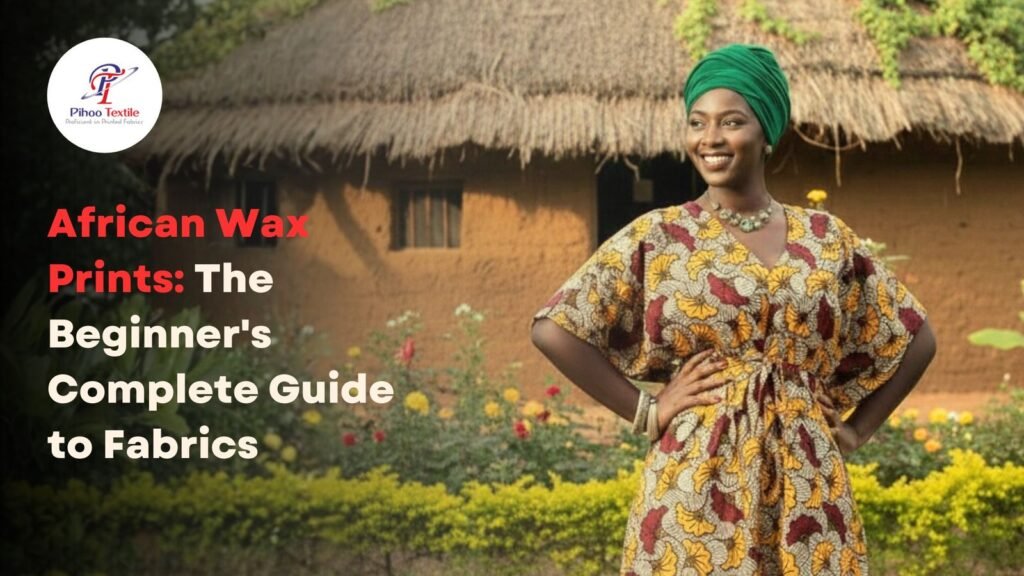
Textile buyers entering the African print market face immediate confusion. Terms like “Ankara,” “Dutch wax,” “Hollandais,” and “Java print” get used interchangeably, making it difficult to distinguish genuine wax prints from cheaper imitations. Price variations span from $3 to $25 per yard for fabrics that look similar to untrained eyes, yet perform drastically differently after washing and wearing. This guide eliminates that confusion. African wax prints represent a specific production technique—not a pattern style or geographic origin—that creates durable, double-sided printed cotton with distinctive characteristics. Understanding these technical differences protects buyers from costly purchasing mistakes and opens access to a textile category with proven market demand across fashion, home décor, and craft applications. This piece breaks down production methods, quality verification steps, fabric grades, practical uses, and purchasing considerations that matter for commercial buyers and designers working with African wax prints for the first time. What African Wax Print Fabric Actually Means? African wax print refers to a production method, not a design aesthetic. The term describes cotton fabric printed using wax-resist dyeing techniques adapted from Indonesian batik. Hot wax or resin gets applied to fabric, creating barriers that control dye absorption during multiple immersion cycles. This process produces fabric with color penetration on both sides—a defining characteristic that separates genuine wax prints from surface-printed imitations. The name “African” reflects adoption rather than origin. West African consumers, particularly in Ghana and Nigeria, embraced these textiles so thoroughly that they became cultural identifiers despite being initially produced in Europe and Asia. History and Cultural Evolution African wax prints emerged from failed European textile exports. In the 19th century, Dutch manufacturers industrialized Indonesian batik production methods to supply colonial markets. When Indonesian consumers rejected machine-made versions as inferior to handmade batik, Dutch traders redirected inventory to West Africa. Gold Coast (now Ghana) consumers adopted the fabrics enthusiastically, transforming them into essential cultural textiles. By the mid-20th century, African markets drove production decisions. Manufacturers began creating patterns specifically for West African tastes, incorporating symbolic motifs, commemorative designs, and visual narratives that resonated locally. Today’s patterns often carry names and meanings developed entirely within African communities rather than European design studios. Production Techniques That Create Quality Differences Genuine wax print production involves multiple technical steps that create its distinctive properties. The Wax-Resist Process Wax or resin gets applied to white cotton fabric in precise patterns  Fabric undergoes first dye bath; waxed areas resist color absorption  Additional wax layers get applied for multi-color designs  Repeated dyeing builds color complexity  Wax removal reveals the final pattern with characteristic “crackle” lines where dye seeped through wax cracks  This method produces fabric printed equally on both sides—a quality indicator impossible to replicate with standard surface printing. Industrial Adaptations Modern production uses resin instead of natural wax for consistency and speed, but maintains the resist-dyeing principle. Advanced facilities achieve vibrant colors and pattern registration that surpass historical quality while reducing production time from weeks to days. Key Quality Indicators for Buyers Distinguishing genuine wax prints from imitations requires checking specific physical characteristics. Visual inspection reveals critical differences. Authentic wax prints show equal color intensity on both fabric sides, while imitations display faded reverse sides. The “crackle” effect—fine irregular lines throughout the pattern—indicates genuine wax-resist production; machine prints lack this texture. Physical Tests Perform these checks before committing to bulk orders: Hand feel: Genuine wax prints have slight stiffness from resin residue; overly soft fabric suggests standard printing  Selvedge markings: Quality producers stamp technical information along fabric edges  Batch consistency: Authentic wax prints show minor color variations between production runs—a characteristic of the dyeing process  The contrarian insight? Perfect consistency across batches actually signals lower-quality production, not higher. Wax-resist dyeing creates natural variation that manufacturers have learned to control rather than eliminate. Fabric Grades and Market Categories The wax print market segments into quality tiers with distinct characteristics and price points. Premium grades use 100% cotton with higher thread counts (typically 200+ gsm) and undergo more dye cycles for richer colors. These fabrics maintain vibrancy through 50+ washes. Mid-tier options balance quality and cost, using fewer dye cycles but maintaining double-sided printing. Economy grades often substitute standard printing for wax-resist methods despite using similar pattern aesthetics. Terms like “super wax,” “java,” and “hollandais” reference production quality rather than pattern types, though definitions vary between manufacturers. Practical Applications Across Categories African wax prints adapt to diverse end uses beyond traditional garments. Fashion applications include structured dresses, tailored blazers, flowing skirts, statement accessories, and headwraps. The fabric’s body and weight make it suitable for garments requiring structure without lining. Home décor uses span throw pillows, table runners, upholstery accents, and quilting projects. Buyers report that wax prints’ bold patterns reduce inventory risk—distinctive designs attract immediate attention rather than blending into neutral-dominated markets. Care and Longevity Proper maintenance extends fabric life significantly. Wash wax prints in cold water separately during first few cycles to remove excess dye and resin. Avoid harsh detergents that strip color. Line drying preserves vibrancy better than machine drying. Iron on medium heat while slightly damp for best results. Quality wax prints soften with washing while maintaining color intensity—a performance indicator that separates genuine production from imitations that fade rapidly. Sourcing Considerations for Commercial Buyers Wholesale wax print sourcing requires evaluating suppliers across quality, consistency, and minimum order terms. Request samples before bulk orders, testing for double-sided color strength, fabric weight, and pattern registration. Verify production methods—genuine wax-resist versus standard printing—through physical inspection. Establish reorder protocols since exact color matching between production runs proves difficult with authentic wax techniques. Conclusion African wax prints offer commercial textile buyers a product category with strong market recognition, cultural authenticity, and technical quality markers that justify premium pricing. Understanding production methods and quality indicators prevents costly purchasing mistakes while opening access to textiles with proven consumer appeal. Pihoo Textile manufactures premium African Real Wax Print fabrics at our Jetpur facility using authentic wax-resist printing techniques on 100% cotton base materials. Our production combines traditional aesthetics with modern quality controls, delivering vibrant, double-sided

African Wax & Kente Kaftans: Shaping Modern Resortwear
African Wax Prints

African Wax & Kente Kaftans: Shaping Modern Resortwear

Resortwear struggles with a fundamental tension: you need pieces that look polished enough for dinner but breathable enough for tropical heat. Most resort collections solve this by offering thin, forgettable fabrics with generic prints that fade after two washes. They prioritize convenience over character. African Wax and Kente kaftans eliminate this compromise. These loose-fitting garments combine authentic textile craftsmanship with the exact silhouette resort environments demand—flowing, ventilated, and visually striking. The wax-resist dyeing process and handwoven Kente strips create fabrics that maintain color intensity through sun exposure, saltwater, and repeated wear. This guide covers fabric characteristics that make these kaftans resort-ready, design elements that distinguish quality pieces, styling approaches for different vacation settings, and care practices that extend garment life. You’ll understand why these specific textiles outperform standard resort options and how to identify authentic construction. Understanding African Wax and Kente Fabrics African Wax Print Characteristics African Wax prints use a wax-resist dyeing method that creates layered, vibrant patterns with natural “ice crack” lines where wax fractures during production. The process embeds dye deep into 100% cotton fibers, producing colorfastness that withstands tropical conditions better than surface-printed fabrics. The cotton base breathes exceptionally well—critical for hot, humid resort climates. Unlike synthetic blends that trap heat and moisture, wax print cotton allows air circulation while maintaining structure. The fabric weight provides enough substance to drape elegantly without clinging to skin in humidity. Kente Cloth Properties Kente consists of handwoven silk and cotton strips sewn edge-to-edge to create wider fabric panels. The silk adds sheen and enhanced color vibrancy while cotton provides breathability. Each color carries symbolic meaning—gold for wealth, green for renewal, blue for peace. The tight weave creates durable fabric that resists tears and maintains shape through wear. Kente’s geometric patterns result from intricate weaving techniques passed through generations, not printed designs that can fade or peel. This construction method produces textiles that improve with age rather than deteriorate. Why Kaftans Work as Resortwear The kaftan silhouette emerged from North African and Middle Eastern cultures specifically for hot climates. Its loose fit creates space between fabric and skin, allowing air to circulate and cool the body naturally. Wide sleeves catch breezes that conventional fitted garments block. Here’s the uncomfortable truth about tight resortwear: form-fitting swimsuit cover-ups and bodycon dresses trap heat against your skin, making you sweat more in environments already designed to overheat you. Kaftans solve this through strategic looseness. Floor-length and midi kaftans provide sun protection across more body surface area than shorts and tank tops while remaining cooler due to airflow. Beach environments expose skin to reflected UV radiation from sand and water—coverage matters more at resorts than most buyers realize. The garment transitions from beach to restaurant without requiring complete outfit changes. Add a belt, swap sandals for wedges, and the same kaftan that covered your swimsuit now functions as evening wear. Styling for Different Resort Settings Beach and Pool Environments Wear kaftans directly over swimwear as sophisticated cover-ups. The loose drape conceals without clinging when wet. Choose shorter lengths (knee to mid-calf) for easier movement on sand and around water. Pair with flat sandals, oversized sunglasses, and a wide-brim hat. Keep jewelry minimal—salt water and chlorine damage metals and stones. A simple beach bag and waterproof sunscreen complete the practical elements. Sheer or lightweight wax print kaftans work best poolside. They dry quickly and won’t stick to damp skin when you’re moving between water and lounge chairs. Evening Resort Wear Transform the same kaftan for dinner by adding a statement belt at the natural waist to create definition against the loose silhouette. This single accessory shifts the garment from casual cover-up to intentional evening piece. Switch to heeled sandals or wedges for height. Add bold jewelry—chunky bracelets, large earrings, or layered necklaces in gold or natural stones. The kaftan’s bold patterns pair well with substantial accessories rather than delicate pieces that get lost visually. Kente kaftans particularly suit evening settings due to their silk content and intricate patterns. The fabric catches light differently than matte wax prints, creating visual interest in dim restaurant and lounge lighting. Day Excursions For shopping, sightseeing, or boat tours, midi-length kaftans offer mobility while maintaining coverage. Pair with comfortable walking sandals or espadrilles. Add a crossbody bag to keep hands free. Layer lightweight cardigans or denim jackets if indoor air conditioning runs cold. The kaftan’s loose fit accommodates layers without bunching or restricting movement. Neutral-colored layers let the kaftan’s patterns remain the outfit’s focal point. Identifying Quality Construction Authentic African Wax kaftans use fabric where patterns appear equally vibrant on both sides. Check this by flipping the garment inside out—if colors look faded on the reverse, the print sits only on the surface rather than penetrating the cotton fibers. Kente kaftans should show visible strip lines where woven sections join together. These seams indicate genuine handwoven construction. Machine-printed “Kente-style” fabrics lack these structural details and won’t have the same durability. Examine stitching along hems, seams, and necklines. Quality kaftans feature reinforced stitching that prevents unraveling. Loose threads, puckered seams, or uneven hemlines indicate rushed construction that won’t survive multiple wears and washes. Check the selvedge if visible—authentic manufacturers stamp their marks along fabric edges. This verifies origin and production standards. Care and Longevity Hand wash kaftans in cold water with mild detergent to preserve colors and fabric integrity. Hot water and harsh chemicals break down natural fibers and fade dyes faster. Air dry away from direct sunlight to prevent UV damage to colors. Iron inside out on low heat settings. High temperatures can damage silk threads in Kente fabric or melt any synthetic embellishments. Proper ironing maintains crisp appearance without compromising material quality. Store folded rather than hung to prevent stretching at shoulders and necklines. Keep in cool, dry spaces away from moisture that encourages mildew growth in natural fibers. Conclusion African Wax and Kente kaftans deliver what generic resortwear promises but rarely provides—breathable comfort, visual impact, and durability through vacation conditions. Choose authentic wax-resist or handwoven fabrics, understand

Kente Cloth: Symbolism, Style, and Modern Ways to Wear
African Wax Prints

Kente Cloth: Symbolism, Style, and Modern Ways to Wear

Most people see Kente and think of “colorful African fabric.” They miss the deeper truth. Each color carries meaning, every pattern tells a story, and the cloth itself represents hundreds of years of cultural significance woven into silk and cotton. Kente originated with the Asante people of Ghana, inspired by a spider’s web according to legend. What started as royal-only cloth now appears in graduation ceremonies, fashion runways, and wardrobes worldwide. But here’s what surprises most buyers: over 350 distinct patterns exist, each named and symbolically loaded with proverbs, historical events, or social values. This guide breaks down Kente’s color symbolism, traditional significance, and practical modern styling approaches. You’ll learn what authentic Kente looks like, how to wear it without cultural missteps, and why certain colors matter more than others. Understanding Kente Color Symbolism Core Color Meanings Black holds the most significance in Kente weaving. It represents spiritual strength, maturity, and intensified spiritual energy. Every authentic Kente piece incorporates black as a foundational element. Gold or yellow signals wealth, royalty, and status. The silk fibers traditionally used in Kente hold these dyes particularly well, creating the vibrant shine associated with high-quality cloth. Red symbolizes blood, political passion, and spiritual strength. Green means growth, harvest, and renewal. Blue stands for peace, love, and harmony. Secondary Symbolic Colors White represents purity, cleansing rites, and festive occasions. Purple or maroon connects to Mother Earth, healing, and protection from evil. These colors combine in patterns that communicate specific messages about the wearer’s values, clan affiliation, or social standing. The interplay between colors creates narrative depth. A cloth heavy in gold and black signals different intentions than one dominated by blue and green. Traditional Significance and Heritage Kente began as exclusive royal fabric worn only by Asante kings, queens, and high-status figures during sacred ceremonies. The cloth’s use carried strict social protocols. Commoners couldn’t wear certain patterns reserved for royalty. Pattern names reflect this heritage. “Adwinasa” literally means “all motifs are used up”—a cloth so complex it exhausted every known weaving technique to please the Asantehene. It symbolizes royalty, creative ingenuity, and superior craftsmanship. “Obaakofo Mmu Man” translates to “one person does not rule a nation.” This pattern celebrates participatory democracy and warns against autocratic rule through its design. Here’s the uncomfortable truth: many wearers don’t know what their chosen patterns communicate. The weaving process itself requires mastery. Artisans work on narrow horizontal looms, creating strips about four inches wide that get sewn together edge to edge. Each strip demonstrates technical skill passed down through generations. Traditional Ways to Wear Kente Men traditionally drape Kente over one shoulder in a toga-like style that emphasizes the intricate patterns and color work. This method showcases the full design while allowing movement. Women wear Kente as complete outfits—blouses paired with wrap-around skirts. Some styles involve wrapping the cloth around the body in specific configurations that signal social status or occasion. These traditional methods respect the cloth’s origins and highlight the artistry involved in its creation. The draping techniques evolved over centuries to maximize visual impact. Modern Styling Approaches Tailored Contemporary Pieces Kente adapts well to modern tailoring. Designers cut the fabric into jackets, dresses, trousers, and sweaters that blend African heritage with current fashion trends. A Kente blazer paired with neutral trousers creates professional wear with cultural weight. The key to wearing tailored Kente pieces: balance the bold patterns with solid colors. A Kente dress works best with minimal accessories in neutral tones. Accessories That Work Kente accessories offer entry points for those hesitant about full garments. Scarves, bags, ties, bow ties, and shoes incorporate the fabric without overwhelming an outfit. A Kente clutch adds cultural flair to formal events. Kente-patterned earrings or necklaces transform simple outfits into statement looks. Shoes with Kente patterns—sandals, trainers, heels—bridge traditional and modern fashion effectively. They work for both casual and semi-formal settings. Men gain sophistication through Kente ties and bow ties paired with crisp shirts and tailored blazers. This approach introduces cultural elements into professional environments. Styling Tips for Everyday Wear Pair Kente accessories with monochrome outfits to let the patterns dominate. A white jumpsuit with a Kente belt creates striking visual contrast. Use Kente scarves as belts or tie them around handbag handles for subtle cultural nods. For casual looks, Kente flats or trainers with jeans and plain tops provide relaxed yet intentional style. The fabric’s vibrancy stands out best against neutral backgrounds. Identifying Authentic Kente Authentic Kente uses silk and cotton fibers woven on traditional looms. Silk gives the cloth its characteristic sheen and vibrant coloration. Cotton makes it more comfortable and accessible. Check for hand-woven strips sewn together—this indicates traditional production methods. Mass-produced prints lack the texture and depth of genuine woven Kente. The fabric should feel substantial, not thin or synthetic. Look for named patterns with documented meanings. Over 350 authentic patterns exist, each carrying specific symbolism. Vendors selling genuine Kente should know their patterns’ names and significance. Cultural Considerations Kente carries deep cultural meaning beyond fashion. Each design represents virtues, proverbs, or significant historical events. Wearing Kente without understanding its symbolism treats complex cultural heritage as decoration. In the African diaspora, Kente represents connection to roots and overcoming struggle. Academic institutions incorporate Kente stoles into graduation ceremonies, signifying accomplishment and cultural pride. Respect the cloth by learning what your chosen patterns communicate. This knowledge enriches your wearing experience and honors the artisans who create it. Conclusion Kente offers more than visual appeal. The colors convey specific meanings, patterns tell stories, and wearing it connects you to centuries of cultural heritage. Choose authentic woven cloth, learn your pattern’s significance, and style it with intention. Pihoo Textile supplies authentic Kente cloth with traditional weaving techniques and documented pattern meanings. Our collection includes both ceremonial and contemporary designs suitable for modern styling. Visit pihootextile.com to explore genuine Kente fabrics, request pattern information, or place custom orders. Wear cloth that carries real cultural weight and craftsmanship.

What is Real Wax Prints 101? Spotting Authentic Fabrics
African Wax Prints

What is Real Wax Prints 101? Spotting Authentic Fabrics

Most fabric buyers think all wax prints are created equal. They’re not. The market floods with counterfeits that fade after three washes, feel stiff as cardboard, and carry blurry patterns that betray their inauthenticity the moment you hold them up to light. Real wax prints stand apart. They carry weight, history, and a production method that dates back centuries yet adapts to modern machinery. This guide walks you through what makes authentic wax fabric authentic, how to spot the difference between genuine and fake, and why that difference matters when you’re putting your money down. We’ll cover what real wax prints are, the telltale signs of authenticity, common counterfeit red flags, and how to make smart buying decisions. By the end, you’ll know exactly what to look for when you’re standing in front of a fabric vendor. What Are Real Wax Prints? Real wax prints use a wax-resist dyeing process rooted in Indonesian batik techniques. Dutch colonizers adapted the method, mechanized it, and introduced it to West Africa, where it became a cultural staple. The fabric passes through multiple dye baths with wax applied between each stage to create intricate, multi-colored patterns. Modern production maintains this tradition but uses machines to apply wax with precision. The result is 100% cotton fabric with designs that show depth, vibrancy, and those signature “ice cracks”—fine lines where wax naturally fractures during the dyeing process. These cracks aren’t flaws. They’re proof of authenticity. The fabric feels soft, flexible, and substantial in your hand. It doesn’t crinkle like paper or feel synthetic. This tactile quality separates real wax from the imitations flooding online marketplaces. How to Identify Authentic Wax Prints? Check the Fabric Composition Authentic wax prints use 100% high-quality cotton. The fabric should feel smooth, breathable, and slightly heavy. If it feels stiff, synthetic, or unnaturally light, walk away. Run your fingers across the surface. Real wax fabric has a subtle texture that speaks to its cotton base and the layers of wax and dye. Counterfeits often use cotton blends or polyester that feel slick or papery. Examine Print Quality Look at the pattern closely. Authentic wax prints show crisp lines, vibrant colors, and intricate details that hold up under scrutiny. The design should look identical on both sides of the fabric, with equal color saturation. Check for ice cracks. These thin, irregular lines run through the design where wax fractured during production. Counterfeits lack this feature because they skip the wax-resist process entirely and use direct printing instead. Inspect the Selvedge The selvedge—the finished edge running along both sides—carries manufacturer marks, design codes, and sometimes the fabric name. Authentic producers stamp this information along the edge. Missing or poorly printed selvedge details signal a counterfeit. If the edge looks raw, unstamped, or shows inconsistent printing, you’re looking at a fake. Consider the Price Real wax prints cost more than standard cotton because the production process demands time, skill, and quality materials. If a seller offers prices far below market average, that’s a red flag. Cheap fabric means cheap shortcuts. Counterfeiters use inferior cotton, skip the wax process, and mass-produce direct prints that mimic the look without the substance. Common Counterfeit Warning Signs Blurry patterns give fakes away immediately. The colors bleed into each other, lines lose definition, and the design looks flat rather than layered. Real wax prints maintain clarity even in the most complex patterns. Uneven color distribution across the fabric surface indicates poor dye application. Authentic wax prints show consistent color intensity throughout. Fading or discoloration after one wash confirms you bought a counterfeit. Harsh, stiff fabric texture means synthetic materials or low-grade cotton. Real wax prints soften with each wash while maintaining their structural integrity. Why Authenticity Matters Real wax prints last years, not months. The wax-resist process embeds dye deep into the cotton fibers, creating colorfastness that survives countless washes. Counterfeits fade, fray, and lose their appeal within weeks. The cultural weight matters too. Authentic wax prints carry design heritage, symbolic meanings, and artistic traditions passed down through generations. Wearing real wax fabric means participating in that legacy. Quality affects your final product. If you’re making garments, bags, or home goods, authentic fabric ensures your work reflects craftsmanship rather than compromise. Making Smart Purchases Buy from established suppliers with verifiable credentials. Check reviews, ask for fabric samples, and verify selvedge stamps before committing to bulk orders. Request close-up photos if buying online. Zoom in on the pattern, check for ice cracks, and examine the selvedge details. Legitimate sellers provide these without hesitation. Touch the fabric in person when possible. No photo captures texture the way your hands can. If you’re investing in quantity, that tactile verification saves you from costly mistakes. Conclusion Spotting authentic wax prints comes down to knowing what to look for: 100% cotton composition, crisp patterns with ice cracks, proper selvedge stamps, and realistic pricing. Counterfeits reveal themselves through stiff texture, blurry designs, and missing manufacturer details. Pihoo Textile supplies authentic wax prints with verified quality standards and traditional production methods. Our fabrics carry the weight, texture, and vibrancy that define real wax prints. Visit pihootextile.com to explore our collection, request samples, or place your order. Get fabric that lasts and carries the heritage it promises.

What Are Wax Print Fabrics? History, Types & Uses
African Wax Prints

What Are Wax Print Fabrics? History, Types & Uses

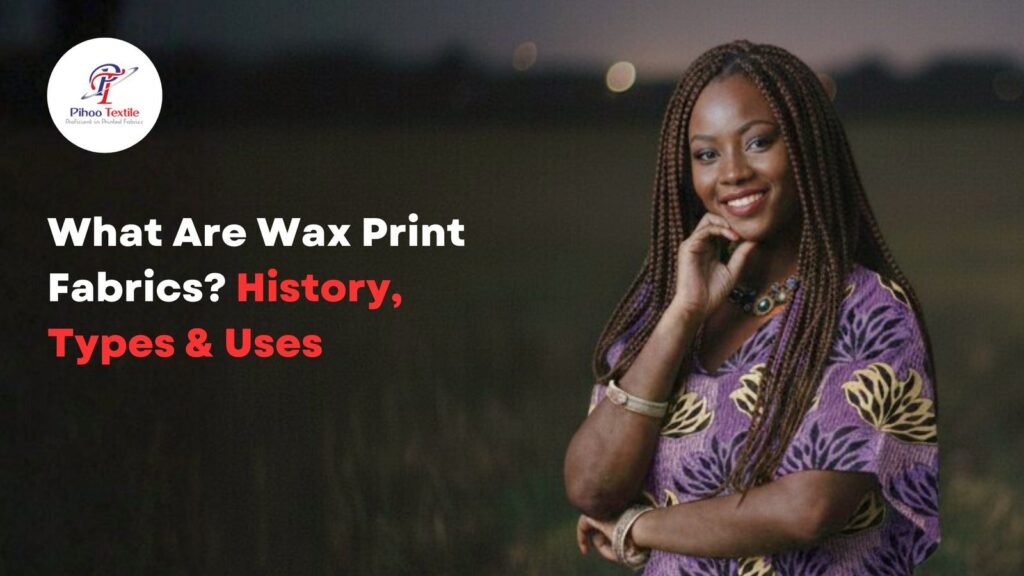
Introduction Most people think wax print fabrics originated in Africa. They did not. These vibrant textiles with characteristic crackle patterns were rejected by their intended Indonesian market in the 1850s, only to become synonymous with African identity decades later. The irony runs deeper: over 100 million yards of “African” fabric sold annually in Ghana alone now comes from low-cost Asian imports, not authentic sources. Understanding what separates genuine wax prints from mass-produced imitations matters for designers, fashion enthusiasts, and home décor creators who need fabrics that maintain their vibrancy and structural integrity.  This guide explains wax print origins, production methods, quality categories, and practical applications. Historical Origins of Wax Print Fabrics The Indonesian Batik Connection Wax print technology began as a Dutch attempt to mechanize Indonesian batik during colonial expansion. By the 1850s, textile factory owners received batik samples and developed machines to imitate the wax-resist dyeing process at industrial scale. Jean Baptiste Theodore Prévinaire modified a mechanical block-printing machine in 1854 to apply resin on both fabric sides, replacing hand-applied wax. Other manufacturers used roller printing technology from Scotland. Market Rejection and Redirection The mechanized fabrics failed in Indonesia because they lacked the distinctive wax smell of authentic batik. Starting in the 1880s, Dutch and Scottish trading vessels introduced these rejected textiles to West African ports. The Belanda Hitam, West Africans recruited to serve in Dutch colonial armies in Indonesia between 1831 and 1872, may have provided the initial market when they retired to Elmina in modern Ghana. African Adoption and Cultural Integration West African communities embraced the fabrics immediately. Women transformed wax prints into a communication system where specific patterns conveyed widely understood messages. By the mid-20th century, patterns became African-inspired rather than Indonesian-influenced, and African-owned production facilities emerged. The textiles achieved status as formal wear for leaders and wealthy populations. Cultural Significance Beyond Fabric Wax prints function as nonverbal communication tools among African women, carrying messages into public spaces. Patterns receive names based on personalities, cities, buildings, sayings, or special occasions. The fabrics represent capital goods for African women, retained based on perceived market value rather than just aesthetic appeal. Different colors and motifs hold specific meanings across various African cultures, connecting wearers to heritage and tradition. Sub-Saharan Africa recorded annual wax print sales of 2.1 billion yards in 2016, with production costs of $2.6 billion and retail value reaching $4 billion. This economic scale demonstrates how deeply embedded these textiles are in African commerce and daily life. Types and Quality Categories Real Wax Prints Authentic wax prints use a resin application process on both fabric sides before dye immersion. The resin repels dye in covered areas, and the process repeats for each color in the design. Cloth is boiled afterward to remove resin, which gets reused. Real wax prints display identical color intensity on front and back sides. The characteristic “crackle” effect appears when resin develops small cracks during processing, allowing dye to penetrate in fine lines. This cracking creates the duo-color bubbling print effect that marks high-quality super wax fabrics. Authentic pieces are made from dense, fine cotton and cost more than alternatives due to lengthy production stages. Fancy Prints and Imitations Fancy fabrics are industrially produced imitations created through standard printing procedures rather than wax-resist methods. Also called imiwax, Java print, roller print, or le fancy, these versions print on one side only and feature more intense, richer colors than real wax prints. Production uses engraved metal rollers or rotary screen-printing processes. Fancy prints cost significantly less, making wax-style fabrics accessible to consumers who cannot afford European imports. Manufacturers often mimic existing wax print designs but take more risks with experimental patterns due to lower production costs. Common Patterns and Design Elements Geometric and Natural Motifs Design vocabulary includes geometric shapes like squares, triangles, and stripes combined with natural forms such as leaves, flowers, and animals. Bold, saturated colors dominate the palette, from fiery reds and yellows to deep blues and emerald greens. Each design reflects the continent’s diverse aesthetic preferences. Named Patterns with Cultural Meaning Producers print the manufacturer name, product designation, and design registration number on the selvage edge. This protects designs and attests to fabric quality. Some patterns achieve iconic status and are named after specific events, leaders, or cultural sayings. Uses of Wax Print Fabrics Traditional and Contemporary Fashion Wax prints traditionally create clothing for celebrations, weddings, funerals, religious ceremonies, and cultural festivals. Modern applications extend to everyday wear, formal attire, and sportswear including dresses, shirts, pants, jackets, and accessories. Fabrics are sold in 12-yard full pieces or 6-yard half pieces. Designers worldwide now incorporate African prints into collections, blending traditional patterns with contemporary silhouettes. This fusion increases global visibility while raising questions about cultural appropriation versus appreciation. Home Décor Applications Wax prints add cultural vibrancy to interior spaces through cushion covers, throws, tablecloths, curtains, and upholstery. The fabrics work best as accent pieces combined with neutral colors like white, beige, or black to balance visual intensity. The characteristic waxed appearance on both sides provides water resistance suitable for functional home items. Craft and Accessory Projects DIY enthusiasts use wax prints for bags, jewelry pouches, headbands, scarves, and bow ties. The fabric’s natural stiffness provides structure without additional interfacing. Online tutorials and workshops teach techniques for incorporating these versatile materials into custom projects. How to Identify Authentic Wax Print Fabric Check for identical color intensity on both fabric sides, a hallmark of genuine wax-resist production. Authentic pieces feel heavier and denser than standard cotton prints due to quality materials and processing. Look for manufacturer information printed on the selvage edge. Real wax prints display the characteristic crackle pattern throughout the design. Fancy prints lack this feature and show color only on one surface. Test colorfastness by dampening a white cloth piece and ironing it against the wax print until both dry. Color transfer indicates poor quality that will bleed during washing. Maintaining and Caring for Wax Print Fabrics Washing Guidelines Wash wax prints separately using mild detergent at temperatures

Shop African Wax Prints Online: Elevate Your Style
African Wax Prints

Shop African Wax Prints Online: Elevate Your Style

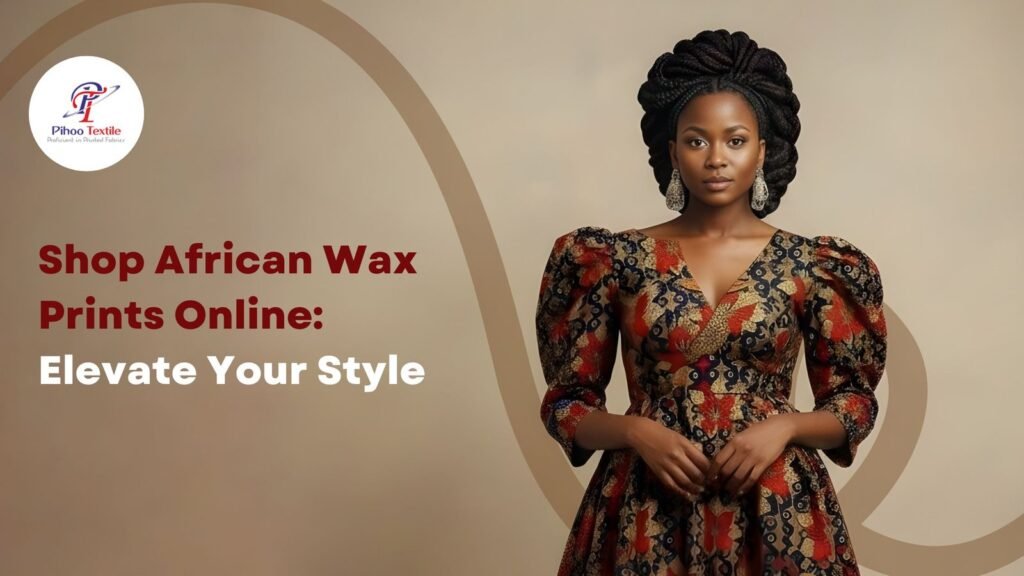
In an age where fashion is a canvas for personal expression, African wax prints offer style aficionados an opportunity to stand out—and tell a vivid story. Their explosion of color, timeless symbolism, and adaptability make them one of the most sought-after textiles in the global market. With online shopping more convenient and trusted than ever, discovering and owning these cultural treasures is just a click away. Let Pihoo Textiles guide you through the world of African wax prints, their meaning, and the best ways to integrate them into your life. What Makes African Wax Prints Unique? African wax prints—also known as Ankara or Dutch wax—trace their roots to the 19th century, first introduced to West Africa by Dutch traders. Originally inspired by Indonesian batik, these fabrics soon evolved with local motifs, bright palettes, and powerful symbolism to become a core staple of African identity. Vibrant Colors & Symbolism: Each pattern isn’t just beautiful — it’s meaningful. Symbols often stand for unity, fertility, strength, or important cultural stories. Artisan Craftsmanship: Genuine African wax prints are produced by printing wax onto 100% cotton, resulting in double-sided, color-rich fabric. Durability: With high colorfastness and resilience, these fabrics are perfect for everyday wear and festive occasions alike. The Cultural Significance of African Wax Prints African wax prints are far more than textiles; they’re social language. Each motif may record: Community Events: Some patterns celebrate life’s milestones—marriage, childbirth, or festivals. Tribal Heritage: Certain prints belong to specific tribes or communities, woven into ceremonies and identity. Storytelling: Patterns can depict proverbs, wise sayings, or even current events, making these fabrics a fascinating visual diary of African life. Contemporary Impact: Where Heritage Meets Modern Fashion The beauty of African wax prints lies in their versatility. World-class designers are now blending traditional motifs with contemporary aesthetics, seen in everything from Paris runways to New York street style. Runway Features: Top designers have incorporated Ankara into haute couture, merging tradition and trend. Celebrity Endorsement: From Beyoncé to Lupita Nyong’o, A-listers have flaunted wax prints in magazines and movies, cementing their global allure. Creative Ways to Incorporate African Wax Prints Into Your Wardrobe Statement Pieces to Steal the Show Maxi Dresses: Flowing, bold, and elegant, a wax print maxi dress turns heads at summer soirées and beach getaways. A-Line Skirts: Pair with a crisp white blouse for a harmonious blend of tradition and trend. Dapper Menswear: Shirts, tailored jackets, and even trousers in eye-catching prints make memorable statements. The Art of Layering Layering lets you introduce wax prints into daily wear without going overboard. Blazers & Jackets: Throw a vibrant Ankara blazer over a monochrome pantsuit for a pop of personality. Scarves & Shawls: Add flair to winter coats or summer dresses by wrapping a colorful wax print scarf. Accessorize with African Prints Handbags & Shoes: Durable cotton and stunning colors make African wax ideal for standout accessories. Headwraps: Practical and stylish, a wax print headwrap has both cultural meaning and universal chic. Transforming Your Space: Wax Prints in Home Decor African wax prints aren’t confined to wardrobes. Bring their beauty home: Pillows & Upholstery: Add vibrancy to couches and chairs. Curtains: Floor-length Ankara curtains become instant focal points. Table Linens: Brighten up gatherings with wax-print tablecloths and napkins. Where to Buy Authentic African Wax Prints Online Today’s digital marketplace offers unparalleled access to authentic African wax prints. As you shop, consider these key points for a satisfying purchase: Pihoo Textiles Online Shop: Specializing in original, high-quality wax prints, Pihoo Textiles provides a curated collection for fashionistas and designers worldwide. Product Selection: Choose from a wide range, including traditional motifs, modern patterns, and limited-edition collaborations with African artisans. Customization & Bulk Orders: Whether you’re a creative hobbyist or a designer sourcing for a fashion label, Pihoo Textiles supports custom and wholesale orders to meet your specific needs. Trusted Payment and Shipping: Look for platforms offering secure payments, transparent policies, and global shipping options. Tips for Identifying Genuine African Wax Prints Online With popularity comes imitation. Here’s how to spot the real deal: Material: Authentic wax prints use 100% cotton. Color Impressions: Both sides of the fabric should have equally vibrant colors. Seller Reputation: Verified sellers and customer reviews are crucial. Pihoo Textiles is renowned for quality and transparency. Storytelling: Genuine brands educate buyers about the patterns’ meanings and histories. Style Inspiration: Trending African Wax Print Ensembles Power Suits: Modern Ankara suits with matching pants and blazers are a favorite at summer weddings and art events. Festival Fashion: Fringe dresses and coordinated separates bring color to any festival or outdoor market. Family Outfits: Coordinated family sets in matching wedding prints are a long-standing African tradition, now celebrated globally. Why Shop African Wax Prints with Pihoo Textiles? Authenticity: Pihoo Textiles sources directly from skilled producers, ensuring every print is the real thing. Sustainability: By supporting fair-trade artisans and eco-friendly processes, each yard makes a positive impact. Choice: A constantly updated collection means something for every personal taste, occasion, or project. Final Thoughts: Express Your Identity with Every Print African wax prints offer a unique journey: every fabric is rich with history, vibrant with artistry, and bold with possibility. When you shop online with trusted brands like Pihoo Textiles, you don’t just buy fabric — you welcome an entire culture, support global artisans, and discover endless possibilities for creative self-expression. Explore the Pihoo Textiles collection today and let your style tell a beautiful, global story.

Scroll to Top