Pihoo Textile is an Exporter of Fabrics in whole African countries and also supplies to exporters and local market. Our Printing quality is suitable for African culture.
© 2026 Created by IndiaFinds

Kente Cloth

Kente Cloth

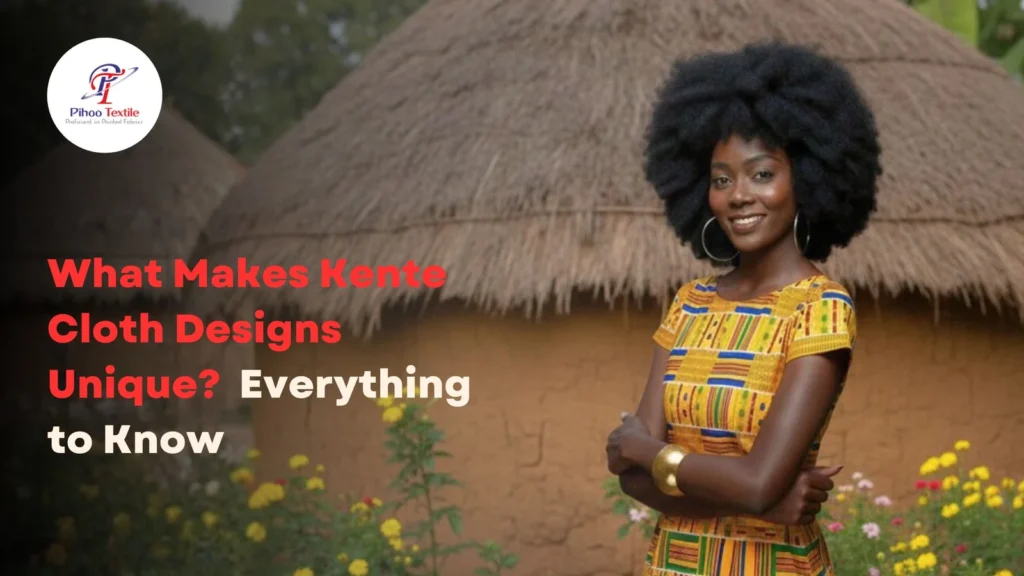
What Makes Kente Cloth Designs Unique? Everything to Know

Designers sourcing African fabrics frequently confuse Kente with generic “African print.” The two have almost nothing in common. Kente is a handwoven textile from Ghana’s Ashanti Kingdom with a precise symbolic language embedded in every color choice, geometric shape, and pattern name. Generic African prints are surface-printed cotton. Treating them as interchangeable misrepresents Kente’s cultural complexity and leads to sourcing decisions that disappoint customers expecting authenticity. The contrarian reality? UNESCO’s 2023 inscription of Kente weaving on its Intangible Cultural Heritage list didn’t slow commercial demand for printed Kente—it accelerated it. Fashion brands, designers, and retailers now face sharper questions about what makes Kente designs culturally valid versus decorative imitation. This piece answers those questions directly, covering Kente’s origins, weaving techniques, color symbolism, pattern vocabulary, regional variations, and what separates authentic designs from surface-level replicas. Every section connects directly to what fabric buyers need to know. History and Origins Kente production began in Bonwire village in Ghana’s Ashanti region, where legend credits two brothers who observed a spider weaving a web and replicated the structure on a loom. Early Kente used raffia palm fiber before weavers transitioned to imported silk and locally grown cotton. The fabric carried strict access rules—only Ashanti royalty and elite figures wore specific patterns, and unauthorized use carried serious social consequences. This exclusivity shaped Kente’s design development. Patterns multiplied as different royal houses commissioned unique combinations, creating a visual library tied to lineage and status.​ Traditional Weaving Techniques Kente production operates through a narrow-strip loom system producing strips roughly 4 inches wide. Each strip combines two distinct weaving modes. Plain weave sections create the fabric’s structural base. Design weave sections introduce pattern complexity by manipulating warp and weft threads independently. Weavers plan the full cloth before starting—strip sequences must align precisely when sewn together to form the complete design.​ Production Timeline A single experienced weaver produces approximately one narrow strip per day for complex patterns. A complete cloth requiring 24 strips takes three to four weeks. This labor intensity directly explains why authentic handwoven Kente commands premium pricing—the time investment is verifiable and irreducible.​ Color Symbolism Kente’s color choices follow an established symbolic system that weavers and wearers apply intentionally. Gold/yellow: royalty, wealth, and spiritual purity Red: passion, sacrifice, and political energy Green: growth, renewal, and agricultural prosperity Blue: peace, harmony, and love White: purity, purification, and festivity Purple: associated with feminine energy and healing Black: maturation, aging, and spiritual intensity The contrarian insight? Color combinations carry more meaning than individual colors alone. A cloth dominated by gold and green communicates something entirely different from the same colors in reverse proportion. Buyers selecting Kente for specific occasions need this combination logic, not just individual color meanings.​ Pattern Names and Meanings Each Kente pattern holds a specific name in Akan language, with meanings tied to proverbs, historical events, or philosophical concepts. Adwinasa: “all motifs are exhausted”—represents completeness and mastery​ Nyankonton: “rainbow”—symbolizes beauty and divine mystery​ Nkyimkyim: zigzag pattern representing adaptability and life’s changing path​ Ohene Anewa: “king’s eyes”—associated with leadership and observation​ Fatene: linked to determination and forward movement​ These names aren’t decorative labels—they’re the fabric’s actual content. When someone wears Adwinasa at a ceremony, they’re making a specific statement about completeness. Geometric Motifs Explained Kente’s geometric vocabulary assigns meaning to basic shapes consistently across designs.​ Triangle: represents the life cycle and transition Circle: eternity and royal continuity Diamond: dual nature of leadership (strength and wisdom) Cross: intersection of life paths and spiritual balance Stool shape: authority and ancestral connection​ These motifs appear across hundreds of named patterns in varying configurations. The same triangle carries the same meaning whether it appears in a strip woven in Bonwire or printed on cotton for commercial fashion. Regional Variations: Ashanti vs Ewe Two distinct Kente traditions produce visually different results. Ashanti Kente uses silk thread, produces brighter colors, and employs more complex geometric arrangements reflecting royal patronage history. Ewe Kente from Ghana’s Volta Region uses cotton thread, works with narrower strips, and incorporates figurative imagery alongside geometric designs—animals, tools, and objects appear in Ewe cloth. Key Visual Differences Ashanti: bold contrasting colors, strict geometric patterns, wider strip format Ewe: subtler color combinations, figurative elements, narrative imagery Buyers should specify which tradition they’re referencing when sourcing Kente-inspired fabrics, since design conventions differ substantially between the two. Modern Adaptations and Printed Kente Machine-printed Kente reproduces traditional designs on cotton fabric at commercial scale. This adaptation makes Kente’s visual language accessible to global fashion markets without requiring hand-weaving labor. Quality printed Kente preserves authentic color combinations, pattern structures, and geometric accuracy while delivering consistent production quantities. The key distinction: printed versions reference the design tradition; handwoven pieces are the tradition. For fashion brands and designers, printed Kente offers a commercially viable path to incorporating genuine cultural design vocabulary into product lines at accessible price points. FAQs Is printed Kente considered authentic? Printed Kente reproduces authentic design patterns and color symbolism using modern manufacturing methods. It doesn’t replicate the handweaving process, but quality printed versions maintain accurate pattern names, color conventions, and geometric structures. Many contemporary Ghanaian designers use both handwoven and printed Kente depending on application. Can Kente patterns be used for any occasion? Traditionally, specific patterns carried occasion-specific rules—certain designs reserved for funerals, others for celebrations. Contemporary use is more flexible, but selecting patterns with appropriate color symbolism still signals cultural understanding to knowledgeable wearers. What fabric weight suits Kente garment construction? For structured garments like jackets and trousers, 180-220 gsm cotton provides sufficient body. Lighter weights (140-160 gsm) suit dresses and flowing tops. Fabric weight affects how geometric patterns read on the finished garment—heavier fabrics hold crisp geometric lines better.​ Conclusion Kente’s uniqueness rests on three interlocking systems: color symbolism, geometric motifs, and pattern naming conventions that operate simultaneously in every cloth. Understanding these systems separates informed sourcing from decorative selection. Pihoo Textiles manufactures premium Kente print fabrics at our Jetpur, Gujarat facility, producing authentic Kente-inspired designs on quality 100% cotton using advanced wax-resist printing that preserves color vibrancy and geometric

Kente Cloth Collection: Premium Fabric by Pihoo Textiles
Kente Cloth

Kente Cloth Collection: Premium Fabric by Pihoo Textiles

Sourcing quality African wax prints is difficult due to wide price variation with little explanation, often revealing poor quality (color loss, cracks, thinness) only after purchase. The problem stems from a complex supply chain with multiple intermediaries, adding margin but lacking transparency and verified standards. Buyers face inconsistent quality, forcing brands to absorb the damage. Buyers seek stable manufacturing relationships: clear benchmarks, reliable pricing, and scalable ordering without quality risk. This guide covers Kente’s culture, quality specifications, color/pattern symbolism, modern uses, and selection criteria for premium vs. mass-market fabric. Cultural Heritage and Significance Kente originated with Ghana’s Asante and Ewe peoples as royal cloth worn exclusively by kings, queens, and high-status individuals during sacred ceremonies. The weaving technique developed over centuries, with each pattern carrying specific names and meanings rooted in proverbs, historical events, or moral values. “Adwinasa” literally translates to “all motifs are exhausted”—a pattern so complex it demonstrates mastery of every known weaving technique. “Obaakofo Mmu Man” means “one person does not rule a nation,” communicating democratic values through textile design. These aren’t decorative choices—they’re narrative communication methods. Modern Kente maintains this symbolic framework even as production scales beyond artisan workshops. Pattern names and color combinations preserve cultural knowledge while adapting to global fashion and commercial markets. Material Composition and Quality Fiber Content Authentic Kente combines silk and cotton in varying ratios depending on intended use and price point. Pure silk Kente delivers maximum sheen and vibrant color absorption but costs significantly more. Cotton-dominant blends (60-70% cotton, 30-40% silk) balance affordability with visual impact. All-cotton Kente suits buyers seeking durability over luxury aesthetics. The fabric breathes better, washes more easily, and costs less while maintaining traditional weaving patterns. For everyday wear and high-volume production, cotton Kente makes economic sense. Weaving Standards Traditional Kente comes in narrow strips approximately 4 inches wide, woven on horizontal looms, then sewn edge-to-edge to create wider fabric panels. This construction method remains visible in finished cloth—the strip seams run parallel across the fabric width. Machine-assisted weaving maintains traditional patterns while increasing production consistency. The strips show uniform width, even tension, and precise color alignment that purely handwoven versions sometimes lack. This isn’t cultural compromise—it’s quality control that benefits both manufacturers and buyers. Color Symbolism and Pattern Meanings Black represents spiritual strength, maturity, and intensified energy. Every authentic Kente incorporates black as foundational element. Gold signals wealth, royalty, and status—historically the most prestigious color. Red symbolizes blood sacrifice, political passion, and spiritual power. Green indicates growth, harvest, and renewal. Blue means peace, harmony, and love. White represents purity, cleansing rites, and festive occasions. These associations run deep in Ghanaian culture—buyers using Kente for cultural celebrations should understand what their chosen colors communicate. Here’s the uncomfortable reality: most Western buyers select Kente based purely on visual appeal without knowing what patterns and colors signify. A cloth heavy in red and black sends different messages than one dominated by blue and gold. This knowledge gap doesn’t invalidate purchases, but understanding symbolism enriches the wearing experience. Contemporary Applications Kente adapts well beyond traditional wrapped garments. Designers cut the fabric into tailored blazers, structured dresses, and fitted trousers that blend African heritage with current fashion silhouettes. The fabric’s weight and sheen suit formal wear particularly well. Accessories leverage Kente’s visual impact in smaller formats. Scarves, ties, bow ties, clutches, and shoes incorporate the fabric without requiring full garment commitment. These items introduce Kente to buyers hesitant about wearing complete traditional outfits. Home décor applications—cushion covers, throws, table runners, upholstered furniture—bring Kente into interior spaces. The fabric’s durability suits furniture use when properly backed and finished. Quality Assessment Criteria Examine strip seams where woven sections join. Quality Kente shows tight, even stitching with strips aligned properly. Poor construction displays gaps, puckering, or misaligned patterns across seam lines. Check color consistency across the fabric length. Dye lots should match throughout—variations in shade from one end to the other indicate quality control failures. Professional production maintains batch consistency. Test fabric hand by feeling texture and weight. Kente should feel substantial without stiffness. Overly rigid fabric suggests heavy sizing added to disguise inferior weaving. Quality cloth maintains flexibility while holding structure. Care and Maintenance Hand wash Kente in cold water with mild detergent. Hot water and harsh chemicals damage silk fibers and fade colors faster. Machine washing stresses seams where strips join, potentially causing separation over time. Air dry flat or hang to prevent stretching. Machine drying applies heat and agitation that weaken both fibers and construction. Proper drying extends fabric life significantly. Iron on medium heat, testing temperature on inconspicuous areas first. Silk content requires lower temperatures than pure cotton. Use pressing cloth between iron and fabric to prevent shine or scorch marks. Conclusion Premium Kente combines traditional weaving patterns with modern quality standards—silk-cotton blends, consistent dyeing, and reinforced strip construction. Understand color symbolism, assess construction quality through strip alignment and seam integrity, and choose compositions matched to intended use rather than assuming all Kente serves identical purposes. Pihoo Textile manufactures Kente cloth using traditional Ghanaian patterns with quality-controlled weaving, colorfast dyeing, and strip construction built for contemporary applications. Our collection includes silk-cotton blends and pure cotton options in weights suitable for garments, accessories, and home décor. Visit pihootextile.com to explore Kente fabric selections, request samples showing different compositions and patterns, or discuss bulk orders and custom weaving specifications. Source authentic Kente with commercial reliability and cultural respect.

Kente Fabric's Rise: Ghana to Global Contemporary Fashion
Kente Cloth

Kente Fabric’s Rise: Ghana to Global Contemporary Fashion

Fashion buyers searching for textiles with substance face a recurring challenge. The market floods with printed imitations that mimic heritage patterns but lack authentic production methods and cultural depth. Kente fabric—Ghana’s handwoven textile tradition—offers a different path. This fabric bridges royal Ashanti heritage with contemporary global fashion, creating opportunities for brands that prioritize quality and cultural authenticity over mass production shortcuts. October 2025 marked a turning point. Ghana secured Geographical Indication protection for Kente, establishing legal recognition similar to Champagne or Darjeeling tea. This protection matters because it separates genuine handwoven Kente from machine-printed substitutes flooding international markets. For fabric buyers and fashion brands, understanding Kente’s production, symbolism, and market position becomes essential. This piece breaks down Kente’s journey from Ghanaian royalty to global runways, its production realities, and what makes it commercially viable in 2025. Origins and Cultural Heritage of Kente Kente emerged in the 17th century Ashanti Kingdom, specifically in Bonwire village where legend credits two brothers who observed spider web patterns and translated them into woven raffia. The technique evolved into silk and cotton weaving reserved exclusively for royalty and significant ceremonies. This wasn’t decorative fabric—it functioned as visual language. Each pattern combination communicated specific values: leadership, wisdom, unity, or spiritual protection. Kings selected patterns based on the message they intended to convey during public appearances. Symbolic Color Language Kente’s color system operates on established meanings that remain consistent across weavers: Gold represents royalty, wealth, and spiritual purity  Green signals growth, renewal, and harvest prosperity  Blue conveys peace, harmony, and love  Red marks political and spiritual moods, often associated with bloodshed or sacrifice  Black symbolizes maturity and spiritual energy  Master weaver Samuel Osae Bampo, who has practiced for 65 years, explains: “We never wove Kente just for the sake of it. Every color, every pattern carries meaning—some for leadership, others for wisdom or unity”. Production Techniques and Quality Factors Authentic Kente production differs fundamentally from printed alternatives. Traditional handweaving uses narrow-strip looms producing 4-inch wide strips. Weavers create multiple strips with coordinated patterns, then hand-stitch them into wider cloth. A single piece requires weeks of concentrated work. The process demands generational knowledge passed through apprenticeship rather than written instruction. Material Challenges Here’s the uncomfortable reality: Ghana imports most cotton used in Kente weaving, creating cost pressures that push some buyers toward cheaper prints. When cotton prices surge internationally, weaving costs increase accordingly. Master weavers consistently identify raw material access as their primary business constraint. The industry also faces a declining artisan base. Young Ghanaians increasingly choose office employment over craft apprenticeships, creating succession concerns. Oliver Setchih Beiz, a younger weaver, notes: “Many of my peers prefer office jobs over learning a craft, but I believe weaving is just as prestigious”. Evolution of Kente in Contemporary Fashion Kente’s transition from ceremonial exclusivity to global fashion fabric accelerated in recent decades. International fashion weeks in New York, Paris, and Milan now regularly feature Kente-based designs. Designers integrate traditional strips into contemporary silhouettes: tailored blazers, structured dresses, accessories, and footwear. This fusion respects cultural origins while adapting the fabric for diverse style contexts. The contrarian insight? While fast fashion produces cheap Kente prints, demand for authentic handwoven pieces has actually increased for high-value occasions like weddings, graduations, and political ceremonies. Distributors report that educated buyers specifically seek handmade verification. Design Innovation Modern weavers have expanded beyond traditional silk to incorporate synthetic blends that reduce costs while maintaining visual impact. Pattern libraries continue growing as weavers respond to custom orders that blend heritage motifs with contemporary preferences. Kente’s Influence on Global Fashion Trends Ghana’s textile traditions now drive broader African fashion movements gaining international recognition. Social media platforms, particularly Instagram and YouTube, function as digital runways for young designers showcasing Kente applications. This direct-to-consumer approach bypasses traditional gatekeepers, connecting artisans with global buyers immediately. However, the same platforms enable mass-produced imitations. Machine-printed “Kente” from international textile hubs competes at substantially lower price points. This creates market segmentation: authentic handwoven for premium applications, prints for budget-conscious fashion. Economic and Social Impact Kente production sustains entire communities economically. Weaving provides income for artisans, cotton suppliers, dye producers, and distributors. The craft creates employment without requiring advanced formal education, making it accessible across socioeconomic levels. Yet weavers face structural disadvantages. Middlemen often control pricing, reducing artisan profit margins despite weeks of labor investment. Trade policies that could protect handwoven textiles receive limited enforcement. The recent Geographical Indication protection represents progress, but practical implementation determines whether it meaningfully impacts weaver livelihoods. Styling and Market Applications Kente’s versatility extends across fashion categories. Contemporary applications include statement garments, accent pieces, accessories, and home textiles. Fashion brands use Kente strips as detailing on otherwise neutral garments, creating visual interest without overwhelming designs. For retail buyers, Kente offers differentiation in crowded markets. Products featuring authentic Kente carry narratives that support premium pricing and brand positioning around cultural authenticity.​ Conclusion Kente fabric’s journey from Ashanti royalty to global fashion demonstrates how heritage textiles adapt without losing essential character. Its production challenges and market pressures mirror broader questions about craft preservation in industrial economies. Yet demand persists, particularly among buyers who value authenticity over convenience. Pihoo Textile manufactures premium African Kente print fabrics combining traditional aesthetics with modern production standards. Our Jetpur facility delivers consistent quality for businesses requiring reliable textile partners who understand cultural significance alongside commercial requirements. Explore our Kente fabric collection or contact our team to discuss custom orders that bring authentic African textile heritage to your product lines.

Kente Cloth Exporters
Kente Cloth

Kente Cloth Exporters

Kente Cloth Exporters – Pihoo Textile: Tradition Meets Quality Kente cloth, an iconic symbol of African heritage, is more than just fabric; it’s a narrative woven through time, representing the rich culture, history, and artistry of Ghana. At Pihoo Textile, we pride ourselves on being leading exporters of authentic Kente cloth, meticulously crafted to meet the diverse needs of our global clientele.   Why Choose Kente Cloth? Kente cloth is not merely a piece of fabric but a masterpiece of craftsmanship. Each pattern tells a story, and each colour is a deep-seated symbol of social, spiritual, or political significance. Originally worn by royalty, it has transcended its traditional boundaries to become a global icon of fashion and cultural identity.     Our Quality Commitment At Pihoo Textile, quality is paramount. We offer Kente cloth ranging from 80 GSM to 220 GSM, ensuring a variety of textures and durability to suit different applications. Whether it’s for fashion, decor, or ceremonial wear, our Kente clothes are designed to not only meet but exceed expectations.   Sustainable Practices Understanding the importance of sustainability, we are committed to practices that minimize environmental impact. Our production processes are designed to conserve energy, reduce waste, and promote the welfare of our local communities, making each purchase a support for ethical manufacturing.   Customization at Your Fingertips Recognizing the unique needs of each customer, Pihoo Textile offers extensive customization options. From specific colour patterns to fabric weights, we tailor our Kente cloth to align with your specifications, ensuring that each fabric piece is as unique as the story it tells.   Global Reach, Local Touch Though our reach is global, our approach is local. We maintain a close relationship with our weavers in Ghana, ensuring that traditional techniques are preserved while incorporating modern trends and feedback from our international customers.   Join Our Community When you choose Pihoo Textile, you become part of a community that values heritage, quality, and sustainability. We invite you to explore the vibrant world of Kente cloth and discover how our fabrics can enrich your offerings.   Conclusion Pihoo Textile stands at the intersection of tradition and modernity. As leading Kente Cloth exporters, we are dedicated to bringing you the best of Ghana’s textile legacy. Embrace the vibrant patterns of Kente and let them tell their story through your products.   Look at our other product Real Wax Printed Fabric, Dashiki Shirts for Ladies. We are manufacturing and exporting many Products. You can find many more designs in our Gallery.

Kente Cloth Exporter
Kente Cloth

Kente Cloth Exporter

Discover premium Kente Cloth from Pihoo Textile, a trusted exporter and manufacturer. Our vibrant, eco-friendly fabrics are perfect for East African markets, offering superior quality and cultural authenticity. Choose Pihoo Textile for high-quality Kente Cloth that celebrates Ghanaian heritage.   Pihoo Textile: Your Trusted Kente Cloth Exporter At Pihoo Textile, we specialize in exporting and manufacturing premium Kente Cloth. Known for its vibrant colours and unique patterns, Kente Cloth holds a special place in East African culture, particularly in Ghana.   The Unique Appeal of Kente Cloth Kente Cloth is more than just fabric; it’s a symbol of cultural pride and heritage. The intricate patterns and vibrant colours of Kente are unmatched. It stands out even more compared to Angel print and Real wax print fabrics. This uniqueness makes Kente Cloth highly sought after, especially in East Africa.   Superior Quality Printing Machinery Our state-of-the-art printing machinery ensures every piece of Kente Cloth meets the highest standards. We understand that quality is paramount. Therefore, our investment in advanced technology guarantees sharp, vibrant, and durable prints.   Commitment to Environment-Friendly Colors At Pihoo Textile, we believe in sustainable manufacturing. Our printing process uses environment-friendly colours, ensuring our products are safe for both consumers and the planet. We prioritize eco-friendly practices to minimize our environmental footprint.   Exceptional Fabric Quality We offer a range of fabric qualities, from 80 GSM to 220 GSM. This variety allows us to cater to different customer needs, ensuring everyone finds the perfect Kente Cloth for their purposes. Our commitment to quality ensures our fabrics are soft, durable, and comfortable.   The Cultural Significance of Kente Cloth Kente Cloth is deeply rooted in Ghanaian culture. It is more than just a fabric; it represents history, identity, and pride. Each pattern and colour holds a specific meaning, often associated with proverbs, historical events, or local flora and fauna. Wearing Kente is a way of expressing one’s heritage and pride.   Why Choose Pihoo Textile? Choosing Pihoo Textile means opting for quality, reliability, and cultural authenticity. Our Kente Cloth is manufactured with precision, reflecting the true essence of Ghanaian culture. We take pride in our meticulous production process, ensuring each piece of fabric is perfect.   Quality Report Our Kente Cloth undergoes rigorous quality checks to ensure it meets our high standards. We provide detailed quality reports with each batch, giving our customers confidence in their purchase. This transparency is part of our commitment to excellence.   Versatility of Kente Cloth Kente Cloth is versatile and can be used in various applications. From traditional garments to modern fashion pieces, its vibrant patterns and rich history make it a popular choice. Designers and fashion enthusiasts alike appreciate its unique aesthetic and cultural significance.   Meeting Market Demand The demand for Kente Cloth in East Africa continues to grow. At Pihoo Textile, we are well-equipped to meet this demand. Our efficient production processes and reliable logistics ensure the timely delivery of high-quality fabrics to our clients.   Our Export Process Exporting Kente Cloth requires precision and care. We ensure our products are well-packaged and meet international standards. Our experienced logistics team handles all aspects of the export process, ensuring our Kente Cloth reaches our customers in perfect condition.   Join the Pihoo Textile Family When you choose Pihoo Textile, you’re not just buying fabric; you’re becoming part of a rich cultural tradition. Our dedication to quality and authenticity ensures our Kente Cloth stands out in the market. Join us in celebrating this vibrant piece of heritage.   Look at our other product Real Wax Printed Fabric, Dashiki Shirts for Ladies. We are manufacturing and exporting many Products. You can find many more designs in our Gallery.

Kente Print Fabric, Kente Wax Print Fabric Manufacturer in India, Kente Wax Print Fabric Manufacturer in Gujarat, Kente Wax Print Fabric Exporter in Gujarat, Kente Wax Print Fabric in India, Kente Wax Print Fabric in Gujarat, Kente Wax Print Fabric Suppliers, Kente Wax Print Fabric Suppliers in India, Kente Wax Print Fabric Suppliers in Gujarat, Kente Wax Print Fabric Supplier, Kente Wax Print Fabric Supplier in India, Kente Wax Print Fabric Supplier in Gujarat, Kente Wax Print Fabric Manufacturers, Kente Wax Print Fabric Manufacturers in India, Kente Wax Print Fabric Manufacturers in Gujarat, Kente Wax Print Fabric Exporters, Kente Wax Print Fabric Exporters in India, Kente Wax Print Fabric Exporters in Gujarat, Kente Wax Print Fabric, Kente Wax Print Fabric in India, Kente Wax Print Fabric in Gujarat, Kente Wax Print Fabric Manufacturer, Kente Wax Print Fabric Supplier, Kente Wax Print Fabric Manufacturer in India, Kente Wax Print Fabric Supplier in India, Kente Wax Print Fabric Manufacturer in Gujarat, Kente Wax Print Fabric Supplier in Gujarat, Kente Wax Print Fabric Exporter in Gujarat, Kente Wax Print Fabric Manufacturers, Kente Wax Print Fabric Suppliers, Kente Wax Print Fabric Manufacturers in India, Kente Wax Print Fabric Suppliers in India, Kente Wax Print Fabric Manufacturers in Gujarat, Kente Wax Print Fabric Suppliers in Gujarat, Kente Wax Print Fabric Exporters in India, Kente Wax Print Fabric Exporters in Gujarat, Kente Wax Print Fabric Exporter, Kente Wax Print Fabric Manufacturer in Gujarat, Kente Wax Print Fabric Supplier in Gujarat, Kente Wax Print Fabric Exporter in Gujarat, Kente Wax Print Fabric Suppliers, Kente Wax Print Fabric Manufacturer in India, Kente Wax Print Fabric Supplier in India, Kente Wax Print Fabric Supplier in Gujarat, Kente Wax Print Fabric in Gujarat, Kente Cloth Manufacturers, Kente Cloth Suppliers, Kente Cloth Suppliers in India, Kente Cloth, Kente Cloth Manufacturer, Kente Cloth Exporter, Kente Cloth Exporters
Kente Cloth

Kente Cloth Manufacturer

Discover Pihoo Textile, a top Kente cloth manufacturer and exporter. Our vibrant, eco-friendly fabrics are rooted in Ghanaian culture and cherished in East Africa. With high-quality printing and sustainable dyes, our Kente cloth ranges from 80 GSM to 220 GSM, perfect for traditional attire and modern fashion.   Discover the Rich Tradition of Kente Cloth with Pihoo Textile At Pihoo Textile, we take pride in being a premier manufacturer and exporter of Kente cloth. Our fabric is not just a textile; it’s a vibrant tapestry of tradition, culture, and artistry. Widely used in East Africa, Kente cloth, also known as Ghana Kente print fabric, holds a special place in the hearts of many. The Cultural Significance of Kente Cloth Kente cloth is deeply connected to Ghanaian culture. Each pattern and colour combination tells a unique story, often reflecting historical events, proverbs, or local traditions. The vibrant and intricate designs make Kente cloth more attractive than other print fabrics like angel print and real wax print.   Superior Printing Techniques At Pihoo Textile, we utilize high-quality printing machinery to ensure every piece of Kente cloth is perfect. Our advanced technology allows us to create intricate patterns with precision and consistency. The results are stunning fabrics that captivate the eye and resonate with cultural significance. Environment-Friendly Colors We are committed to sustainability and use environment-friendly colours in our printing process. These eco-friendly dyes not only produce brilliant hues but also ensure that our manufacturing process is kind to the planet. By choosing Pihoo Textile, you support a company that values environmental responsibility. Fabric Quality and Range Our Kente cloth is available in various fabric qualities, ranging from 80 GSM to 220 GSM. This diversity ensures that we can meet different needs, whether you’re looking for lightweight fabric or something more substantial. Our high-quality materials guarantee durability and comfort, making our Kente cloth ideal for various applications. Kente Cloth in East Africa Kente cloth’s popularity extends beyond Ghana, finding a significant audience in East Africa. The vibrant prints and cultural significance make it a favourite for traditional ceremonies and everyday wear. Pihoo Textile’s Kente cloth stands out for its quality and authenticity, making it a preferred choice in the region. Why Choose Pihoo Textile? Choosing Pihoo Textile means selecting a manufacturer who values quality, tradition, and sustainability. Our Kente cloth is crafted with meticulous attention to detail, ensuring that every piece reflects the rich heritage it represents. We combine traditional techniques with modern technology to bring you the best of both worlds. Our Commitment to Quality Quality is at the heart of everything we do. From the selection of raw materials to the final printing process, we maintain stringent quality control measures. This dedication ensures that every yard of Kente cloth we produce meets the highest standards. Versatility of Kente Cloth Kente cloth’s versatility makes it suitable for various uses. It can be fashioned into traditional attire, used in home décor, or even as a statement piece in modern fashion. The bold patterns and vibrant colours add a touch of elegance and cultural richness to any setting. Supporting Ghanaian Artisans By choosing Pihoo Textile’s Kente cloth, you are also supporting Ghanaian artisans and their centuries-old craft. We work closely with local communities to ensure that the cultural heritage of Kente weaving is preserved and celebrated. Global Reach Though deeply rooted in Ghanaian culture, our Kente cloth has a global appeal. We export to various countries, ensuring that the beauty of Kente cloth can be appreciated worldwide. Our efficient distribution network ensures timely delivery, maintaining the fabric’s quality and integrity. Conclusion Pihoo Textile is your trusted source for high-quality Kente cloth. Our commitment to tradition, quality, and sustainability sets us apart as a leading manufacturer and exporter. Explore our Gallery and embrace the rich cultural heritage of Kente cloth.   Look at our other product Real Wax Printed Fabric, Dashiki Shirts for Ladies. We are manufacturing and exporting many Products. You can find many more designs in our Gallery.

Kente Print Fabric, Kente Wax Print Fabric Manufacturer in India, Kente Wax Print Fabric Manufacturer in Gujarat, Kente Wax Print Fabric Exporter in Gujarat, Kente Wax Print Fabric in India, Kente Wax Print Fabric in Gujarat, Kente Wax Print Fabric Suppliers, Kente Wax Print Fabric Suppliers in India, Kente Wax Print Fabric Suppliers in Gujarat, Kente Wax Print Fabric Supplier, Kente Wax Print Fabric Supplier in India, Kente Wax Print Fabric Supplier in Gujarat, Kente Wax Print Fabric Manufacturers, Kente Wax Print Fabric Manufacturers in India, Kente Wax Print Fabric Manufacturers in Gujarat, Kente Wax Print Fabric Exporters, Kente Wax Print Fabric Exporters in India, Kente Wax Print Fabric Exporters in Gujarat, Kente Wax Print Fabric, Kente Wax Print Fabric in India, Kente Wax Print Fabric in Gujarat, Kente Wax Print Fabric Manufacturer, Kente Wax Print Fabric Supplier, Kente Wax Print Fabric Manufacturer in India, Kente Wax Print Fabric Supplier in India, Kente Wax Print Fabric Manufacturer in Gujarat, Kente Wax Print Fabric Supplier in Gujarat, Kente Wax Print Fabric Exporter in Gujarat, Kente Wax Print Fabric Manufacturers, Kente Wax Print Fabric Suppliers, Kente Wax Print Fabric Manufacturers in India, Kente Wax Print Fabric Suppliers in India, Kente Wax Print Fabric Manufacturers in Gujarat, Kente Wax Print Fabric Suppliers in Gujarat, Kente Wax Print Fabric Exporters in India, Kente Wax Print Fabric Exporters in Gujarat, Kente Wax Print Fabric Exporter, Kente Wax Print Fabric Manufacturer in Gujarat, Kente Wax Print Fabric Supplier in Gujarat, Kente Wax Print Fabric Exporter in Gujarat, Kente Wax Print Fabric Suppliers, Kente Wax Print Fabric Manufacturer in India, Kente Wax Print Fabric Supplier in India, Kente Wax Print Fabric Supplier in Gujarat, Kente Wax Print Fabric in Gujarat, Kente Cloth Manufacturers, Kente Cloth Suppliers, Kente Cloth Suppliers in India, Kente Cloth, Kente Cloth Manufacturer, Kente Cloth Exporter, Kente Cloth Exporters
Kente Cloth

Kente Cloth

Discover the vibrant history and modern appeal of Kente cloth with Pihoo Textile. This iconic Ghanaian fabric, once reserved for royalty, is now a global fashion statement. Explore our collection and embrace the rich cultural heritage and unique patterns of Kente cloth.   The Rich History and Modern Appeal of Kente Clothes Kente cloth is not just fabric; it’s a rich tapestry of history, culture, and art. Originating from Ghana, Kente cloth holds significant cultural importance. Pihoo Textile is proud to be a leading manufacturer and exporter of this iconic fabric, ensuring its heritage is preserved and shared worldwide.   What is Kente Clothes? Kente cloth is a visually stunning textile that symbolizes West Africa’s deep-rooted history and culture. Traditionally, it was known as the “king’s cloth” and reserved for royalty. Today, it is celebrated globally for its vibrant patterns and cultural significance. This cloth is not merely decorative; it is a visual representation of the region’s philosophy, ethics, oral literature, and political outlook.   Cultural Significance Kente cloth is a symbol of Ghanaian identity and pride. Each pattern and colour holds a specific meaning, telling stories of historical events, social standing, and moral values. The intricate designs are more than just beautiful; they are a language that communicates the wearer’s heritage and personal values.     Modern Uses of Kente Clothes While Kente was once exclusively worn by royalty, it is now embraced by people from all walks of life. It has transcended its traditional boundaries to become a global fashion statement. Kente cloth is used in various contemporary fashion items such as hats, scarves, ties, stoles, shoes, bags, sandals, and shirts. Its vibrant and unique patterns make it a favourite among fashion enthusiasts and cultural appreciators alike.   Pihoo Textile’s Commitment to Quality At Pihoo Textile, we take pride in producing high-quality Kente clothes. Our state-of-the-art printing machinery ensures that every piece of fabric meets the highest standards of quality. We use environment-friendly colours, staying committed to sustainable and eco-friendly practices. Our fabrics undergo rigorous quality checks to ensure they are durable and vibrant.   The Making of Kente Clothes The process of making Kente cloth is intricate and labour-intensive. It involves weaving silk and cotton into elaborate patterns. Each piece is handcrafted, ensuring that no two pieces are the same. This uniqueness adds to the allure of Kente clothes, making it a sought-after fabric in the fashion industry.   Kente Clothes in Modern Fashion Kente cloth has made a significant impact on modern fashion. Designers worldwide incorporate it into their collections, creating unique and eye-catching pieces. From everyday wear to haute couture, Kente clothes’s versatility and beauty make it a favourite choice.   Why Choose Pihoo Textile? Choosing Pihoo Textile means opting for authenticity and quality. We respect the traditions of Kente clothes while integrating modern techniques to enhance its appeal. Our fabrics are crafted with care, ensuring that each piece reflects the rich cultural heritage of Ghana.   The Global Appeal of Kente Clothes Kente cloth is not just popular in Ghana; it has a global appeal. It is especially prominent in East Africa and is increasingly being adopted in Western fashion circles. Its bold patterns and vibrant colours make it a standout fabric, perfect for anyone looking to make a fashion statement.   Conclusion Kente cloth is more than just a fabric; it’s a cultural treasure. At Pihoo Textile, we are dedicated to preserving this heritage by producing high-quality Kente cloth that stays true to its roots. Whether you’re looking to add a touch of culture to your wardrobe or simply appreciate fine craftsmanship, Kente cloth is an excellent choice. Explore our Gallery and embrace the beauty and heritage of Kente cloth.   Look at our other product Real Wax Printed Fabric, Dashiki Shirts for Ladies. We are manufacturing and exporting many Products. You can find many more designs in our Gallery.  

Kente Print Fabric, Kente Wax Print Fabric Manufacturer in India, Kente Wax Print Fabric Manufacturer in Gujarat, Kente Wax Print Fabric Exporter in Gujarat, Kente Wax Print Fabric in India, Kente Wax Print Fabric in Gujarat, Kente Wax Print Fabric Suppliers, Kente Wax Print Fabric Suppliers in India, Kente Wax Print Fabric Suppliers in Gujarat, Kente Wax Print Fabric Supplier, Kente Wax Print Fabric Supplier in India, Kente Wax Print Fabric Supplier in Gujarat, Kente Wax Print Fabric Manufacturers, Kente Wax Print Fabric Manufacturers in India, Kente Wax Print Fabric Manufacturers in Gujarat, Kente Wax Print Fabric Exporters, Kente Wax Print Fabric Exporters in India, Kente Wax Print Fabric Exporters in Gujarat, Kente Wax Print Fabric, Kente Wax Print Fabric in India, Kente Wax Print Fabric in Gujarat, Kente Wax Print Fabric Manufacturer, Kente Wax Print Fabric Supplier, Kente Wax Print Fabric Manufacturer in India, Kente Wax Print Fabric Supplier in India, Kente Wax Print Fabric Manufacturer in Gujarat, Kente Wax Print Fabric Supplier in Gujarat, Kente Wax Print Fabric Exporter in Gujarat, Kente Wax Print Fabric Manufacturers, Kente Wax Print Fabric Suppliers, Kente Wax Print Fabric Manufacturers in India, Kente Wax Print Fabric Suppliers in India, Kente Wax Print Fabric Manufacturers in Gujarat, Kente Wax Print Fabric Suppliers in Gujarat, Kente Wax Print Fabric Exporters in India, Kente Wax Print Fabric Exporters in Gujarat, Kente Wax Print Fabric Exporter, Kente Wax Print Fabric Manufacturer in Gujarat, Kente Wax Print Fabric Supplier in Gujarat, Kente Wax Print Fabric Exporter in Gujarat, Kente Wax Print Fabric Suppliers, Kente Wax Print Fabric Manufacturer in India, Kente Wax Print Fabric Supplier in India, Kente Wax Print Fabric Supplier in Gujarat, Kente Wax Print Fabric in Gujarat, Kente Cloth Manufacturers, Kente Cloth Suppliers, Kente Cloth Suppliers in India, Kente Cloth, Kente Cloth Manufacturer, Kente Cloth Exporter, Kente Cloth Exporters
Kente Cloth

Kente Cloth Suppliers in India

Kente Cloth Suppliers in India Pihoo Textile is one of the most dedicated Kente Cloth Suppliers in India. Pihoo Textile is an Exporter of Fabrics in whole African nations and supplies to exporters and regional organizations. Our Printing quality is suited for African culture, our printing unit uses the latest contraption and very experienced modelers. It is used especially in East Africa, it’s in like manner named Ghana Kente Cloth, kente is one type of print fabric, yet its look’s quite clearly considered Angel print and Real wax print. Kente print is related to Ghana’s public culture and they lean toward kente print. High-Quality printing machinery. We use an environment-friendly color. Quality Report.   Fabric Size: 6 Yard 12 Yard Custom Sizes Fabric Quality: 80 GSM – 220 GSM Fabric Quality: 80 GSM – 220 GSM Minimum Order of Kente Wax Print Fabric: 4000 Meter Single Design 3 Color Combination Container Load: 12Y X 50 = 600Y (1 Parcel) 6Y X 100 = 600Y (1 Parcel) 20 ft includes 210 Parcel   Pihoo Textile is established in the Gujarat State of India, Company is capably determined by Pintu Patel (CEO), under his guidelines union got the special achievement and grown-up too fast, we have our own personal public and wide market, and we are passing on in African Countries, UK, and the USA. Look at our other product Real Wax Printed Fabric, Dashiki Shirts for Ladies. We are manufacturing and exporting many Products. You can find many more designs in our Gallery.

Kente Print Fabric, Kente Wax Print Fabric Manufacturer in India, Kente Wax Print Fabric Manufacturer in Gujarat, Kente Wax Print Fabric Exporter in Gujarat, Kente Wax Print Fabric in India, Kente Wax Print Fabric in Gujarat, Kente Wax Print Fabric Suppliers, Kente Wax Print Fabric Suppliers in India, Kente Wax Print Fabric Suppliers in Gujarat, Kente Wax Print Fabric Supplier, Kente Wax Print Fabric Supplier in India, Kente Wax Print Fabric Supplier in Gujarat, Kente Wax Print Fabric Manufacturers, Kente Wax Print Fabric Manufacturers in India, Kente Wax Print Fabric Manufacturers in Gujarat, Kente Wax Print Fabric Exporters, Kente Wax Print Fabric Exporters in India, Kente Wax Print Fabric Exporters in Gujarat, Kente Wax Print Fabric, Kente Wax Print Fabric in India, Kente Wax Print Fabric in Gujarat, Kente Wax Print Fabric Manufacturer, Kente Wax Print Fabric Supplier, Kente Wax Print Fabric Manufacturer in India, Kente Wax Print Fabric Supplier in India, Kente Wax Print Fabric Manufacturer in Gujarat, Kente Wax Print Fabric Supplier in Gujarat, Kente Wax Print Fabric Exporter in Gujarat, Kente Wax Print Fabric Manufacturers, Kente Wax Print Fabric Suppliers, Kente Wax Print Fabric Manufacturers in India, Kente Wax Print Fabric Suppliers in India, Kente Wax Print Fabric Manufacturers in Gujarat, Kente Wax Print Fabric Suppliers in Gujarat, Kente Wax Print Fabric Exporters in India, Kente Wax Print Fabric Exporters in Gujarat, Kente Wax Print Fabric Exporter, Kente Wax Print Fabric Manufacturer in Gujarat, Kente Wax Print Fabric Supplier in Gujarat, Kente Wax Print Fabric Exporter in Gujarat, Kente Wax Print Fabric Suppliers, Kente Wax Print Fabric Manufacturer in India, Kente Wax Print Fabric Supplier in India, Kente Wax Print Fabric Supplier in Gujarat, Kente Wax Print Fabric in Gujarat, Kente Cloth Manufacturers, Kente Cloth Suppliers, Kente Cloth Suppliers in India, Kente Cloth, Kente Cloth Manufacturer, Kente Cloth Exporter, Kente Cloth Exporters
Kente Cloth

Kente Cloth Manufacturers

Kente Cloth Manufacturers Pihoo Textile stands as one of the leading Kente Cloth Manufacturers. With our roots deeply embedded in tradition, we blend age-old practices with modern technology to create Kente cloth that not only respects heritage but also meets contemporary standards. Our journey is one of passion, precision, and a deep commitment to quality.       Unmatched Quality, Environmentally Conscious At Pihoo Textile, quality is not just a promise; it’s a practice. Our state-of-the-art printing machinery ensures every inch of fabric reflects the highest standards of craftsmanship. We take immense pride in using eco-friendly colours, contributing to a healthier planet while delivering products that are safe and vibrant.   Quality Assurance: A Pihoo Textile Guarantee Our commitment to quality is evidenced by our rigorous quality report. Each piece of Kente cloth undergoes meticulous inspection to ensure it meets our stringent standards. This dedication to excellence is why Pihoo Textile’s Kente cloth is synonymous with reliability and beauty.   Tailored to Your Needs: Versatile Fabric Sizes Understanding our client’s diverse needs, we offer Kente cloth in various sizes: 6 Yard & 12 Yard: Ideal for a range of applications, from clothing to decorative pieces. Custom Sizes: Tailor-made solutions to fit specific requirements, ensuring every client’s need is met with precision.   The Essence of Quality: Fabric Standards Our fabric quality ranges from 80 GSM to 220 GSM, offering a spectrum of choices. Whether you’re looking for lightweight fabric for apparel or more substantial material for décor, our range has something for everyone.   Minimum Order, Maximum Impact We cater to both large-scale and bespoke needs. Our minimum order for Kente Wax Print Fabric is 4000 meters in a single design, with up to 3 colour combinations. This flexibility allows us to serve a broad clientele, from independent designers to large retailers.   Optimized Shipping: Container Load Details Understanding the logistics of fabric shipping, we’ve optimized our container loads for maximum efficiency: 12Y X 50 = 600Y (1 Parcel) 6Y X 100 = 600Y (1 Parcel) 20 ft container includes 210 Parcels This streamlined approach ensures that our clients receive their orders in the most cost-effective and timely manner.   Pihoo Textile: Your Partner in Textile Excellence In a world where quality often takes a backseat to quantity, Pihoo Textile remains steadfast in its commitment to delivering the best. Our Kente cloth is not just fabric; it’s a story woven with care, culture, and a commitment to excellence. Explore the vibrant world of Kente cloth with Pihoo Textile – where tradition meets quality.   Look at our other product Real Wax Printed Fabric, Dashiki Shirts for Ladies. We are manufacturing and exporting many Products. You can find many more designs in our Gallery.

Scroll to Top