
Pihoo Textile is an Exporter of Fabrics in whole African countries and also supplies to exporters and local market. Our Printing quality is suitable for African culture.
© 2026 Created by IndiaFinds

Real Wax Print

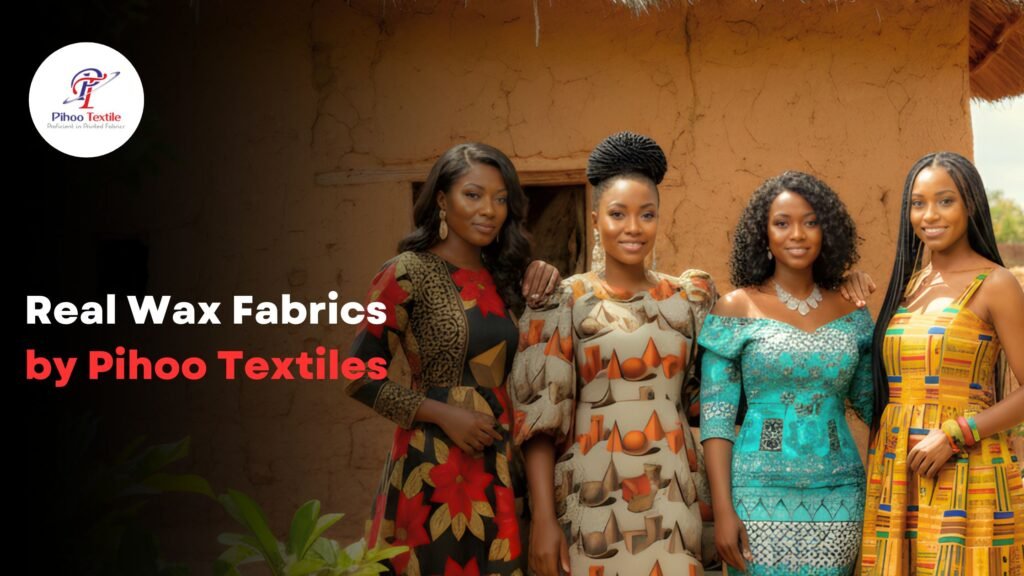
Real Wax Fabrics by Pihoo Textiles
Real Wax Print

Real Wax Fabrics by Pihoo Textiles | Premium Wax Prints

Introduction The African wax print market is rife with fake fabrics. These counterfeits bleed, feel plastic, and ruin projects. Many online sellers mistakenly charge premium prices for this inferior fabric. Authentic wax print uses 100% cotton, features double-sided color penetration from wax-resist dyeing, and exhibits characteristic crackling. Pihoo Textiles guarantees genuine wax prints through verified sourcing and clear quality standards. This guide details what defines real wax fabric, Pihoo’s quality assurances, ideal uses for premium prints, simple authentication methods, and why verified suppliers outweigh price in confident fabric investment.. What Makes Wax Print “Real” 100% Cotton Base Construction Authentic wax print starts with 100% cotton as the base cloth—never polyester, never blends. The cotton provides breathability for all-day comfortable wear, accepts heat pressing without melting, and delivers the crisp-yet-soft hand that makes wax prints suitable for structured tailoring. Polyester “wax print” feels plastic and stiff. It traps heat against skin, resists steam pressing, and lacks the natural drape cotton provides. The fiber difference affects every aspect of sewing and wearing. Double-Sided Color Penetration Real wax-resist printing creates identical pattern and color intensity on both fabric sides. The dye penetrates completely through the cotton weave during the multi-step immersion process. Flip the fabric over—if the reverse shows faded colors or white backing, it’s surface-printed imitation regardless of what the seller claims. This five-second test eliminates the majority of fake wax prints instantly. Characteristic Crackle Effect The wax coating breaks during fabric handling and dyeing, allowing small amounts of dye to seep through in irregular vein patterns. These “imperfections” became the signature of authentic wax-resist processing. Perfectly uniform prints without any crackling signal digital printing or screen printing methods that skip the wax-resist steps entirely. The crackle proves the manufacturing process, not just the visual design. Proper Weight and Structure Authentic wax print typically ranges from 140-180 GSM (grams per square meter), providing medium weight suitable for garment construction. The fabric has body—it stands upright when draped rather than collapsing limply. This weight supports tailoring techniques like pleats, darts, and clean seam pressing. Too-thin fabric indicates cost-cutting through inferior cotton or surface printing rather than wax-resist processing. Pihoo Textiles Quality Standards Verified Supply Chain Pihoo Textiles sources directly from manufacturers using authentic wax-resist processing, not marketplace aggregators who can’t verify production methods. Every fabric includes origin documentation and manufacturing specifications. We reject any fabric failing the double-sided color test, cotton composition verification, or crackle authentication. This eliminates the counterfeit risk that plagues general fabric marketplaces. Transparent Specifications Every listing includes complete technical details—fiber content, exact width (typically 45″/115cm for wax prints), weight in GSM, and care requirements. No vague “African fabric” descriptions that hide quality problems. Buyers can calculate accurate yardage requirements, plan pattern layouts, and verify compatibility with project needs before purchasing. This transparency prevents the costly mistakes that come from incomplete product information. Colorfastness Testing We wash-test samples from every dye lot to confirm colors remain vibrant and don’t bleed. Real wax prints should be colorfast after the initial pre-wash—continued bleeding indicates poor dye quality or improper processing. This testing protects buyers from the frustration of cutting garment pieces only to have colors run during pre-washing, ruining both fabric and time investment. Perfect Uses for Premium Wax Prints Bespoke Tailoring Projects The cotton construction and proper weight make real wax prints ideal for precision tailoring. The fabric holds pressed creases for pleats, accepts dart manipulation without puckering, and maintains seam integrity through wear and laundering. Tailors can execute princess seams, fitted bodices, structured blazers, and tailored trousers with confidence. The fabric behaves predictably under standard cotton sewing techniques. Fashion Garment Construction Dresses, shirts, skirts, and coordinated sets benefit from real wax print’s combination of bold patterns and reliable performance. The double-sided quality means seam allowances and facings don’t reveal ugly backing in unlined garments. The breathability keeps garments comfortable for all-day wear rather than causing heat buildup and sweating common with synthetic alternatives. Accessories and Home Décor The structured weight works beautifully for bags, headwraps, cushions, and upholstery that need to hold shape. The durability withstands repeated use without the pilling or surface degradation cheap prints develop quickly. Authentication Techniques Physical Texture Test Hold the fabric and assess hand feel. Real wax print on cotton feels soft and flexible with natural fiber texture. Polyester imitations feel plastic, slippery, or unnaturally stiff. The slight waxy finish on new authentic fabric washes away, revealing true cotton softness. Synthetic prints maintain plastic feel regardless of washing. Reverse Side Inspection This remains the fastest authentication method. Turn the fabric over and compare color intensity front to back. Real wax shows nearly identical vibrancy—sometimes slight variation but never dramatic fading. White or obviously faded backing proves surface printing rather than wax-resist dyeing. Price Reality Check Here’s the uncomfortable economics: authentic wax-resist printing costs significantly more than digital surface printing. Real wax print rarely sells below $15-20 per yard. Sellers offering “real wax” at $5-8 per yard are either lying about the product or selling counterfeit fabric. The manufacturing process creates cost floors that volume can’t overcome. Why Choose Pihoo Textiles Zero Counterfeit Risk Our verification process eliminates the authentication guesswork buyers face with general marketplaces. Every fabric meets the double-sided, cotton-content, and crackle-effect standards before entering inventory. You won’t receive polyester surprises or discover single-sided printing after cutting pattern pieces. What we describe is exactly what we ship. Curated for Sewing Success We select prints specifically for garment construction and tailoring—patterns with clear repeats for matching, consistent dye lots for coordinated pieces, and versatile colorways that work across multiple projects. This curation reduces fabric waste from poor print choices and styling mismatches that leave expensive yardage unused.[ Professional Support Bulk pricing for fashion designers and production runs. Sample swatches ship within 48 hours for physical testing before committing to full yardage. Technical specifications provided for accurate project planning. We understand professional sewing needs because we work with tailors, designers, and production operations daily—not just casual hobbyists. FAQs Q: How can I verify Pihoo Textiles


Real Wax Print Fabrics: Ideal for High-Quality Bespoke Clothing
Real Wax Print

Real Wax Print Fabrics: Ideal for High-Quality Bespoke Clothing

Introduction Bespoke tailors face an uncomfortable reality: clients increasingly request “African print” garments without understanding the massive quality gap between real wax prints and cheap polyester imitations. Using inferior fabric undermines precision tailoring—seams pucker, colors fade after two washes, and garments lose structure within months. Real wax print fabric solves this through industrial wax-resist dyeing on 100% cotton, creating double-sided color penetration, characteristic crackling effects, and medium-weight construction that holds pleats, darts, and sharp seams. This isn’t just aesthetic preference—it’s engineering. Authentic wax prints provide the structural foundation bespoke clothing requires while delivering the vibrant patterns clients want. This guide explains what separates real wax from imitations, why it matters for tailoring quality, how to identify authentic fabric before cutting, and which garments benefit most from real wax construction. Understanding these distinctions transforms good tailors into sought-after specialists who deliver garments that justify premium pricing through lasting quality. What Makes Real Wax Print Different Real wax print originates from mechanized Indonesian batik techniques developed by Dutch manufacturers in the 1800s. The process involves applying wax to cotton fabric, dyeing, removing portions of wax, then repeating for each color layer. This creates the defining characteristic: identical pattern and color intensity on both fabric sides. The dye penetrates completely through the cotton weave rather than sitting on the surface like digital printing. The wax cracks during dyeing, allowing small amounts of dye to seep through in irregular patterns. This crackling effect—historically considered a manufacturing flaw—now serves as authentication. Perfectly uniform prints signal machine printing, not wax-resist processing. Real wax prints use 100% cotton as the base cloth, typically in medium weight suitable for structured garments. The fabric has body and substance—it stands upright when draped rather than collapsing limply. Why Tailors Should Care About Authenticity Here’s what most tailors learn too late: fabric quality determines whether bespoke techniques actually show. A perfectly executed princess seam means nothing if the fabric puckers under thread tension or loses shape after cleaning. Real wax print’s cotton construction and proper weight allow precise tailoring. The fabric holds creases for pleats, accepts dart manipulation without distortion, and maintains seam integrity through wear and washing. Polyester imitations marketed as “African print” lack the mechanical properties for serious tailoring. They’re too thin, too stiff, or too slippery. Pins slip. Seams shift during stitching. Finished garments look homemade regardless of craftsmanship. The breathability difference matters for client satisfaction. Cotton wax prints allow air circulation during wear—critical for tropical climates and all-day comfort. Synthetic prints trap heat and moisture, causing discomfort that clients blame on garment construction rather than fabric choice. Identifying Authentic Wax Print The Flip Test Turn the fabric over. If the reverse side shows faded colors or white backing, it’s printed, not wax-resist dyed. Real wax displays identical vibrancy on both sides—sometimes with slight color variation but never dramatic difference. This test takes five seconds and eliminates 90% of imitations immediately. Weight and Hand Feel Real wax print has substance. Hold a corner and let it drape—it should have moderate stiffness when new (from residual wax) but not feel like paper or cardboard. The fabric should feel like quality cotton shirting, not synthetic polyester that slides between fingers. If uncertain, perform a burn test on a thread pulled from the selvage: cotton burns with paper-like smell, polyester melts into hard beads. Surface Examination Look closely at the print quality. Real wax shows crisp, clean motifs with defined edges. Cheap imitations often have fuzzy or bleeding edges where colors blur into each other. Check for the characteristic crackling—fine irregular lines where wax broke during dyeing. These appear throughout the print in unpredictable patterns. Too-perfect uniformity signals digital printing. New wax prints have a slightly glossy, waxy finish that washes away on first cleaning. This is normal and reveals the true fabric hand after laundering. Best Bespoke Applications Structured Dresses Real wax excels in dresses requiring shape retention—sheath dresses, fit-and-flare styles, and shirt dresses with collar stands and button plackets. The fabric weight supports these structures without requiring excessive interfacing. Princess seams and waist darts work beautifully because the cotton holds pressed lines. Hems maintain crisp edges rather than curling or flipping. Tailored Separates Blazers, tailored trousers, and structured skirts benefit from wax print’s body. The fabric accepts fusible interfacing properly and maintains sharp lapel rolls and pocket shapes. Coordinate sets—matching tops and bottoms—work particularly well. The identical fabric from the same dye lot ensures perfect color matching across pieces. Men’s Shirts and Casual Suiting Real wax print creates distinctive men’s button-down shirts that launder well and maintain collar shape through multiple wearings. The cotton breathes better than synthetic prints, making shirts comfortable for all-day wear. Unstructured blazers and casual suit elements in wax prints position tailors in the heritage fashion market—higher margins than standard suits, less competition from fast fashion. Tailoring Technical Considerations Pre-Washing Protocol Always pre-wash real wax before cutting. The waxy finish affects drape and sizing. Cold water wash removes this coating and accounts for 2-3% cotton shrinkage. After washing, the fabric softens noticeably and reveals its true colors and hand. This is the state clients will experience after their first cleaning—better to work with that from the start. Pattern Placement Strategy Wax prints feature large-scale repeating motifs that require intentional placement. Center dominant design elements on front bodices or pocket flaps rather than letting them fall randomly. Plan pattern layout to match repeats at side seams, center back seams, and across yokes. This elevates the work from adequate to exceptional—the hallmark of true bespoke tailoring. Seam and Finishing Techniques Use slightly longer stitch length (2.5-3.0mm) than typical for cotton. This prevents puckering while maintaining seam strength. The medium-weight cotton doesn’t require micro-stitching. French seams work beautifully in real wax prints, adding interior finish quality that justifies premium pricing. The fabric weight allows clean enclosure without bulk. Client Education and Pricing Real wax costs 3-5 times more than polyester “African print” imitations. Clients need to understand why this matters to them, not just to you. Frame

Real Wax Printed Fabric, Real Wax Printed Fabric Exporter from India, Real Wax Print Fabric in India, Real Wax Print Fabric in Gujarat, Real Wax Print Fabric Suppliers, Real Wax Print Fabric Suppliers in India, Real Wax Print Fabric Suppliers in Gujarat, Real Wax Print Fabric Supplier, Real Wax Print Fabric Supplier in India, Real Wax Print Fabric Supplier in Gujarat, Real Wax Print Fabric Manufacturers, Real Wax Print Fabric Manufacturers in India, Real Wax Print Fabric Manufacturers in Gujarat, Real Wax Print Fabric Exporter in Gujarat, Real Wax Print Fabric Supplier in Gujarat, Real Wax Print Fabric Manufacturer in Gujarat, Real Wax Print Fabric Exporters in Gujarat, Real Wax Print Fabric Suppliers in Gujarat, Real Wax Print Fabric, Real Wax Print Fabric Manufacturers, Real Wax Print Fabric Suppliers, Real Wax Print Fabric Manufacturer in India, Real Wax Print Fabric Supplier in India, Real Wax Fabrics Manufacturers, Real Wax Fabrics Suppliers, Printed Cotton Fabrics Suppliers, Real Wax Fabrics Suppliers in India, Real Wax Print, Printed Cotton Fabrics Manufacturers in India, Exports of Wax Print Fabrics, Printed Cotton Fabrics, Real Wax Fabrics Exporter, Printed Cotton Fabrics Exporter, Cotton Wax Fabrics Exporters, Printed Cotton Fabrics Exporters
Real Wax Print

Real Wax Print

Real Wax Print The commercial equivalent of Indonesian batik fabric is called Real Wax. Wax resins and dyes are applied mechanically to the fabric to create a batik look on both sides. The colour intensity on the front and back is identical. Since they were created to mimic the handcrafted Indonesian batik, Real Wax Print fabrics are said to have come from Indonesia and nearby Asian islands, hence the term “Industrial batik.” The designs captured the attention of Dutch designers, who then studied them from the Indonesians. After mastering the technique, they decided to denigrate the Indonesians by copying their artwork using industrialized machinery that could print wax or resin more quickly and make the fabric more effectively. Real wax prints, which are created by hand using wax blocks to create various patterns on fabrics, date back to ancient times. Every action is carried out by hand in this manner. The ice lines, often known as the soul of wax fabrics, are the most astounding effect of real wax. The ice patterns resemble waxed cracks and are quite natural. This means that since cotton is manually dyed at low temperatures in a natural environment, true wax prints can only be made on cotton. Real wax print is prized for its tenacity and brilliant colours, which frequently remain vibrant even after numerous items of washing. It is frequently worn on significant occasions and celebrations, including weddings, festivals, and ceremonies, and has significant cultural importance. Additionally, the cloth is quite significant, standing for ethnic identity, social standing, and individual expression. Real wax print still plays a significant role in African fashion and culture, honouring custom, originality, and innovation. Its striking designs and eye-catching hues have made it a popular and well-known cloth all over the world, showcasing Africa’s rich cultural past. Have a look at our other products Ankara Wax Printed Fabric, Garments Fabrics, and Wax with Lace Fabrics. You can find many more designs in our Gallery. For more information, you can Contact Us.

Scroll to Top