
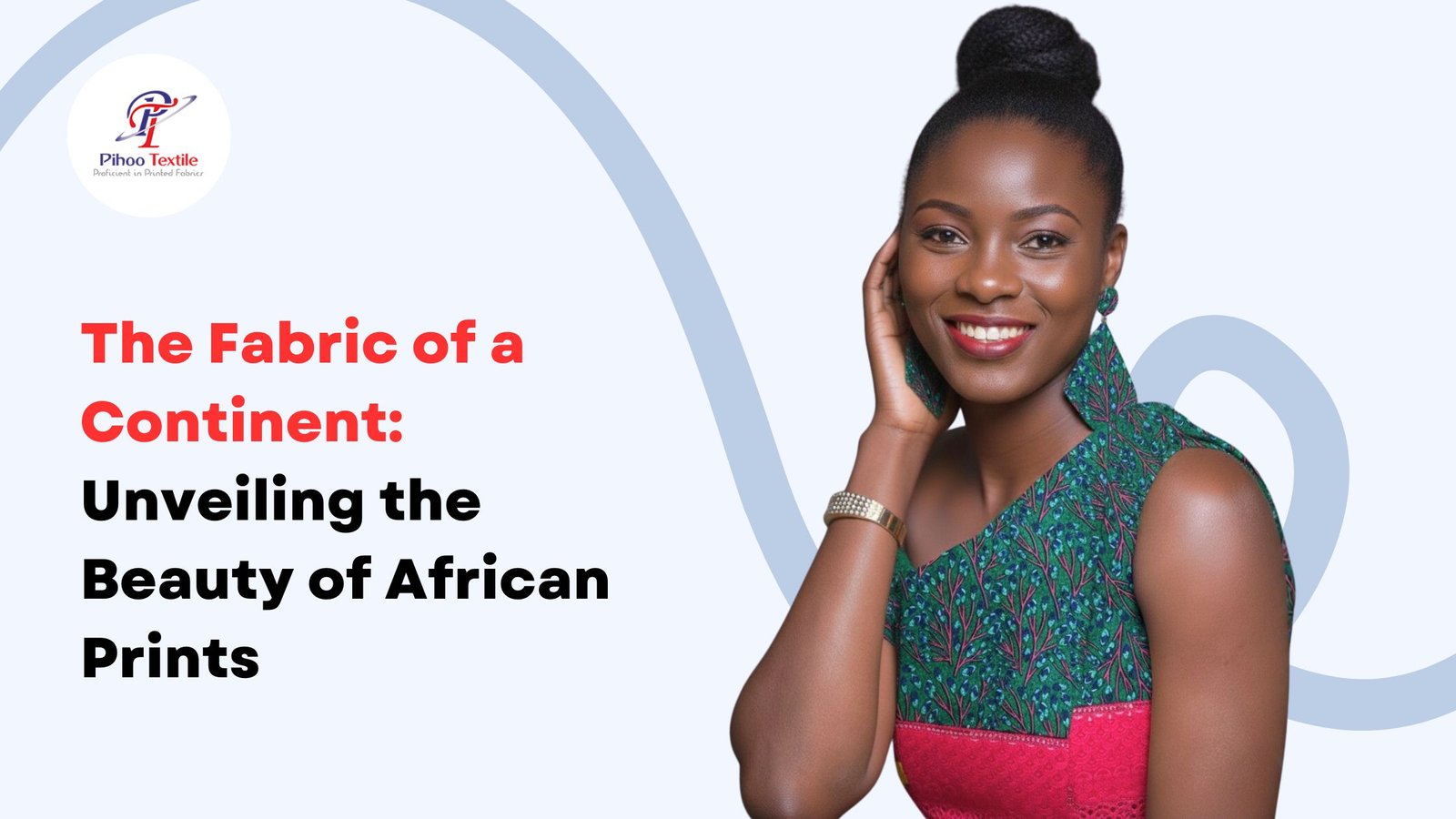
The Fabric of a Continent: Unveiling the Beauty of African Prints
African prints carry a layered history. Wax-resist techniques began in Indonesia. European mills industrialized the process in the nineteenth century. West and Central African communities adopted the cloth, renamed patterns, and gave them cultural meaning. What emerged is not a single-origin story but a shared one shaped by trade, migration, and reinterpretation. Today, African prints represent identity, ceremony, politics, and fashion all at once. When sourcing at scale, this background matters because fabric choice signals more than design preference.
African print lines are commonly produced in cotton bases ranging from 80 to 220 GSM. They are usually sold in six-yard and twelve-yard pieces, formats that influence garment construction and retail packaging. These structural details are not small. They shape margins, cutting plans, and consumer expectations.
What “African Prints” Include
The term African prints covers several fabric traditions. Wax prints, often called Ankara, are industrial cotton fabrics designed to mimic batik-inspired resist effects with strong color saturation on both sides. Kente is a strip-woven prestige textile traditionally associated with Ghana. Àdìrẹ refers to indigo-dyed resist cloth from Yoruba regions of Nigeria. Kanga from East Africa combines a central motif, decorative border, and Swahili proverb. Shweshwe from Southern Africa is typically indigo-dyed cotton produced through roller or discharge printing techniques. Kuba textiles from Central Africa feature raffia embroidery and cut-pile surface work.
Each of these textiles represents a distinct system of making and meaning. Region signals ethos. Fabric type signals use. A buyer selecting among them is choosing structure, message, and context.
Techniques and Visual Clues
Traditional wax-style prints use resist methods that create irregular crackle lines within blocks of color. These lines come from controlled breaking in the resist layer during dyeing. Surface-printed versions may imitate the look but often lack the same depth and reverse-side intensity.
Shweshwe fabrics are typically narrower in width, often around 90 cm, with a stiff finish that softens after washing. Àdìrẹ uses hand-applied resist techniques such as tying or starch painting before indigo dyeing. Kanga panels include printed text integrated into the design layout. Kente is woven in strips rather than printed, and its patterning comes from warp and weft structure rather than dye layering.
Authenticity signals are practical. Reverse-side color depth shows dye penetration. The selvedge edge often carries maker details and design identifiers. Standard six- and twelve-yard formats reflect long-standing cutting and resale norms.
Names and Social Messaging
Print names are part of the textile economy. Many wax prints are named after events, personalities, places, or expressions. The same pattern may hold different names across regions. Kanga proverbs act as wearable statements, expressing personal or political sentiment. Kente pattern names often reference lineage, leadership, or philosophical ideas.
These naming systems function as communication. They give fabric context. When a design is reissued, the name often carries as much value as the motif itself. Buyers who understand naming culture gain commercial advantage because customers recognize stories faster than product codes.
Markets and Manufacturing
Industrial wax-print production now spans multiple regions, including parts of Africa and Europe. African manufacturers have played a central role in shaping distribution and meaning. The selvedge edge remains important because it often contains the producer name, product line, and registration information. These markings support intellectual property protection and quality verification.
In a market with many visual look-alikes, labeling is infrastructure. It protects design rights and supports traceability. For procurement teams, checking selvedge metadata is part of due diligence.
Contemporary Relevance
African prints operate across fashion, art, and daily wear. They appear in museum collections and runway presentations, yet they also remain embedded in local markets and ceremonies. The conversation around authenticity continues because the fabric’s journey spans continents. For brands, this hybridity is not a weakness. It is context. Clear attribution and honest positioning strengthen credibility.
Smart Sourcing Framework
Effective sourcing requires precision. Cultural precision means specifying the textile tradition clearly, whether wax print, àdìrẹ, kanga, shweshwe, kente, or kuba. Format fidelity means respecting six- and twelve-yard piece conventions where they apply. Proof of origin involves verifying selvedge information and understanding production methods. Design ethics means preserving established names and cultural references where appropriate.
We produce African print lines in cotton bases from 80 to 220 GSM with six- and twelve-yard formats, along with custom developments aligned to buyer briefs. Consistency in weight, format, and labeling ensures that the story carried on the fabric aligns with the brand presenting it.
African prints are not a single narrative. They are a conversation shaped by technique, trade, and community. When sourced with clarity and respect, the cloth carries both beauty and structure.
