

Pihoo Textile is an Exporter of Fabrics in whole African countries and also supplies to exporters and local market. Our Printing quality is suitable for African culture.
© 2026 Created by IndiaFinds

September 6, 2025

The Fabric of a Continent: Unveiling the Beauty of African Prints
African Printed Fabrics

The Fabric of a Continent: Unveiling the Beauty of African Prints

African prints carry a layered history. Wax-resist techniques began in Indonesia. European mills industrialized the process in the nineteenth century. West and Central African communities adopted the cloth, renamed patterns, and gave them cultural meaning. What emerged is not a single-origin story but a shared one shaped by trade, migration, and reinterpretation. Today, African prints represent identity, ceremony, politics, and fashion all at once. When sourcing at scale, this background matters because fabric choice signals more than design preference. African print lines are commonly produced in cotton bases ranging from 80 to 220 GSM. They are usually sold in six-yard and twelve-yard pieces, formats that influence garment construction and retail packaging. These structural details are not small. They shape margins, cutting plans, and consumer expectations. What “African Prints” Include The term African prints covers several fabric traditions. Wax prints, often called Ankara, are industrial cotton fabrics designed to mimic batik-inspired resist effects with strong color saturation on both sides. Kente is a strip-woven prestige textile traditionally associated with Ghana. Àdìrẹ refers to indigo-dyed resist cloth from Yoruba regions of Nigeria. Kanga from East Africa combines a central motif, decorative border, and Swahili proverb. Shweshwe from Southern Africa is typically indigo-dyed cotton produced through roller or discharge printing techniques. Kuba textiles from Central Africa feature raffia embroidery and cut-pile surface work. Each of these textiles represents a distinct system of making and meaning. Region signals ethos. Fabric type signals use. A buyer selecting among them is choosing structure, message, and context. Techniques and Visual Clues Traditional wax-style prints use resist methods that create irregular crackle lines within blocks of color. These lines come from controlled breaking in the resist layer during dyeing. Surface-printed versions may imitate the look but often lack the same depth and reverse-side intensity. Shweshwe fabrics are typically narrower in width, often around 90 cm, with a stiff finish that softens after washing. Àdìrẹ uses hand-applied resist techniques such as tying or starch painting before indigo dyeing. Kanga panels include printed text integrated into the design layout. Kente is woven in strips rather than printed, and its patterning comes from warp and weft structure rather than dye layering. Authenticity signals are practical. Reverse-side color depth shows dye penetration. The selvedge edge often carries maker details and design identifiers. Standard six- and twelve-yard formats reflect long-standing cutting and resale norms. Names and Social Messaging Print names are part of the textile economy. Many wax prints are named after events, personalities, places, or expressions. The same pattern may hold different names across regions. Kanga proverbs act as wearable statements, expressing personal or political sentiment. Kente pattern names often reference lineage, leadership, or philosophical ideas. These naming systems function as communication. They give fabric context. When a design is reissued, the name often carries as much value as the motif itself. Buyers who understand naming culture gain commercial advantage because customers recognize stories faster than product codes. Markets and Manufacturing Industrial wax-print production now spans multiple regions, including parts of Africa and Europe. African manufacturers have played a central role in shaping distribution and meaning. The selvedge edge remains important because it often contains the producer name, product line, and registration information. These markings support intellectual property protection and quality verification. In a market with many visual look-alikes, labeling is infrastructure. It protects design rights and supports traceability. For procurement teams, checking selvedge metadata is part of due diligence. Contemporary Relevance African prints operate across fashion, art, and daily wear. They appear in museum collections and runway presentations, yet they also remain embedded in local markets and ceremonies. The conversation around authenticity continues because the fabric’s journey spans continents. For brands, this hybridity is not a weakness. It is context. Clear attribution and honest positioning strengthen credibility. Smart Sourcing Framework Effective sourcing requires precision. Cultural precision means specifying the textile tradition clearly, whether wax print, àdìrẹ, kanga, shweshwe, kente, or kuba. Format fidelity means respecting six- and twelve-yard piece conventions where they apply. Proof of origin involves verifying selvedge information and understanding production methods. Design ethics means preserving established names and cultural references where appropriate. We produce African print lines in cotton bases from 80 to 220 GSM with six- and twelve-yard formats, along with custom developments aligned to buyer briefs. Consistency in weight, format, and labeling ensures that the story carried on the fabric aligns with the brand presenting it. African prints are not a single narrative. They are a conversation shaped by technique, trade, and community. When sourced with clarity and respect, the cloth carries both beauty and structure.
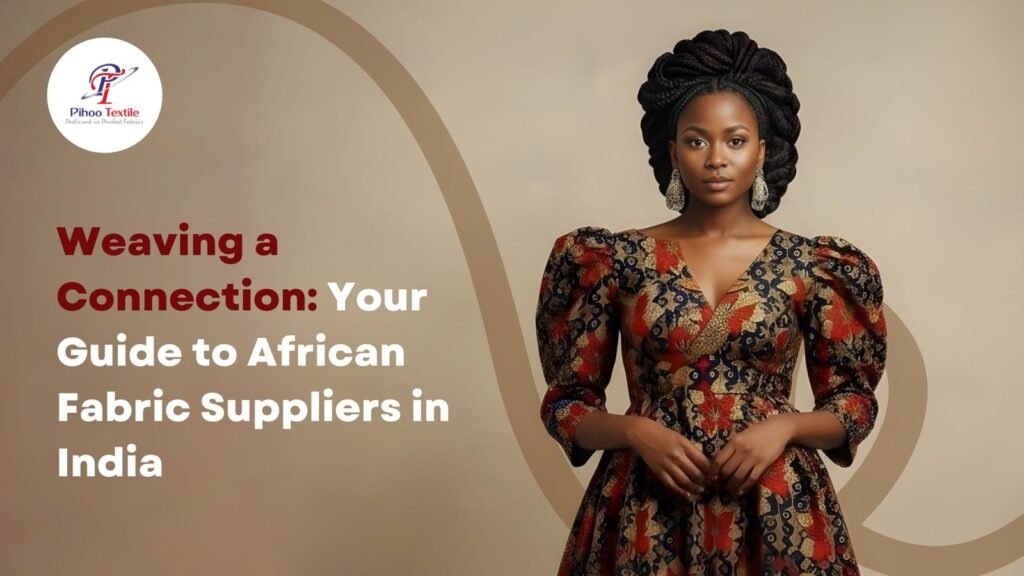
Weaving a Connection: Your Guide to African Fabric Suppliers in India
African Printed Fabrics

Weaving a Connection: Your Guide to African Fabric Suppliers in India

Africa’s vibrant textile heritage has inspired a global wave in fashion and home décor, with Indian designers and consumers embracing the distinctive beauty of African fabrics. But how does one find trusted sources for genuine African textiles in India? In 2025, as demand surges for these artful fabrics, knowing where and how to source real African prints is crucial. This guide details all the best avenues for discovering authentic African fabric suppliers in India, unlocking the doors to creativity, culture, and quality. Online Marketplaces: The Digital Textile Bazaars When it comes to convenience and variety, online marketplaces are unrivaled. Indian platforms like IndiaMART and Justdial feature thousands of listings for African wax prints, Kente, Ankara, Mudcloth, and more. These platforms allow seamless browsing of supplier profiles, reviews, catalogue images, and pricing—right from your home or studio. What makes online marketplaces especially valuable is the ability to filter by location, material, and even minimum order requirement. Many top vendors, including Pihoo Textiles, offer vivid real wax cottons and designer African-inspired cotton blends available for both retail and wholesale. Detailed product photos and customer testimonials mean you can buy with confidence, knowing authenticity and quality are front and center. African Import Stores: Bringing the Continent Closer For those seeking a tactile shopping experience, African import stores in big Indian cities such as Mumbai, Delhi, and Bengaluru are must-visits. These niche stores frequently handpick their inventory directly from African mills and local artists, showcasing a curated selection of fabrics including unique hand-dyed and specialty prints not often found elsewhere. Shopping in-store means you can feel the weight of the cloth, inspect dyework up close, and sometimes even negotiate prices face-to-face. Many storeowners have years of experience and can share stories behind each fabric, adding to the richness of your purchase. If you want that immersive, sensory interaction with Africa’s textile traditions, import stores deliver in spades. Local Textile Markets: The Joy of Discovery India’s famous textile markets are legendary for their vibrant chaos and surprising finds. Cities like Surat, Ahmedabad, or Chennai may not specialize solely in African fabrics, but they often house stalls dedicated to imported prints from across Africa. Here, you stand a good chance of snagging limited edition or custom-designed African cotton, batik, or even specialty blends at competitive rates. Sourcing from local textile markets helps sustain small businesses and offers the added bonus of face-to-face negotiation. For designers and resellers who appreciate the thrill of the hunt, these markets promise discovery and unique inventory. Direct from African Suppliers: Truly Authentic Connections For brands and buyers seeking exclusive, high-volume, or custom-designed African fabrics, it’s possible to connect directly with manufacturers and exporters in Ghana, Nigeria, Ivory Coast, and Mali, typically through business networks or trade shows. This route, though more involved—due to shipping, payment logistics, and customs—ensures access to completely authentic, often artisan-crafted pieces. Direct relationships empower you to commission unique colorways, premium wax prints, or community-driven handmade styles. Plus, buying direct supports African economies and craftspeople, creating a positive ripple effect far beyond fashion. Search Engine Power: Leveraging Google to Source Authentic African Fabrics Never underestimate the impact of a strategic Google search. Typing keywords such as “authentic African fabric supplier India,” “African wax print wholesale India,” or “real wax Kente buy India” instantly brings up dozens of highly ranked results and supplier websites (including Pihoo Textiles). Browsing these links, checking certifications, and reading reviews will help you compile a shortlist of reputable sellers who align with your volume, quality, and style needs. Trade Shows & Textile Fairs: Where East Meets Africa Participating in international trade shows and textile expos is increasingly common for African fabric exporters looking to build their presence in India. Events like Indian Textile Sourcing Week or export-oriented fairs in Mumbai bring together African suppliers, Indian brands, and wholesalers, creating a unique platform for networking and direct purchasing. These global gatherings not only showcase the latest trends in African prints but also foster collaborations and bulk order opportunities. Assessing Authenticity: Tips for Choosing the Right Supplier With so much choice, how do you know if a supplier offers the real deal? Look for: Detailed product descriptions specifying fabric origin, type (wax print, Kente, Mudcloth, etc.), and cotton percentage. Clear, high-quality images showing design crispness and dye vibrancy. Customer reviews and supplier ratings. Transparent business information, including GST/Tax numbers and a physical address. Commitment to fair trade or artisan support (for handcrafted goods). Why Choose Pihoo Textiles as Your Trusted African Fabric Source? At Pihoo Textiles, authenticity, quality, and customer satisfaction come first. We source genuine African designs directly from African mills and offer an extensive catalogue of real wax prints, Kente-inspired blends, Ankara, and much more. Our fabrics undergo rigorous quality checks to ensure vibrant colorfastness, durability, and softness, whether you’re a boutique, designer, or home décor enthusiast. We’re proud to support fair labor practices and sustainable production both in Africa and within our own operations in India, ensuring excellence from loom to outfit. Conclusion: Weaving Culture, Connecting Continents The rising demand for authentic African prints in India signals a powerful fusion of creativity and culture. Whether you’re sourcing for fashion, interiors, or special projects, knowing where to look—and how to verify authenticity—makes all the difference. Discover a world of possibility with Pihoo Textiles, your gateway to Africa’s legendary fabric tradition, right here in India. Ready to transform your creations with the magic of African textiles? Connect with Pihoo Textiles—where every fabric tells a global story.

Scroll to Top