
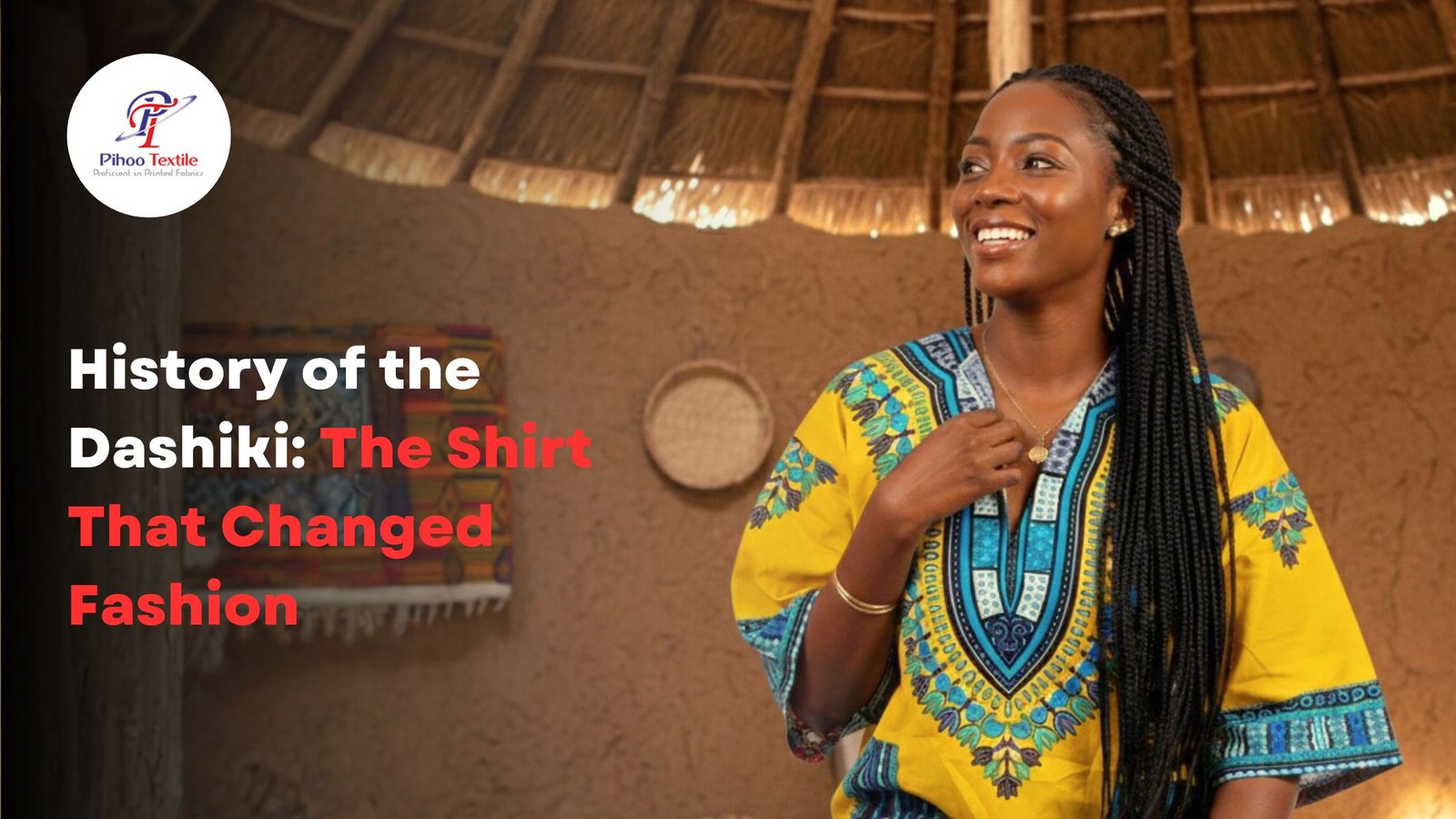
History of the Dashiki: The Shirt That Changed Fashion
Introduction
Most people treat the dashiki as a 1960s American phenomenon. That framing misses roughly 600 years of documented use in West Africa and reduces a complex textile tradition to a single decade of cultural politics. The problem for modern buyers is practical: without understanding what the dashiki actually is, where it came from, and how it evolved, sourcing the right fabric for authentic construction becomes guesswork. Poor fabric choices produce garments that look costume-like rather than culturally grounded.
This guide covers the dashiki’s West African origins, its traditional construction characteristics, the specific point in history when it crossed into global fashion, and what fabric specifications produce results that honor the original. Understanding this history directly informs better purchasing decisions for designers, tailors, and fashion enthusiasts who want dashiki garments that carry the weight of the original.
Ancient Origins in West Africa
The dashiki traces its earliest documented roots to West African communities, particularly in the regions now comprising Nigeria, Ghana, Senegal, and Côte d’Ivoire. The garment functioned as practical everyday wear adapted to tropical climates, featuring a loose, flowing silhouette that allowed air circulation while providing modest coverage.
The word “dashiki” derives from the Yoruba term “danshiki” and the Hausa word “dan ciki,” both roughly translating to “shirt” or “inner garment”. This linguistic dual origin reflects how widely the garment spread across different West African language groups, each adopting and adapting it to local preferences.
Traditional Yoruba Origins and Regional Variations
The Danshiki Structure
The Yoruba danshiki established the core construction blueprint that persists today:
- V-shaped or U-shaped neckline with embroidered trim
- Wide, loose body cut from a single rectangular fabric piece
- Short sleeves extending naturally from the body panel
- No tailored side seams in traditional versions
Regional variations appeared across West Africa as the garment traveled trade routes. Northern Nigerian versions featured heavier embroidery and longer hemlines. Coastal versions used lighter fabrics with minimal embellishment suited to humid climates.
19th-Century Influences and Fabric Evolution
The Role of Dutch Wax Prints
The introduction of Dutch wax print fabrics to West African markets in the 1880s dramatically expanded dashiki construction possibilities. These bold, colorful cotton textiles gave tailors materials that matched the dashiki’s visual energy far better than plain woven cloth. The combination of traditional construction with vibrant wax print patterns created the iconic aesthetic most people now associate with the garment.
The fabric’s weight (150-180 GSM) suited dashiki construction because the dense cotton held the flowing silhouette without clinging or collapsing. Wax prints also provided cultural messaging through patterns, allowing wearers to communicate identity and occasion through fabric choice rather than words alone.
The 1960s: Global Transformation
Black Power and American Counterculture
The dashiki entered American fashion between 1967 and 1968 through two simultaneous forces: the Black Power movement’s embrace of African cultural identity, and the broader counterculture’s rejection of mainstream Western dress. Civil rights activists wore dashikis as explicit statements of African heritage, transforming the garment from functional clothing into political symbol.
The speed of adoption was striking. By 1969, dashikis appeared at Woodstock on non-African American attendees, demonstrating how quickly the garment crossed cultural boundaries. This rapid spread created a tension that still exists: between dashiki as cultural heritage and dashiki as global fashion item.
Modern Evolution and Current Trends
Contemporary dashiki design preserves the V-neck, loose silhouette, and embroidered collar while incorporating updated elements:
- Fitted cuts for formal occasions, departing from traditional loose silhouettes
- Fusion designs combining dashiki tops with trousers, suits, and dresses
- Women’s adaptations including dashiki dresses, jumpsuits, and crop tops
- Mixed fabric construction combining wax prints with solid cotton panels
Global fashion weeks now regularly feature dashiki-inspired pieces, confirming the garment’s permanent place in international clothing vocabulary rather than periodic trend cycles.
Dashiki Construction and Fabric Requirements
Fabric Specifications That Matter
Authentic dashiki construction requires specific fabric characteristics that directly impact the finished result:
- Weight: 150-180 GSM cotton provides the right drape without heaviness
- Width: 45-inch minimum fabric width accommodates the wide body panel without seams
- Pattern scale: Large-scale wax print patterns (15cm+ repeat) suit dashiki proportions better than small motifs
- Color intensity: Two-sided color vibrancy matters for garments worn loosely where both sides may show
The neckline embroidery traditionally uses the same fabric cut into decorative borders, which requires sufficient pattern repeat length to maintain design continuity around the curved collar.
Construction Approach
A standard dashiki requires 2.5-3 meters of fabric for adult sizing. The construction involves:
- Cut two identical rectangular panels for front and back
- Mark and cut the V or U neckline on the front panel only
- Attach embroidered or appliquéd collar trim around the neckline
- Join front and back panels at shoulders and sides, leaving sleeve openings
- Hem sleeve openings and bottom edge
The simplicity of this construction makes dashiki one of the most accessible garments for beginning tailors working with wax print fabrics.
How to Source Authentic Dashiki Fabrics
Dashiki construction rewards authentic wax print fabrics over imitations because finished garments require color consistency across multiple washing cycles. Garments worn as frequently as dashikis need fabrics that maintain vibrancy through regular use rather than fading after a few washes.
Key checks when sourcing dashiki fabric:
- Confirm identical color vibrancy on both fabric sides
- Verify 100% cotton composition for breathability in warm climates
- Check pattern scale matches dashiki proportions before cutting
- Request colorfastness certificates from suppliers for commercial production
FAQs
How much fabric do I need for a standard dashiki?
Adult dashikis typically require 2.5-3 meters for a single-color design. If mixing two patterns for collar and body, purchase 1.5-2 meters of each. Women’s dashiki dresses need 3.5-4 meters depending on length and style.
Can I make a dashiki from fabric other than wax prints?
Yes, traditional dashikis used plain woven cotton before wax prints became widely available. Solid cotton, linen, or lightweight canvas work for minimalist versions. However, wax print patterns deliver the visual impact most associated with contemporary dashiki aesthetics.
What distinguishes a dashiki from other African shirts?
The defining characteristics are the V or U neckline with embroidered trim, loose body cut without darts or fitted seams, and short wide sleeves. The boubou is longer and more formal; the kente cloth shirt uses strip-woven fabric rather than wax print. Dashikis sit distinctly between casual and ceremonial in their intended formality.
Are dashikis appropriate for formal occasions?
Traditional dashikis served both everyday and ceremonial purposes in West Africa. Contemporary formal versions use higher-quality wax prints with additional embroidery. Matching dashiki sets with coordinating trousers function as formal attire across West African cultures.
Conclusion
The dashiki carries 600 years of West African textile history into contemporary fashion, making fabric selection a decision with cultural and practical implications. Sourcing the right wax print cotton determines whether the finished garment honors that history or falls short of it. Browse authentic wax print collections and start your next dashiki project with fabric that performs to standard.
Pihoo Textiles supplies authentic wax print cotton fabrics purpose-suited for dashiki construction and other African-inspired garments. Every piece meets international standards for GSM weight, colorfastness, and two-sided color vibrancy, inspected before reaching customers across India. Whether creating single pieces or commercial volumes, our collection delivers consistent quality that holds up through regular wear and repeated washing.
Ready to create your dashiki with authentic fabric? Visit pihootextile.com to explore our wax print collection, request sample swatches, and place orders with secure payment and reliable delivery across India.
