
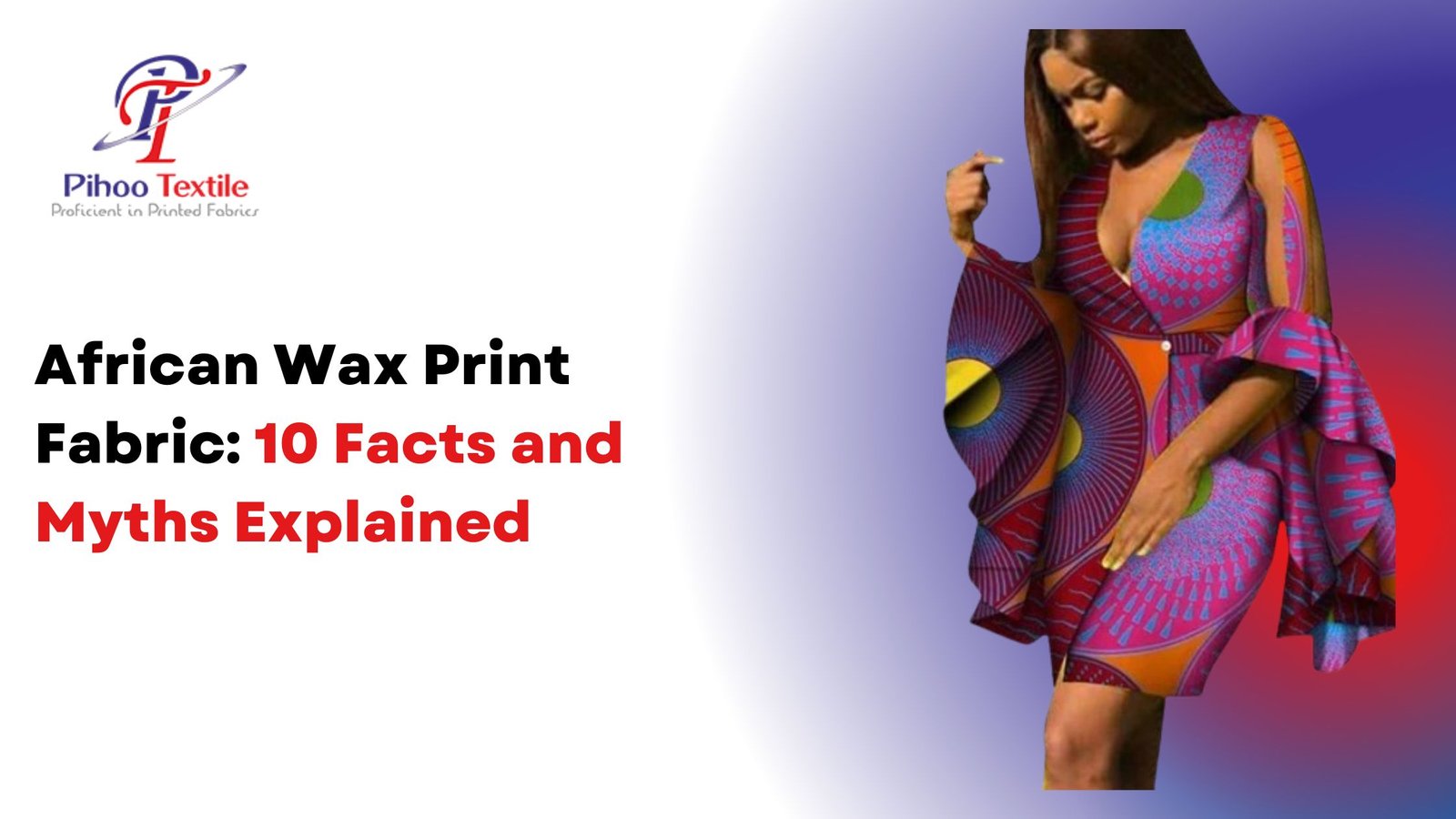
African Wax Print Fabric: 10 Facts and Myths Explained
Introduction
Misinformation about African wax print fabric costs buyers thousands in poor purchasing decisions each year. A 2023 textile industry survey found that 68% of first-time wax print buyers could not accurately distinguish authentic fabrics from imitations, leading to disappointment with fading colors, poor durability, and wasted investment. The confusion stems from persistent myths about production methods, origins, quality standards, and proper care techniques. Understanding what separates fact from fiction helps designers, fashion enthusiasts, and home décor creators make informed choices that protect their budgets and ensure project success.
This guide clarifies ten common myths and facts about African wax print fabric to help with buying, performance, and satisfaction. It ensures you know what to look for when sourcing authentic prints and how to avoid buyer pitfalls. Stay till the end.
Myth 1: Wax Print Fabric Contains Actual Wax
Fact: Modern Production Uses Resin-Resist Techniques
Finished wax print fabrics contain no wax in their final form. The name refers to the production process, not the final product composition. Manufacturers apply melted paraffin wax or industrial resin to fabric before dyeing, creating resist patterns that repel color. After all dye stages finish, producers boil fabric to remove wax completely, which gets recycled for subsequent production runs. The characteristic texture and slight stiffness come from dense cotton weaving and dye saturation, not wax residue.
Myth 2: All Wax Print Fabrics Are Identical
Fact: Quality Varies Dramatically Between Production Methods
The market is divided into three distinct categories: real wax prints with wax application on both sides, fancy prints using single-sided roller printing, and imitation prints using standard screen printing techniques. Real wax displays identical color intensity on both fabric sides and characteristic crackle patterns. Fancy and imitation prints show color on one surface only and lack the marbled effect. Prices reflect these differences, with real wax costing 300-400% more than basic imitations due to complex, multi-stage production.
Myth 3: Wax Prints Are Only for Clothing
Fact: Applications Extend Far Beyond Fashion
While clothing remains the primary use, wax prints appear in upholstery, curtains, cushion covers, bags, shoes, and decorative wall art. The fabric’s weight (150-180 GSM) and structure suit applications requiring durability without excessive bulk. Interior designers use wax prints as accent pieces in otherwise neutral spaces. Craft businesses create small goods including wallets, phone cases, and gift wrapping materials. The versatility stems from the fabric’s stiffness, which holds shape without additional support.
Myth 4: Wax Print Fabric Lacks Durability
Fact: 100% Cotton Construction Ensures Longevity
Quality wax prints outlast standard cotton prints by significant margins when properly cared for. The dense weaving resists tears and abrasion, while the wax-resist dyeing process locks colors deep into fibers. Authentic pieces maintain 90% of original color intensity after 20-30 wash cycles, compared to 40-50% retention in roller-printed alternatives. The fabric softens with washing while maintaining structural integrity, improving hand feel without compromising performance.
Myth 5: Wax Prints Are Exclusively African
Fact: Global Fashion Has Embraced These Textiles
European, Asian, and American designers now incorporate wax prints into collections targeting international markets. The fabrics appear at fashion weeks in Paris, New York, and Milan. This global adoption raises cultural appropriation debates, but it also demonstrates the textiles’ universal aesthetic appeal. Production happens across multiple continents, with manufacturers in Netherlands, China, India, and various African nations all producing wax-style fabrics.
Myth 6: Wax Prints Originated in Africa
Fact: Dutch Manufacturers Developed the Technique
The fabrics trace origins to 1850s Netherlands, where manufacturers attempted to mechanize Indonesian batik production. The results failed in Indonesia because they lacked authentic batik’s distinctive wax smell. Dutch traders redirected rejected inventory to West African markets starting in the 1880s. African communities embraced the textiles immediately, transforming them into cultural symbols with Africa-specific patterns and meanings. By the mid-20th century, the fabrics had become authentically African through cultural adoption despite European production origins.
Myth 7: Wax Prints Are a Modern Fashion Trend
Fact: Over 150 Years of Continuous Use
Wax prints entered African markets in the 1880s and achieved widespread adoption by the early 1900s. Multiple generations have worn these fabrics for everyday use, ceremonies, and special occasions. The textiles carry historical weight and cultural significance that new fashion trends cannot match. Contemporary popularity represents rediscovery rather than invention, as global fashion catches up to what African communities have known for over a century.
Myth 8: All Wax Prints Are Called Ankara
Fact: Ankara Refers Specifically to Turkish-Influenced Patterns
Ankara designates wax prints featuring specific design aesthetics associated with Turkish influences, not all wax print fabrics. The term gained popularity in Nigeria and West Africa but does not encompass the full range of wax print styles. Other names include Dutch wax, African wax, Java print, and super wax, each referring to specific production methods or regional styles. Using “Ankara” generically causes confusion when discussing technical specifications with suppliers.
Myth 9: Wax Prints Cannot Be Machine-Washed
Fact: Proper Machine Washing Is Safe and Effective
Quality wax prints withstand machine washing on gentle cycles with cold water and mild detergent. The myth likely stems from concerns about color bleeding in low-quality imitations. Authentic wax prints maintain color integrity through multiple machine wash cycles. Avoid hot water, harsh detergents, and high-heat drying, which damage any cotton fabric regardless of production method. Hand washing preserves colors slightly better but is not necessary for maintaining fabric quality.
Myth 10: All Wax Prints Are Machine-Made
Fact: Artisan Production Continues in Select Regions
While industrial production dominates the market, small workshops in West Africa still create hand-dyed wax prints using traditional techniques. These artisan pieces command premium prices due to labor intensity and limited production volumes. Hand-dyed fabrics show subtle irregularities that mark them as unique pieces rather than mass-produced inventory. The market supports both industrial and artisan production, offering options at different price points for varied budgets.
FAQs
Q: How can I verify if my wax print is authentic or imitation?
A: Check color intensity on both fabric sides—authentic prints show identical vibrancy front and back. Feel the weight, which should exceed 150 GSM for real wax. Look for characteristic crackle patterns throughout the design and manufacturer information printed on the selvage edge.
Q: Do wax print patterns carry specific cultural meanings?
A: Yes, many patterns communicate widely understood messages in African communities. Specific designs mark occasions like weddings, funerals, or political events. However, pattern meanings vary by region and community, so the same design may carry different interpretations across cultures.
Q: Why do some wax prints cost significantly more than others?
A: Price reflects production method, cotton quality, number of colors in the design, and brand reputation. Real wax with six colors costs substantially more than three-color fancy prints due to additional production stages. Brand heritage and design exclusivity also influence pricing.
Q: Can I mix different wax print patterns in one project?
A: Pattern mixing creates dynamic results when designs share common colors. Combine patterns of different scales—pair large florals with small geometrics. Test combinations by holding fabrics together before cutting to ensure visual harmony rather than clash.
Conclusion
Understanding the facts behind common myths protects your investment and ensures you get authentic fabrics that perform as expected. Apply these insights when sourcing your next wax print project and experience the difference knowledge makes in quality outcomes.
Pihoo Textiles sources authentic African wax print fabrics that meet international standards for production quality, colorfastness, and durability. Every piece undergoes inspection to verify weight specifications, two-sided color vibrancy, and proper manufacturer certification before reaching customers across India. Our collection features real wax prints, super wax grades, and carefully selected fancy prints for budget-conscious projects, all with transparent quality specifications.
Ready to source genuine wax print fabrics? Visit pihootextile.com to explore our authenticated collection featuring traditional and contemporary patterns. Request sample swatches to verify quality firsthand before placing bulk orders. Contact our team for technical specifications, custom design options, and bulk pricing tailored to your specific project requirements. We deliver across India with reliable logistics ensuring your fabrics arrive in perfect condition.
