
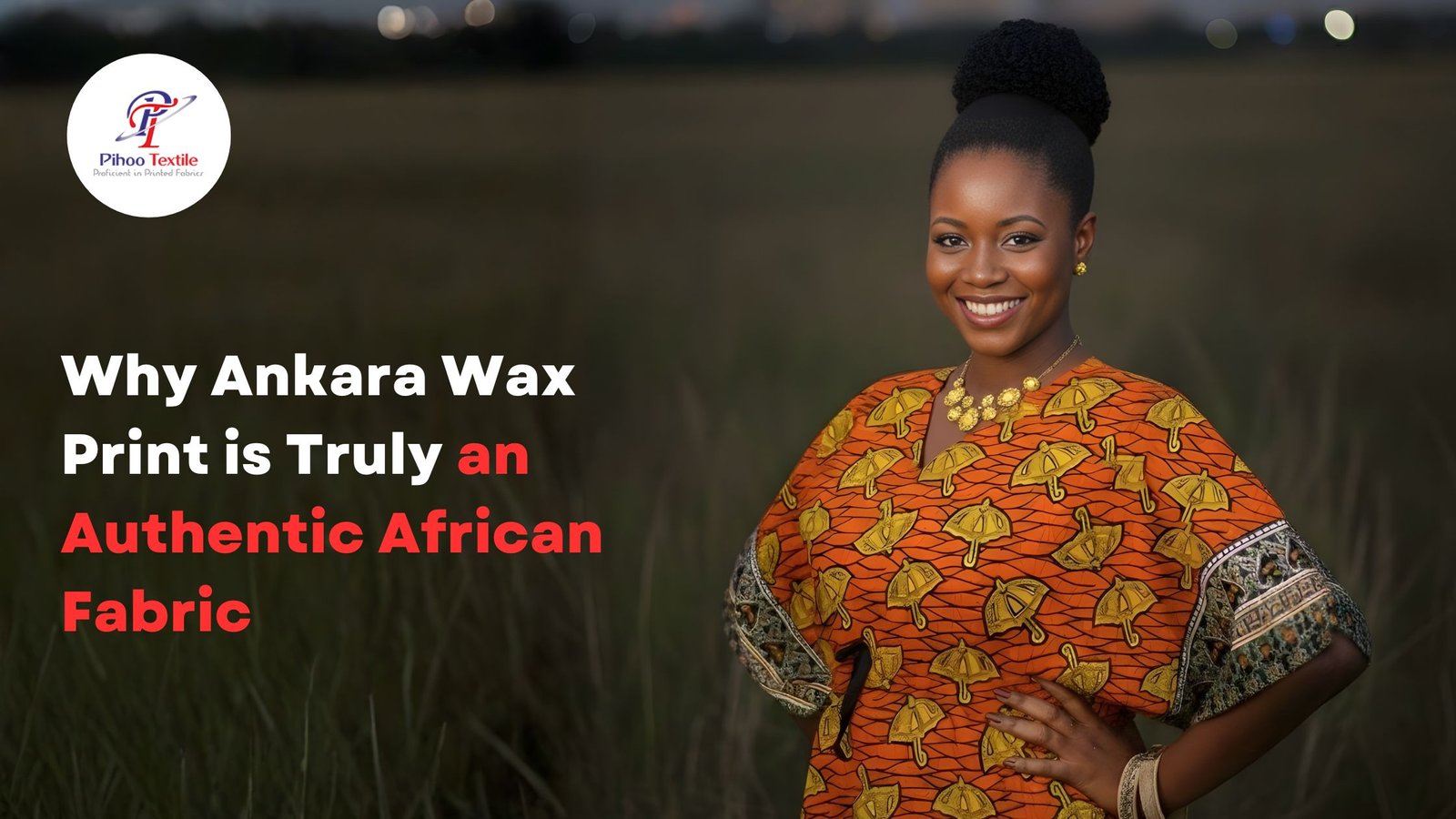
Why Ankara Wax Print is Truly an Authentic African Fabric
Textile buyers and fashion brands frequently encounter a confusing claim: Ankara isn’t “really” African because Dutch and Indonesian influences shaped its origins. This narrative oversimplifies cultural history and misunderstands how textiles gain authentic identity. The uncomfortable truth? Most globally recognized cultural textiles crossed geographic boundaries before communities claimed them as identity markers—Scottish tartans incorporated Middle Eastern dyeing techniques, Japanese indigo came from India, and Peruvian textiles adopted Spanish weaving tools post-colonization.
Ankara wax print demonstrates how cultural adoption transforms imported goods into authentic expressions of identity. West African communities didn’t passively receive these textiles—they actively redesigned them, embedded symbolic meanings, and integrated them into social structures so thoroughly that Ankara now functions as visual language across Nigeria, Ghana, and neighboring regions. This piece examines the historical journey, cultural transformation, production realities, and symbolic systems that establish Ankara as authentically African despite its non-African manufacturing origins. Understanding this evolution matters for buyers sourcing culturally meaningful textiles rather than surface-level exotic prints.
Historical Origins and Early Adoption
Ankara’s story begins with commercial failure in 19th century Indonesia.
Dutch textile manufacturers industrialized batik production methods to supply colonial markets cheaply. Indonesian consumers rejected these machine-made fabrics as inferior to traditional hand-waxed batik, leaving Dutch traders with excess inventory. They redirected shipments to West African markets where Gold Coast (now Ghana) consumers responded enthusiastically to the bold patterns and durable cotton.
Why West Africa Embraced Wax Prints
The timing mattered. By the late 1800s, West African coastal cities had established trading networks and growing middle classes seeking status markers beyond traditional handwoven textiles. Wax prints offered vibrant colors, durability through washing, and novelty that appealed to fashion-conscious urban populations.
Colonial-era fabric restrictions that limited access to certain textiles made imported wax prints desirable. When these fabrics became available, demand surged across social classes.
African Transformation Through Design and Meaning
Here’s the contrarian insight that shifts the authenticity debate: West Africans didn’t just buy Ankara—they fundamentally redesigned it.
By the early 20th century, African consumers began commissioning specific patterns, colors, and motifs from manufacturers. European factories started creating designs exclusively for West African markets based on local preferences rather than European aesthetics. Patterns incorporated African symbols, proverbs, and cultural references that carried no meaning in European or Indonesian contexts.
Design Agency and Cultural Ownership
This design control represents genuine cultural ownership. When communities dictate what gets produced, assign meanings to patterns, and embed fabrics into social rituals, they transform imported goods into cultural property. The origin of manufacturing becomes less relevant than the origin of symbolic meaning.
Pattern names reflect this African agency. Designs carry names in local languages referencing proverbs, historical events, or social commentary—”jealousy of friends,” “one tree cannot make a forest,” “my husband is capable”. These titles emerge from African users, not European designers.
Symbolic Systems and Social Functions
Ankara operates as a communication medium rather than merely decorative fabric.
West African women select specific prints to convey messages at social gatherings, weddings, and political events. Choosing a pattern with proverbs about unity signals political alignment. Wearing designs celebrating motherhood communicates life stages. This symbolic vocabulary developed entirely within African communities.
Cultural Integration Depth
Ankara’s integration extends across life events:
- Birth ceremonies use specific patterns welcoming new children
- Coming-of-age celebrations incorporate prints marking transitions
- Weddings feature coordinated Ankara among family members signaling unity
- Funerals employ certain color combinations and patterns for mourning
This ceremonial embedding demonstrates how thoroughly Ankara penetrated African social structures—far beyond simple fashion adoption.
Production Techniques That Support Authenticity Claims
The wax-resist production method itself connects to African preferences that shaped manufacturing evolution.
Traditional wax print production involves applying wax or resin to cotton fabric, then immersing it in dye baths multiple times. The wax blocks dye absorption, creating patterns with characteristic “crackle” lines where dye seeps through wax cracks. This produces double-sided prints with equal color intensity on both fabric faces.
African consumers specifically preferred this production method over standard surface printing because it delivered superior durability for tropical climates requiring frequent washing. Their quality demands reinforced continued use of authentic wax-resist techniques rather than cheaper alternatives.
Why Cultural Adoption Creates Authentic Identity
The authenticity question hinges on distinguishing appropriation from adoption.
Cultural appropriation involves taking symbols without understanding or respecting their meanings, typically by dominant cultures from marginalized ones. Cultural adoption occurs when communities integrate external elements, transform them through local use, and embed them into cultural practices. Ankara represents adoption—West Africans took imported fabric and created entirely new symbolic systems, design vocabularies, and social functions.
The Agency Factor
West African agency throughout Ankara’s evolution establishes authenticity. Communities controlled design direction, assigned meanings, integrated fabrics into ceremonies, and created economic systems around production and distribution. This active transformation differs fundamentally from passive consumption.
Contemporary Role in African Identity
Modern Ankara serves as a cultural identifier across the global African diaspora.
Wearing Ankara signals African heritage regardless of wearer location—London, New York, Paris, or Lagos. Fashion designers build careers around Ankara innovation, creating contemporary silhouettes that honor traditional patterns while appealing to international markets. This global recognition as “African fabric” demonstrates successful cultural claim-making over generations.
The fabric transcends national boundaries within Africa itself. Despite originating in West African markets, Ankara now carries pan-African significance representing shared cultural pride across the continent.
Economic and Community Impact
Ankara production and distribution support extensive economic networks across Africa.
Local markets employ fabric traders specializing in Ankara selection and curation. Tailors build businesses around custom Ankara garment construction. Fashion designers create brands centered on Ankara innovation. This economic ecosystem reinforces cultural ownership through commercial investment.
Conclusion
Ankara wax print’s authenticity as African fabric rests not on manufacturing geography but on generations of cultural transformation, symbolic embedding, and design agency exercised by West African communities. The fabric’s journey from rejected Indonesian batik imitation to Pan-African cultural symbol demonstrates how communities claim and transform external influences into genuine identity markers.
Pihoo Textile manufactures premium Ankara wax print fabrics at our Jetpur facility using authentic wax-resist printing techniques on 100% cotton. Our production combines traditional double-sided printing methods with modern quality controls, delivering vibrant African wax prints that honor cultural heritage while meeting international durability and colorfastness standards.
Browse our Ankara fabric collection or contact our export team to discuss custom pattern development, bulk orders, and wholesale partnerships that bring culturally authentic African wax prints to your fashion and textile product lines.
