
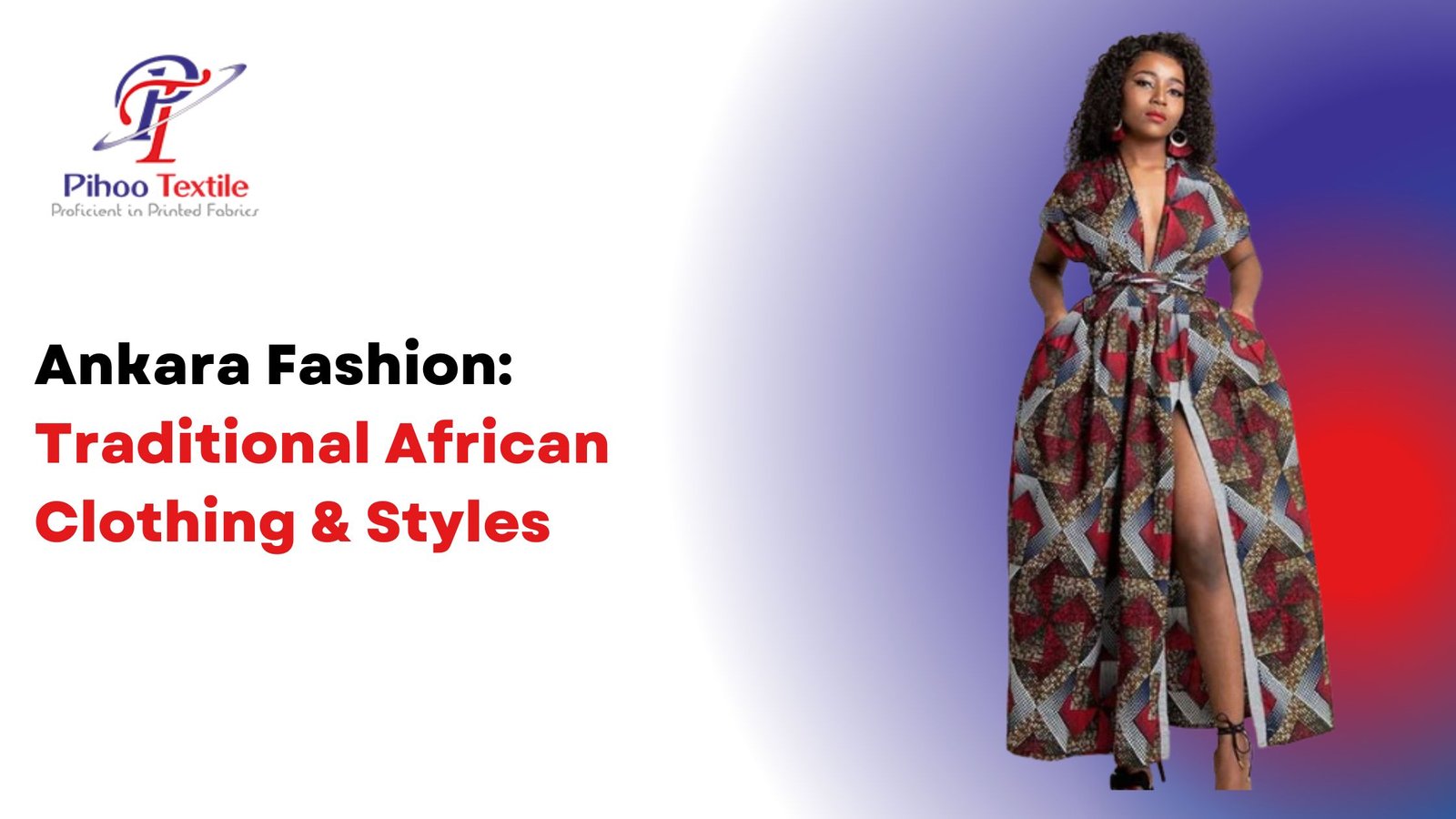
Ankara Fashion: Traditional African Clothing & Styles
Most buyers treat Ankara as a single fashion category. They miss the distinction between traditional styles rooted in West African ceremonial dress and modern interpretations designed for global fashion markets. This confusion leads to sourcing decisions that miss target audiences—traditional buyers reject overly contemporary cuts, while fashion-forward customers skip dated silhouettes.
Ankara fabric originated not in Africa but through Indonesian batik techniques adapted by Dutch traders in the 19th century. West Africans transformed these imported textiles into cultural symbols during independence movements, establishing Ankara as visual shorthand for African identity. Today’s market splits between buyers seeking authentic traditional garments and those wanting Ankara aesthetics in contemporary fashion formats.
This guide separates traditional Ankara clothing styles from modern interpretations, explains which occasions demand which approaches, and provides sourcing criteria for fabric quality. You’ll understand how construction methods differ between traditional and contemporary pieces, affecting both production costs and retail positioning.
Traditional Ankara Clothing Styles
Boubou and Flowing Robes
The boubou—a wide, flowing robe worn by both men and women—represents traditional Ankara’s most recognizable silhouette. Men’s versions typically feature simpler embroidery along the neckline and chest. Women’s boubous incorporate more elaborate decoration and fitted underdresses.youtube
Construction requires 3-5 yards of fabric depending on desired fullness and length. The loose cut suits hot climates while allowing freedom of movement. Traditional boubous use single-panel construction with minimal seaming, keeping production costs reasonable.
Gowns and Long Dresses
Traditional Ankara gowns feature floor-length hems, fitted bodices, and full skirts that emphasize fabric volume and print visibility. These garments suit formal occasions—weddings, religious ceremonies, cultural celebrations where dress codes favor coverage and elegance over trend-driven styling.
Peplum details, tiered skirts, and cape sleeves appear frequently in traditional gown construction. These elements add visual interest without departing from established silhouette expectations. Buyers targeting diaspora communities for special occasions prioritize these styles.
Skirt and Blouse Combinations
Separate tops and wrap skirts offer versatility that single-piece garments can’t match. Buyers can mix blouse styles (off-shoulder, puff sleeve, fitted) with different skirt lengths (midi, maxi, ankle) to create multiple outfit combinations from limited inventory.
This category bridges traditional and modern aesthetics. The concept remains rooted in West African dress codes, but contemporary tailoring adapts proportions and fits for current body-conscious preferences.
Modern Ankara Fashion Interpretations
Fusion and Mixed-Material Designs
Contemporary designers combine Ankara prints with lace, denim, leather, and satin to create hybrid garments that appeal to fashion-forward buyers. An Ankara bodice paired with a tulle skirt, or Ankara sleeves on a denim jacket, positions the fabric as accent rather than dominant material.
Here’s the uncomfortable reality: fusion styles often outperform pure Ankara garments in Western markets where buyers want African aesthetics without committing to full traditional dress codes. This trend grows despite traditionalist criticism about diluting cultural authenticity.
Contemporary Cuts and Silhouettes
Asymmetrical hems, cold shoulders, cut-outs, and exaggerated sleeves adapt Ankara to current fashion trends. These styles target younger demographics and fashion-conscious buyers who track runway trends rather than cultural dress traditions.
Production complexity increases with contemporary cuts. Pattern pieces multiply, fitting requirements tighten, and construction time extends compared to traditional flowing silhouettes. Budget accordingly when sourcing for this category.
Ankara in Professional Settings
Ankara blazers, tailored trousers, pencil skirts, and shift dresses bring the fabric into corporate environments where traditional flowing garments don’t meet workplace dress codes. This category exploded over the past five years as diaspora professionals sought ways to express cultural identity within business-casual and formal work settings.
Print selection matters more in professional Ankara than casual wear. Subtle, small-scale patterns in muted colors perform better than bold, large motifs that overwhelm structured garments and distract in professional contexts.
Styling Ankara for Different Occasions
Wedding and celebration wear demands maximum visual impact—layered gowns, elaborate embroidery, metallic accents, and coordinating accessories. Buyers targeting this segment prioritize luxury cues and distinctive designs over price sensitivity.
Church and formal events favor modest cuts with coverage—higher necklines, longer sleeves, midi-to-maxi lengths. This category values elegance and respectability over fashion-forward aesthetics. Colors trend toward jewel tones and sophisticated palettes rather than the brightest available options.
Casual everyday Ankara includes shorter dresses, relaxed tops, and comfortable silhouettes that work for shopping, social gatherings, and informal settings. Price sensitivity increases in this category—buyers seek affordable pieces for regular rotation rather than special occasion investment items.
Ankara Fabric Quality Standards
Cotton content determines comfort and durability. Quality Ankara uses 100% cotton or high-cotton blends (minimum 80% cotton) that breathe well and accept dye properly. Lower cotton percentages introduce synthetic feel that buyers associate with cheap alternatives.
Print clarity separates authentic production from rushed manufacturing. Sharp pattern edges, consistent color saturation across the fabric width, and proper registration when multiple colors align indicate quality printing processes.
Colorfastness affects customer satisfaction more than any other quality factor. Ankara that bleeds during washing generates returns, negative reviews, and lost repeat business. Request colorfastness testing documentation before committing to bulk fabric orders.
Global Market Dynamics
Ankara’s adoption extends far beyond African markets. Diaspora communities across North America, Europe, and the Caribbean drive significant demand for both traditional and modern styles. These buyers often pay premium prices for authentic fabrics and culturally-informed designs.
Celebrity influence accelerates mainstream adoption. When entertainers and public figures wear Ankara, search volume spikes and retail interest follows. This pattern creates opportunity for buyers who can respond quickly to trending styles, but also risks for those holding large inventories when trends shift.
The paradox: Ankara represents African cultural identity, yet most production happens in Asia where manufacturing infrastructure delivers consistent quality at commercial pricing. Buyers navigate this tension by emphasizing design authenticity and cultural respect regardless of production location.
Conclusion
Traditional Ankara styles—boubous, gowns, skirt-and-blouse sets—serve formal occasions and cultural celebrations. Modern interpretations—fusion designs, contemporary cuts, professional wear—expand Ankara into everyday fashion and workplace settings. Choose styles based on target market demographics, occasion focus, and price positioning rather than assuming one approach suits all buyers.
Pihoo Textile supplies Ankara fabrics suitable for both traditional garment construction and modern fashion applications. Our cotton-based prints feature sharp pattern clarity, colorfast dyeing, and weights ranging from 140-200 GSM for different garment categories.
Visit pihootextile.com to explore Ankara fabric collections, request samples showing traditional and contemporary designs, or discuss custom printing for unique patterns. Source Ankara that respects cultural heritage while meeting modern quality and production standards.
