
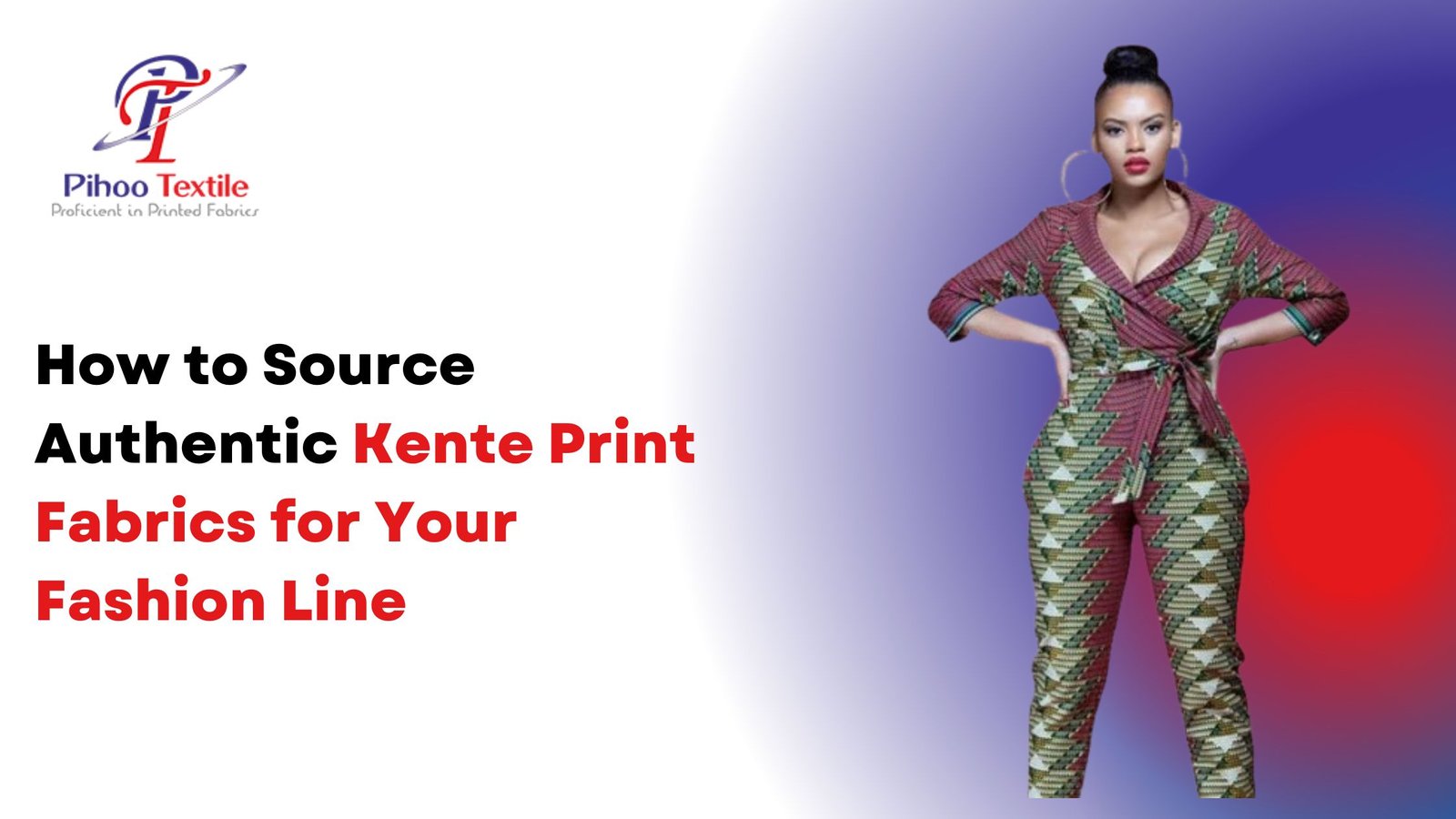
How to Source Authentic Kente Print Fabrics for Your Fashion Line
Introduction
Most fashion designers get burned by fake Kente. They order what looks like authentic handwoven fabric online, receive machine-printed polyester imitations, and realize too late their entire collection lacks the prestige they promised customers. Authentic Kente cloth comes exclusively from Ghana—handwoven by Ashanti and Ewe artisans using silk and cotton strips sewn edge to edge. The United Nations recently granted Kente geographical indication protection, meaning only Ghanaian-made Kente can legally be marketed internationally as authentic. This changes everything for fashion lines built on cultural legitimacy. This guide walks through identifying genuine handwoven Kente, finding reliable suppliers, verifying quality, handling bulk orders, and building relationships with artisan cooperatives. Sourcing authentic Kente separates premium fashion lines from fast-fashion copycats—but only when you know what to look for and where to find it.
Understanding Authentic Kente Cloth
Kente originated with Ghana’s Ashanti people in Bonwire village during the 17th century. Weavers work on narrow strip looms that produce fabric 4 inches wide. These strips are then sewn together to create the final cloth.
Authentic Kente uses silk, cotton, or rayon threads. The weaving creates identical patterns on both fabric sides—a characteristic machine printing can’t replicate. Each strip takes hours or days to complete depending on pattern complexity.
The geometric designs aren’t random. Traditional motifs carry names and meanings: “Emaa Da” (novelty), “Sika Futuro” (gold dust), and “Nkyimkyim” (zigzag) represent specific concepts. Weavers combine these elements to tell stories through cloth.
Here’s what most designers miss: Kente comes in two main types. Ashanti Kente features silk with complex geometric patterns and bright colors. Ewe Kente uses cotton with pictorial motifs and symbols woven directly into the fabric. Both are authentic, but they serve different aesthetic purposes and price points.
Identifying Genuine Versus Imitation Kente
The easiest authentication test: flip the fabric over. Genuine handwoven Kente shows identical colors and patterns on both sides because threads weave completely through the fabric. Printed imitations show faded or white backing.
Check the selvage edges where strips connect. Hand-sewn strips have visible stitching lines running lengthwise through the fabric. Machine-printed “Kente” lacks these seams entirely—it’s one continuous printed piece.
Feel the weight and texture. Authentic Kente has substantial heft from dense handloom weaving. Imitations feel thin and flimsy, often made from lightweight polyester that lacks body.
Examine thread consistency under magnification. Handwoven fabric shows slight irregularities in tension and spacing—the mark of human craftsmanship. Factory printing appears perfectly uniform across all repeats.
Price signals quality but isn’t foolproof. Authentic handwoven Kente rarely costs less than $20 per yard for cotton versions and $50+ for silk. Anything significantly cheaper is almost certainly printed imitation.
Best Places to Source Authentic Kente
Direct sourcing from Ghana provides the most reliable authenticity. Bonwire and Agotime remain the primary weaving centers where artisan cooperatives produce traditional Kente using centuries-old techniques.
Trusted B2B textile suppliers with verified Ghanaian supply chains offer the next best option. These importers handle logistics, customs, and quality verification while maintaining direct relationships with weaving cooperatives.
Commission custom pieces directly from artisan groups for exclusive colorways and patterns. This takes longer—typically 1-4 weeks per cloth depending on complexity—but delivers truly unique fabrics competitors can’t replicate.
Avoid marketplaces dominated by Chinese manufacturers claiming to sell “Kente fabric.” These are machine-printed polyester imitations that damage brand credibility and violate the new geographical indication protections.
Building Supplier Relationships
Start with sample orders before committing to bulk purchases. Request 6-yard pieces—the standard Kente length—in several pattern options. This allows physical quality assessment without major financial risk.
Ask for video documentation of the weaving process. Legitimate suppliers readily provide footage showing narrow-strip looms and artisan weavers at work. Reluctance to show production is a red flag.
Negotiate bulk pricing based on volume commitments. Fashion lines ordering 50+ yards typically receive 15-25% discounts off standard pricing. Establish reorder terms upfront to lock in consistent pricing for collection cohesion.
Build long-term relationships rather than hopping between suppliers for marginal savings. Consistent quality matters more than cutting costs. A reliable supplier who delivers authentic fabric on schedule is worth paying slightly more.
Quality Verification Steps
Physical Testing
Pull threads from the selvage edge. Handwoven Kente shows individual threads that separate cleanly. Printed fabric has no individual threads—the pattern sits on the surface.
Perform a colorfastness test by washing a small swatch in cold water. Authentic Kente retains vibrant colors after washing. Cheap imitations bleed dye or fade noticeably.
Documentation Review
Request certificates of origin from Ghana. Legitimate suppliers provide customs documentation showing Ghanaian export.
Look for artisan cooperative information. Knowing which specific village or weaver group produced the fabric adds authenticity and storytelling value to your fashion line marketing.
Handling Bulk Orders for Fashion Lines
Calculate fabric needs carefully. Kente’s 4-inch strip construction creates specific width limitations. Standard pieces measure approximately 24 inches wide after sewn strips, affecting pattern cutting and garment design.
Order 20% excess beyond calculated needs. Pattern matching across Kente strips consumes more fabric than solid textiles. Waste from aligning geometric designs adds up quickly.
Plan lead times around weaving schedules. Custom commissions require 4-8 weeks from order to delivery. Stock patterns ship faster but offer less design exclusivity.
Consider seasonal ordering patterns. Ghanaian weaving cooperatives experience higher demand around December holidays and cultural celebrations. Place orders 2-3 months ahead during peak seasons.
Cost Factors and Budget Planning
Cotton Kente ranges from $20-40 per yard depending on pattern complexity and weaver reputation. Silk versions start at $50 and reach $100+ for intricate royal patterns.
The uncomfortable truth: authentic Kente will be your most expensive fabric input. It needs to be. The labor intensity and artisan skill justify premium pricing. Fashion lines attempting to cut corners here sacrifice the primary value proposition—authenticity.
Bulk discounts help but don’t expect wholesale prices comparable to mass-produced textiles. Handweaving has inherent cost floors that volume can’t overcome completely.
Factor in import duties and shipping costs. International textile shipments face customs fees that add 10-20% to landed costs depending on destination country.
Ethical Sourcing Considerations
The new UN geographical indication status means marketing fake Kente as authentic now violates international trade law. Beyond legal risk, it undermines the Ghanaian artisan communities who created and maintain this craft.
Fair trade practices matter for brand reputation. Customers increasingly research supply chains. Supporting artisan wages and community cooperatives provides marketing value beyond basic compliance.
Request transparency about weaver compensation. Ethical suppliers disclose what percentage of sale price reaches actual artisans versus middlemen.
FAQs
Q: Can I commission custom Kente colors for my fashion line?
A: Yes. Artisan cooperatives accept custom commissions specifying color combinations, pattern types, and strip width preferences. Minimum orders typically start at 6-12 yards per custom design. Lead times extend to 4-8 weeks depending on order complexity and cooperative capacity. Custom pieces cost 30-50% more than stock patterns but deliver design exclusivity competitors can’t duplicate.
Q: How do I verify a supplier’s Ghanaian sourcing claims?
A: Request certificates of origin showing Ghanaian customs stamps. Ask for artisan cooperative names and village locations—legitimate suppliers provide this information freely. Reverse image search product photos to check if they’re stolen from other sources. Request video calls showing actual inventory or weaving facilities. Most importantly, order samples before bulk commitments to physically verify authenticity.
Q: What’s the minimum order quantity for wholesale Kente pricing?
A: Most B2B suppliers set minimums around 50 yards for discounted wholesale rates. Artisan cooperatives might accept smaller orders of 12-24 yards at slightly higher per-yard costs. Fashion lines planning full collections should budget for 100+ yards to access best pricing tiers while ensuring adequate fabric for production plus samples and replacements.
Q: Does authentic Kente shrink after washing?
A: Minimal shrinkage occurs with proper care. Cotton Kente may shrink 2-3% on first wash. Pre-wash all fabric before cutting garment patterns to account for this. Silk Kente experiences virtually no shrinkage. Always use cold water and air drying to maintain dimensional stability and color vibrancy.
Q: Can I market garments as “Kente” if using non-Ghanaian fabric?
A: No. The UN geographical indication restricts “Kente” terminology to Ghanaian-made handwoven cloth. Using the term for printed imitations or non-Ghanaian fabrics violates international trade law and opens you to legal challenges. Market non-authentic versions as “Kente-inspired” or “Kente-style print” to avoid misrepresentation while still leveraging aesthetic appeal.
Q: How does authentic Kente affect my product pricing strategy?
A: Premium fabric inputs demand premium retail pricing. Authentic Kente garments typically retail 40-60% higher than comparable designs using standard textiles. Position your line in the cultural luxury or heritage fashion segment rather than competing on price. Customers seeking authentic Kente understand and accept higher price points when marketing clearly communicates the handwoven provenance and artisan craftsmanship.
Conclusion
Sourcing authentic Kente separates legitimate fashion lines from fast-fashion knockoffs. Verify handweaving through physical inspection. Build relationships with reliable suppliers showing Ghanaian provenance. Budget for premium pricing that reflects artisan labor. Plan lead times around weaving schedules rather than demanding impossible turnarounds.
Start with sample orders. Test quality before committing to bulk. Build your fashion line on fabrics that deliver the authenticity you promise.
Pihoo Textile maintains direct relationships with Ghanaian weaving cooperatives in Bonwire and Agotime, sourcing authentic handwoven Kente for fashion designers, boutique brands, and independent creators. Our supply chain verification ensures every piece originates from traditional strip-loom artisans, not factory printing operations.
We handle the complexity of international sourcing—customs documentation, quality verification, and reliable delivery timelines—so you can focus on design and production. Our B2B platform offers both stock patterns for immediate shipping and custom commission services for exclusive colorways.
Every Kente cloth in our collection includes artisan cooperative information and certificate of origin documentation. No printed imitations. No geographical indication violations. Just authentic handwoven fabric that honors both cultural heritage and your brand’s credibility.
Visit pihootextile.com to explore our Kente collection, request fabric samples, and discuss bulk orders or custom commissions. Build your fashion line on textiles that mean what they claim to be—authentic from source to selvage.
