
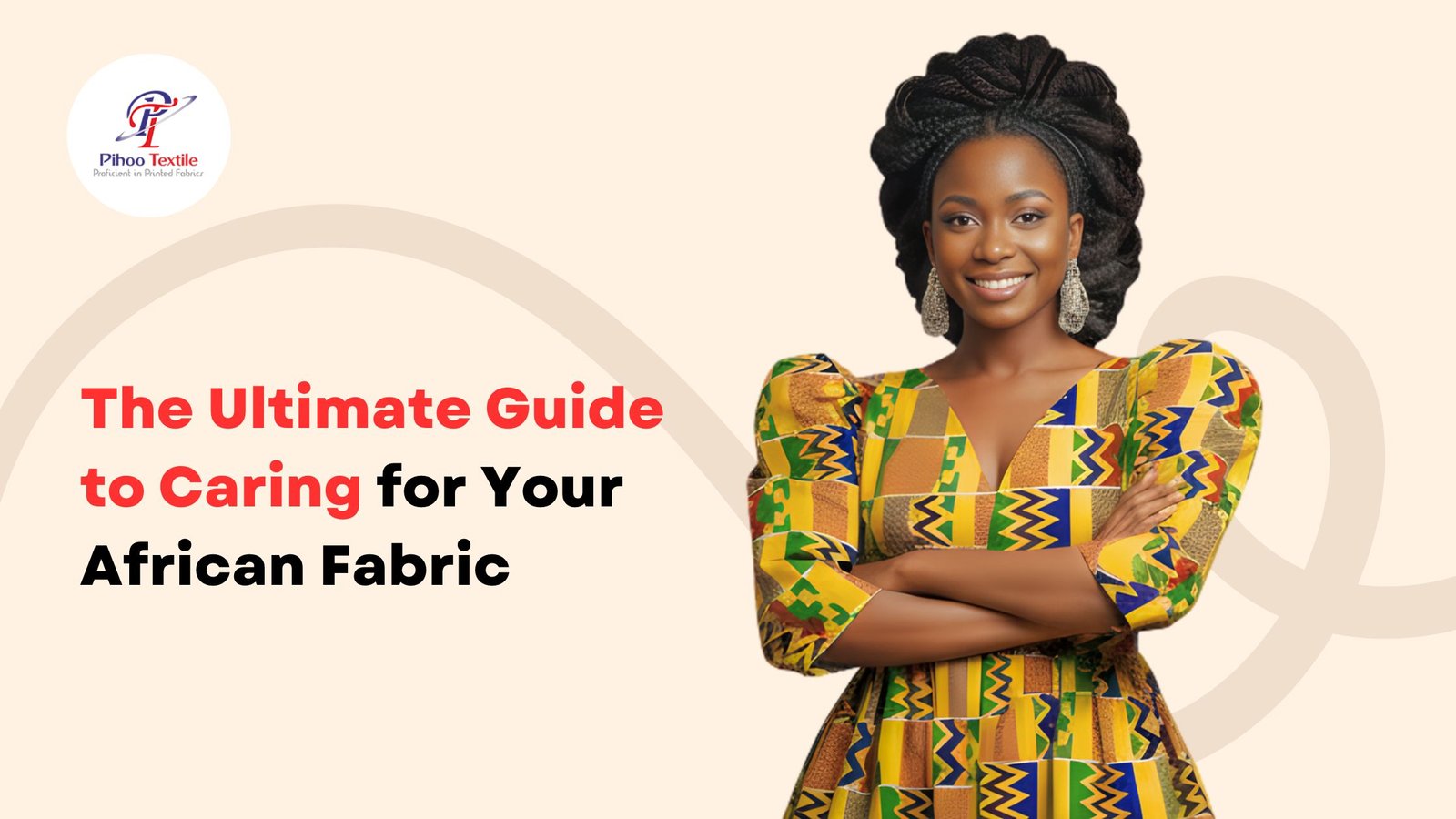
The Ultimate Guide to Caring for Your African Fabric
Color is powerful. It defines African prints. But color can fade or bleed if care is careless. That is not bad luck. It is a process. Cotton is a natural fiber, and slight shrinkage of around five percent is normal. That should be expected and planned for. If you are working with wax prints or kittens, proper care should begin before the first wash. Good maintenance is not extra effort. It is part of protecting the fabric’s value.
Test Before the First Wash
Care begins early. Many wax prints release a small amount of dye during the first few washes. This is common in layered dye processes and does not mean the fabric is defective. It means the dye needs stabilization. Wash new garments separately until the water runs clear and you are confident there is no active color transfer.
A simple bleed test helps. Use a damp white cloth on an inside hem or spare swatch. Press lightly for about thirty seconds. If color transfers, rinse gently in cold water until runoff is clear before doing a full wash. Cleaning options generally fall into three methods: dry clean, hand wash, or machine wash. Choose based on garment structure, not convenience.
Washing the Right Way
Always check for a care label first. If there is none, use conservative settings. Cold to 30°C water is a safe baseline. Use mild detergent. Turn garments inside out. Separate light and dark colors. This protects surface print and reduces friction damage.
Hand washing is the safest method for unlined wax prints or garments with trims. Gently agitate. Do not wring, rub, or twist. Press out excess water using a towel instead of squeezing the fabric harshly.
Machine washing is possible when the garment construction allows it. Use a delicate cycle. Keep temperature low. Avoid high spin speeds. Place garments in laundry bags if possible. Keep printed fabrics away from rough materials like denim hardware or heavy zippers.
Drying and Ironing
Heat fades color. Line dry garments inside out in the shade. Avoid direct sunlight. Secure gently to prevent clip marks. Tumble drying should only be used if clearly permitted, and then on low heat.
Iron on the reverse side using low to medium heat. Steam can help remove wrinkles. If ironing from the front is necessary, place a press cloth between the iron and the fabric to prevent shine marks or surface damage.
Bleach, Dry Cleaning, and Stains
Bleach should not be used on printed fabrics. It weakens fibers and strips color. Use mild detergent without harsh chemicals. Oxygen-based brighteners may be acceptable only if fabric care instructions allow it.
Dry cleaning can work for structured garments or heavily embellished pieces, but not all prints respond well to chemical cleaning. If choosing dry clean, ensure the cleaner understands printed cotton fabrics.
For stains, act quickly. Dab gently with diluted mild detergent. Do not apply strong chemicals directly. If the garment has lining, test inside first. Poor-quality linings can cause staining or shrinkage under heat and moisture.
Storage and Long-Term Care
Store garments away from direct sunlight. Avoid damp spaces to prevent mildew. Use wide, padded hangers for long-term hanging. For heavier pieces or yardage, fold flat with tissue to reduce crease pressure.
A few steady habits protect color and structure over time. Turn garments inside out before washing or ironing. Expect minor shrinkage with cotton. Wash new pieces separately for the first few cycles. Keep water temperatures moderate. Minimize spin cycles when possible. When unsure, choose hand washing.
Closing
African fabrics are strong and expressive, but they respond directly to temperature, moisture, friction, and time. Proper care keeps colors rich and fabric stable. A small bleed test at the start, controlled washing, low heat, and gentle detergents make a visible difference.
The goal is not to overprotect the fabric. It is to respect how it is made. When handled correctly, a bold print does not fade into the background. It becomes softer, more personal, and longer lasting with every wear.
