
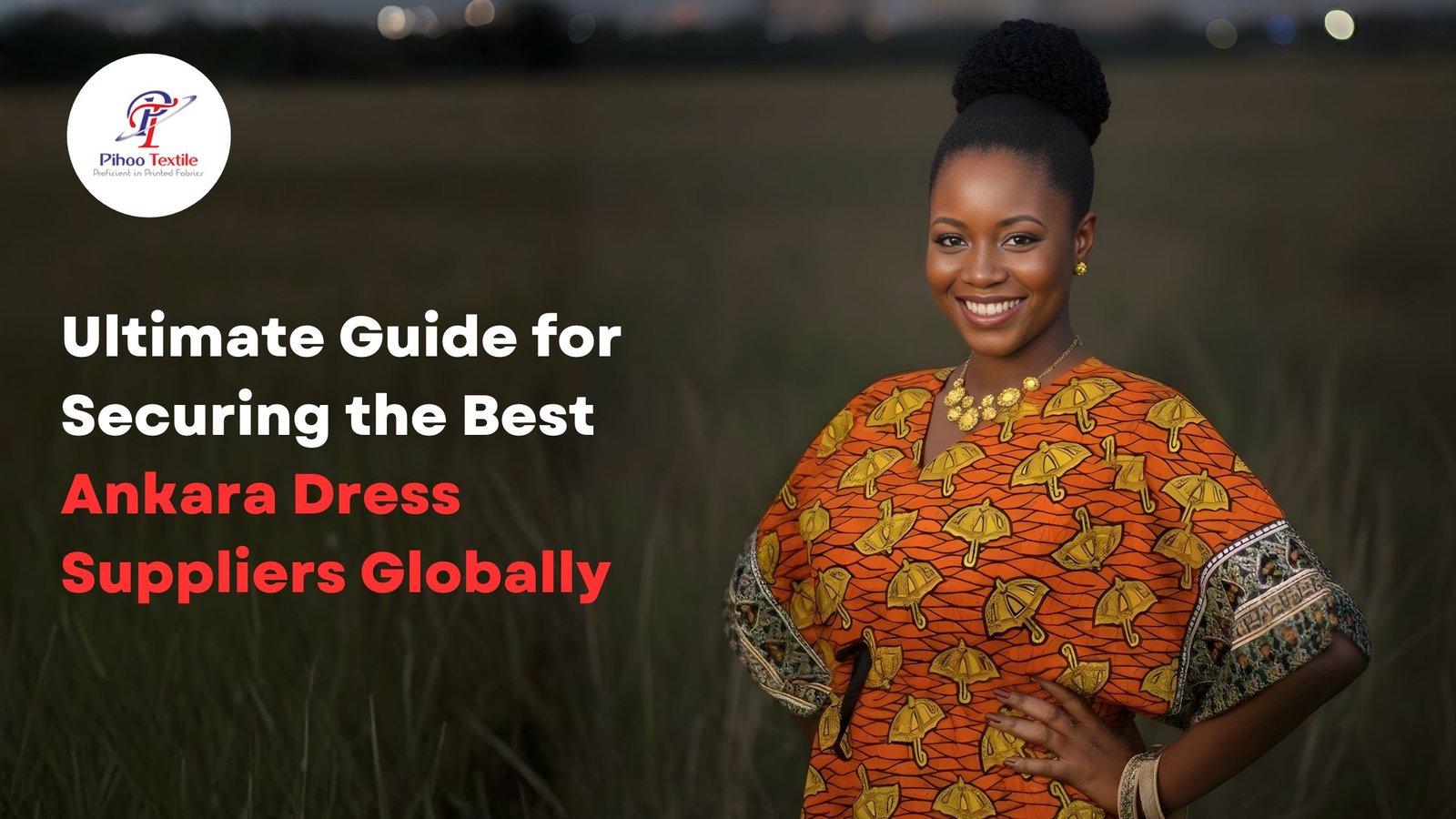
Ultimate Guide for Securing the Best Ankara Dress Suppliers Globally
Ankara dresses have moved from regional staple to global fashion category. From Lagos to London and New York to Nairobi, demand continues to grow. For boutiques, designers, and retailers, the opportunity is clear. But success depends on one core factor: securing reliable suppliers who deliver consistent quality, authentic prints, and stable logistics.
This guide walks through what actually matters when sourcing Ankara dress suppliers globally.
Start with Clear Internal Requirements
Before contacting any supplier, define what your business truly needs. Decide whether you require wholesale volumes for scale or smaller, flexible batches for curated collections. Clarify whether you need finished dresses or fabric for in-house production. Determine your acceptable minimum order quantity and realistic budget range, including shipping and customs.
Also define your quality expectations. Specify fabric weight, color vibrancy, durability after washing, and finishing standards. If you plan to build a distinct brand identity, confirm whether customization options such as exclusive prints or embellishments are required. Clear internal structure makes supplier evaluation easier and faster.
What to Evaluate in a Supplier
Strong suppliers show consistency, transparency, and operational control. Fabric variety matters because customers expect evolving designs. A good supplier should offer classic prints alongside trend-forward patterns. They should be able to explain sourcing clearly and distinguish between true wax-style prints and surface-printed alternatives.
Ethical manufacturing is increasingly important. Buyers want reassurance that labor standards and environmental considerations are respected. Certifications and third-party documentation add credibility. Customer support also matters. Fast response times and clear communication reduce risk during production and shipping.
In the middle of your evaluation process, use a simple checkpoint system so decisions stay objective and structured:
- Quality: Request recent samples. Check colorfastness, weave strength, print clarity, and finish.
- MOQ: Confirm minimum order quantities match your growth stage.
- Lead Time: Ask for realistic production and dispatch timelines.
- Documentation: Verify certifications, batch records, and export paperwork.
- Logistics: Clarify shipping options, tracking systems, and customs handling.
- Customization: Confirm whether exclusive designs or tailored embellishments are possible.
If a supplier struggles to answer these clearly, reconsider before committing.
Where to Search Globally
B2B marketplaces and textile directories provide broad visibility into manufacturers and wholesalers. Filtering by region, reviews, and export experience helps narrow the field. Trade shows and textile exhibitions remain valuable because you can physically inspect samples and negotiate directly.
Social platforms also play a role. Designers and influencers frequently highlight new suppliers. However, online visibility should never replace proper verification. Always request documentation and physical samples before scaling orders.
Avoiding Common Risks
Counterfeit or low-grade fabrics are common in high-demand categories. Compare samples carefully and test wash durability. Clarify all pricing elements before payment, including freight, duties, and packaging costs. Hidden fees reduce margin quickly.
Quality inconsistency across batches is another risk. Ask how shade matching and repeat production are managed. Reliable suppliers maintain lot tracking and consistent GSM control. Without that system, scaling becomes unstable.
Building Long-Term Supplier Partnerships
The strongest sourcing strategy is not transactional. It is relational. Long-term partnerships allow better forecasting, smoother restocking, and potential price advantages. Consistent communication builds trust and reduces errors.
Suppliers who understand your seasonal calendar can prepare inventory or production slots in advance. This reduces delays during peak demand. Over time, collaboration can also lead to exclusive print development aligned with your brand.
Customization and Brand Differentiation
Customization is a competitive advantage when done correctly. It may include exclusive patterns, specific color palettes, unique embellishments, or branded packaging. The key is ensuring the supplier can reproduce the design consistently across orders.
Customization should be supported by clear tech packs, fabric specs, and approval samples. Without documented standards, exclusivity can become inconsistency.
Sustainability and Social Impact
Consumers increasingly value responsible sourcing. Partnering with suppliers who prioritize ethical labor practices, water-conscious dyeing methods, and waste reduction strengthens brand credibility. Transparent sourcing also supports long-term market positioning, especially in premium segments.
Final Thoughts
Securing the best Ankara dress suppliers globally requires clarity, discipline, and verification. Define your needs clearly. Test quality before scaling. Evaluate logistics and documentation carefully. Build relationships instead of chasing short-term price advantages.
When supplier selection is done properly, your business gains stability. Fabric remains consistent. Deliveries stay reliable. Customers return because the quality they expect is the quality they receive. In a competitive global market, that reliability becomes your strongest advantage.
