
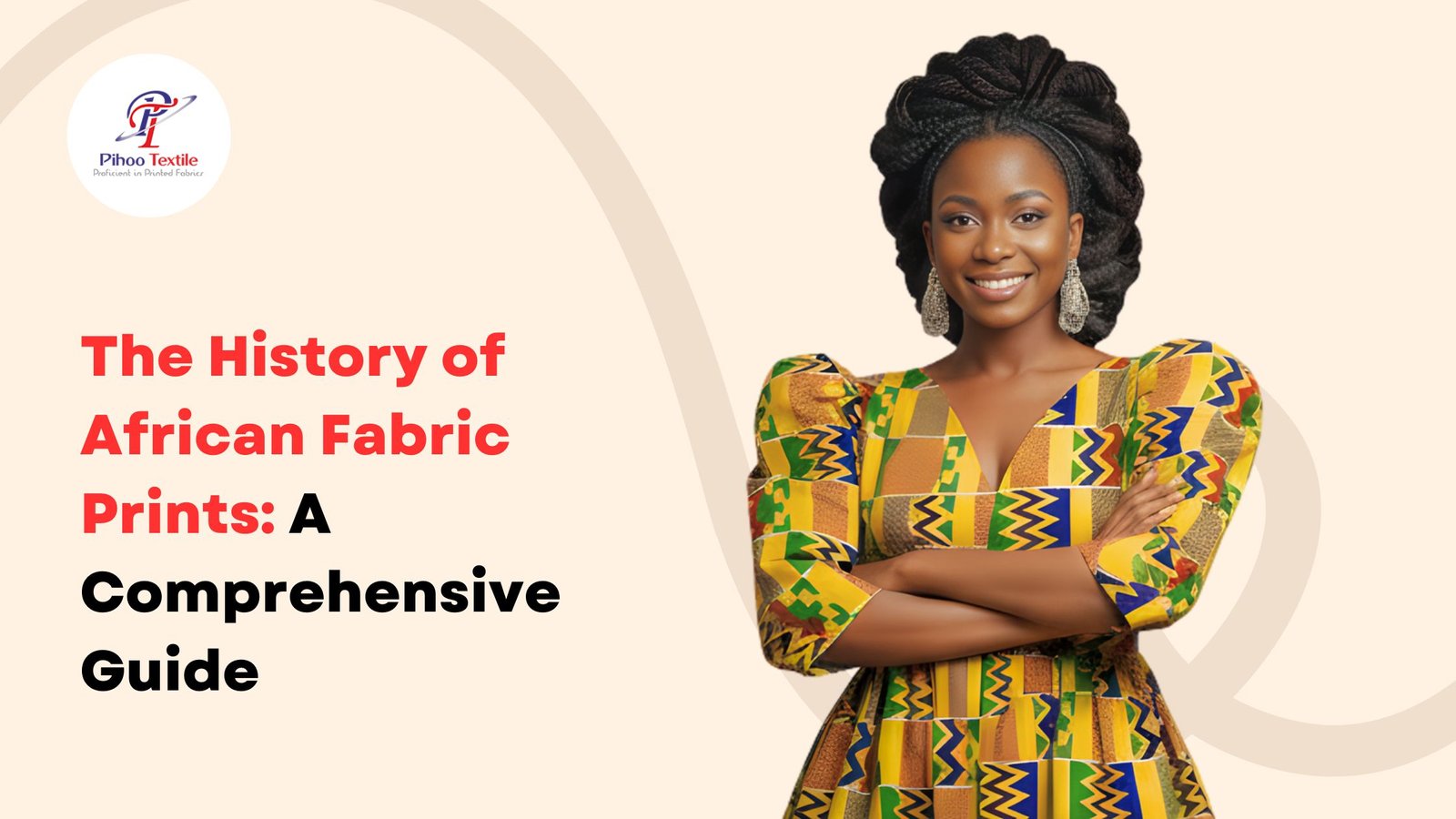
The History of African Fabric Prints: A Comprehensive Guide
African fabric prints carry history in every thread. They reflect trade routes, migration, ceremony, and daily life. Their bold colors and layered patterns are not accidental design choices. They are the result of centuries of craft, exchange, and adaptation. To understand African prints today, it helps to trace how they developed, how they moved across regions, and how they continue to evolve.
Early Textile Traditions
Long before industrial production, African communities developed strong textile systems. In West Africa, woven cotton and raffia strips were used in royal courts and ceremonial spaces. In Mali, mudcloth developed as a cotton fabric treated with fermented mud and plant-based dyes. These textiles carried symbolic meaning and were used in rites of passage and spiritual practice.
Indigo dyeing became central in several regions. In parts of Nigeria, resist-dyed indigo cloth known as adire developed through folding, tying, and starch application techniques. In Ghana, kente weaving emerged as a strip-woven textile associated with leadership and status. In East Africa, kanga textiles combined printed designs with written proverbs. These fabrics were not simply decorative. They communicated identity, belief, and social structure.
Trade and Industrial Influence
The nineteenth century introduced industrial printing to African textile markets. European manufacturers developed printed cotton inspired by Indonesian batik techniques and brought it into West Africa through trade networks. Although originally designed for other markets, these printed fabrics gained strong popularity in African regions.
Over time, African consumers influenced pattern development. Designs began to reflect local stories, political events, and social themes. Pattern names became important. The cloth moved from being imported trade material to being culturally embedded. Later, African-based manufacturers began producing their own printed textiles, strengthening regional control over production and design identity.
Social and Political Meaning
African fabric prints have long functioned as communication tools. Certain patterns have been associated with celebration, mourning, unity, or political expression. During independence movements across the twentieth century, textiles were worn as symbols of pride and resistance. Coordinated dress signaled solidarity.
Even today, specific prints may be chosen to mark weddings, community gatherings, or political events. The meaning often depends on local interpretation. A pattern can carry different associations depending on region or language. Fabric remains a visible language within many African societies.
Global Movement and Diaspora
As migration increased, African prints traveled to Europe, the Americas, and the Caribbean. Within diaspora communities, these fabrics became visible markers of heritage and identity. They appeared in cultural festivals, artistic movements, and fashion statements tied to self-definition and pride.
Global fashion markets began incorporating African print textiles into contemporary design. Designers combined traditional motifs with modern silhouettes, blending heritage with innovation. This cross-cultural exchange continues to shape how African prints are seen worldwide.
Modern Production and Innovation
Today, African print production combines traditional knowledge with modern technology. Digital printing allows faster development and complex detailing. Improved dye systems increase color consistency and reduce waste. Some manufacturers are exploring eco-conscious practices such as low-impact dyes and responsible sourcing.
At the same time, traditional craft methods continue in parallel. Handwoven kente, hand-dyed indigo, and mud-painted cloth remain important cultural practices. Preserving these methods supports artisan communities and protects generational skills.
Economic and Community Impact
Textile production supports a broad network of workers, including weavers, printers, dyers, designers, traders, and retailers. In many regions, fabric trade plays a key role in local economies. As global demand for African prints grows, maintaining fair production standards and sustainable sourcing becomes increasingly important.
Supporting authentic production systems strengthens communities and protects the cultural integrity of the textile.
Beyond Fashion
African prints are used not only in clothing but also in home décor, ceremonial textiles, and gift exchange. They appear at weddings, funerals, festivals, and community events. The fabric carries emotional and symbolic weight. It marks transitions and honors relationships.
Public figures, artists, and cultural leaders also use textiles to communicate messages. Fabric becomes part of visual diplomacy and cultural storytelling.
Moving Forward
African fabric prints continue to evolve. Technology changes how they are made. Global markets change how they are styled. But the core remains consistent. These textiles hold memory, identity, and craft knowledge within their structure.
Our production focuses on blending heritage respect with modern quality control. By maintaining weight consistency, color stability, and clear labeling, we aim to support both tradition and commercial reliability.
African prints are not static artifacts. They are living systems shaped by history and innovation. Understanding that balance helps preserve their value while allowing them to grow into the future.
