
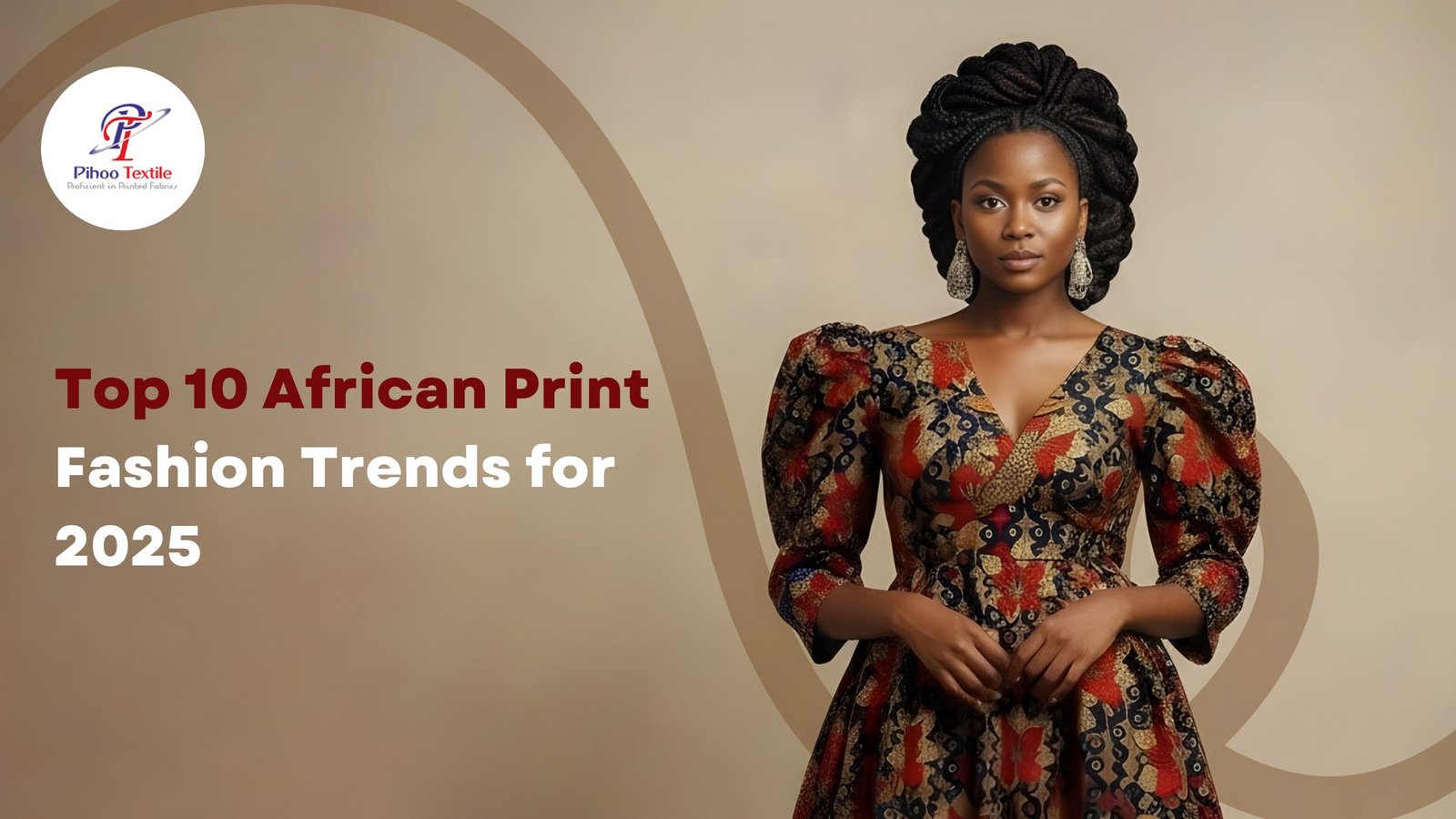
Top 10 African Print Fashion Trends for 2025
African print fashion continues to expand beyond geography. It is influencing global retail, digital platforms, and independent designers at the same time. In 2025, the direction is clear: heritage remains strong, but innovation is moving fast. Below are the ten trends shaping how African print fashion is being designed, sold, and worn this year.
1. Sustainable and Ethical Production
Sustainability is becoming operational, not optional. More brands are working with organic cotton, low-impact dyes, and waste-reduction cutting techniques. Upcycling older Ankara stock into new garments is gaining traction, especially for capsule collections. Consumers are asking where fabric comes from, how it is dyed, and who made it. Transparency is becoming part of product value.
2. Afro-Futurist Print Direction
Designers are blending traditional symbols with futuristic themes. Classic motifs are being reinterpreted with metallic tones, glow effects, and digital pattern layering. The look combines cultural memory with speculative design. This direction appeals to younger consumers who want identity expressed in a forward-looking way.
3. Stronger Presence on Global Runways
African prints are appearing more consistently in international fashion markets. Instead of being treated as novelty elements, they are integrated into structured tailoring, luxury ready-to-wear, and premium accessories. Cross-border collaborations and digital fashion drops are expanding global visibility. Online platforms make it easier for independent designers to sell directly to international buyers.
4. Bold Maximalism
Minimalism is giving way to layered styling and high-impact looks. Oversized sleeves, dramatic headpieces, mixed prints, and multi-layer garments are trending. African prints naturally support this direction because of their strong visual rhythm. Accessories are becoming larger and more sculptural to match the energy of the garments.
5. Digital-Driven Design and Sales
Social platforms are shaping demand quickly. Short-form video tutorials, styling challenges, and influencer-led drops are accelerating how trends spread. Designers are also using digital tools to generate new pattern ideas or preview collections before production. Online commerce tied to social media continues to drive direct sales growth.
6. Affordable Luxury Positioning
There is a shift away from positioning African print as low-cost fashion. Many brands are presenting Ankara and related textiles as premium products with careful finishing and structured tailoring. Consumers are willing to pay more when craftsmanship, fit, and fabric weight justify the price. Payment flexibility and direct-to-consumer models are helping expand access.
7. Cultural Fusion in Everyday Wear
African prints are moving into daily office and casual wardrobes. Structured blazers, tailored trousers, and modern dresses in wax prints are becoming common. Designers are balancing bold fabric with practical silhouettes so prints can fit into professional environments without losing identity.
8. Technology Integration
Technology is entering both design and fabric development. Digital pattern mapping, AI-assisted design drafts, and small-batch on-demand printing are becoming more common. Some brands are experimenting with performance finishes, temperature-regulating fabrics, and digitally embedded product tracking. The focus is on blending traditional aesthetics with modern textile engineering.
9. Collaborative Networks
Independent designers are forming collectives to share production resources and protect design rights. Collaboration between textile producers, fashion designers, and digital developers is increasing. Shared production systems help manage cost while preserving creative control.
10. Heritage Revival with Modern Structure
Designers are revisiting traditional techniques and adapting them for modern silhouettes. Historic motifs are being resized, recolored, or layered into contemporary cuts. The goal is not to freeze heritage but to reinterpret it in ways that feel current and commercially viable.
Closing
African print fashion in 2025 is defined by balance. It balances heritage with experimentation, craft with technology, and local identity with global reach. For brands and entrepreneurs, the opportunity lies in understanding both the cultural weight of the fabric and the commercial systems that support it. Those who respect both sides will build collections that feel relevant, durable, and forward-looking.
