
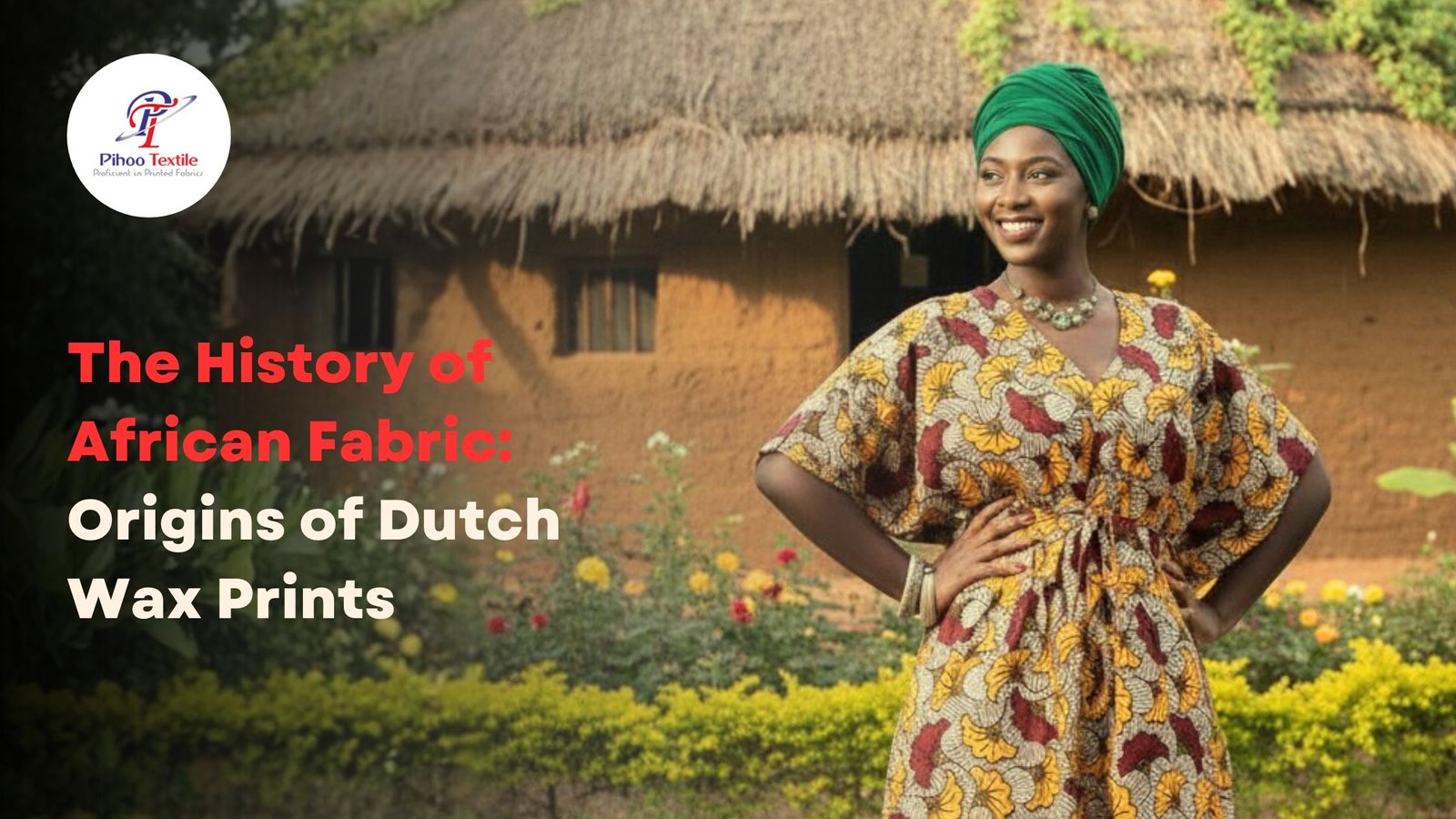
The History of African Fabric: Origins of Dutch Wax Prints
Most buyers assume Dutch wax prints are African in origin. They’re not. The fabric traces back to Indonesian batik, was industrialized by Dutch manufacturers, rejected by its intended Indonesian market, and then redirected to West Africa where it became a cultural cornerstone. That entire journey spans roughly 150 years and three continents.
This origin story matters for sourcing decisions. Understanding how the fabric developed—its production method, crackle effects, color conventions, and naming systems—helps buyers distinguish authentic quality from mass-market imitations flooding current markets. It also explains why certain design elements command premium pricing and cultural respect.
This guide traces Dutch wax prints from Indonesian batik foundations through Dutch industrialization, West African adoption, cultural transformation, and modern production standards. You’ll understand what makes genuine wax prints structurally different from printed imitations and why that difference affects both price and performance.
Indonesian Batik Foundations
Batik originated in South and Southeast Asia before Javanese artisans refined it into a sophisticated craft tradition. The technique uses a small copper tool called a “canting” to apply molten wax onto cotton fabric in precise patterns. Dye baths follow, with wax preventing color penetration in waxed areas. Multiple wax applications and dye baths create layered, multi-color designs.
Javanese batik carried significant cultural weight—specific patterns indicated social status, marital standing, and regional identity. The craft required years of apprenticeship. High-quality pieces took months to complete. This slow, skilled production made batik inaccessible for industrial replication at commercial scale.
Dutch Industrialization Attempts
Dutch merchants encountered batik during their colonial presence in the Dutch East Indies (modern Indonesia) throughout the 19th century. The commercial opportunity was obvious—industrial replication would allow mass production at fractions of artisan pricing.
Engineers developed copper cylinder machines that applied wax to both fabric sides simultaneously. The process worked mechanically but produced one unavoidable flaw: air bubbles and temperature inconsistencies caused wax to fracture during dyeing, creating irregular crack lines across the fabric surface. These “crackle” patterns didn’t appear in hand-crafted Javanese batik.
Javanese buyers rejected the industrial product immediately. The crackle effect marked it as inferior imitation rather than skilled craft. Dutch manufacturers had invested heavily in machinery and fabric inventory with no viable market for the output.
Shift to West African Markets
Here’s the overlooked detail that shaped an entire continent’s fashion: Dutch-trained soldiers from Ghana and Nigeria (called “Belanda Hitam” or Black Dutchmen) served in the Dutch colonial army in Java. Returning home in the 1880s, they brought Dutch-made wax fabrics with them. West African buyers responded differently than Javanese consumers—the crackle effect read as distinctive rather than defective.
Dutch traders recognized the opportunity and redirected their entire production toward West African markets, particularly the Gold Coast (modern Ghana). The fabrics found immediate acceptance in coastal trading ports. By the early 20th century, West Africa had become the primary market for Dutch wax print production.
African Cultural Transformation
West Africans didn’t merely adopt the fabric—they completely transformed its cultural framework. Local market women became powerful tastemakers who commissioned specific patterns and color combinations suited to West African aesthetics. They rejected European design sensibilities and demanded prints that reflected their own visual language.
Designs acquired names tied to real-world references. A circular geometric pattern became “telephone.” A specific floral arrangement became “mother and child.” These naming conventions created a communication system through fabric—wearing a particular pattern conveyed social messages without spoken words. This system carries directly from 19th century coastal trade into current fashion markets.
The uncomfortable historical reality: a fabric now deeply associated with African identity was manufactured in Europe for commercial profit. West African women transformed a colonial product into genuine cultural expression through decades of design influence, naming conventions, and social coding that European manufacturers simply followed for market access.
Modern Production Standards
Current wax print production happens across multiple regions: traditional European facilities, West African manufacturers, and Asian producers serving global markets. Quality varies significantly between sources. Fabric specifications that distinguish authentic wax prints from printed imitations:
- Identical print on both sides: Wax-resist dyeing penetrates both fabric faces equally
- Crackle lines: Genuine wax prints show irregular fracture marks from the wax process
- Cotton base: 100% cotton at 160-180 GSM for standard production
- Colorfastness: Damp white cloth rubbed on surface should show minimal transfer
- Selvedge stamps: Authentic manufacturers mark edges with brand and design codes
Printed imitations apply color only to the top surface, producing dull reverses and missing crackle effects. These fabrics fade faster, feel different in hand, and lack the structural depth of genuine wax-resist production.
FAQs
Are Dutch wax prints actually Dutch?
They originated from Dutch industrialization of Indonesian batik techniques in the 19th century. Today, production happens globally—including West Africa, India, and China—with “Dutch” referring to the production method and quality standard rather than geographic origin.
Why do wax prints have crackle lines?
Crackle lines result from molten wax fracturing during the dyeing process. Dutch industrial machinery created this effect as an unintended byproduct. West Africans came to regard it as a quality marker rather than a defect, so manufacturers preserved it deliberately.
What makes wax prints more expensive than regular prints?
The wax-resist process requires multiple production stages—wax application, dye baths, wax removal, and finishing. Each stage adds cost. Genuine wax prints use higher-grade cotton and more complex printing sequences than surface-printed imitations.
Conclusion
Dutch wax prints carry a layered history: Indonesian craft origins, European industrial replication, West African cultural adoption, and global fashion influence. Understanding this trajectory clarifies why authentic wax prints cost more, perform better, and carry design significance that imitations simply can’t replicate.
Pihoo Textile produces wax print fabrics with authentic crackle replication, 100% cotton bases, colorfast dyeing, and identical double-sided printing that meets genuine wax print standards. Our export-ready production serves buyers across West African, European, and international markets.
Visit pihootextile.com to request wax print samples, review fabric specifications, or discuss custom design development. Source wax prints with production integrity and cultural authenticity built into every yard.
