
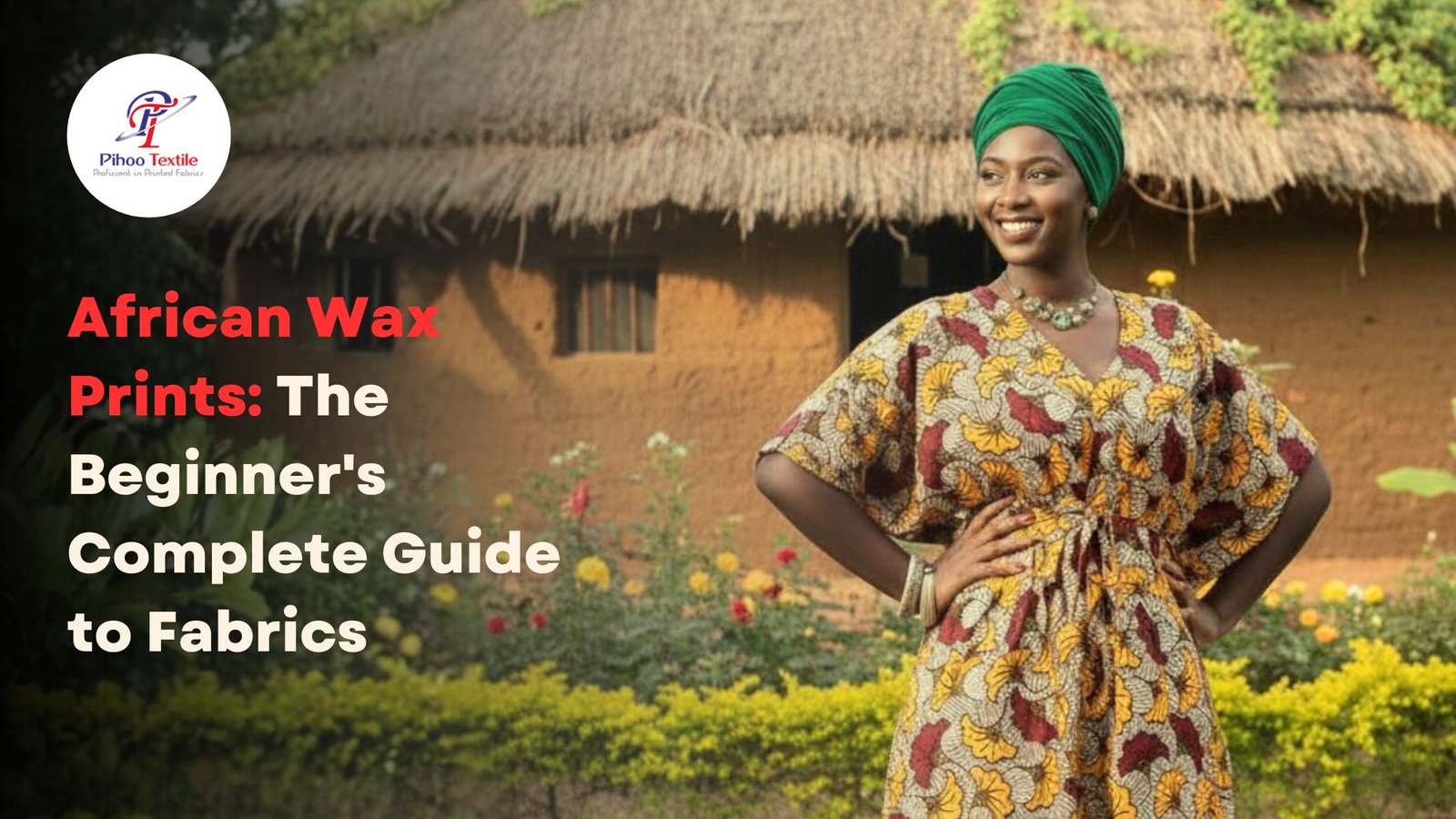
African Wax Prints: The Beginner’s Complete Guide to Fabrics
Textile buyers entering the African print market face immediate confusion. Terms like “Ankara,” “Dutch wax,” “Hollandais,” and “Java print” get used interchangeably, making it difficult to distinguish genuine wax prints from cheaper imitations. Price variations span from $3 to $25 per yard for fabrics that look similar to untrained eyes, yet perform drastically differently after washing and wearing.
This guide eliminates that confusion. African wax prints represent a specific production technique—not a pattern style or geographic origin—that creates durable, double-sided printed cotton with distinctive characteristics. Understanding these technical differences protects buyers from costly purchasing mistakes and opens access to a textile category with proven market demand across fashion, home décor, and craft applications. This piece breaks down production methods, quality verification steps, fabric grades, practical uses, and purchasing considerations that matter for commercial buyers and designers working with African wax prints for the first time.
What African Wax Print Fabric Actually Means?
African wax print refers to a production method, not a design aesthetic.
The term describes cotton fabric printed using wax-resist dyeing techniques adapted from Indonesian batik. Hot wax or resin gets applied to fabric, creating barriers that control dye absorption during multiple immersion cycles. This process produces fabric with color penetration on both sides—a defining characteristic that separates genuine wax prints from surface-printed imitations.
The name “African” reflects adoption rather than origin. West African consumers, particularly in Ghana and Nigeria, embraced these textiles so thoroughly that they became cultural identifiers despite being initially produced in Europe and Asia.
History and Cultural Evolution
African wax prints emerged from failed European textile exports.
In the 19th century, Dutch manufacturers industrialized Indonesian batik production methods to supply colonial markets. When Indonesian consumers rejected machine-made versions as inferior to handmade batik, Dutch traders redirected inventory to West Africa. Gold Coast (now Ghana) consumers adopted the fabrics enthusiastically, transforming them into essential cultural textiles.
By the mid-20th century, African markets drove production decisions. Manufacturers began creating patterns specifically for West African tastes, incorporating symbolic motifs, commemorative designs, and visual narratives that resonated locally. Today’s patterns often carry names and meanings developed entirely within African communities rather than European design studios.
Production Techniques That Create Quality Differences
Genuine wax print production involves multiple technical steps that create its distinctive properties.
The Wax-Resist Process
- Wax or resin gets applied to white cotton fabric in precise patterns
- Fabric undergoes first dye bath; waxed areas resist color absorption
- Additional wax layers get applied for multi-color designs
- Repeated dyeing builds color complexity
- Wax removal reveals the final pattern with characteristic “crackle” lines where dye seeped through wax cracks
This method produces fabric printed equally on both sides—a quality indicator impossible to replicate with standard surface printing.
Industrial Adaptations
Modern production uses resin instead of natural wax for consistency and speed, but maintains the resist-dyeing principle. Advanced facilities achieve vibrant colors and pattern registration that surpass historical quality while reducing production time from weeks to days.
Key Quality Indicators for Buyers
Distinguishing genuine wax prints from imitations requires checking specific physical characteristics.
Visual inspection reveals critical differences. Authentic wax prints show equal color intensity on both fabric sides, while imitations display faded reverse sides. The “crackle” effect—fine irregular lines throughout the pattern—indicates genuine wax-resist production; machine prints lack this texture.
Physical Tests
Perform these checks before committing to bulk orders:
- Hand feel: Genuine wax prints have slight stiffness from resin residue; overly soft fabric suggests standard printing
- Selvedge markings: Quality producers stamp technical information along fabric edges
- Batch consistency: Authentic wax prints show minor color variations between production runs—a characteristic of the dyeing process
The contrarian insight? Perfect consistency across batches actually signals lower-quality production, not higher. Wax-resist dyeing creates natural variation that manufacturers have learned to control rather than eliminate.
Fabric Grades and Market Categories
The wax print market segments into quality tiers with distinct characteristics and price points.
Premium grades use 100% cotton with higher thread counts (typically 200+ gsm) and undergo more dye cycles for richer colors. These fabrics maintain vibrancy through 50+ washes. Mid-tier options balance quality and cost, using fewer dye cycles but maintaining double-sided printing. Economy grades often substitute standard printing for wax-resist methods despite using similar pattern aesthetics.
Terms like “super wax,” “java,” and “hollandais” reference production quality rather than pattern types, though definitions vary between manufacturers.
Practical Applications Across Categories
African wax prints adapt to diverse end uses beyond traditional garments.
Fashion applications include structured dresses, tailored blazers, flowing skirts, statement accessories, and headwraps. The fabric’s body and weight make it suitable for garments requiring structure without lining. Home décor uses span throw pillows, table runners, upholstery accents, and quilting projects.
Buyers report that wax prints’ bold patterns reduce inventory risk—distinctive designs attract immediate attention rather than blending into neutral-dominated markets.
Care and Longevity
Proper maintenance extends fabric life significantly.
Wash wax prints in cold water separately during first few cycles to remove excess dye and resin. Avoid harsh detergents that strip color. Line drying preserves vibrancy better than machine drying. Iron on medium heat while slightly damp for best results.
Quality wax prints soften with washing while maintaining color intensity—a performance indicator that separates genuine production from imitations that fade rapidly.
Sourcing Considerations for Commercial Buyers
Wholesale wax print sourcing requires evaluating suppliers across quality, consistency, and minimum order terms.
Request samples before bulk orders, testing for double-sided color strength, fabric weight, and pattern registration. Verify production methods—genuine wax-resist versus standard printing—through physical inspection. Establish reorder protocols since exact color matching between production runs proves difficult with authentic wax techniques.
Conclusion
African wax prints offer commercial textile buyers a product category with strong market recognition, cultural authenticity, and technical quality markers that justify premium pricing. Understanding production methods and quality indicators prevents costly purchasing mistakes while opening access to textiles with proven consumer appeal.
Pihoo Textile manufactures premium African Real Wax Print fabrics at our Jetpur facility using authentic wax-resist printing techniques on 100% cotton base materials. Our production combines traditional aesthetics with modern quality controls, delivering vibrant, double-sided prints that meet international durability and colorfastness standards.
Request fabric samples from our African wax print collection or contact our export team to discuss custom patterns, bulk pricing, and wholesale partnership opportunities that bring authentic wax prints to your product lines.
