
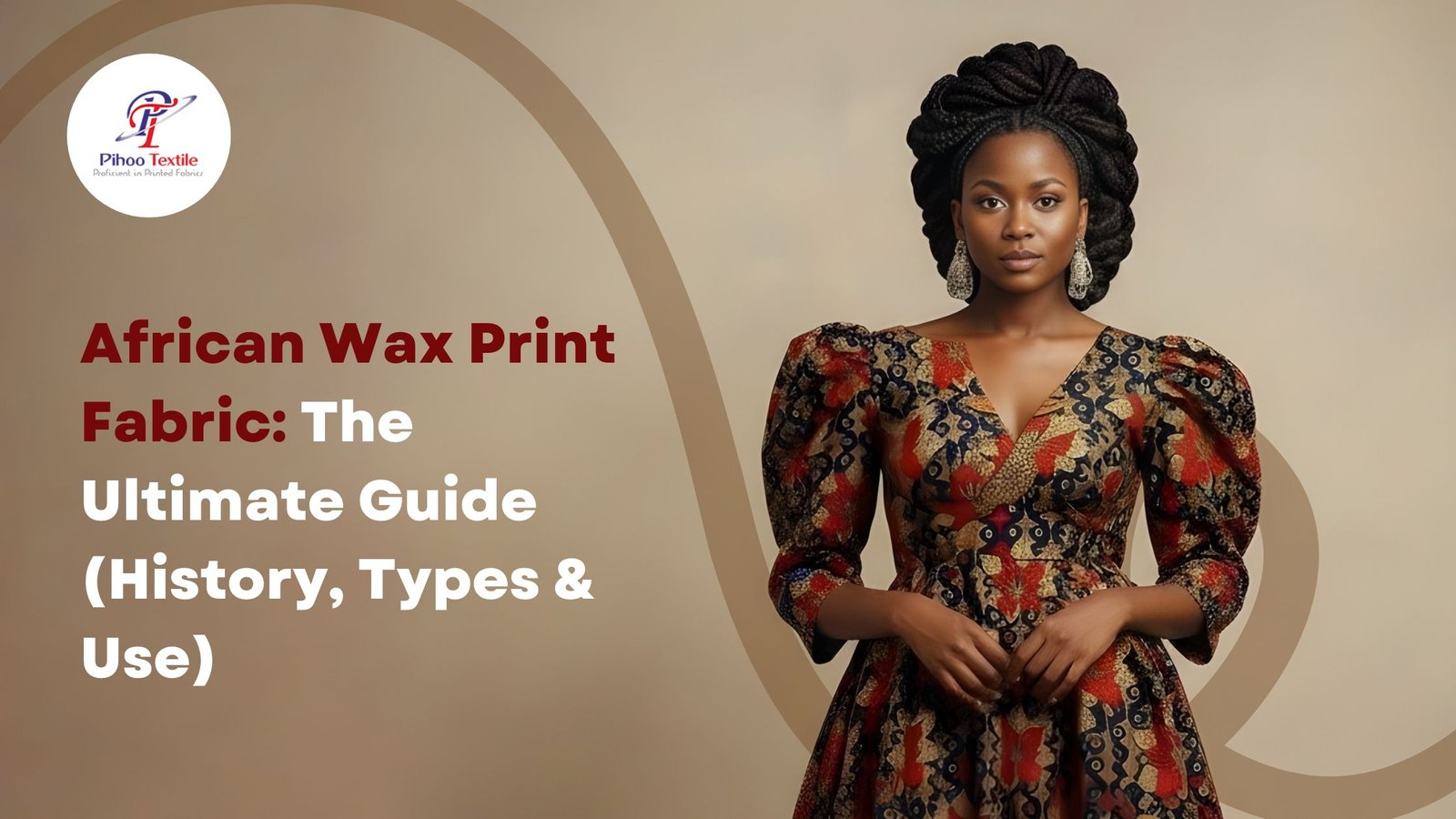
African Wax Print Fabric: The Ultimate Guide (History, Types & Use)
Introduction
Walk into any West African marketplace and you’ll see it everywhere. Vibrant patterns in indigo, amber, and crimson stretched across stalls. Women draped in bold geometric prints and floral motifs that seem to dance in the sunlight. But here’s what most buyers don’t know: this fabric isn’t even African in origin.
African wax print fabric—also called Ankara, Dutch Wax, or Hollandais—carries a backstory spanning three continents. Its history is rooted in Indonesian batik, mass-produced by Dutch colonizers, and rejected by its intended market. West African soldiers brought it home as gifts in the 19th century, and it exploded into a cultural phenomenon. Today, it’s a symbol of identity, fashion, and communication.
This guide walks through the history, production process, types, uses, and care of African wax print fabric. Whether you’re a designer, seamstress, or buyer looking for authentic material, you’ll learn what makes this textile unique and how to work with it.
History and Origins
African wax print fabric started in Indonesia during the 1800s. The Dutch colonized the region, then called the Dutch East Indies, and became obsessed with local batik prints. Traditional batik involved hand-painting designs onto cloth with beeswax, then dyeing the fabric so the waxed areas resisted color penetration.
The Dutch mechanized this process. They transferred batik designs onto copper rollers covered in wax, which stamped patterns onto both sides of cotton fabric. The cloth was then plunged into indigo dye, followed by additional colors applied one at a time.
But there was a problem. The mechanized process created veining and crackling effects that Indonesians saw as flaws. Sales flopped. Around 700 soldiers from the Gold Coast (modern-day Ghana) who served in Java brought the fabrics home as gifts. West Africans saw the crackle differently—they considered it proof of quality printing.
What Is African Wax Print Fabric?
African wax print fabric is 100% cotton cloth printed using an industrial wax-resist dyeing method. The defining characteristic is its double-sided print—both sides of the fabric display the same pattern and color intensity, something difficult to achieve in textile manufacturing.
The wax application creates unique effects. During the dyeing process, the wax cracks and allows dye to seep through, creating marbling, air bubbles, and veining. These “imperfections” became the fabric’s signature look.
Most authentic wax prints are heavyweight and structured. The fabric has a glossy finish when new, which washes away after the first wash, leaving vibrant colors intact. Unlike cheaper imitations, true wax prints don’t fade even after years of washing.
Production Process
Modern African wax print production still follows the original Dutch method, now automated with computer-aided design (CAD) software.
Step 1: Design Creation
Patterns are designed digitally instead of by hand. These designs are then etched onto copper rollers.
Step 2: Wax Application
Melted wax is applied to both sides of the cotton fabric using the etched copper rollers. This creates the areas that will resist dye.
Step 3: Dyeing
The fabric is immersed in an indigo dye bath. Non-waxed areas absorb the color, while waxed areas remain untouched.
Step 4: Additional Colors
After the first dye bath, portions of the wax are removed. The fabric is dried and additional colors are applied using stamps or blocks, one at a time. The process repeats for each new color.
Step 5: Wax Removal
Once all colors are applied, the fabric is boiled to remove remaining wax. The crackling effect occurs when the wax breaks during dyeing, allowing small amounts of dye to seep through.
Types and Variations
Naming Conventions
African wax print goes by multiple names. “Ankara” is the most common in Nigeria. “Dutch Wax” or “Hollandais” references its European manufacturing roots. “Kitenge” is used in East Africa.
Pattern Symbolism
Many wax print designs carry names, stories, and hidden meanings. Women used these patterns as nonverbal communication, conveying messages through their clothing choices.
“Nsu Bra” (or Nsu Bura) is one classic design featuring tiny spiral dots resembling ripples in a well after a stone drops into it. “The Happy Family” shows a chicken surrounded by chicks and eggs, representing the maternal role in African families. “Ungrateful Husband” was historically worn by women to indirectly tell their husbands they had been unfaithful or disrespectful.
Quality Variations
Not all wax prints are created equal. Authentic wax prints use the full wax-resist process and are printed on both sides. Imitations, often called “fancy prints,” use cheaper methods and print on only one side. These fade faster and lack the characteristic crackling effect.
Uses of African Wax Print Fabric
Traditional Clothing
In West Africa, wax prints are staples for special occasions. Weddings, birthdays, church services, and cultural ceremonies call for custom-made clothing from these fabrics. They’re typically worn as formal or statement pieces.
Contemporary Fashion
Modern designers blend wax prints with everyday casual wear. Hoodies, bomber jackets, and t-shirts now feature Ankara panels mixed with cotton or polyester. Each garment becomes unique because cutting patterns from different sections of repeating designs creates slight variations.
Home Décor and Accessories
Beyond clothing, wax prints work well for bags, upholstery, aprons, and baby carriers. The structured nature of the fabric makes it suitable for items that need to hold their shape.
Quilting and Crafts
The bold colors and patterns make wax prints popular in quilting communities. The fabric’s weight and durability also suit craft projects requiring longevity.
How to Identify Authentic Fabric?
Double-Sided Printing
Flip the fabric over. Authentic wax prints display identical color intensity on both sides. If one side is noticeably duller, it’s likely an imitation.
Weight and Texture
Real wax prints feel heavyweight and structured. The fabric stands on its own and doesn’t drape like lighter cottons.
Crackling and Marbling
Look for the characteristic veining and crackling effects. These irregular patterns are signs of the wax-resist process.
Glossy Finish
New authentic fabric has a stiff, glossy finish from residual wax. This washes away on the first cold-water wash, revealing the true colors beneath.
Care and Maintenance
Washing Instructions
Always use cold water. Machine wash at 30 degrees Celsius or hand wash with mild detergent. Hot water and harsh chemicals damage the waxed coating and fade colors.
Drying
Avoid direct sunlight when drying. Hang the fabric in shade to prevent color fading.
Ironing
Pre-wash fabric before sewing to remove the glossy finish. Once washed, iron on medium heat. The fabric becomes softer with each wash while maintaining color vibrancy.
Storage
Store in a cool, dry place away from direct light. Fold carefully to avoid permanent creases.
Sewing Tips for Wax Print Fabric
Use Heavy-Duty Needles
Wax print is thicker than standard cotton. Use a size 100/16 needle minimum, or 100/18 for thicker fabrics.
Skip the Pins
Pins leave permanent holes in wax fabric. Use pattern weights or fabric clips instead.
Don’t Worry About Grain
Unlike other fabrics, wax print’s bold patterns often override grain considerations. Choose the direction that best displays your preferred design and follow that grain.
Clean Your Machine
Wax residue can build up. Wipe down your sewing machine after completing each project.
Embrace Pattern Placement
Because each cut creates a unique section of the repeating pattern, no two garments look identical. This isn’t a flaw—it’s a feature.
FAQs
Q: Does African wax print fabric shrink?
A: Minimal shrinkage occurs if you pre-wash in cold water before sewing. Always wash new fabric once before cutting patterns to account for any shrinkage. The fabric maintains its size well after the initial wash.
Q: Can I mix different wax prints in one garment?
A: Absolutely. Mixing prints is common in African fashion. The key is ensuring color harmony—choose prints that share at least one common color to create cohesion. Bold patterns work together when colors complement each other.
Q: Why is authentic wax print more expensive than other cotton fabrics?
A: The multi-step wax-resist dyeing process requires more time, materials, and labor than standard printing methods. Copper rollers must be etched for each design, wax must be applied multiple times, and colors are added individually. You’re paying for craftsmanship and durability.
Q: How can I tell if my wax print will fade?
A: Test a small corner with a damp white cloth. If color transfers, it’s likely a lower-quality print that will fade. Authentic wax prints hold color even after years of washing. The double-sided printing and proper wax-resist process lock in color permanently.
Q: Is African wax print fabric suitable for hot climates?
A: Yes. The 100% cotton construction breathes well despite the heavyweight feel. The fabric actually keeps you cool in hot weather while providing enough structure for formal wear. Its durability makes it practical for frequent washing in humid conditions.
Q: Can I use African wax print for upholstery projects?
A: The structured weight makes it excellent for upholstery, cushions, and bags. The fabric holds its shape well and withstands regular use. However, avoid high-friction areas like sofa seats unless you add a protective backing layer.
Conclusion
African wax print fabric tells a story across continents and centuries. From Indonesian batik to Dutch industrialization to West African cultural adoption, this textile became more than cloth—it’s a language, an identity, and an art form. Understanding its history, production, and care helps buyers make informed choices and work with the fabric properly.
The key takeaway? Authentic wax prints are worth the investment. Double-sided printing, vibrant colors that don’t fade, and the distinctive crackling effect separate real wax prints from imitations. Whether you’re sewing traditional garments or contemporary fashion, this fabric delivers durability and visual impact.
Ready to start your next project? Choose quality wax prints that honor the craft.
Pihoo Textile brings authentic African wax print fabrics directly to designers, seamstresses, and fashion enthusiasts. We source genuine wax-resist printed cotton with double-sided vibrancy and the characteristic crackling that marks quality craftsmanship. Every meter tells a story.
Browse our collection of bold patterns, classic designs, and contemporary prints at pihootextile.com . Find the fabric that speaks to your vision and experience the difference authentic wax prints make in your creations.
