
Pihoo Textile is an Exporter of Fabrics in whole African countries and also supplies to exporters and local market. Our Printing quality is suitable for African culture.
© 2026 Created by IndiaFinds

Author name: Pihoo

Ankara Fabric Beauty: Top African Print Fashion Trends
Ankara Fabric

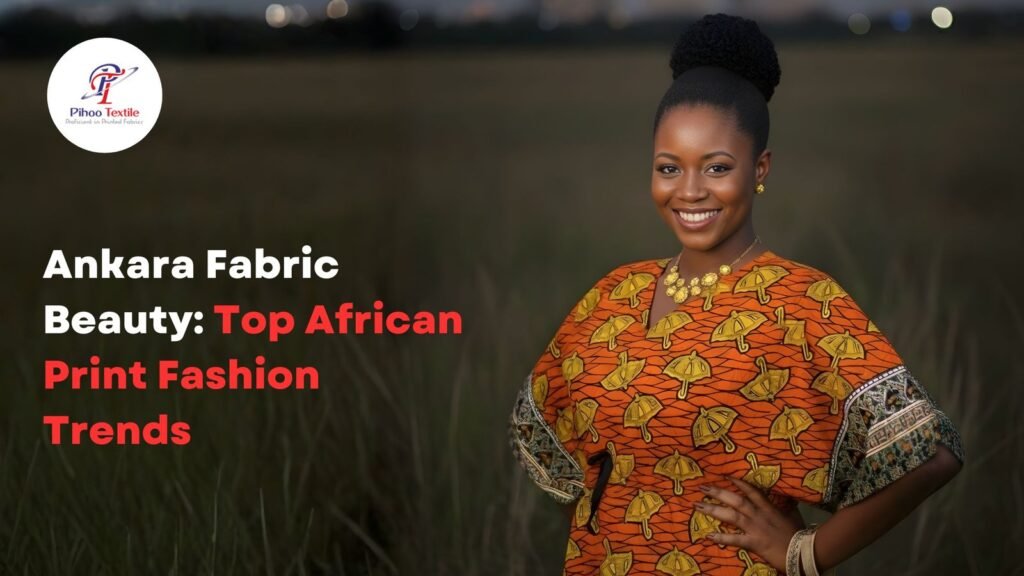
Ankara Fabric Beauty: Top African Print Fashion Trends

Introduction Ankara fabric dominates global fashion conversations, yet 60% of buyers cannot distinguish authentic wax prints from screen-printed imitations. This confusion costs designers and fashion enthusiasts who invest in fabrics that fade within weeks or lose their structure after minimal use. The beauty of Ankara lies not just in its bold patterns but in production techniques that create lasting vibrancy and distinctive texture. Understanding current trends, quality markers, and styling applications helps buyers make choices that deliver both aesthetic appeal and functional durability. This guide covers what makes Ankara unique, the fashion trends defining 2025, styling strategies for different occasions, and practical selection criteria. Whether creating statement garments, fusion wear, or home décor pieces, knowing how Ankara performs in real-world applications separates successful projects from disappointing outcomes. What Makes Ankara Fabric Unique Ankara fabric refers to colorful cotton textiles featuring bold, vibrant patterns created through wax-resist dyeing methods. The production process applies wax or resin to fabric surfaces before immersing cloth in dye baths, creating patterns where wax repels color. This technique produces identical color intensity on both fabric sides, a hallmark absent in standard printed cotton. The characteristic “crackle” effect appears when wax develops fine cracks during processing, allowing dye to penetrate in delicate lines. This creates the marbled, duo-tone appearance that marks premium Ankara textiles. The fabric feels stiffer and heavier than regular cotton due to dense weaving and wax treatment, providing natural structure for garments without additional interfacing. Top African Print Fashion Trends for 2025 Statement Ankara Dresses Maxi dresses with full skirts and fitted bodices lead current Ankara fashion trends. Asymmetrical hemlines, off-shoulder necklines, and dramatic sleeves add contemporary edge to traditional patterns. Midi-length wrap dresses work for both professional settings and casual outings, offering versatility that maximizes fabric investment. Color-blocking techniques combine multiple Ankara patterns in single garments, creating visual interest through deliberate pattern clashes. This approach requires careful color coordination to keep looks cohesive rather than chaotic. Fusion Wear and Contemporary Silhouettes Ankara fabric appears in unexpected Western silhouettes including blazers, trench coats, and tailored pantsuits. Indian designers blend Ankara with kurta designs, palazzo pants, and jacket overlays, creating cross-cultural fusion pieces. The bold patterns work as accent pieces paired with solid-colored basics in neutral tones. Mixing Ankara with denim, leather, or silk creates texture contrast that highlights the fabric’s distinctive surface. A structured Ankara blazer over a simple white t-shirt and jeans demonstrates how traditional textiles fit contemporary wardrobes. Ankara Accessories and Footwear Accessories offer low-risk entry points for experimenting with Ankara patterns. Bags, headwraps, shoes, belts, and jewelry featuring these textiles add personality to otherwise plain outfits. Small accessories require minimal fabric investment while delivering maximum visual impact. Ankara-covered pumps, sandals, and sneakers transform footwear into conversation pieces. The fabric’s natural stiffness holds shape well for structured bags and clutches without requiring heavy internal support. Ankara for Men Men’s Ankara fashion extends beyond traditional dashikis into contemporary shirts, jackets, and trousers. Ankara-print shirts paired with solid-colored pants create balanced looks suitable for social events and creative workplaces. Full Ankara suits make bold statements for weddings and formal occasions. Accessories including bow ties, pocket squares, and caps allow men to work in Ankara elements without committing to full-pattern garments. This incremental approach builds confidence with bold textiles. How to Style Ankara for Different Occasions Casual Ankara Looks Pair Ankara skirts or pants with solid-colored tops in white, black, or navy to keep looks grounded. Ankara tops work with denim jeans or neutral-toned trousers. Keep accessories minimal when wearing large-pattern Ankara to avoid visual overload. Casual styling succeeds when Ankara serves as the focal point with everything else supporting rather than competing. Simple silhouettes let the fabric patterns take center stage. Formal and Event Wear Floor-length Ankara gowns with elegant draping suit formal events and galas. Choose fabrics with metallic accents or sophisticated color palettes in burgundy, navy, or emerald for elevated looks. Tailored Ankara suits with matching accessories project confidence at business events. The fabric’s natural structure creates clean lines without excessive ironing or stiffening agents. This makes Ankara practical for events requiring extended wear without wilting or losing shape. Wedding and Bridal Styles Ankara appears in wedding attire as full bridal gowns, bridesmaid dresses, and coordinated outfits for wedding guests. Couples create matching or complementary Ankara outfits for traditional ceremonies. The fabric’s cultural significance adds meaning to wedding celebrations. Modern brides mix Ankara with lace, beading, or tulle to create unique bridal looks that honor African heritage while embracing contemporary aesthetics. Custom-designed patterns featuring couple names or wedding dates personalize the textiles. How to Choose Quality Ankara Fabric Check that colors appear equally vibrant on both fabric sides. Authentic Ankara weighs more than standard cotton prints due to dense weaving and wax treatment. Look for manufacturer information printed along the selvage edge, including brand names and quality certifications. Test colorfastness by rubbing a damp white cloth against the pattern. Color transfer indicates poor dye quality that will bleed during washing. Quality Ankara maintains pattern sharpness with no blurring where colors meet within designs. Care and Maintenance Tips Wash Ankara separately in cold water using mild detergent. Avoid hot water, which softens wax coatings prematurely and causes fading. Hand washing preserves colors better than machine washing, though gentle machine cycles work when necessary. Air dry fabrics away from direct sunlight to prevent color degradation. Iron on medium heat with fabric face-down to protect surface patterns. Store unused fabric rolled rather than folded to prevent permanent creases in the wax coating. FAQs Q: Can I mix different Ankara patterns in one outfit? A: Yes, pattern mixing creates dynamic looks when patterns share common colors. Start with two patterns of different scales—pair large florals with small geometrics. Keep one color consistent across both fabrics to maintain visual cohesion. Q: How much fabric do I need for a typical dress? A: A standard dress requires 2.5 to 3 meters depending on design complexity and size. Full-length maxi dresses need 3.5 to 4 meters. Always purchase

10 Essential Tips for Sewing With Ankara African Wax Print
Uncategorized

10 Essential Tips for Sewing With Ankara African Wax Print

Introduction Most sewers buy Ankara fabric for its bold patterns, then ruin the first project through completely avoidable mistakes. They skip pre-washing, ignore print direction, cut pieces randomly without matching, and wonder why seams pucker or colors bleed. The uncomfortable truth: Ankara isn’t difficult—it just punishes carelessness harder than plain cotton. The wax-resist printing creates stiffness when new, the narrow width demands different layout strategies, and the busy patterns make poor cutting choices glaringly obvious in finished garments. But here’s the transformation: ten specific techniques turn Ankara from intimidating specialty fabric into predictable, professional-looking results. This guide covers buying adequate yardage for the narrow width, confirming 100% cotton composition, pre-washing to remove waxy finish and control shrinkage, choosing flattering patterns, planning print placement intentionally, matching repeats where it matters, marking pieces clearly, selecting appropriate needles and stitch length, finishing seams properly, and pressing throughout construction. Master these fundamentals and Ankara behaves like any quality cotton—just louder. Buy More Fabric Than You Think Ankara typically sells in 6-yard bundles at approximately 45 inches (115cm) width. This narrow width consumes more fabric than standard 60-inch cottons for identical pattern pieces. Pattern envelopes list yardage requirements by fabric width. Always use the 45-inch column, then add 10-15% for pre-wash shrinkage and another 15-20% if planning print matching. A dress requiring 2.5 yards at 45-inch width needs 3.25-3.5 yards total when accounting for these realities. The 6-yard bundle format often leaves excess fabric. Plan coordinating accessories—headwraps, bags, pocket details—to use remnants productively rather than wasting investment. Confirm 100% Cotton Composition Not all Ankara is created equal. Polyester blends marketed as “African wax print” lack the breathability, pressing behavior, and hand feel that make cotton Ankara comfortable for all-day wear. Ask sellers for explicit fiber content confirmation. Labels on bundled fabric aren’t always accurate—get written specifications stating 100% cotton before purchasing. The fiber difference affects every subsequent step. Cotton accepts steam pressing without melting, shrinks predictably, and breathes naturally. Polyester creates different challenges that require different solutions. Pre-Wash and Press Before Cutting New Ankara arrives with a stiff, waxy finish from the printing process. This coating affects drape, makes the fabric handle differently than it will after first cleaning, and can gum up sewing machine needles. Wash in cold water on gentle cycle before cutting any pieces. Use a color catcher sheet or wash alone for the first cleaning to catch any potential dye bleeding. Cotton Ankara can shrink up to 10% on first wash—pre-washing prevents garments from becoming unwearable after initial laundering. After washing, the fabric softens dramatically and reveals its true colors and hand. This represents how the finished garment will feel and behave during wear. Press thoroughly with steam before laying out pattern pieces. Wrinkles distort cutting accuracy and make print matching impossible. Choose Patterns That Showcase the Print Ankara’s bold patterns demand simple silhouettes with fewer seams. Complicated princess seam constructions or heavily darted designs chop up the print into small sections that lose visual impact. Look for patterns with larger pattern pieces—shift dresses, A-line skirts, simple tops with minimal seaming. These allow the fabric design to display across uninterrupted areas. Fitted styles work when the print scale is small and busy. Large-scale motifs need looser silhouettes where the full design element shows without distortion from body curves. Plan Print Placement Intentionally Here’s what separates amateur from professional results: intentional print placement. Random cutting creates garments where dominant motifs land awkwardly—flowers bisected by bust darts, geometric centers split at side seams. Study the fabric before cutting. Identify the most attractive motifs and plan where they’ll appear on the finished garment. Center striking designs on bodice fronts, skirt panels, or pocket placements. Directional prints require consistent orientation across all pieces. Ensure motifs point the same direction on front, back, and sleeves—mixing orientations looks careless. Match Prints Where It Actually Matters Perfect print matching elevates Ankara garments from homemade to couture. But matching every seam wastes time and fabric. Prioritize visible seams—center front, center back, side seams on simple silhouettes, and sleeve attachment on set-in styles. Skip matching at underarm curves, neckline seams, or anywhere complex curves make matching impossible. Cut single layer rather than folded fabric when matching. This allows precise placement of each piece relative to the print repeat. Mark seam allowances clearly so you can align patterns at stitching lines, not cut edges. The print repeat varies by design. Measure the distance between identical motifs in both directions before cutting. This determines how much extra fabric you need for deliberate matching. Mark the Wrong Side Immediately Wax print shows color on both sides, making wrong side identification difficult once pieces are cut. This creates confusion during construction—you might sew pieces together backwards without realizing until pressing reveals the mistake. Mark the wrong side of every piece immediately after cutting. Use tailor’s chalk, fabric marker, or small safety pins at corners. Consistent marking prevents time-wasting errors during assembly. Use Appropriate Needles and Stitch Length Ankara sews like medium-weight cotton, requiring no special equipment. Universal needles in size 80/12 work for most weights. Heavier, denser Ankara might need 90/14. Set stitch length between 2.4mm and 3.0mm. Shorter stitches can pucker the fabric, while longer stitches may not provide adequate seam strength. Test on scraps to find the sweet spot for your specific fabric weight. Let the fabric feed naturally under the presser foot. Don’t pull or push—this distorts stitching and creates wavy seams. The fabric’s slightly stiff hand (even after pre-washing) means it feeds predictably without stretching or slipping. Finish Seams for Durability Cotton Ankara frays along cut edges, especially after repeated washing. Unfinished seams look messy inside unlined garments and compromise structural integrity over time. Serge or overlock seam allowances immediately after stitching each seam. If you lack a serger, use a zigzag stitch along raw edges. Clean interior finishing matters particularly for unlined dresses, open cardigans, and any garment where seams might show during wear. French seams or flat-felled seams provide even cleaner alternatives when construction allows. Press Throughout

African Wax Prints: The Beginner's Complete Guide to Fabrics
African Wax Prints

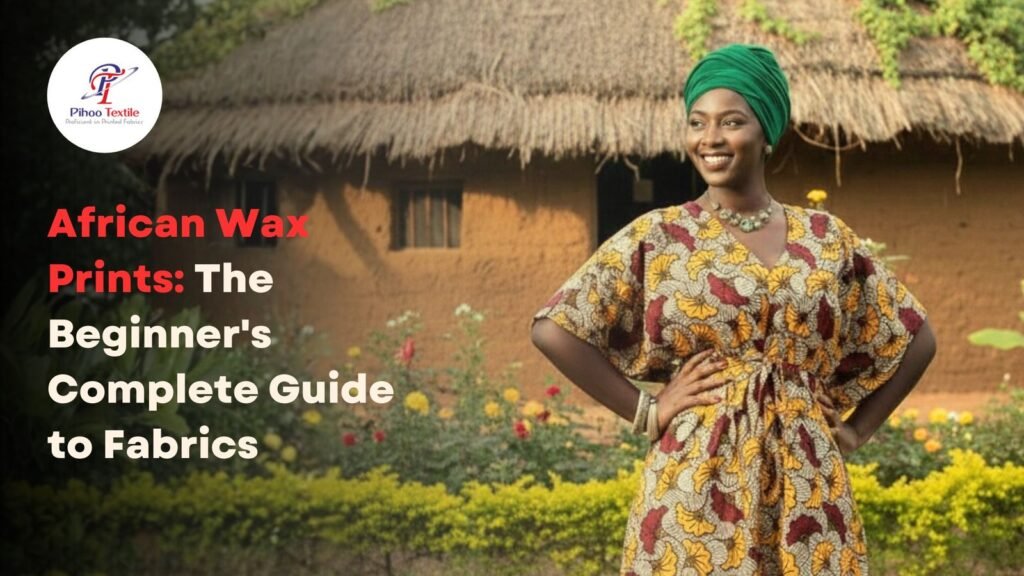
African Wax Prints: The Beginner’s Complete Guide to Fabrics

Textile buyers entering the African print market face immediate confusion. Terms like “Ankara,” “Dutch wax,” “Hollandais,” and “Java print” get used interchangeably, making it difficult to distinguish genuine wax prints from cheaper imitations. Price variations span from $3 to $25 per yard for fabrics that look similar to untrained eyes, yet perform drastically differently after washing and wearing. This guide eliminates that confusion. African wax prints represent a specific production technique—not a pattern style or geographic origin—that creates durable, double-sided printed cotton with distinctive characteristics. Understanding these technical differences protects buyers from costly purchasing mistakes and opens access to a textile category with proven market demand across fashion, home décor, and craft applications. This piece breaks down production methods, quality verification steps, fabric grades, practical uses, and purchasing considerations that matter for commercial buyers and designers working with African wax prints for the first time. What African Wax Print Fabric Actually Means? African wax print refers to a production method, not a design aesthetic. The term describes cotton fabric printed using wax-resist dyeing techniques adapted from Indonesian batik. Hot wax or resin gets applied to fabric, creating barriers that control dye absorption during multiple immersion cycles. This process produces fabric with color penetration on both sides—a defining characteristic that separates genuine wax prints from surface-printed imitations. The name “African” reflects adoption rather than origin. West African consumers, particularly in Ghana and Nigeria, embraced these textiles so thoroughly that they became cultural identifiers despite being initially produced in Europe and Asia. History and Cultural Evolution African wax prints emerged from failed European textile exports. In the 19th century, Dutch manufacturers industrialized Indonesian batik production methods to supply colonial markets. When Indonesian consumers rejected machine-made versions as inferior to handmade batik, Dutch traders redirected inventory to West Africa. Gold Coast (now Ghana) consumers adopted the fabrics enthusiastically, transforming them into essential cultural textiles. By the mid-20th century, African markets drove production decisions. Manufacturers began creating patterns specifically for West African tastes, incorporating symbolic motifs, commemorative designs, and visual narratives that resonated locally. Today’s patterns often carry names and meanings developed entirely within African communities rather than European design studios. Production Techniques That Create Quality Differences Genuine wax print production involves multiple technical steps that create its distinctive properties. The Wax-Resist Process Wax or resin gets applied to white cotton fabric in precise patterns  Fabric undergoes first dye bath; waxed areas resist color absorption  Additional wax layers get applied for multi-color designs  Repeated dyeing builds color complexity  Wax removal reveals the final pattern with characteristic “crackle” lines where dye seeped through wax cracks  This method produces fabric printed equally on both sides—a quality indicator impossible to replicate with standard surface printing. Industrial Adaptations Modern production uses resin instead of natural wax for consistency and speed, but maintains the resist-dyeing principle. Advanced facilities achieve vibrant colors and pattern registration that surpass historical quality while reducing production time from weeks to days. Key Quality Indicators for Buyers Distinguishing genuine wax prints from imitations requires checking specific physical characteristics. Visual inspection reveals critical differences. Authentic wax prints show equal color intensity on both fabric sides, while imitations display faded reverse sides. The “crackle” effect—fine irregular lines throughout the pattern—indicates genuine wax-resist production; machine prints lack this texture. Physical Tests Perform these checks before committing to bulk orders: Hand feel: Genuine wax prints have slight stiffness from resin residue; overly soft fabric suggests standard printing  Selvedge markings: Quality producers stamp technical information along fabric edges  Batch consistency: Authentic wax prints show minor color variations between production runs—a characteristic of the dyeing process  The contrarian insight? Perfect consistency across batches actually signals lower-quality production, not higher. Wax-resist dyeing creates natural variation that manufacturers have learned to control rather than eliminate. Fabric Grades and Market Categories The wax print market segments into quality tiers with distinct characteristics and price points. Premium grades use 100% cotton with higher thread counts (typically 200+ gsm) and undergo more dye cycles for richer colors. These fabrics maintain vibrancy through 50+ washes. Mid-tier options balance quality and cost, using fewer dye cycles but maintaining double-sided printing. Economy grades often substitute standard printing for wax-resist methods despite using similar pattern aesthetics. Terms like “super wax,” “java,” and “hollandais” reference production quality rather than pattern types, though definitions vary between manufacturers. Practical Applications Across Categories African wax prints adapt to diverse end uses beyond traditional garments. Fashion applications include structured dresses, tailored blazers, flowing skirts, statement accessories, and headwraps. The fabric’s body and weight make it suitable for garments requiring structure without lining. Home décor uses span throw pillows, table runners, upholstery accents, and quilting projects. Buyers report that wax prints’ bold patterns reduce inventory risk—distinctive designs attract immediate attention rather than blending into neutral-dominated markets. Care and Longevity Proper maintenance extends fabric life significantly. Wash wax prints in cold water separately during first few cycles to remove excess dye and resin. Avoid harsh detergents that strip color. Line drying preserves vibrancy better than machine drying. Iron on medium heat while slightly damp for best results. Quality wax prints soften with washing while maintaining color intensity—a performance indicator that separates genuine production from imitations that fade rapidly. Sourcing Considerations for Commercial Buyers Wholesale wax print sourcing requires evaluating suppliers across quality, consistency, and minimum order terms. Request samples before bulk orders, testing for double-sided color strength, fabric weight, and pattern registration. Verify production methods—genuine wax-resist versus standard printing—through physical inspection. Establish reorder protocols since exact color matching between production runs proves difficult with authentic wax techniques. Conclusion African wax prints offer commercial textile buyers a product category with strong market recognition, cultural authenticity, and technical quality markers that justify premium pricing. Understanding production methods and quality indicators prevents costly purchasing mistakes while opening access to textiles with proven consumer appeal. Pihoo Textile manufactures premium African Real Wax Print fabrics at our Jetpur facility using authentic wax-resist printing techniques on 100% cotton base materials. Our production combines traditional aesthetics with modern quality controls, delivering vibrant, double-sided

Top 10 Trending African Ankara Fabric Designs in 2026
Ankara Fabric

Top 10 Trending African Ankara Fabric Designs in 2026

Ankara buyers face a timing problem. Order too early based on last season’s patterns and you’re stuck with dated inventory. Wait too long and trending designs sell out at suppliers before you place your order. The fashion cycle for Ankara prints now moves faster than traditional textile procurement timelines. Social media platforms compress trend cycles. A design gains visibility through Instagram reels, TikTok styling videos, and Pinterest boards, then peaks in buyer demand within 6-8 weeks. Traditional procurement processes require 12-16 weeks from order to delivery. This mismatch costs buyers either in missed opportunities or excess inventory that doesn’t move. This guide identifies the 10 Ankara fabric designs gaining traction for 2026 based on current social engagement patterns, early wholesale orders, and design directions from major fashion weeks. You’ll understand what makes each design commercially viable, which product categories suit each pattern, and how to make buying decisions that balance trend relevance with reorder potential. What Makes Ankara Designs Trend in 2026 Print scale determines photograph quality on social platforms. Designs with clear, bold motifs that read well in thumbnail images gain more engagement than intricate patterns that blur at small sizes. This isn’t about artistic merit—it’s about algorithmic visibility and share rates. Color contrast drives retail performance. High-contrast prints (dark motifs on bright backgrounds or vice versa) catch attention in crowded retail displays and scroll-heavy social feeds. Mid-tone combinations with subtle contrast perform well for luxury positioning but move slower at volume. Versatility across product categories extends a design’s commercial lifespan. Prints that work equally well for structured garments, flowing dresses, accessories, and home goods offer better inventory turnover than specialized designs limited to specific applications. Top 10 Trending Ankara Designs for 2026 1. Bold Geometric Patterns with Clean Contrast Sharp-edged circles, triangles, and squares in high-contrast color combinations dominate early 2026 orders. These prints suit tailored pieces—blazers, pencil skirts, structured dresses—where geometric precision complements garment construction. The clean lines photograph exceptionally well, driving social media engagement that translates to retail demand. 2. Soft Geometrics and Imperfect Grids Contrarian to #1, hand-drawn geometric aesthetics appeal to buyers targeting artisanal positioning. Slightly irregular lines and organic shapes suggest craftsmanship rather than industrial printing. This design direction works for casual wear, loungewear, and products emphasizing sustainability narratives. 3. Large-Scale Florals with Sharp Outlines Oversized flower motifs (8-12 inch diameter) with bold, defined edges replace the smaller, detailed florals popular in 2024-2025. These prints suit maxi dresses, kaftans, and wide-leg trousers where large repeats display fully. Pattern placement becomes critical—buyers need sufficient yardage to center motifs on garment pieces. 4. Nature-Inspired Botanicals and Leaf Motifs Palm fronds, monstera leaves, and tropical vegetation prints align with broader textile industry directions toward biophilic design. These patterns transition well across seasons and climates, making them safer inventory bets for buyers without clear seasonal selling windows. 5. Modern Heritage Motifs Adinkra symbols, updated tribal patterns, and stylized traditional icons appeal to diaspora buyers and cultural celebration markets. These designs carry storytelling potential that supports premium pricing. Buyers targeting graduation season, heritage month celebrations, and cultural events prioritize these prints. 6. Monochrome and Near-Monochrome Prints Single-color prints or two-tone combinations in the same color family offer styling versatility that multi-color patterns can’t match. These designs suit buyers targeting professional wear, conservative markets, or customers seeking African print aesthetics without bold color commitments. Here’s the uncomfortable truth: monochrome Ankara moves faster in corporate and formal wear segments than traditional vibrant prints. 7. Two-Tone High-Impact Repeats Minimal color palettes (typically two colors) with strong rhythmic patterns create visual drama without color complexity. These prints reduce production costs compared to 4-6 color designs while maintaining aesthetic impact. The economics favor both manufacturers and buyers seeking margin improvement. 8. Patchwork and Mixed-Panel Prints Designs that simulate multiple fabric pieces sewn together appeal to buyers wanting ready-to-wear looks from single fabric cuts. These prints reduce construction complexity—a dress appears detailed without requiring actual panel cutting and piecing. The convenience factor drives adoption among smaller manufacturers and DIY sewers. 9. Metallic-Look Accents Gold-effect, silver-shimmer, and bronze-tone visual elements (not actual metallic threads) add luxury cues at standard print pricing. These designs suit occasion wear—weddings, parties, holiday events—where elevated aesthetics justify higher retail price points. Buyers targeting Q4 2026 holiday seasons should sample these designs by Q2. 10. Stripe-Led and Border-Led Prints Directional prints with defined stripes or border elements offer pattern placement control during garment construction. Designers can orient stripes vertically for elongation or horizontally for width. Border prints work exceptionally well for hem details, necklines, and sleeve finishes without requiring separate trim fabrics. Choosing Designs for Your Market Match print scale to target demographics. Large-scale patterns suit plus-size markets where motifs display properly across garment pieces. Small-to-medium repeats work better for petite sizing and children’s wear where large motifs get cut awkwardly during pattern cutting. Climate considerations affect color choices. Lighter backgrounds (whites, pastels, soft yellows) move faster in hot climates where dark fabrics absorb heat. Deeper tones (burgundy, navy, forest green) perform better in temperate regions and cooler seasons. Retail channel determines design selection. E-commerce requires prints that photograph distinctly—busy retail sites need designs that stand apart in grid views. Brick-and-mortar stores handle subtle, complex patterns better because customers examine fabric physically before purchase. Quality Standards That Matter Cotton weight affects drape and durability. Standard Ankara ranges from 140-180 GSM. Lighter weights suit flowing garments but show wear faster. Heavier weights maintain structure but limit style applications. Match weight to intended use rather than assuming heavier always means better. Print clarity separates quality production from cheap alternatives. Examine pattern edges—sharp, clean lines indicate proper printing. Blurred or fuzzy edges signal inferior dye application or low-resolution printing that fades quickly. Colorfastness determines customer satisfaction and repeat purchase rates. Ankara that bleeds color during first wash generates returns and damages brand reputation. Request wash testing documentation before committing to bulk orders. Conclusion The 10 Ankara designs trending in 2026 share common traits: strong visual contrast, photographic clarity, and cross-category versatility. Select designs

100% Cotton Wax Fabrics: Ideal Material for Perfect Tailoring
African Printed Fabrics

100% Cotton Wax Fabrics: Ideal Material for Perfect Tailoring

Introduction Tailors lose money on wax print projects when they can’t distinguish quality fabric from cheap imitations. A client orders a custom dress, you cut and sew carefully, then the garment puckers at seams, loses shape after one wash, or fades within weeks. The problem isn’t your technique—it’s the fabric. Most “African wax print” sold today uses polyester blends or single-sided printing that behaves unpredictably under needle and iron. True 100% cotton wax fabric solves this through complete dye penetration, predictable pressing behavior, and structural integrity that holds pleats, darts, and clean seam lines. The cotton base breathes naturally, accepts standard tailoring techniques, and delivers garments clients wear repeatedly rather than abandon after disappointing performance. This guide explains what separates 100% cotton wax from inferior alternatives, why cotton matters specifically for tailoring outcomes, which garments benefit most, how to verify quality before cutting, and essential sewing considerations that prevent costly mistakes. Understanding these distinctions transforms problem fabrics into reliable materials that justify premium pricing. What 100% Cotton Wax Fabric Actually Is Wax print fabric originates from mechanized batik techniques where wax resists dye penetration during multiple immersion cycles. Molten wax gets applied to cotton through engraved copper rollers, the fabric passes through dye baths, then portions of wax get removed before adding subsequent colors. This creates the defining characteristic: identical pattern visibility on both fabric sides. The dye penetrates completely through the cotton weave rather than sitting on the surface like screen printing or digital transfer. The wax cracks during processing, allowing dye to seep through in irregular veining patterns. These “crackling effects” became the signature of authentic wax prints—perfectly uniform prints signal machine printing rather than wax-resist processing. Standard specifications: 100% cotton base cloth, typically 45 inches (115cm) wide, sold in 6-yard bundles that represent one complete cloth. The fabric arrives with a slightly stiff, waxy finish that washes away on first cleaning. Why Cotton Matters for Tailoring Here’s what most tailors discover too late: fiber content determines whether precision techniques actually show in finished garments. A perfectly executed princess seam means nothing if the fabric doesn’t hold the line. Cotton wax prints accept heat and steam pressing without melting, warping, or developing shine marks. This allows proper seam pressing, dart manipulation, and edge finishing—fundamental tailoring techniques that fail with synthetic fabrics. The natural fiber breathability keeps clients comfortable during all-day wear. Polyester blends trap heat and moisture, causing discomfort that clients blame on garment construction rather than fabric choice. Cotton’s mechanical properties provide predictable behavior under the sewing machine needle. The fabric doesn’t slip, stretch unexpectedly, or resist thread penetration the way slippery synthetics do. Tailoring Advantages of Quality Wax Prints Structure and Body The medium weight of authentic cotton wax prints provides enough body to support structured garments without requiring excessive interfacing. Collars stand properly, peplums maintain shape, and fitted bodices hold their lines through wear. The crisp yet soft hand creates garments that look intentional rather than limp. Skirts maintain A-line shapes, shirt dresses keep clean button plackets, and tailored separates retain pressed creases. Two-Sided Quality Because dye penetrates through the entire fabric, seam allowances and facings don’t reveal ugly white backing or faded wrong-side colors. This matters for unlined garments, rolled hems, and any construction where interior finishes show. The visual depth creates richer appearance than surface-printed alternatives. Light interacts with dye embedded in fibers rather than sitting on top, producing more vibrant colors. Durability for Repeat Wear Dense cotton weave withstands repeated laundering without the pilling, thinning, or surface degradation common in cheaper alternatives. Garments maintain appearance through 50+ wears rather than looking shabby after ten. Colors remain vibrant because dyes bond chemically with cotton fibers during the wax-resist process. This colorfastness prevents the rapid fading that undermines cheaper prints. Best Applications for Tailored Garments Women’s Structured Pieces Shirt dresses with collar stands and button plackets benefit from cotton wax’s crisp behavior. The fabric holds collar shapes and maintains clean front openings without distortion. Peplum tops require fabric with enough body to create the flared hip detail without flopping limply. Cotton wax delivers this structure while remaining comfortable against skin. Fitted bodices, princess seam dresses, and tailored skirts all depend on fabric that holds pressed lines and accepts dart manipulation. Cotton wax performs predictably across these applications. Men’s Tailored Casual Wear Button-down shirts in cotton wax create distinctive casualwear that launders well and maintains collar integrity through multiple wearings. The breathability makes shirts comfortable for all-day office or weekend wear. Lightweight unstructured jackets and casual blazers position tailors in heritage fashion markets with higher margins than standard garments. Coordinated Sets and Occasionwear Matching tops and bottoms require identical fabric from the same dye lot to ensure perfect color consistency. Cotton wax maintains this uniformity across pieces. The combination of bold patterns, quality construction, and comfortable cotton creates occasionwear that clients actually wear repeatedly rather than reserving for single events. Quality Verification Before Cutting The Cotton Content Test Request fiber composition documentation before purchasing. Labels can mislead, so ask for written specifications confirming 100% cotton. Perform a simple burn test on a thread pulled from the selvage: cotton burns with paper-like smell and leaves soft gray ash. Polyester melts into hard black beads with chemical odor. Pattern Visibility Check Flip the fabric to examine the wrong side. Authentic wax prints show near-equal color intensity on both sides—sometimes with slight variation but never dramatic fading or white backing. This single test eliminates most imitations immediately. Surface-printed fabrics reveal themselves through obvious wrong-side dullness. Hand Feel Assessment Quality cotton wax feels crisp when new due to residual wax coating, but not stiff like cardboard or plasticky like coated synthetics. The fabric should have substance—hold a corner and let it drape naturally. It should support its own weight with moderate stiffness rather than collapsing limply. Surface Quality Indicators Examine print clarity under good lighting. Authentic wax shows sharp, clean motifs with defined edges. Cheap prints often display fuzzy or bleeding edges where colors blur together. Look for

How to Source Authentic Kente Print Fabrics for Your Fashion Line
Kente Wax Print Fabric

How to Source Authentic Kente Print Fabrics for Your Fashion Line

Introduction Most fashion designers get burned by fake Kente. They order what looks like authentic handwoven fabric online, receive machine-printed polyester imitations, and realize too late their entire collection lacks the prestige they promised customers. Authentic Kente cloth comes exclusively from Ghana—handwoven by Ashanti and Ewe artisans using silk and cotton strips sewn edge to edge. The United Nations recently granted Kente geographical indication protection, meaning only Ghanaian-made Kente can legally be marketed internationally as authentic. This changes everything for fashion lines built on cultural legitimacy. This guide walks through identifying genuine handwoven Kente, finding reliable suppliers, verifying quality, handling bulk orders, and building relationships with artisan cooperatives. Sourcing authentic Kente separates premium fashion lines from fast-fashion copycats—but only when you know what to look for and where to find it. Understanding Authentic Kente Cloth Kente originated with Ghana’s Ashanti people in Bonwire village during the 17th century. Weavers work on narrow strip looms that produce fabric 4 inches wide. These strips are then sewn together to create the final cloth. Authentic Kente uses silk, cotton, or rayon threads. The weaving creates identical patterns on both fabric sides—a characteristic machine printing can’t replicate. Each strip takes hours or days to complete depending on pattern complexity. The geometric designs aren’t random. Traditional motifs carry names and meanings: “Emaa Da” (novelty), “Sika Futuro” (gold dust), and “Nkyimkyim” (zigzag) represent specific concepts. Weavers combine these elements to tell stories through cloth. Here’s what most designers miss: Kente comes in two main types. Ashanti Kente features silk with complex geometric patterns and bright colors. Ewe Kente uses cotton with pictorial motifs and symbols woven directly into the fabric. Both are authentic, but they serve different aesthetic purposes and price points. Identifying Genuine Versus Imitation Kente The easiest authentication test: flip the fabric over. Genuine handwoven Kente shows identical colors and patterns on both sides because threads weave completely through the fabric. Printed imitations show faded or white backing. Check the selvage edges where strips connect. Hand-sewn strips have visible stitching lines running lengthwise through the fabric. Machine-printed “Kente” lacks these seams entirely—it’s one continuous printed piece. Feel the weight and texture. Authentic Kente has substantial heft from dense handloom weaving. Imitations feel thin and flimsy, often made from lightweight polyester that lacks body. Examine thread consistency under magnification. Handwoven fabric shows slight irregularities in tension and spacing—the mark of human craftsmanship. Factory printing appears perfectly uniform across all repeats. Price signals quality but isn’t foolproof. Authentic handwoven Kente rarely costs less than $20 per yard for cotton versions and $50+ for silk. Anything significantly cheaper is almost certainly printed imitation. Best Places to Source Authentic Kente Direct sourcing from Ghana provides the most reliable authenticity. Bonwire and Agotime remain the primary weaving centers where artisan cooperatives produce traditional Kente using centuries-old techniques. Trusted B2B textile suppliers with verified Ghanaian supply chains offer the next best option. These importers handle logistics, customs, and quality verification while maintaining direct relationships with weaving cooperatives. Commission custom pieces directly from artisan groups for exclusive colorways and patterns. This takes longer—typically 1-4 weeks per cloth depending on complexity—but delivers truly unique fabrics competitors can’t replicate. Avoid marketplaces dominated by Chinese manufacturers claiming to sell “Kente fabric.” These are machine-printed polyester imitations that damage brand credibility and violate the new geographical indication protections. Building Supplier Relationships Start with sample orders before committing to bulk purchases. Request 6-yard pieces—the standard Kente length—in several pattern options. This allows physical quality assessment without major financial risk. Ask for video documentation of the weaving process. Legitimate suppliers readily provide footage showing narrow-strip looms and artisan weavers at work. Reluctance to show production is a red flag. Negotiate bulk pricing based on volume commitments. Fashion lines ordering 50+ yards typically receive 15-25% discounts off standard pricing. Establish reorder terms upfront to lock in consistent pricing for collection cohesion. Build long-term relationships rather than hopping between suppliers for marginal savings. Consistent quality matters more than cutting costs. A reliable supplier who delivers authentic fabric on schedule is worth paying slightly more. Quality Verification Steps Physical Testing Pull threads from the selvage edge. Handwoven Kente shows individual threads that separate cleanly. Printed fabric has no individual threads—the pattern sits on the surface. Perform a colorfastness test by washing a small swatch in cold water. Authentic Kente retains vibrant colors after washing. Cheap imitations bleed dye or fade noticeably. Documentation Review Request certificates of origin from Ghana. Legitimate suppliers provide customs documentation showing Ghanaian export. Look for artisan cooperative information. Knowing which specific village or weaver group produced the fabric adds authenticity and storytelling value to your fashion line marketing. Handling Bulk Orders for Fashion Lines Calculate fabric needs carefully. Kente’s 4-inch strip construction creates specific width limitations. Standard pieces measure approximately 24 inches wide after sewn strips, affecting pattern cutting and garment design. Order 20% excess beyond calculated needs. Pattern matching across Kente strips consumes more fabric than solid textiles. Waste from aligning geometric designs adds up quickly. Plan lead times around weaving schedules. Custom commissions require 4-8 weeks from order to delivery. Stock patterns ship faster but offer less design exclusivity. Consider seasonal ordering patterns. Ghanaian weaving cooperatives experience higher demand around December holidays and cultural celebrations. Place orders 2-3 months ahead during peak seasons. Cost Factors and Budget Planning Cotton Kente ranges from $20-40 per yard depending on pattern complexity and weaver reputation. Silk versions start at $50 and reach $100+ for intricate royal patterns. The uncomfortable truth: authentic Kente will be your most expensive fabric input. It needs to be. The labor intensity and artisan skill justify premium pricing. Fashion lines attempting to cut corners here sacrifice the primary value proposition—authenticity. Bulk discounts help but don’t expect wholesale prices comparable to mass-produced textiles. Handweaving has inherent cost floors that volume can’t overcome completely. Factor in import duties and shipping costs. International textile shipments face customs fees that add 10-20% to landed costs depending on destination country. Ethical Sourcing Considerations The new UN geographical

African Wax & Kente Kaftans: Shaping Modern Resortwear
African Wax Prints

African Wax & Kente Kaftans: Shaping Modern Resortwear

Resortwear struggles with a fundamental tension: you need pieces that look polished enough for dinner but breathable enough for tropical heat. Most resort collections solve this by offering thin, forgettable fabrics with generic prints that fade after two washes. They prioritize convenience over character. African Wax and Kente kaftans eliminate this compromise. These loose-fitting garments combine authentic textile craftsmanship with the exact silhouette resort environments demand—flowing, ventilated, and visually striking. The wax-resist dyeing process and handwoven Kente strips create fabrics that maintain color intensity through sun exposure, saltwater, and repeated wear. This guide covers fabric characteristics that make these kaftans resort-ready, design elements that distinguish quality pieces, styling approaches for different vacation settings, and care practices that extend garment life. You’ll understand why these specific textiles outperform standard resort options and how to identify authentic construction. Understanding African Wax and Kente Fabrics African Wax Print Characteristics African Wax prints use a wax-resist dyeing method that creates layered, vibrant patterns with natural “ice crack” lines where wax fractures during production. The process embeds dye deep into 100% cotton fibers, producing colorfastness that withstands tropical conditions better than surface-printed fabrics. The cotton base breathes exceptionally well—critical for hot, humid resort climates. Unlike synthetic blends that trap heat and moisture, wax print cotton allows air circulation while maintaining structure. The fabric weight provides enough substance to drape elegantly without clinging to skin in humidity. Kente Cloth Properties Kente consists of handwoven silk and cotton strips sewn edge-to-edge to create wider fabric panels. The silk adds sheen and enhanced color vibrancy while cotton provides breathability. Each color carries symbolic meaning—gold for wealth, green for renewal, blue for peace. The tight weave creates durable fabric that resists tears and maintains shape through wear. Kente’s geometric patterns result from intricate weaving techniques passed through generations, not printed designs that can fade or peel. This construction method produces textiles that improve with age rather than deteriorate. Why Kaftans Work as Resortwear The kaftan silhouette emerged from North African and Middle Eastern cultures specifically for hot climates. Its loose fit creates space between fabric and skin, allowing air to circulate and cool the body naturally. Wide sleeves catch breezes that conventional fitted garments block. Here’s the uncomfortable truth about tight resortwear: form-fitting swimsuit cover-ups and bodycon dresses trap heat against your skin, making you sweat more in environments already designed to overheat you. Kaftans solve this through strategic looseness. Floor-length and midi kaftans provide sun protection across more body surface area than shorts and tank tops while remaining cooler due to airflow. Beach environments expose skin to reflected UV radiation from sand and water—coverage matters more at resorts than most buyers realize. The garment transitions from beach to restaurant without requiring complete outfit changes. Add a belt, swap sandals for wedges, and the same kaftan that covered your swimsuit now functions as evening wear. Styling for Different Resort Settings Beach and Pool Environments Wear kaftans directly over swimwear as sophisticated cover-ups. The loose drape conceals without clinging when wet. Choose shorter lengths (knee to mid-calf) for easier movement on sand and around water. Pair with flat sandals, oversized sunglasses, and a wide-brim hat. Keep jewelry minimal—salt water and chlorine damage metals and stones. A simple beach bag and waterproof sunscreen complete the practical elements. Sheer or lightweight wax print kaftans work best poolside. They dry quickly and won’t stick to damp skin when you’re moving between water and lounge chairs. Evening Resort Wear Transform the same kaftan for dinner by adding a statement belt at the natural waist to create definition against the loose silhouette. This single accessory shifts the garment from casual cover-up to intentional evening piece. Switch to heeled sandals or wedges for height. Add bold jewelry—chunky bracelets, large earrings, or layered necklaces in gold or natural stones. The kaftan’s bold patterns pair well with substantial accessories rather than delicate pieces that get lost visually. Kente kaftans particularly suit evening settings due to their silk content and intricate patterns. The fabric catches light differently than matte wax prints, creating visual interest in dim restaurant and lounge lighting. Day Excursions For shopping, sightseeing, or boat tours, midi-length kaftans offer mobility while maintaining coverage. Pair with comfortable walking sandals or espadrilles. Add a crossbody bag to keep hands free. Layer lightweight cardigans or denim jackets if indoor air conditioning runs cold. The kaftan’s loose fit accommodates layers without bunching or restricting movement. Neutral-colored layers let the kaftan’s patterns remain the outfit’s focal point. Identifying Quality Construction Authentic African Wax kaftans use fabric where patterns appear equally vibrant on both sides. Check this by flipping the garment inside out—if colors look faded on the reverse, the print sits only on the surface rather than penetrating the cotton fibers. Kente kaftans should show visible strip lines where woven sections join together. These seams indicate genuine handwoven construction. Machine-printed “Kente-style” fabrics lack these structural details and won’t have the same durability. Examine stitching along hems, seams, and necklines. Quality kaftans feature reinforced stitching that prevents unraveling. Loose threads, puckered seams, or uneven hemlines indicate rushed construction that won’t survive multiple wears and washes. Check the selvedge if visible—authentic manufacturers stamp their marks along fabric edges. This verifies origin and production standards. Care and Longevity Hand wash kaftans in cold water with mild detergent to preserve colors and fabric integrity. Hot water and harsh chemicals break down natural fibers and fade dyes faster. Air dry away from direct sunlight to prevent UV damage to colors. Iron inside out on low heat settings. High temperatures can damage silk threads in Kente fabric or melt any synthetic embellishments. Proper ironing maintains crisp appearance without compromising material quality. Store folded rather than hung to prevent stretching at shoulders and necklines. Keep in cool, dry spaces away from moisture that encourages mildew growth in natural fibers. Conclusion African Wax and Kente kaftans deliver what generic resortwear promises but rarely provides—breathable comfort, visual impact, and durability through vacation conditions. Choose authentic wax-resist or handwoven fabrics, understand

Sustainable & Ethical Sourcing of Real Wax Printed Kente Fabric
Real Wax Fabrics

Sustainable & Ethical Sourcing of Real Wax Printed Kente Fabric

Textile buyers face a sustainability paradox. Demand for authentic African prints grows while supply chains remain opaque, making it nearly impossible to verify ethical practices or environmental standards. Real wax printed Kente fabric sits at this intersection—a textile category where cultural heritage meets modern production demands. Yet most sourcing decisions rely on supplier claims without verification mechanisms. The uncomfortable reality? Ghana’s textile industry, despite its cultural significance, faces environmental challenges from water-intensive dyeing, chemical pollution, and limited waste management infrastructure. Meanwhile, mass-produced imitations flood markets with no accountability. For brands committed to sustainable sourcing, this creates a critical gap between intention and execution. This piece provides a practical framework for sourcing real wax printed Kente ethically—covering traditional sustainability practices, modern production standards, verification methods, and supplier evaluation criteria. Understanding these elements separates authentic sustainable sourcing from marketing claims. Traditional Kente Production and Environmental Benefits Traditional Kente weaving in Ghana’s Ashanti and Ewe regions operates on inherently sustainable principles that modern textile production often overlooks. Handwoven Kente uses natural cotton or silk fibers sourced locally, eliminating carbon-intensive international shipping. Weavers historically relied on plant-based dyes extracted from bark, roots, and leaves—biodegradable materials that don’t contaminate water systems. The narrow-strip loom technique generates minimal fabric waste since weavers plan dimensions precisely before starting. Community-Based Labor Model Kente weaving traditionally occurs within family units and community cooperatives where skills pass through apprenticeships spanning years. This structure ensures fair compensation since weavers control pricing and production pace. No factory conditions, no wage exploitation, no forced overtime. However, the contrarian insight matters here: handwoven Kente production cannot meet global market demand. A single handwoven piece requires weeks of labor, making scalability impossible for commercial textile buyers needing consistent volume. Modern Adaptations: Real Wax Printed Kente Real wax printed Kente bridges traditional aesthetics with modern production capacity. This technique applies traditional Kente patterns using wax-resist printing on 100% cotton fabric—the same method used for authentic African wax prints. Advanced printing facilities maintain pattern integrity while achieving colorfastness and durability standards impossible with hand-dyeing. Production scales to meet commercial orders without compromising fabric quality. Sustainability in Modern Production Modern facilities can implement environmental controls that village-based handweaving cannot: Closed-loop water systems that filter and reuse dye water Digital printing technologies reducing chemical dye consumption by 40-60% Fabric quality standards ensuring longevity (200+ gsm cotton) that extends garment lifespan Batch consistency eliminating material waste from failed dye lots The uncomfortable truth? A well-managed modern facility producing real wax printed Kente may achieve better environmental outcomes than traditional handweaving using unregulated chemical dyes and unfiltered wastewater. Key Principles for Sustainable Sourcing Buyers evaluating Kente fabric suppliers should apply specific sustainability criteria rather than accepting vague claims. Material sourcing transparency matters first. Suppliers should document cotton origin, fiber certifications (organic, BCI, or conventional), and chemical inventories. Natural cotton requires more water than synthetics but biodegrades completely—a tradeoff worth making for sustainability-focused brands. Verification Questions for Suppliers Ask potential suppliers these specific questions: What percentage of water gets recycled in dyeing processes? Which certifications verify dye safety (OEKO-TEX Standard 100, GOTS)? How do you handle fabric waste from printing mistakes? What’s your fabric weight specification and thread count? Suppliers unable to answer these questions lack the systems needed for ethical production. Ethical Labor Standards Labor practices separate ethical sourcing from exploitation, yet verification remains difficult without direct facility access. Fair wage structures should exceed local minimum wages—not match them. Workers need safe conditions, reasonable hours (not exceeding 48 weekly), and freedom to organize. Child labor must be categorically prohibited with age verification systems. Red Flags in Labor Practices Watch for these warning signs during supplier evaluation: Reluctance to arrange facility visits or video tours Unusually low pricing that suggests wage cutting No documentation of worker benefits or employment contracts High employee turnover rates indicating poor conditions A 2024 study of large-scale Ghanaian textile firms found that only 32% had implemented comprehensive environmental management systems despite regulatory requirements. This implementation gap extends to labor standards. Supply Chain Transparency Transparent supply chains allow buyers to verify sustainability claims through documentation rather than trust. Best-practice suppliers provide batch traceability linking finished fabric to raw material sources, production dates, and quality inspections. Digital audit systems enable third-party verification without constant facility visits. Long-term supplier relationships build accountability—short-term sourcing prevents meaningful oversight. Building Verification Systems Implement these steps when establishing new supplier relationships: Request sample batches with full specifications documentation Test fabric quality through independent laboratories Schedule facility audits (virtual or in-person) before bulk orders Establish KPIs for environmental metrics and labor standards Create quarterly review processes with documented improvements Suppliers genuinely committed to ethical practices welcome scrutiny rather than avoiding it. Practical Buyer Evaluation Checklist Before committing to bulk orders, evaluate suppliers across multiple dimensions simultaneously. Production capacity determines whether suppliers can meet your volume needs consistently. Minimum order quantities should align with your business scale—excessively low MOQs often indicate quality compromises. Pricing must reflect quality standards; suspiciously low costs suggest corner-cutting in materials or labor. Sample quality reveals actual capabilities. Test for fabric weight (200 gsm minimum for durability), print clarity, colorfastness through washing, and hand feel. Real wax printed Kente should show vibrant colors with slight texture from the printing process. Conclusion Sustainable sourcing of real wax printed Kente fabric requires moving beyond marketing language into verifiable practices. The combination of traditional pattern heritage with modern sustainable production methods creates commercially viable options for ethical textile buyers. Supplier selection based on transparency, certifications, and documented practices separates genuine sustainability from greenwashing. Pihoo Textile manufactures real wax printed Kente fabric at our Jetpur facility using 100% cotton base materials, advanced wax-resist printing technology, and quality control systems that ensure pattern authenticity and fabric durability. Our production processes incorporate water recycling systems and OEKO-TEX certified dyes, delivering sustainable African textiles that meet international standards. Contact our team to request samples of our Kente fabric collection, discuss custom pattern development, or arrange a facility tour that demonstrates our commitment to ethical and sustainable textile manufacturing.

Dashiki Shirts & Kaftans: Design, Print & Product for Global Markets
Dashiki Shirts

Dashiki Shirts & Kaftans: Design, Print & Product for Global Markets

Global buyers face a persistent challenge sourcing African print garments: most manufacturers either deliver authentic designs with inconsistent quality or offer reliable production with generic patterns that miss cultural authenticity. You end up choosing between credibility and dependability. The dashiki and kaftan market reached significant scale—the United States alone accounts for 47% of global kaftan exports, followed by UAE at 20% and Singapore at 7%. These numbers reveal concentrated demand in specific regions where buyers expect both cultural accuracy and manufacturing standards that meet retail compliance. Gujarat-based production addresses this gap through digital printing capabilities, cotton sourcing proximity, and export infrastructure built specifically for African print garments. This guide covers fabric specifications that balance cost and performance, printing techniques that maintain pattern integrity at volume, manufacturing standards for export compliance, and logistics considerations for international shipping. You’ll understand how production choices affect landed costs and quality outcomes. Fabric Selection for Production Efficiency Cotton remains the primary base for dashiki shirts and kaftans due to breathability and dye absorption properties. Standard weights range from 140 GSM for lightweight summer pieces to 200 GSM for structured garments that hold shape through wear and washing. Polyester blends (polycotton) reduce production costs while maintaining acceptable comfort levels. The 65/35 cotton-poly ratio works for budget-conscious buyers targeting fast fashion segments. Pure cotton commands higher retail prices but delivers superior hand feel and moisture management. Fabric comes in 6-yard or 12-yard cuts. The 12-yard format suits high-volume orders—packaging reaches 50 pieces per bale, optimizing container space. Smaller 6-yard cuts allow 100 pieces per bale but increase per-unit handling costs during production. Width standardizes at 44-45 inches for most African print production. This dimension accommodates standard dashiki cutting patterns without excessive waste. Narrower widths require pattern adjustments that increase fabric consumption per garment. Design Development Process Traditional dashiki designs center on geometric patterns inspired by West African wax prints. The V-neck embroidery panel remains the signature element—buyers recognize authentic dashikis by this feature. Pattern placement determines how much fabric each garment consumes, directly affecting your cost per unit. Custom designs require minimum runs to justify screen preparation or digital file setup. Most manufacturers set thresholds at 3600 yards per unique pattern. Below this quantity, setup costs inflate per-unit pricing beyond retail viability. Seasonal collections demand lead times of 60-90 days from design approval to finished goods. This timeline includes sampling, approval cycles, bulk production, and quality checks. Rush orders compress these stages but add 15-25% to base costs through expedited processing fees. Color selection impacts production complexity. Designs using 2-3 colors run smoothly through most printing setups. Patterns exceeding 5 colors require advanced digital printing or multiple screen passes, each adding cost and potential registration errors. Printing Techniques and Quality Standards Digital Textile Printing Digital printing eliminates minimum color restrictions and allows photographic detail impossible with traditional methods. The technology suits small-batch custom orders and seasonal test collections. Per-yard costs remain higher than screen printing but setup expenses drop significantly. Color matching reaches 95%+ accuracy with proper calibration. Dye penetration varies by fabric prep—mercerized cotton accepts dye better than raw fabric, producing vibrant prints that survive commercial washing. Screen Printing for Volume High-volume orders (10,000+ yards) benefit from rotary screen printing economics. Once screens are prepared, per-unit costs drop below digital alternatives. The method suits repeating patterns sold across multiple seasons. Screen printing delivers superior wash fastness through heavier dye application. Commercial laundry testing shows minimal fading after 50 wash cycles—critical for retail buyers concerned about customer returns and brand reputation. Manufacturing Standards and Compliance Seam construction determines garment longevity. Double-stitched side seams prevent unraveling during wear. Single-stitch construction costs less but increases defect rates that damage buyer relationships and trigger return authorizations. Embroidery quality separates premium products from budget alternatives. The V-neck panel should show tight, consistent stitching with no gaps or loose threads. Machine embroidery achieves this at production scale, while hand embroidery adds artisanal appeal but limits volume capacity. Size standardization matters for international markets. US buyers expect different measurements than European or Middle Eastern markets. Producing to specific regional size charts reduces returns and improves sell-through rates at retail. ISO certification and REX (Registered Exporter) status streamline customs clearance for international shipments. These credentials signal manufacturing maturity that retail buyers require for vendor approval processes. Global Market Dynamics The uncomfortable truth about African print garments: most production happens in India, Indonesia, and China rather than African nations. Buyers accept this because production infrastructure in Asia delivers consistent quality, on-time delivery, and pricing structures that support retail margins. Production capacity varies dramatically between manufacturers. Small operations handle 50-200 pieces monthly. Mid-tier facilities produce 5,000-10,000 units. Large-scale manufacturers process 40,000+ garments monthly across multiple product categories. Your order volume determines which tier provides optimal service. Minimum order quantities reflect setup economics. Expect MOQs of 500-1,000 pieces for standard designs using existing fabric inventory. Custom prints require 3,000-5,000 piece minimums to justify fabric runs and pattern development costs. Export Packaging and Logistics Individual garments require polybag packaging that protects against moisture and handling damage during international transit. Add cardboard inserts for folded presentation if targeting retail hanging systems. Bale packing optimizes shipping container utilization. Standard 40-foot containers hold approximately 1,200-1,500 bales depending on garment type and packaging method. Proper bale compression reduces freight costs per unit significantly. Documentation requirements include commercial invoices, packing lists, certificates of origin, and compliance declarations. Missing or incorrect paperwork delays customs clearance and generates demurrage charges that eliminate margin. Lead times from order confirmation to port delivery typically span 45-60 days for established designs and 75-90 days for custom development. Ocean freight adds 15-45 days depending on destination port. Air freight cuts transit to 5-7 days but increases costs 4-5x above sea shipment. Conclusion Successful dashiki and kaftan production for global markets depends on choosing fabric specifications that balance cost and quality, selecting printing methods matched to order volume, and maintaining manufacturing standards that meet retail compliance requirements. Partner with manufacturers who understand export documentation and have proven logistics capabilities.

Real Wax Print Fabrics: Ideal for High-Quality Bespoke Clothing
Real Wax Print

Real Wax Print Fabrics: Ideal for High-Quality Bespoke Clothing

Introduction Bespoke tailors face an uncomfortable reality: clients increasingly request “African print” garments without understanding the massive quality gap between real wax prints and cheap polyester imitations. Using inferior fabric undermines precision tailoring—seams pucker, colors fade after two washes, and garments lose structure within months. Real wax print fabric solves this through industrial wax-resist dyeing on 100% cotton, creating double-sided color penetration, characteristic crackling effects, and medium-weight construction that holds pleats, darts, and sharp seams. This isn’t just aesthetic preference—it’s engineering. Authentic wax prints provide the structural foundation bespoke clothing requires while delivering the vibrant patterns clients want. This guide explains what separates real wax from imitations, why it matters for tailoring quality, how to identify authentic fabric before cutting, and which garments benefit most from real wax construction. Understanding these distinctions transforms good tailors into sought-after specialists who deliver garments that justify premium pricing through lasting quality. What Makes Real Wax Print Different Real wax print originates from mechanized Indonesian batik techniques developed by Dutch manufacturers in the 1800s. The process involves applying wax to cotton fabric, dyeing, removing portions of wax, then repeating for each color layer. This creates the defining characteristic: identical pattern and color intensity on both fabric sides. The dye penetrates completely through the cotton weave rather than sitting on the surface like digital printing. The wax cracks during dyeing, allowing small amounts of dye to seep through in irregular patterns. This crackling effect—historically considered a manufacturing flaw—now serves as authentication. Perfectly uniform prints signal machine printing, not wax-resist processing. Real wax prints use 100% cotton as the base cloth, typically in medium weight suitable for structured garments. The fabric has body and substance—it stands upright when draped rather than collapsing limply. Why Tailors Should Care About Authenticity Here’s what most tailors learn too late: fabric quality determines whether bespoke techniques actually show. A perfectly executed princess seam means nothing if the fabric puckers under thread tension or loses shape after cleaning. Real wax print’s cotton construction and proper weight allow precise tailoring. The fabric holds creases for pleats, accepts dart manipulation without distortion, and maintains seam integrity through wear and washing. Polyester imitations marketed as “African print” lack the mechanical properties for serious tailoring. They’re too thin, too stiff, or too slippery. Pins slip. Seams shift during stitching. Finished garments look homemade regardless of craftsmanship. The breathability difference matters for client satisfaction. Cotton wax prints allow air circulation during wear—critical for tropical climates and all-day comfort. Synthetic prints trap heat and moisture, causing discomfort that clients blame on garment construction rather than fabric choice. Identifying Authentic Wax Print The Flip Test Turn the fabric over. If the reverse side shows faded colors or white backing, it’s printed, not wax-resist dyed. Real wax displays identical vibrancy on both sides—sometimes with slight color variation but never dramatic difference. This test takes five seconds and eliminates 90% of imitations immediately. Weight and Hand Feel Real wax print has substance. Hold a corner and let it drape—it should have moderate stiffness when new (from residual wax) but not feel like paper or cardboard. The fabric should feel like quality cotton shirting, not synthetic polyester that slides between fingers. If uncertain, perform a burn test on a thread pulled from the selvage: cotton burns with paper-like smell, polyester melts into hard beads. Surface Examination Look closely at the print quality. Real wax shows crisp, clean motifs with defined edges. Cheap imitations often have fuzzy or bleeding edges where colors blur into each other. Check for the characteristic crackling—fine irregular lines where wax broke during dyeing. These appear throughout the print in unpredictable patterns. Too-perfect uniformity signals digital printing. New wax prints have a slightly glossy, waxy finish that washes away on first cleaning. This is normal and reveals the true fabric hand after laundering. Best Bespoke Applications Structured Dresses Real wax excels in dresses requiring shape retention—sheath dresses, fit-and-flare styles, and shirt dresses with collar stands and button plackets. The fabric weight supports these structures without requiring excessive interfacing. Princess seams and waist darts work beautifully because the cotton holds pressed lines. Hems maintain crisp edges rather than curling or flipping. Tailored Separates Blazers, tailored trousers, and structured skirts benefit from wax print’s body. The fabric accepts fusible interfacing properly and maintains sharp lapel rolls and pocket shapes. Coordinate sets—matching tops and bottoms—work particularly well. The identical fabric from the same dye lot ensures perfect color matching across pieces. Men’s Shirts and Casual Suiting Real wax print creates distinctive men’s button-down shirts that launder well and maintain collar shape through multiple wearings. The cotton breathes better than synthetic prints, making shirts comfortable for all-day wear. Unstructured blazers and casual suit elements in wax prints position tailors in the heritage fashion market—higher margins than standard suits, less competition from fast fashion. Tailoring Technical Considerations Pre-Washing Protocol Always pre-wash real wax before cutting. The waxy finish affects drape and sizing. Cold water wash removes this coating and accounts for 2-3% cotton shrinkage. After washing, the fabric softens noticeably and reveals its true colors and hand. This is the state clients will experience after their first cleaning—better to work with that from the start. Pattern Placement Strategy Wax prints feature large-scale repeating motifs that require intentional placement. Center dominant design elements on front bodices or pocket flaps rather than letting them fall randomly. Plan pattern layout to match repeats at side seams, center back seams, and across yokes. This elevates the work from adequate to exceptional—the hallmark of true bespoke tailoring. Seam and Finishing Techniques Use slightly longer stitch length (2.5-3.0mm) than typical for cotton. This prevents puckering while maintaining seam strength. The medium-weight cotton doesn’t require micro-stitching. French seams work beautifully in real wax prints, adding interior finish quality that justifies premium pricing. The fabric weight allows clean enclosure without bulk. Client Education and Pricing Real wax costs 3-5 times more than polyester “African print” imitations. Clients need to understand why this matters to them, not just to you. Frame

Scroll to Top