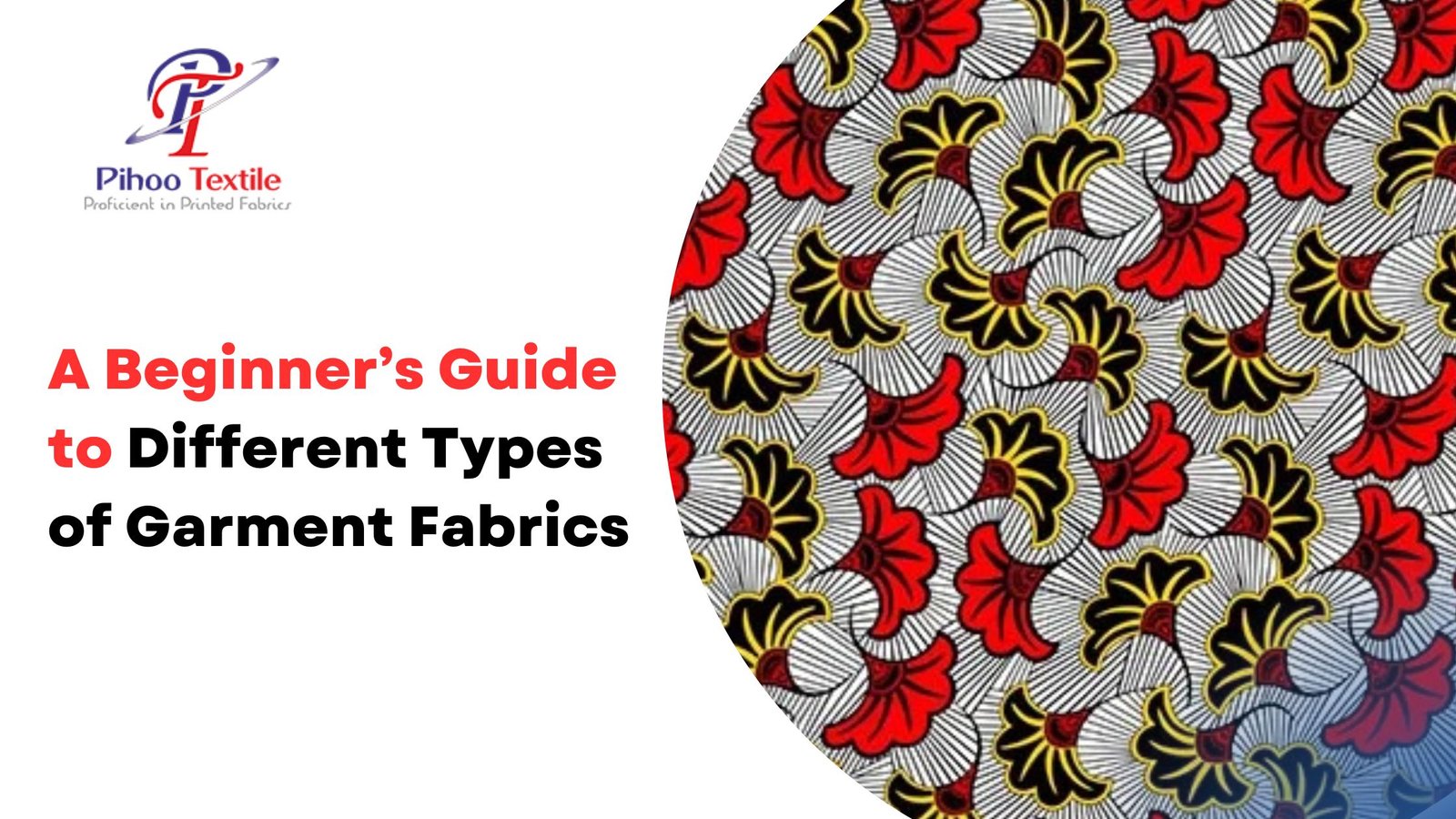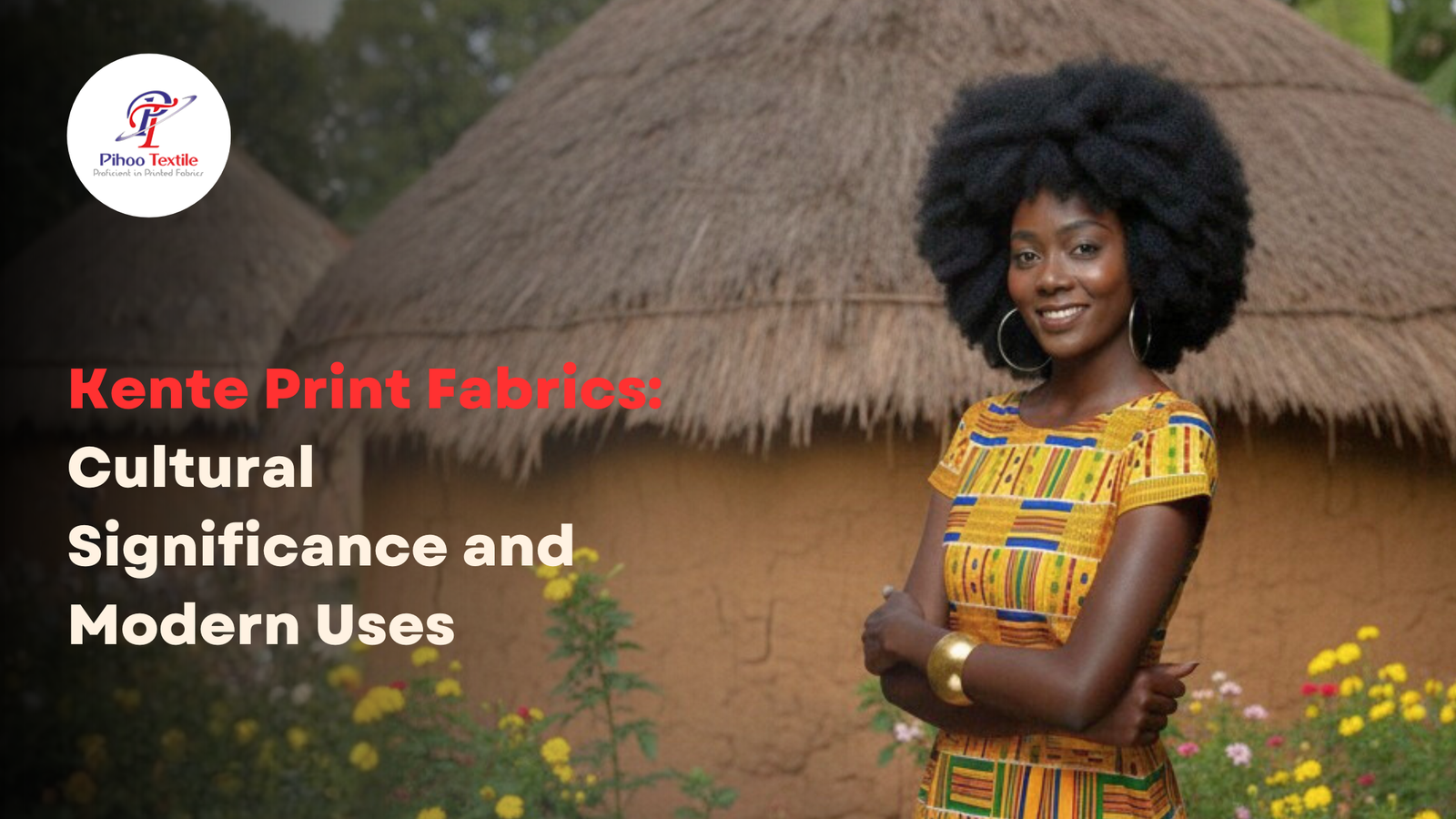


Buyers searching for “real wax fabric” regularly receive imitation prints instead. The substitution happens openly—suppliers list fancy prints under the same category, product pages show similar visual patterns, and pricing looks comparable. By the time the fabric arrives, the differences in hand feel, print depth, and wash performance reveal what photographs couldn’t.
The distinction matters commercially. Customers who know real wax fabric recognize substitutions immediately through touch and reverse-side inspection. Returns follow, along with reputational damage for buyers who passed the substitution down their supply chain without detecting it. Understanding exactly what separates real wax from its alternatives gives buyers the technical criteria to verify quality before committing to bulk orders.
This guide covers the wax-resist production process that defines real wax, the fabric types in the market, quality markers buyers can test, application matching, and care standards that preserve fabric performance. You’ll source with precision rather than assumption.
History and Origin
Real wax fabric traces back to Indonesian batik—a wax-resist craft refined by Javanese artisans over centuries using small copper tools to apply molten wax in precise patterns before dyeing. Dutch manufacturers encountered batik during 19th-century colonial presence in the East Indies and invested heavily in industrial replication using mechanical copper cylinders.
The industrialization produced one unintended result: mechanical wax application created air bubbles and temperature inconsistencies that fractured wax during dyeing, leaving irregular crackle lines across the fabric surface. Javanese buyers rejected this as inferior work. West African buyers responded differently—they read the crackle as distinctive, and Dutch manufacturers redirected their entire output accordingly.
What Makes It Real Wax
Three technical characteristics separate genuine real wax from surface-printed imitations:
- Wax-resist crackle lines: Irregular fracture marks running through the design where wax broke during dyeing. These appear naturally from the production process—you cannot fake them convincingly at scale.
- Double-sided print consistency: Wax-resist dyeing penetrates cotton fibers entirely, producing comparable color saturation on both fabric sides. Flip the fabric—the reverse should read nearly as clearly as the front.
- 100% cotton base: Real wax uses pure cotton at 160-180 GSM. The fiber absorbs dye deeply rather than holding it on the surface, which directly produces the colorfastness that makes real wax outlast printed alternatives.
Selvedge stamps along fabric edges identify authenticated production. Legitimate manufacturers print brand marks, design codes, and origin information along the selvage. Missing stamps indicate either counterfeit product or undocumented production with no quality accountability.
Types of Wax Fabrics
| Type | Process | GSM Range | Identifying Feature |
| Real Wax | Wax-resist dyed | 160–180 | Crackle lines, double-sided print |
| Super Wax | Enhanced wax process | 160–180 | Finer cotton, higher sheen, complex patterns |
| Fancy Print | Surface printing only | 140–165 | Single-sided color, no crackle |
| Digital Wax | Digital inkjet printing | 140–180 | Custom artwork, no crackle |
| Polycotton | Blended base, printed | 120–160 | Synthetic feel, lower colorfastness |
Here’s the uncomfortable commercial reality: the majority of fabric sold as “African wax print” in global wholesale markets is fancy print, not real wax. Buyers who treat these categories as equivalent pay real wax prices for fancy print performance—shorter color life, single-sided saturation, and no crackle authenticity.
Quality Indicators
Test every swatch before bulk commitment:
- Colorfastness check: Rub a damp white cloth firmly across the fabric surface. Significant color transfer indicates dye instability. Quality real wax leaves minimal transfer.
- GSM verification: Request lab certificates confirming weight. Stated 170 GSM that feels like 145 GSM signals material substitution.
- Reverse side inspection: Real wax shows full-depth color on both sides. Surface prints show obvious dullness on the reverse.
- Crackle examination: Hold fabric at an angle under bright light. Genuine crackle lines appear as fine, irregular fractures through the print—not a printed pattern simulating cracks.
- Shrinkage test: Wet a measured 10cm square and re-measure after air drying. Quality cotton real wax shrinks 3-5% maximum. Excess shrinkage indicates poor-quality cotton or inadequate pre-shrinking during production.
Uses and Applications
Real wax fabric’s weight, drape, and colorfastness make it the preferred base for:
- Ceremonial garments: Weddings, naming ceremonies, graduation events—occasions where fabric must photograph well, hold color through repeated wear, and communicate cultural authenticity
- Tailored fashion: Blazers, structured dresses, co-ord sets where 160-180 GSM provides sufficient body without requiring heavy interfacing
- Accessories: Headwraps, tote bags, and clutches where print quality on both sides matters for finished appearance
- Home décor: Cushion covers and throws where wash durability determines product lifespan
Fancy print suits budget fashion and high-volume retail where price sensitivity overrides performance requirements. Matching fabric type to end use prevents the common error of sourcing real wax for applications where fancy print economics would serve buyers better.
Choosing the Right Fabric
Matching Weight to Garment Type
Lightweight applications (scarves, unstructured blouses, gathered skirts) work with 140-160 GSM. Structured garments—blazers, pencil skirts, fitted dresses—need 160-180 GSM to hold shape through wear. Over-weighting casual garments creates stiff, uncomfortable results. Under-weighting structured pieces produces shapeless finishing.
Real Wax vs. Alternatives
Choose real wax when end customers will:
- Examine fabric closely before purchase
- Wash garments repeatedly and expect color retention
- Pay premium retail prices that require premium fabric authenticity
Choose fancy print when:
- Volume and price sensitivity are the primary buying criteria
- End use involves short garment lifecycles (fast fashion, seasonal pieces)
- Customers prioritize print pattern over production method
Care and Maintenance
Cold water washing preserves both cotton fiber integrity and dye stability. Hot water accelerates color migration and fiber breakdown simultaneously—neither effect is recoverable. Machine washing on gentle cycle works for regular care; hand washing extends fabric life further.
Air dry away from direct sunlight. UV exposure degrades dyes faster than washing does. Iron on medium heat with the fabric inside out—high heat on the face side creates shine marks on cotton that don’t press out.
Store folded rather than hung to prevent bias stretching along grainlines. Keep in breathable cotton storage rather than plastic bags, which trap moisture that encourages mildew in natural cotton fibers.
FAQs
How do I distinguish real wax from fancy print when buying online?
Request physical swatches before any commercial commitment—digital photos cannot reveal crackle lines, hand feel, or reverse-side saturation. Ask suppliers specifically whether the fabric is wax-resist produced or surface printed. Legitimate real wax suppliers answer this question immediately with production documentation. Hesitation or evasiveness signals substitution risk.
Does real wax fabric shrink more than fancy print?
Both use cotton bases and experience comparable initial shrinkage of 3-5%. The difference is that real wax cotton is typically higher grade with better pre-shrinking treatment during production. Pre-wash all Ankara fabrics regardless of type before cutting garments.
Is polycotton real wax available?
Polycotton wax-resist printing exists but performs differently than pure cotton. The polyester content reduces colorfastness compared to pure cotton and creates a synthetic hand feel that customers familiar with real cotton wax detect immediately. Polycotton suits buyers prioritizing wrinkle resistance and lower price points over authentic wax performance.
Conclusion
Real wax fabrics are defined by their production method—wax-resist dyeing that creates crackle lines, double-sided saturation, and deep dye penetration into pure cotton. Test quality through colorfastness checks, reverse-side inspection, and GSM verification before bulk buying. Match fabric type to end use rather than defaulting to real wax for every application.
Pihoo Textile manufactures real wax, super wax, and fancy print fabrics with 100% cotton and polycotton bases, colorfast wax-resist dyeing, and export-ready production for global buyers. Our Gujarat facility handles sampling, bulk orders, custom design development, and complete export documentation.
Visit pihootextile.com to request physical swatches, confirm GSM specifications, or discuss custom wax print development. Source real wax fabric with production transparency and quality you can verify before you commit.