
Pihoo Textile is an Exporter of Fabrics in whole African countries and also supplies to exporters and local market. Our Printing quality is suitable for African culture.
© 2026 Created by IndiaFinds

June 20, 2026

Ankara Wax Printed Fabrics: History, Patterns, and Trends
Uncategorized

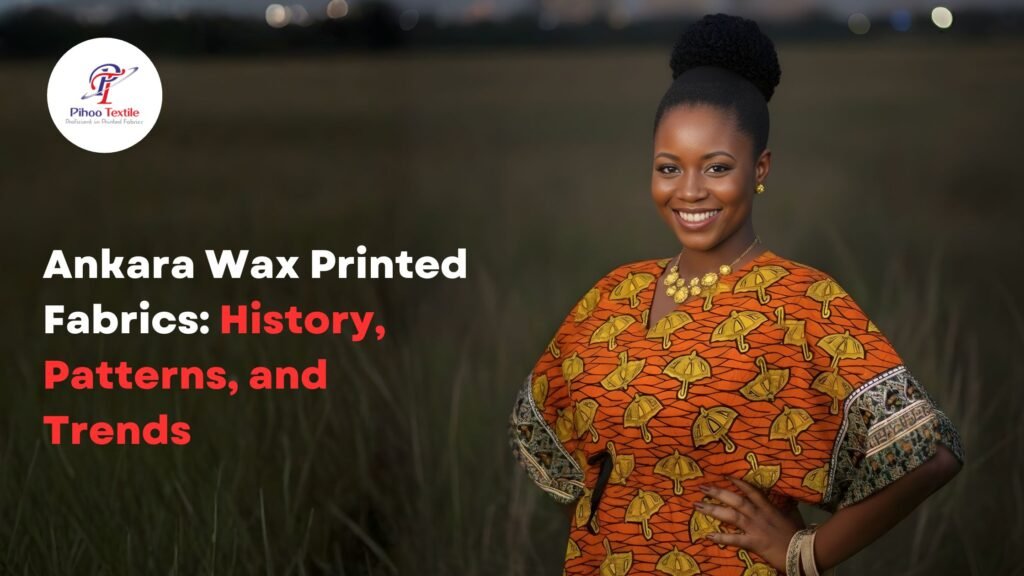
Ankara Wax Printed Fabrics: History, Patterns, and Trends

Introduction Most people who buy Ankara pick patterns based on color and visual appeal alone—completely unaware that the motifs on the fabric carry specific cultural meanings, and that the quality gap between authentic wax-resist prints and cheap polyester imitations affects how garments look, feel, and last. The result: buyers spend money on fabric they can’t fully evaluate, and tailors produce garments that underperform for reasons they can’t diagnose. Ankara isn’t just printed cotton. It’s a textile with a three-continent origin story, a manufacturing process that creates observable quality markers, and a pattern language rooted in social commentary and cultural identity. This guide covers where Ankara actually comes from, how authentic wax-resist printing works, what patterns mean, how color functions symbolically, how modern fashion has transformed the fabric’s use, and what to check before buying. Understanding these layers makes every purchasing decision faster and better-informed. Where Ankara Came From Ankara’s origin story is counterintuitive. The textile didn’t start in Africa—it started as a Dutch industrialization of Javanese batik from Indonesia. Dutch manufacturers mechanized the hand-batik process in the mid-1800s using engraved copper rollers that applied wax to both fabric sides simultaneously. They intended to sell the mechanized cloth in Indonesia as affordable batik. Indonesian buyers rejected it—the crackling effect that occurred when wax fractured during dyeing read as a manufacturing defect to them. West African buyers responded completely differently. Trading ships brought the rejected Dutch prints to West African ports, and communities there read the crackling as proof of authentic wax-resist processing rather than a flaw. That accidental reversal created what the world now calls “African wax print”. The Manufacturing Process The wax-resist process creates every quality marker buyers use for authentication: This multi-step immersion process drives dye completely through the fabric. That’s why authentic Ankara shows near-identical color intensity on both sides—and why the flip test remains the fastest authentication method available. Pattern Categories and Meanings Ankara patterns aren’t random. Most designs fall into recognizable categories connected to West African social life: Named designs carry embedded social commentary. “Jealousy” features eye-like motifs suggesting surveillance. Patterns named after televisions, telephones, or vehicles appeared when those technologies arrived in West Africa—the fabric functioned as a running social record. Color Symbolism Color choices in Ankara communicate specific meanings in West African traditions: Understanding color symbolism helps buyers match fabric to occasion rather than selecting purely on aesthetic preference. A fabric dominated by red carries different social weight than one dominated by blue. Traditional vs. Modern Uses Shift from Ceremonial to Everyday Historically, Ankara reserved itself for formal occasions—weddings, naming ceremonies, political gatherings. Everyday wear used it sparingly. That restriction reinforced Ankara’s status as a marker of significant events rather than casual dress. The shift happened gradually across the late 20th century. African diaspora communities in Europe and North America started incorporating Ankara into everyday wardrobes as a cultural identity marker rather than a ceremonial obligation. Contemporary Applications Modern fashion now uses Ankara across silhouettes that would have been unrecognizable to earlier generations: The fabric’s versatility across these contexts comes directly from its 100% cotton base—natural fiber that adapts to tailoring, casual construction, and structured design alike. Current Trends Pattern Trends in 2025–2026 Large-scale florals have dominated recent Ankara fashion cycles, replacing the tight geometric patterns that defined earlier decades. Minimalist Ankara—fewer colors, cleaner motifs, more white space—has grown in popularity among buyers integrating prints into predominantly neutral wardrobes. Geometric designs maintain strong demand for menswear and professional applications, where smaller, less expressive patterns suit corporate and formal settings better than organic florals. Fabric and Construction Trends Double-layered Ankara garments—bodices and skirts cut from the same print but in contrasting orientations—create visual complexity without introducing a second fabric. Monochromatic Ankara (single dominant color, tonal variations) appeals to buyers who want the texture without the color intensity. Ankara vs. Other African Prints Buyers frequently confuse Ankara with other printed African textiles. The differences matter for both sewing and styling: Fabric Construction Key Feature Ankara/Wax Print Cotton, wax-resist printed Double-sided, crackle effect Kitenge Similar to Ankara, East African term Surface-printed variants common Kente Handwoven cotton/silk strips Strip seams visible, not printed Adire Nigerian indigo resist-dyed Tie-dye or stencil method Ankara and Kitenge often get conflated because both use cotton and bold patterns. The distinction is geographic and processing-based rather than visual. How to Buy Authentic Ankara These four checks take under two minutes and eliminate most purchasing mistakes: Price functions as a rough signal: authentic wax-resist processing on quality cotton creates cost floors that very cheap “Ankara” cannot honestly meet. FAQs Why do some Ankara patterns have names like “Jealousy” or “Television”?West African communities named wax print patterns after social events, new technologies, or culturally resonant concepts at the time each design was introduced. The names embedded social commentary into fabric—wearing a specific pattern communicated something about the wearer’s situation or sentiment without direct speech. The naming tradition varies by country: the same visual pattern can carry different names in Ghana, Nigeria, and Côte d’Ivoire. Does Ankara fabric come in different weights, and does that affect styling?Yes. Standard wax print ranges roughly from 140–180 GSM. Lighter weights drape more softly for blouses, wrap dresses, and flowing silhouettes. Heavier weights provide structure for tailored pieces—blazers, fitted bodices, structured skirts. The weight affects pattern placement too: heavier fabric maintains geometric precision better than lighter cloth that shifts during construction. Is it appropriate for non-Africans to wear Ankara?Most Ghanaian and Nigerian fashion professionals frame Ankara wearing by non-Africans as welcome when it involves genuine appreciation rather than costume use. The practical distinctions: buying from suppliers who maintain connection to African textile traditions, understanding what the patterns mean rather than selecting purely for visual impact, and wearing the fabric in contexts that respect rather than trivialize its origin. What’s the difference between “real wax” and “fancy print” Ankara?Real wax print uses authentic wax-resist immersion dyeing—double-sided, with crackling, on 100% cotton. Fancy print uses surface printing on cotton without the wax-resist step, producing single-sided prints without crackling at a lower
Ankara fabric Manufacturers US
Uncategorized

Real Wax Fabrics

Buyers searching for “real wax fabric” regularly receive imitation prints instead. The substitution happens openly—suppliers list fancy prints under the same category, product pages show similar visual patterns, and pricing looks comparable. By the time the fabric arrives, the differences in hand feel, print depth, and wash performance reveal what photographs couldn’t. The distinction matters commercially. Customers who know real wax fabric recognize substitutions immediately through touch and reverse-side inspection. Returns follow, along with reputational damage for buyers who passed the substitution down their supply chain without detecting it. Understanding exactly what separates real wax from its alternatives gives buyers the technical criteria to verify quality before committing to bulk orders. This guide covers the wax-resist production process that defines real wax, the fabric types in the market, quality markers buyers can test, application matching, and care standards that preserve fabric performance. You’ll source with precision rather than assumption. History and Origin Real wax fabric traces back to Indonesian batik—a wax-resist craft refined by Javanese artisans over centuries using small copper tools to apply molten wax in precise patterns before dyeing. Dutch manufacturers encountered batik during 19th-century colonial presence in the East Indies and invested heavily in industrial replication using mechanical copper cylinders. The industrialization produced one unintended result: mechanical wax application created air bubbles and temperature inconsistencies that fractured wax during dyeing, leaving irregular crackle lines across the fabric surface. Javanese buyers rejected this as inferior work. West African buyers responded differently—they read the crackle as distinctive, and Dutch manufacturers redirected their entire output accordingly. What Makes It Real Wax Three technical characteristics separate genuine real wax from surface-printed imitations: Selvedge stamps along fabric edges identify authenticated production. Legitimate manufacturers print brand marks, design codes, and origin information along the selvage. Missing stamps indicate either counterfeit product or undocumented production with no quality accountability. Types of Wax Fabrics Type Process GSM Range Identifying Feature Real Wax Wax-resist dyed 160–180 Crackle lines, double-sided print Super Wax Enhanced wax process 160–180 Finer cotton, higher sheen, complex patterns Fancy Print Surface printing only 140–165 Single-sided color, no crackle Digital Wax Digital inkjet printing 140–180 Custom artwork, no crackle Polycotton Blended base, printed 120–160 Synthetic feel, lower colorfastness Here’s the uncomfortable commercial reality: the majority of fabric sold as “African wax print” in global wholesale markets is fancy print, not real wax. Buyers who treat these categories as equivalent pay real wax prices for fancy print performance—shorter color life, single-sided saturation, and no crackle authenticity. Quality Indicators Test every swatch before bulk commitment: Uses and Applications Real wax fabric’s weight, drape, and colorfastness make it the preferred base for: Fancy print suits budget fashion and high-volume retail where price sensitivity overrides performance requirements. Matching fabric type to end use prevents the common error of sourcing real wax for applications where fancy print economics would serve buyers better. Choosing the Right Fabric Matching Weight to Garment Type Lightweight applications (scarves, unstructured blouses, gathered skirts) work with 140-160 GSM. Structured garments—blazers, pencil skirts, fitted dresses—need 160-180 GSM to hold shape through wear. Over-weighting casual garments creates stiff, uncomfortable results. Under-weighting structured pieces produces shapeless finishing. Real Wax vs. Alternatives Choose real wax when end customers will: Choose fancy print when: Care and Maintenance Cold water washing preserves both cotton fiber integrity and dye stability. Hot water accelerates color migration and fiber breakdown simultaneously—neither effect is recoverable. Machine washing on gentle cycle works for regular care; hand washing extends fabric life further. Air dry away from direct sunlight. UV exposure degrades dyes faster than washing does. Iron on medium heat with the fabric inside out—high heat on the face side creates shine marks on cotton that don’t press out. Store folded rather than hung to prevent bias stretching along grainlines. Keep in breathable cotton storage rather than plastic bags, which trap moisture that encourages mildew in natural cotton fibers. FAQs How do I distinguish real wax from fancy print when buying online?Request physical swatches before any commercial commitment—digital photos cannot reveal crackle lines, hand feel, or reverse-side saturation. Ask suppliers specifically whether the fabric is wax-resist produced or surface printed. Legitimate real wax suppliers answer this question immediately with production documentation. Hesitation or evasiveness signals substitution risk. Does real wax fabric shrink more than fancy print?Both use cotton bases and experience comparable initial shrinkage of 3-5%. The difference is that real wax cotton is typically higher grade with better pre-shrinking treatment during production. Pre-wash all Ankara fabrics regardless of type before cutting garments. Is polycotton real wax available?Polycotton wax-resist printing exists but performs differently than pure cotton. The polyester content reduces colorfastness compared to pure cotton and creates a synthetic hand feel that customers familiar with real cotton wax detect immediately. Polycotton suits buyers prioritizing wrinkle resistance and lower price points over authentic wax performance. Conclusion Real wax fabrics are defined by their production method—wax-resist dyeing that creates crackle lines, double-sided saturation, and deep dye penetration into pure cotton. Test quality through colorfastness checks, reverse-side inspection, and GSM verification before bulk buying. Match fabric type to end use rather than defaulting to real wax for every application. Pihoo Textile manufactures real wax, super wax, and fancy print fabrics with 100% cotton and polycotton bases, colorfast wax-resist dyeing, and export-ready production for global buyers. Our Gujarat facility handles sampling, bulk orders, custom design development, and complete export documentation.  Visit pihootextile.com to request physical swatches, confirm GSM specifications, or discuss custom wax print development. Source real wax fabric with production transparency and quality you can verify before you commit.

SEO title preview: African Wax Prints
Uncategorized

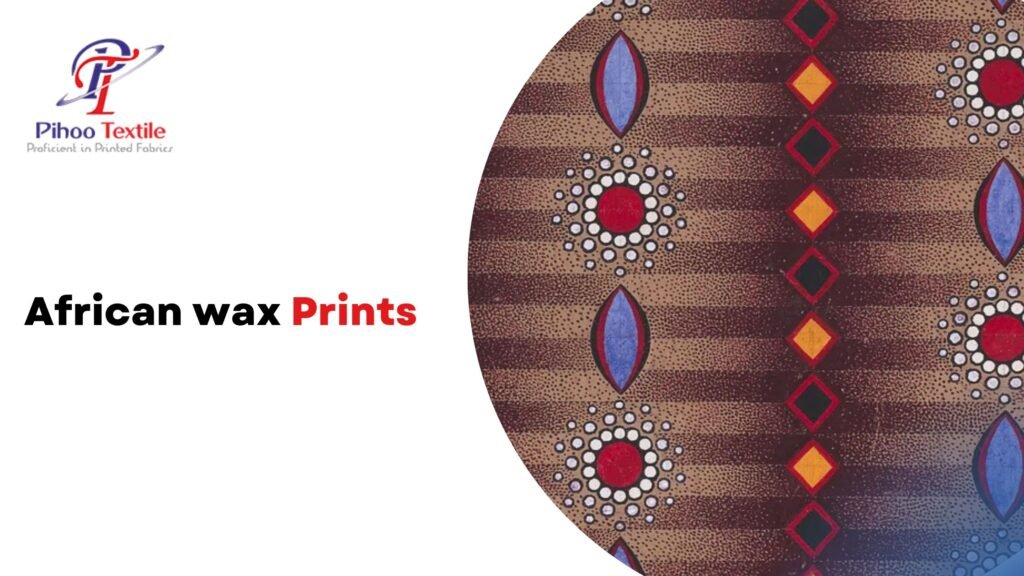
African Wax Prints

Introduction The single biggest mistake buyers make with African wax prints is assuming all versions are equivalent. They are not. The market splits into real wax prints, fancy prints, and premium super wax — three categories with meaningfully different production methods, durability profiles, and price points. A buyer who picks up a cheap fancy print expecting real wax performance ends up with a faded, single-sided fabric that loses its vibrancy within months. The design vocabulary of African wax prints — bold geometric patterns, cultural motifs, and the distinctive crackle effect — only delivers its full impact when the underlying production quality holds up through regular use.  This guide details African wax prints, their history, and quality standards. You will learn to identify authentic fabrics, work with them effectively, and apply care instructions to maximize their lifespan for confident sourcing. What African Wax Prints Are Wax-Resist Cotton Construction African wax prints are 100% cotton fabrics produced using an industrial wax-resist dyeing process. Manufacturers apply melted wax or resin to both fabric sides using engraved copper rollers, then immerse the cloth in dye baths. Waxed areas repel color; exposed cotton absorbs it. This process repeats for each color in the design, creating layered patterns with depth that single-pass printing cannot achieve. Ankara, Dutch Wax, and Related Names The same fabric category goes by several names depending on context: These terms describe the same production category, not meaningfully different products. History and Origins Indonesian Batik to Dutch Industry The wax-resist technique came directly from Indonesian batik, a centuries-old tradition of hand-applying wax to fabric before dyeing. Dutch manufacturers mechanized this process in the 1850s using copper rollers, intending to sell the output to Indonesian markets at lower cost than hand-made batik. The West African Pivot Indonesia rejected the mechanized fabrics because the industrial process created crackle lines — fine dye penetrations through wax cracks — that traditional batik makers considered defects. Dutch traders redirected their inventory to West African ports starting in the 1880s. West African buyers treated the crackle effect not as a flaw but as a quality indicator, a perception that remains accurate — it signals proper wax application on both fabric sides. Cultural Embedding West African women drove adoption by assigning local names and meanings to specific patterns, transforming commercial textiles into cultural communication tools. By the mid-20th century, African-owned factories produced continent-specific designs. The fabrics shifted from imported goods to cultural heritage over roughly 80 years of social integration. Types of African Wax Prints The market currently divides into three production tiers: Knowing this split prevents the most common sourcing error: paying real-wax prices for fancy-print fabric. How to Identify Quality Fabric Three checks cover most quality verification needs: Weight matters too. Real wax prints feel substantially heavier than standard cotton. If a bolt feels light and limp, the GSM is likely below 130 — too low for structured garment work. How to Work With Wax Prints Pre-Washing and Pressing Always pre-wash before cutting. Cotton wax prints shrink up to 10% in the first wash — cutting before washing produces garments that misfit after their first laundry cycle. Wash at 40°C with mild detergent, then press with steam while still slightly damp. The fabric softens noticeably after this stage, improving drape for fitted pieces. Pattern Matching Wax print patterns have large repeats — often 20-30cm — that require deliberate matching across seams. Identify the repeat length before calculating fabric quantities. Add one full repeat length per major pattern piece to your yardage estimate to ensure alignment at side seams, shoulder seams, and center fronts. Grain Direction and Fabric Layout Some wax print designs are directional — the motifs read correctly only from one orientation. Lay all pattern pieces in the same direction before cutting. Breaking this rule produces garments where pattern elements point in opposite directions across seams, a visible error that wastes the fabric’s design investment. What to Make With Wax Prints The fabric’s 150-180 GSM weight makes it versatile across project categories: Wax prints work poorly for bias-cut garments requiring extreme drape, and for sheer layering projects — the weight and opacity work against these applications. Care and Maintenance Follow these steps to preserve color and fabric structure: Avoid bleach, fabric softeners, and temperatures above 40°C, all of which degrade the wax-resist dye bonds that give authentic fabric its color permanence. Buying Tips for First-Time Buyers Most first-time buyers underestimate how much fabric they need. Use these starting points: Always add 0.5 meters to any estimate when working with large-repeat patterns. Request physical samples before bulk orders to verify both-sides color and actual GSM rather than relying on product descriptions alone. FAQs Why does some wax print fabric feel stiff when new?The stiffness comes from residual wax compounds and dye saturation in the cotton fibers. Pre-washing removes this initial stiffness while preserving color integrity. The fabric softens significantly after the first wash and continues softening with use, eventually achieving a hand feel closer to well-worn cotton. Can I mix different wax print patterns in one outfit?Yes, pattern mixing works when designs share at least one common color. Pair patterns of different scales — a large floral with a small geometric — rather than two large-scale patterns competing for visual attention. Hold fabrics together before cutting to assess whether the combination reads as deliberate rather than accidental. What causes wax print fabric to fade unevenly?Uneven fading typically signals a fancy print rather than real wax. Fancy prints apply color to one surface only, so surface abrasion and washing expose the uncolored fiber underneath unevenly across the fabric. Real wax prints with color penetrating both sides fade more uniformly and far more slowly. How do I calculate fabric for a project with a large pattern repeat?Measure the pattern repeat length — the distance before the design starts repeating — by folding the fabric until the pattern aligns. Add this measurement to your base fabric requirement for each major pattern piece. For a dress requiring 2.5 meters with a

Scroll to Top