
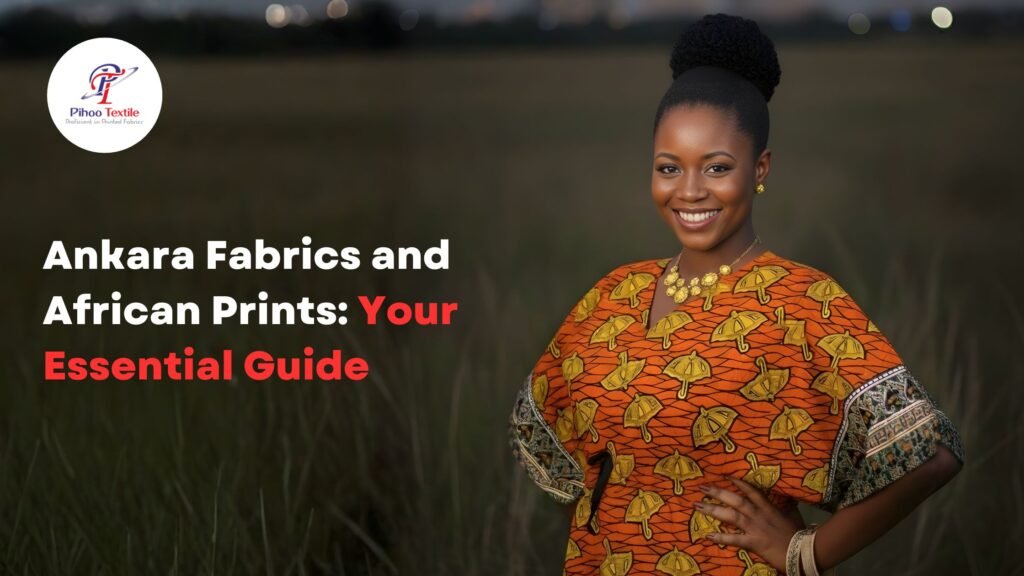
Most buyers use “Ankara” as a catch-all term for every colorful African print fabric they encounter. That habit causes real sourcing problems. Real wax prints, fancy prints, super wax, and Java prints behave differently on the bolt, perform differently through production, and carry different price-to-quality ratios. Treating them as interchangeable leads to mismatched inventory and garments that disappoint customers.
The terminology confusion runs deep. Retailers list imitation wax prints as “authentic Ankara.” Manufacturers use “Dutch wax” and “Hollandais” for products that share nothing beyond visual similarity. Buyers making bulk decisions based on appearance alone regularly end up with fabrics that fade within weeks.
This guide cuts through that confusion. It covers the fabric types, quality markers that separate reliable materials from short-lived alternatives, sewing and project-matching criteria, styling applications, and sourcing standards worth holding suppliers to. By the end, you’ll make fabric decisions based on specifications rather than assumptions.
What Ankara Fabric Really Is
Ankara refers specifically to African wax print fabric produced through a wax-resist dyeing process rooted in Indonesian batik technique. Dutch manufacturers industrialized batik production in the 19th century and redirected their output to West African markets after Indonesian buyers rejected it. West Africans embraced the fabric, named patterns after real-world events and concepts, and built an entire visual communication system around it.
The result is 100% cotton fabric—typically 160-180 GSM—with identical print saturation on both sides. That double-sided printing results directly from the wax-resist process: dye penetrates the fabric entirely rather than coating just the surface. This characteristic separates genuine Ankara from imitations, not aesthetic appearance.
Types of Ankara and African Print Fabrics
Real Wax Print
Produced through genuine wax-resist dyeing with characteristic crackle lines where wax fractures during production. Identical on both sides. Most durable colorfastness. Premium pricing reflects multi-stage production.
Super Wax / Premium Wax
Finer cotton base, tighter weave, more elaborate patterns. Softer hand feel than standard wax. Suits luxury positioning and high-end custom garments. Costs 30-50% above standard wax print.
Fancy Print (Imitation Wax)
Direct surface printing that replicates wax print aesthetics without the resist process. One side shows brighter color; reverse appears duller. Lower colorfastness, shorter lifespan. Suits budget markets where price matters more than longevity.
Java Print and Metallic Variations
Java prints combine batik-inspired patterns with softer color palettes. Metallic versions incorporate gold-effect or shimmer visual elements through specialty printing. Both suit occasion wear and premium accessories.
Quality Markers That Matter
Fabric Weight and Hand Feel
Request GSM documentation from all suppliers. Standard Ankara: 160-180 GSM for garments, 140-160 GSM for lighter applications like scarves and accessories. Fabrics falling below stated GSM indicate material substitution or quality compromise.
Print Clarity and Colorfastness
Rub a damp white cloth firmly across the fabric surface. Significant color transfer indicates unstable dye application that will bleed during customer washing. Sharp pattern edges, consistent color across the full fabric width, and clean lines at motif boundaries all signal quality printing.
Double-Sided Printing Verification
Flip the fabric and examine the reverse. Genuine wax prints show comparable color saturation on both sides. Surface-printed imitations show obvious dullness on the back. This single test filters out the majority of low-quality substitutions quickly.
Selvedge Stamps
Authentic wax print manufacturers stamp fabric edges with brand marks, design codes, and country of origin. Missing or poorly printed selvedge details indicate either counterfeit products or manufacturers unwilling to stand behind their output.
Choosing Ankara for Sewing Projects
Pattern Scale Matching
Large-scale motifs (8+ inches) demand sufficient fabric yardage for proper display. These prints suit maxi dresses, wide-leg trousers, and full skirts where repeats display completely. The same large-scale print on a fitted blouse or child’s garment gets fragmented during cutting—motifs display as partial shapes rather than complete designs.
Small-to-medium repeats (2-6 inches) offer flexibility across garment categories. First-time Ankara sewers achieve better results starting with medium repeats before attempting large dramatic patterns.
Color Coordination
Extract accent colors from the Ankara print itself for companion solid fabrics. A print containing gold, burgundy, and cream tells you exactly which solid trousers, shoes, or accessories will work. External color theory becomes unnecessary when the print provides its own palette.
Weight Selection by Project
- 140-150 GSM: Flowing dresses, gathered skirts, unstructured tops, scarves
- 160-170 GSM: Structured dresses, tailored shirts, wide-leg trousers
- 170-180 GSM: Blazers, jackets, bags, upholstered accessories
Sewing Tips and Best Practices
Pre-Washing and Cutting
Pre-wash in cold water before cutting. Cotton Ankara shrinks 3-5% on first wash—pre-washing prevents post-sale garment shrinkage. Cut along the grain using sharp scissors or rotary cutters. Dull blades pull fabric during cutting, creating uneven edges that show in finished seams.
Pattern Placement and Matching
Plan placement before making the first cut, especially for bodice fronts and jacket backs where symmetry matters visually. Buy 0.5-1 extra yard per project to allow matching flexibility. Centered motifs look intentional; off-center placement looks like a mistake.
Thread, Needle, and Interfacing
Match thread fiber content to fabric—cotton thread with cotton Ankara. Polyester thread’s higher tension can pucker cotton seams. Use size 80/12 or 90/14 universal needles for standard Ankara weights. Interface with opaque cream or white material to prevent bold prints from showing through facing areas.
Styling and Project Ideas
Ankara’s versatility across categories drives its consistent commercial demand:
- Apparel: Dresses, blazers, skirts, jumpsuits, co-ord sets, kaftans
- Accessories: Headwraps, tote bags, clutches, shoe uppers, belts
- Home décor: Cushion covers, throws, table runners, framed fabric art
Here’s the contrarian pattern most buyers miss: Ankara accessories consistently outsell garments in Western markets where customers want cultural aesthetics without committing to full outfit changes. Stocking headwraps, bags, and small home items alongside garments captures this demand segment effectively.
Common Mistakes to Avoid
- Mixing multiple busy prints in one garment: Competing patterns create visual chaos. Use solid fabrics for contrast panels and trim.
- Wrong weight for intended structure: Lightweight Ankara produces floppy blazers. Heavy Ankara creates stiff gathering in skirts that should flow.
- Skipping the colorfastness test: One failed wash cycle generates returns that cost more than the fabric savings justified.
- Ignoring print direction: Directional prints require all pattern pieces cut facing the same way, increasing yardage requirements by 10-15%.
Sourcing Reliable Ankara Prints
Wholesale ordering typically comes in 6-yard and 12-yard cuts. Twelve-yard bolts optimize container shipping costs for bulk buyers. Standard MOQs from quality manufacturers run 500-1,000 pieces for established designs, 3,000+ for custom prints requiring new screen or digital setups.
Request physical swatches, not digital photos, before committing to bulk orders. Screen calibration differences between buyer and supplier monitors mean digital color matching regularly fails. Physical swatches under consistent lighting reveal actual color, hand feel, and print quality simultaneously.
FAQs
What’s the difference between Ankara and Dutch wax?
The terms refer to the same product. “Ankara” is the common West African name. “Dutch wax” references the European manufacturing origin. Both describe wax-resist printed 100% cotton fabric, though “Dutch wax” sometimes implies premium European-produced prints while “Ankara” covers all production sources.
How many yards do I need for a standard dress?
Most adult dress styles require 3-4 yards of 44-inch-wide Ankara. Styles with full skirts, long sleeves, or pattern-matching requirements need 4-5 yards. Always buy extra when working with large-scale directional prints.
Can Ankara fabric be machine washed?
Yes, but cold water only. Hot water accelerates color fading and causes shrinkage beyond normal cotton behavior. Gentle cycle settings reduce agitation that stresses seams. Air drying preserves colors better than machine drying.
Why does authentic Ankara cost more than lookalike prints?
Genuine wax-resist production involves multiple stages—wax application, dye baths, wax removal, and finishing. Each stage adds cost. Premium cotton base, colorfast dye systems, and quality control protocols add further expense. The performance difference over time—colorfastness, durability, hand feel—justifies the price gap for buyers targeting quality-conscious customers.
Conclusion
Ankara quality comes down to specifications: cotton content, GSM, double-sided printing, colorfastness, and proper selvedge identification. Match fabric weight to project requirements, plan pattern placement before cutting, and test colorfastness before bulk commitment. These decisions separate reliable inventory from expensive disappointments.
Pihoo Textile supplies Ankara fabrics in real wax, super wax, and fancy print variations across 140-180 GSM weights with colorfast dyeing, double-sided printing standards, and export-ready quality documentation. Our design library covers geometric, floral, heritage, and contemporary patterns available for sampling and bulk orders. Visit pihootextile.com to request fabric swatches, review GSM specifications, or place orders with flexible minimums. Source Ankara prints that perform consistently through production and hold up through customer use.