Pihoo Textile is an Exporter of Fabrics in whole African countries and also supplies to exporters and local market. Our Printing quality is suitable for African culture.
© 2026 Created by IndiaFinds

May 15, 2026

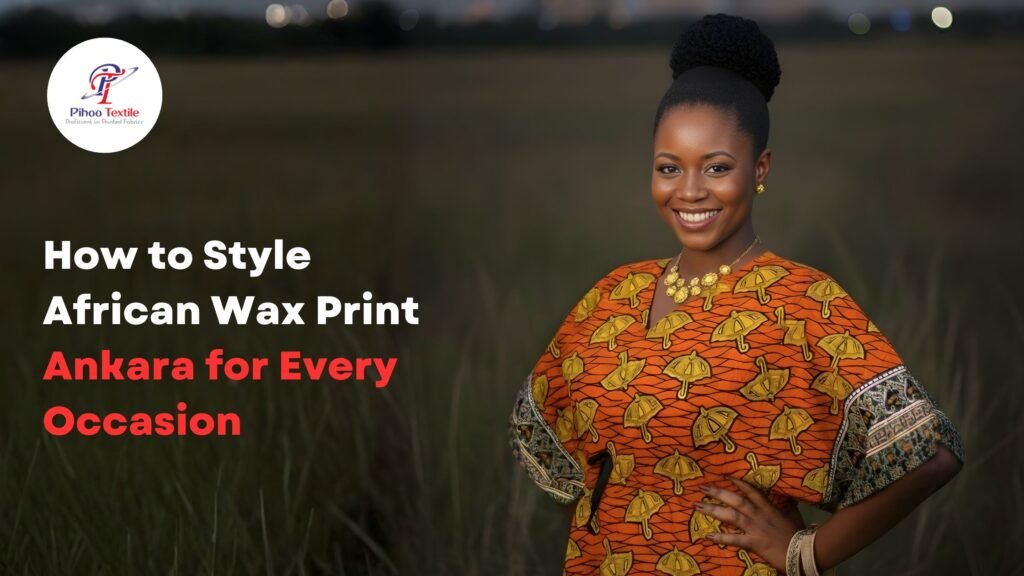
How to Style African Wax Print Ankara for Every Occasion
Uncategorized

How to Style African Wax Print Ankara for Every Occasion

Most people who own Ankara fabric wear it once—to a wedding, a cultural event, or a friend’s party—then fold it away. This happens because styling advice for Ankara almost exclusively targets celebration contexts, leaving buyers without a framework for everyday, office, and evening looks. The result is expensive fabric that sits unused most of the year. Ankara wax print is structurally the same cotton fabric whether it ends up in a ballgown or a blazer. What changes across occasions is silhouette, fabric weight, and how you balance bold print against neutral elements. The contrarian insight? Ankara actually performs better in everyday settings than in formal ones because its bold pattern draws attention in ways that feel natural in casual contexts and require careful management in formal ones. This guide covers occasion-specific styling for women and men—casual, office, party, and formal—plus layering techniques, accessory logic, and fabric sourcing considerations for consistent quality results. Ankara Fabric Basics Pattern scale and fabric weight determine which occasions a piece suits before any styling decisions happen. Large, high-contrast prints carry visual weight that works for statement pieces—maxi dresses, full suits, wide-leg trousers. Smaller, tonal patterns integrate more easily into mixed outfits where Ankara appears alongside solid-color pieces. Fabric weight divides similarly: lightweight cotton (140-160 gsm) drapes well for flowy skirts and dresses; heavier weights (180-220 gsm) hold structure for tailored blazers, trousers, and bags. Color matching follows one reliable rule: pull a secondary color from the print and match solid-color pieces to it. A print with deep green, gold, and orange pairs cleanly with a solid deep green trouser or a plain gold top. Casual Everyday Looks for Women The simplest daily Ankara outfit pairs a printed top with dark jeans and flat sandals. This combination works because denim neutralizes print intensity. The jeans handle the structural weight; the Ankara top provides the visual interest. Midi skirts in bold prints worn with plain white or black fitted tops follow the same logic—one printed piece, one solid. Quick Casual Combinations Casual Everyday Looks for Men An Ankara shirt over dark chinos or jeans remains the most accessible entry point for men. Wear it untucked for relaxed settings; tuck it in with a belt for a more put-together casual look. Ankara shorts sets—matching printed shorts and shirt—work well for warm-weather outings and beach events. Clean white sneakers or leather sandals ground these combinations without competing with the print. Office and Semi-Formal Styling Ankara moves into office settings through tailoring—structured pieces with clean lines. A fitted Ankara blazer over plain trousers or a pencil skirt reads professional immediately. The print carries personality; the silhouette signals formality. Alternatively, a solid blazer over an Ankara midi skirt reverses the proportion, keeping the print contained below the waist. Office Styling Rules Party and Evening Wear for Women Evening Ankara styling centers on silhouette complexity—the fabric does the decoration work, so the cut needs to be deliberate. Floor-length maxi dresses in bold prints command attention at weddings and celebrations without accessories. Peplum tops over straight-cut trousers or midi skirts suit dinner events and birthday parties. Short bodycon dresses in geometric Ankara patterns work for nighttime events where bold contrast reads well under artificial lighting. Statement earrings—not necklaces—complete evening Ankara looks. The fabric’s color intensity usually makes necklaces redundant. Party and Evening Wear for Men Tailored Ankara suits represent the highest-impact men’s formal Ankara look. A matching jacket and trouser in the same print signals intentional dressing at celebrations and ceremonies. For semi-formal events, an Ankara dress shirt under a plain dark blazer delivers color interest without full print saturation. Leather loafers in tan or black, a simple watch—these complete the look without competing for attention. Layering and Accessorizing Layering extends Ankara into cooler seasons and creates visual depth in any setting. The accessory rule stays consistent across occasions: one statement piece maximum. Bold earrings or a headwrap—not both. A statement belt or a structured bag—not both. Ankara already carries significant visual complexity. Sourcing Ankara Fabrics for Custom Styling Quality fabric makes every styling decision easier because consistent color saturation, weight, and print registration produce predictable results in finished garments. Double-sided printing—where both fabric faces show equal color intensity—signals authentic wax-resist production. Single-sided prints fade faster and behave differently when cut on the bias or gathered. Minimum 160 gsm weight suits most garment categories; 180+ gsm for structured pieces. Colorfastness rating of Grade 4-5 ensures finished garments maintain vibrancy through commercial use. Conclusion Ankara’s styling range is far wider than celebration-only use suggests. The framework is straightforward: one printed piece, solid supporting elements, silhouette matched to occasion, accessories kept minimal. Apply this across casual, office, and formal contexts and Ankara becomes one of the most versatile fabrics in any wardrobe. Pihoo Textiles manufactures premium African wax print Ankara fabrics at our Jetpur, Gujarat facility—authentic double-sided wax-resist printing on 100% cotton at 140-220 gsm across a full range of patterns, colorways, and print scales suited for every garment category in this guide. Request fabric samples from our Ankara collection at pihootextile.com , or contact our export team to discuss bulk orders, custom colorway development, and wholesale partnerships for your fashion line.
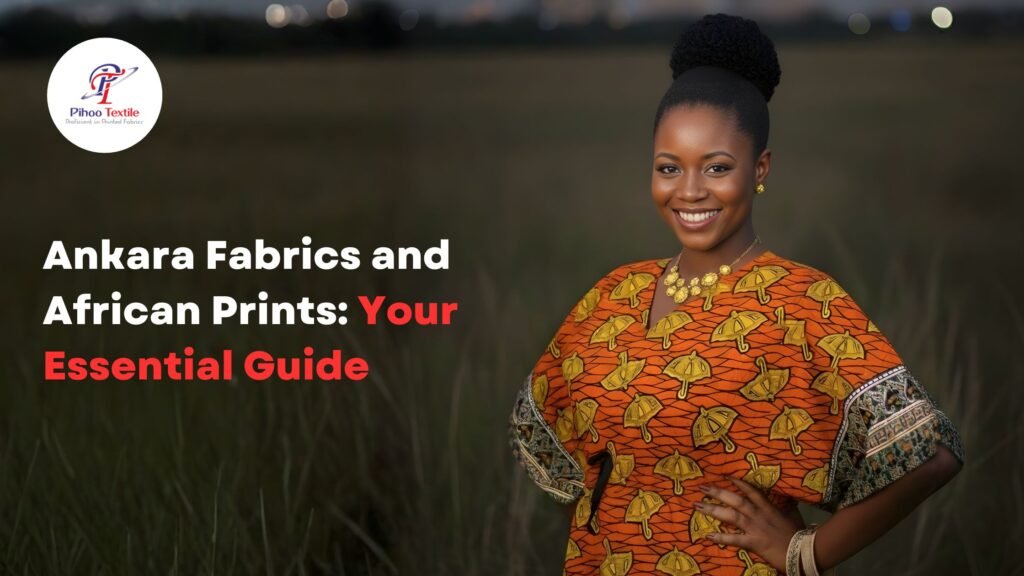
Ankara Fabrics and African Prints: Your Essential Guide
Uncategorized

Ankara Fabrics and African Prints: Your Essential Guide

Most buyers use “Ankara” as a catch-all term for every colorful African print fabric they encounter. That habit causes real sourcing problems. Real wax prints, fancy prints, super wax, and Java prints behave differently on the bolt, perform differently through production, and carry different price-to-quality ratios. Treating them as interchangeable leads to mismatched inventory and garments that disappoint customers. The terminology confusion runs deep. Retailers list imitation wax prints as “authentic Ankara.” Manufacturers use “Dutch wax” and “Hollandais” for products that share nothing beyond visual similarity. Buyers making bulk decisions based on appearance alone regularly end up with fabrics that fade within weeks. This guide cuts through that confusion. It covers the fabric types, quality markers that separate reliable materials from short-lived alternatives, sewing and project-matching criteria, styling applications, and sourcing standards worth holding suppliers to. By the end, you’ll make fabric decisions based on specifications rather than assumptions. What Ankara Fabric Really Is Ankara refers specifically to African wax print fabric produced through a wax-resist dyeing process rooted in Indonesian batik technique. Dutch manufacturers industrialized batik production in the 19th century and redirected their output to West African markets after Indonesian buyers rejected it. West Africans embraced the fabric, named patterns after real-world events and concepts, and built an entire visual communication system around it. The result is 100% cotton fabric—typically 160-180 GSM—with identical print saturation on both sides. That double-sided printing results directly from the wax-resist process: dye penetrates the fabric entirely rather than coating just the surface. This characteristic separates genuine Ankara from imitations, not aesthetic appearance. Types of Ankara and African Print Fabrics Real Wax Print Produced through genuine wax-resist dyeing with characteristic crackle lines where wax fractures during production. Identical on both sides. Most durable colorfastness. Premium pricing reflects multi-stage production. Super Wax / Premium Wax Finer cotton base, tighter weave, more elaborate patterns. Softer hand feel than standard wax. Suits luxury positioning and high-end custom garments. Costs 30-50% above standard wax print. Fancy Print (Imitation Wax) Direct surface printing that replicates wax print aesthetics without the resist process. One side shows brighter color; reverse appears duller. Lower colorfastness, shorter lifespan. Suits budget markets where price matters more than longevity. Java Print and Metallic Variations Java prints combine batik-inspired patterns with softer color palettes. Metallic versions incorporate gold-effect or shimmer visual elements through specialty printing. Both suit occasion wear and premium accessories. Quality Markers That Matter Fabric Weight and Hand Feel Request GSM documentation from all suppliers. Standard Ankara: 160-180 GSM for garments, 140-160 GSM for lighter applications like scarves and accessories. Fabrics falling below stated GSM indicate material substitution or quality compromise. Print Clarity and Colorfastness Rub a damp white cloth firmly across the fabric surface. Significant color transfer indicates unstable dye application that will bleed during customer washing. Sharp pattern edges, consistent color across the full fabric width, and clean lines at motif boundaries all signal quality printing. Double-Sided Printing Verification Flip the fabric and examine the reverse. Genuine wax prints show comparable color saturation on both sides. Surface-printed imitations show obvious dullness on the back. This single test filters out the majority of low-quality substitutions quickly. Selvedge Stamps Authentic wax print manufacturers stamp fabric edges with brand marks, design codes, and country of origin. Missing or poorly printed selvedge details indicate either counterfeit products or manufacturers unwilling to stand behind their output. Choosing Ankara for Sewing Projects Pattern Scale Matching Large-scale motifs (8+ inches) demand sufficient fabric yardage for proper display. These prints suit maxi dresses, wide-leg trousers, and full skirts where repeats display completely. The same large-scale print on a fitted blouse or child’s garment gets fragmented during cutting—motifs display as partial shapes rather than complete designs. Small-to-medium repeats (2-6 inches) offer flexibility across garment categories. First-time Ankara sewers achieve better results starting with medium repeats before attempting large dramatic patterns. Color Coordination Extract accent colors from the Ankara print itself for companion solid fabrics. A print containing gold, burgundy, and cream tells you exactly which solid trousers, shoes, or accessories will work. External color theory becomes unnecessary when the print provides its own palette. Weight Selection by Project Sewing Tips and Best Practices Pre-Washing and Cutting Pre-wash in cold water before cutting. Cotton Ankara shrinks 3-5% on first wash—pre-washing prevents post-sale garment shrinkage. Cut along the grain using sharp scissors or rotary cutters. Dull blades pull fabric during cutting, creating uneven edges that show in finished seams. Pattern Placement and Matching Plan placement before making the first cut, especially for bodice fronts and jacket backs where symmetry matters visually. Buy 0.5-1 extra yard per project to allow matching flexibility. Centered motifs look intentional; off-center placement looks like a mistake. Thread, Needle, and Interfacing Match thread fiber content to fabric—cotton thread with cotton Ankara. Polyester thread’s higher tension can pucker cotton seams. Use size 80/12 or 90/14 universal needles for standard Ankara weights. Interface with opaque cream or white material to prevent bold prints from showing through facing areas. Styling and Project Ideas Ankara’s versatility across categories drives its consistent commercial demand: Here’s the contrarian pattern most buyers miss: Ankara accessories consistently outsell garments in Western markets where customers want cultural aesthetics without committing to full outfit changes. Stocking headwraps, bags, and small home items alongside garments captures this demand segment effectively. Common Mistakes to Avoid Sourcing Reliable Ankara Prints Wholesale ordering typically comes in 6-yard and 12-yard cuts. Twelve-yard bolts optimize container shipping costs for bulk buyers. Standard MOQs from quality manufacturers run 500-1,000 pieces for established designs, 3,000+ for custom prints requiring new screen or digital setups. Request physical swatches, not digital photos, before committing to bulk orders. Screen calibration differences between buyer and supplier monitors mean digital color matching regularly fails. Physical swatches under consistent lighting reveal actual color, hand feel, and print quality simultaneously. FAQs What’s the difference between Ankara and Dutch wax?The terms refer to the same product. “Ankara” is the common West African name. “Dutch wax” references the European manufacturing origin. Both describe wax-resist

Scroll to Top