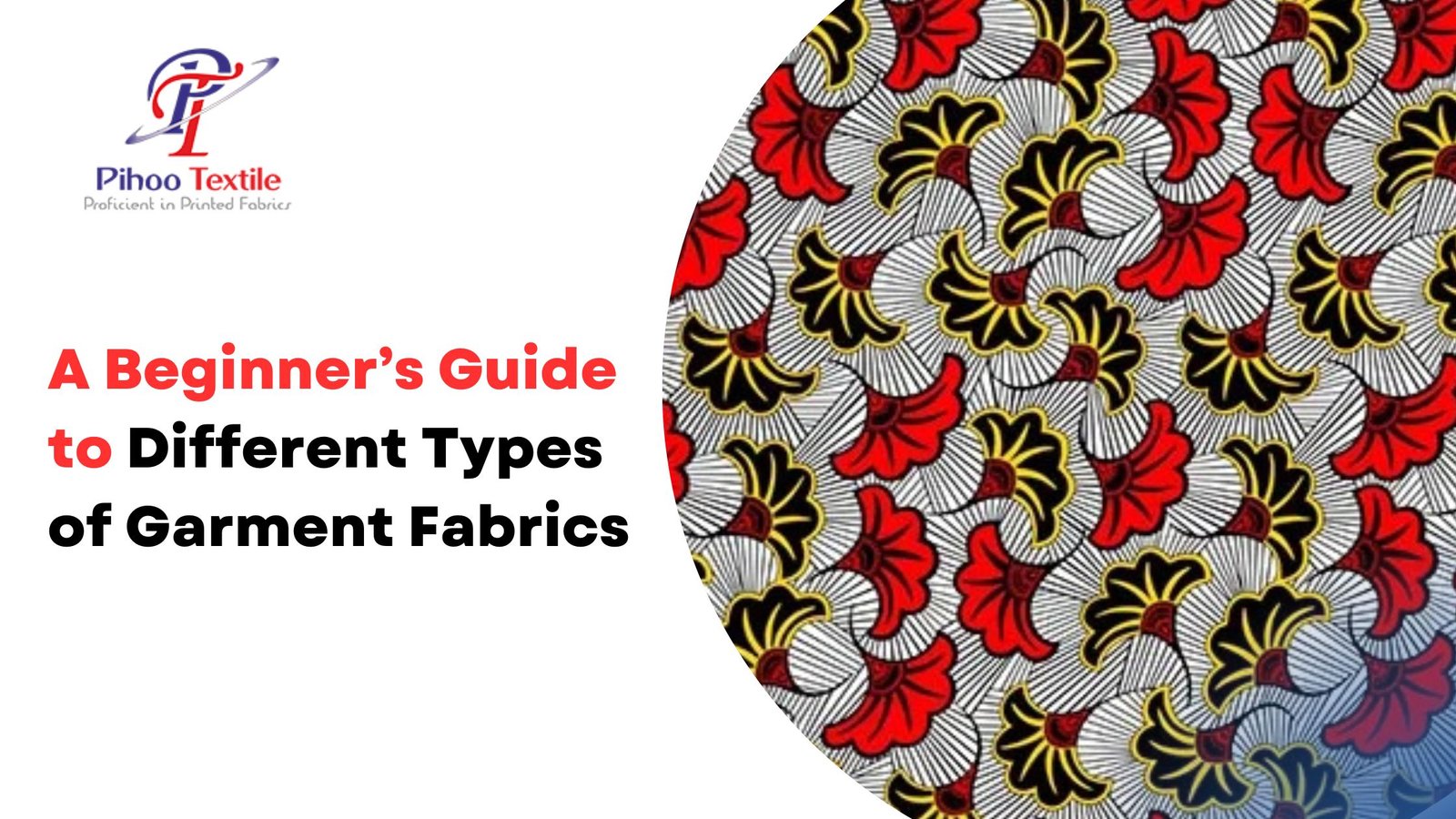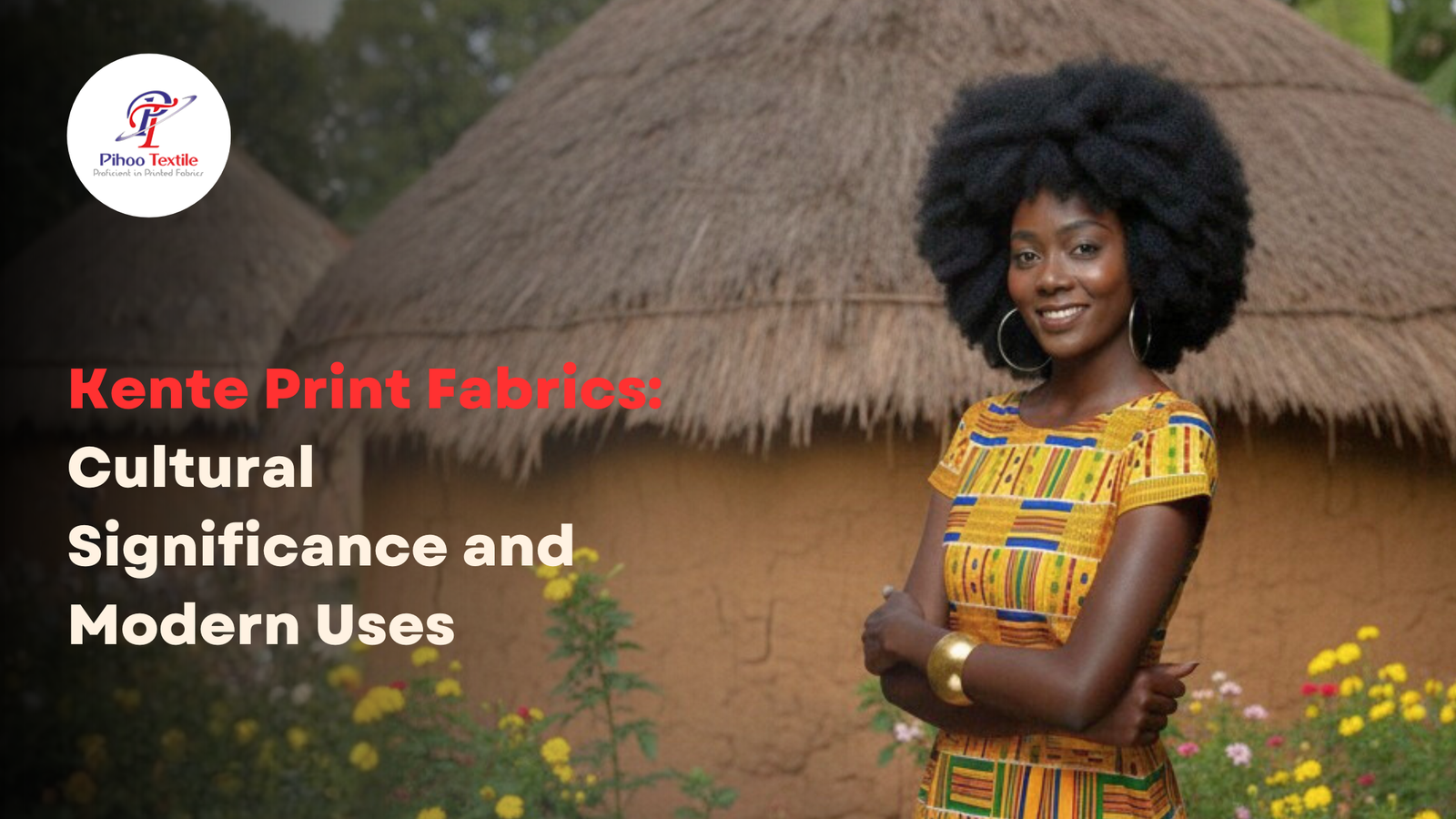

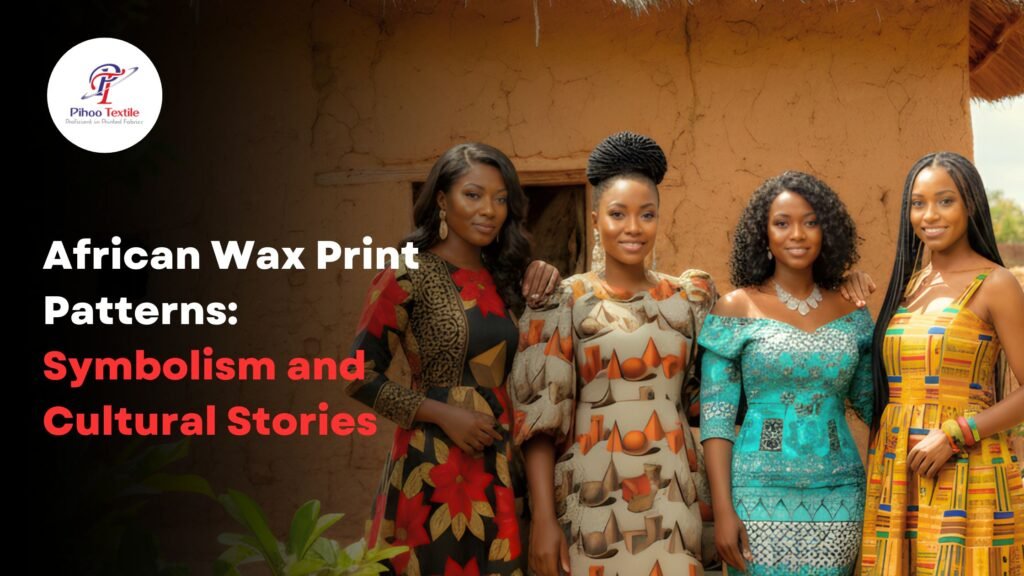
Most people buy African wax prints for their visual impact. Bold colors, striking geometry, vivid florals. What they miss is that every pattern carries a name, and every name carries a meaning. West African communities have used these fabrics as a communication system for over a century—expressing proverbs, social commentary, relationship status, and political opinion through pattern selection alone.
This isn’t decorative interpretation applied after the fact. Market women in Ghana, Nigeria, Togo, and Ivory Coast actively shaped pattern names to reflect real-world events, community values, and social tensions. A fabric named “Jealousy” or “My husband is capable” communicates specific messages to anyone who can read the visual vocabulary. Buyers who understand this system source and sell more effectively—they match patterns to occasions, markets, and cultural contexts rather than treating all prints as interchangeable color products.
This guide covers how the naming system works, specific patterns with documented meanings across major categories, regional variation, and how authenticity in production preserves symbolic accuracy.
The Wax Print Visual Vocabulary
West African wax print patterns acquired names through community consensus rather than manufacturer assignment. Market women—the primary buyers and distributors of wax fabric across West Africa—coined names based on what designs reminded them of, events they referenced, or social commentary they wanted to embed in fabric form.
The same pattern often carries different names in different regions. A geometric design called “Telephone” in Ghana might go by a different name in Nigeria while carrying similar connotations about communication and connection. This decentralized naming system makes the symbolism genuinely community-owned rather than commercially imposed.
Here’s the surprising behavioral pattern: West African women historically chose wax prints for gifting specifically because patterns allowed them to communicate messages that direct speech made socially awkward. A woman gifting fabric named “A jealous person has no friend” to a rival delivers commentary through the pattern rather than confrontation.
Nature and Animal Patterns
Nature-inspired designs form the largest symbolic category in wax print vocabulary. Common patterns with documented meanings include:
- Tortoise Shell: Longevity, patience, and resilience—the tortoise lives long and carries its home everywhere
- Peacock: Beauty, pride, and prestige; worn to signal elevated status at ceremonies
- Fly Swatter: Authority and protection; historically associated with chiefs and rulers who carried fly whisks as symbols of power
- Palm Tree: Growth, prosperity, and pan-African identity; the palm provides food, oil, and building material
Animal motifs frequently reference proverbs rather than the animals literally. A crocodile pattern doesn’t celebrate crocodiles—it references the proverb about adapting to different environments, making it appropriate for someone navigating new circumstances.
Human Life and Relationship Patterns
This category carries the most direct social messaging. These patterns get selected deliberately for what they communicate to observers:
- Mother and Child: Family bonds, nurturing, maternal protection; commonly gifted at births and naming ceremonies
- Heart Motifs: Love, unity, romantic intention; wedding fabrics frequently use heart-based patterns
- Hand with Coins: Financial independence and resourcefulness; the proverb “one hand does not catch a buffalo” underlies this design
- Two Crocodiles, One Stomach: A well-documented pattern representing conflict within unity—two crocodiles sharing one stomach, forced to cooperate despite competing interests
The two-crocodile pattern demonstrates how politically specific wax print symbolism gets. It has been used to comment on everything from family disputes to national governance without a word of spoken commentary.
Modern Life and Technology Patterns
When telecommunications infrastructure expanded across West Africa in the 20th century, new pattern names followed immediately. This responsiveness to current events distinguishes African wax print naming from static decorative traditions:
- Telephone: Connection, communication, modernity; named when telephone lines reached West African cities
- Rocket/Apollo: Ambition and progress; named after the Apollo moon landing generated widespread cultural discussion
- Corkscrew: Flexibility and everyday utility; practical objects entering African households through trade became pattern subjects
These patterns document social history in textile form. Examining pattern names from different decades reveals what technologies, events, and values captured community attention at specific moments.
Political and Social Commentary Patterns
Some patterns carry deliberate political weight that their wearers deploy intentionally:
- Scepter: Leadership and legitimate authority; worn to signal alignment with traditional governance structures
- Handcuffs: Justice, restraint, or warning—context determines whether the wearer is celebrating justice or commenting on oppression
- Twisted Rope: Strength through unity; also used to reference complexity and challenges requiring collective effort
The handcuff pattern illustrates how context transforms meaning. The same design worn by a market woman commenting on a community dispute and worn by a political activist carry completely different messages to observers who can read the visual language.
Regional Variation in Pattern Meanings
Ghanaian interpretations tend toward proverbs rooted in Akan cultural traditions—patience, communal responsibility, and respect for authority feature prominently. Nigerian patterns more frequently reference personal ambition, individual achievement, and relationship dynamics. Togolese and Beninese communities blend both traditions with additional references to Vodun spiritual practices.
The same geometric design can carry opposite meanings in different regions. Buyers targeting specific markets benefit from understanding regional pattern conventions rather than assuming one meaning applies across all of West Africa.
Production and Authenticity
Symbolic accuracy depends on production fidelity. Wax prints that blur pattern edges or distort design shapes corrupt the visual vocabulary—a poorly printed “tortoise shell” pattern loses its geometric precision and becomes unrecognizable to buyers who know what to look for.
Genuine wax-resist production preserves pattern clarity through the dyeing process because wax application controls precise dye boundaries. Surface-printed imitations apply color without that mechanical precision, producing softer edges that degrade symbolic legibility. For buyers sourcing fabric for culturally significant applications—ceremonies, gifting, heritage fashion—print quality directly affects whether patterns communicate their intended meanings.
Choosing Patterns for Occasions
Pattern selection maps to occasion in ways that parallel formal dress codes:
- Weddings and naming ceremonies: Heart motifs, mother-and-child patterns, unity designs
- Funerals and remembrance: Specific regional patterns associated with transition and respect for elders
- Political or community gatherings: Patterns referencing leadership, justice, or collective strength
- Everyday wear: Nature patterns, technology references, and abstract geometrics carry lighter social weight
Buyers stocking fabric for diaspora communities or culturally aware fashion markets gain commercial advantage by understanding these distinctions. Customers who recognize symbolic accuracy pay premium prices for fabrics that correctly represent their intended messages.
FAQs
Do all wax print manufacturers know their patterns’ names?
Quality manufacturers maintain pattern documentation that includes design names and regional variations. If a supplier cannot name patterns or explain their symbolic references, that signals either mass-market production disconnected from cultural context or imitation fabric misrepresented as authentic wax print.
Do pattern meanings stay consistent over time?
Core meanings for established patterns remain relatively stable, but new patterns constantly enter the vocabulary as current events generate naming opportunities. A design referencing social media connectivity carries meaning that patterns from the 1960s couldn’t have anticipated. The naming system is living, not fixed.
Can buyers outside West Africa use these patterns meaningfully?
Yes, but understanding what patterns communicate prevents unintended messaging. Wearing a pattern associated with mourning to a celebration, or gifting fabric named after jealousy to a friend, produces social friction for buyers who understand the system. Knowledge of symbolism transforms sourcing decisions from aesthetic to intentional.
Conclusion
African wax print patterns function as a documented communication system—each design carries a name, each name carries context, and each context shapes how wearers and observers interpret the fabric. Understanding this system improves sourcing decisions, customer service for culturally aware buyers, and product positioning across markets where pattern meanings matter commercially.
Pihoo Textile produces wax print fabrics with print precision that preserves symbolic pattern legibility—sharp edges, consistent dye penetration, and authentic double-sided printing that genuine wax-resist production requires. Our collections include documented pattern names and cultural context for buyers serving diaspora communities, heritage fashion markets, and occasion wear segments.
Visit pihootextile.com to request wax print samples, discuss pattern selection for specific markets, or place bulk orders with flexible minimums. Source wax prints where authenticity extends from production method through pattern meaning.