
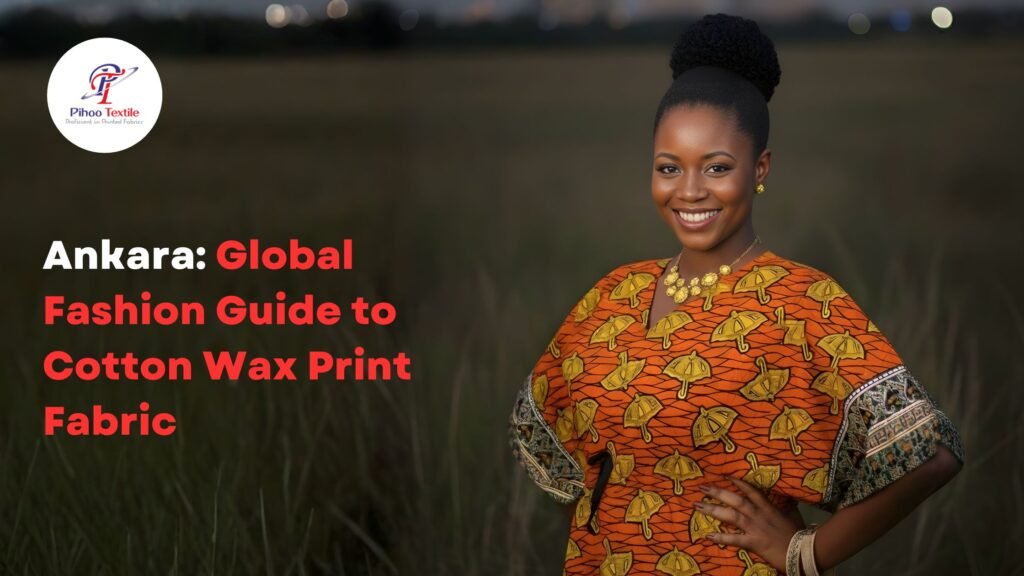
Textile buyers and fashion designers searching for Ankara fabric face an immediate problem: the market uses the term loosely. “Ankara” gets applied to everything from authentic wax-resist cotton at 200 gsm to cheap polyester prints that fade after two washes. Without a working understanding of production methods, quality grades, and supplier verification, buyers end up with inconsistent inventory that creates downstream problems—customer complaints, returns, and brand reputation damage.
The uncomfortable truth about Ankara’s global rise? Its mainstream popularity in luxury collections and international streetwear has accelerated the proliferation of low-quality imitations more than it has raised production standards. Demand outpaces quality control at most market tiers. Buyers who understand what separates genuine wax-resist cotton from surface-printed substitutes make better sourcing decisions and build more defensible product lines. This guide covers Ankara’s production process, quality grades, identification methods, 2026 trend positioning, styling principles, and wholesale sourcing criteria—everything needed to source and use Ankara effectively.
History and Cultural Context
Ankara’s origin story begins with commercial failure.
Dutch manufacturers industrialized Indonesian batik techniques in the 19th century to supply colonial markets cheaply. Indonesian consumers rejected the machine-made versions; West African buyers embraced them. Gold Coast traders and consumers didn’t just purchase these fabrics—they commissioned new patterns, assigned symbolic meanings, and integrated them into cultural ceremonies.
By the mid-20th century, European manufacturers were producing designs exclusively for African markets based on local input. African agency in pattern development established cultural ownership regardless of manufacturing geography.
Production Process
Ankara’s distinctive properties come directly from the wax-resist production method.
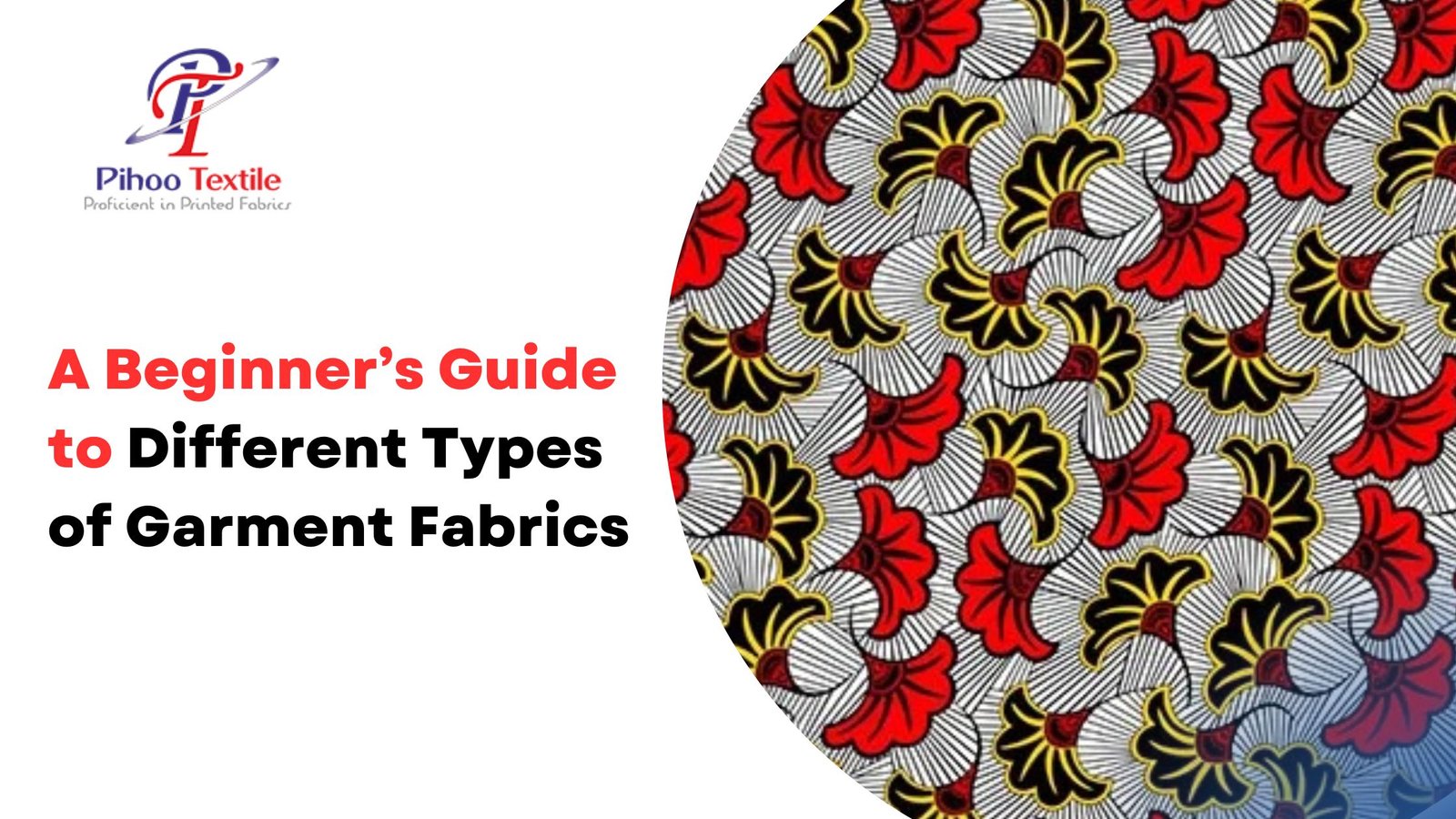
Hot wax or resin gets applied to cotton fabric in precise patterns. The fabric undergoes dye immersion; waxed areas resist color absorption. The process repeats for each additional color layer. When wax is removed, slight cracks in the wax coating allow dye seepage—creating the characteristic “crackle” lines visible in authentic Ankara. This multi-step process produces double-sided color penetration impossible to replicate with standard surface printing.
Fabric Types and Quality Grades
Quality tiers in the Ankara market reflect production method differences, not just price points.
- Real Wax: Authentic wax-resist production, double-sided color, 180-220 gsm cotton, highest durability
- Super Wax / Hollandais: Premium grade with enhanced color depth, finer thread count, used for luxury garments
- Java prints: Mid-tier wax-inspired production with adequate quality for commercial fashion
- Standard prints: Surface printing only, single-sided color, significantly shorter lifespan
The contrarian insight? Price alone doesn’t indicate grade. Misleading labeling is common at the wholesale level—buyers regularly pay Real Wax prices for Java-grade fabric without physical inspection.
How to Identify Quality Ankara
Physical verification requires testing three characteristics before bulk commitment.
Three Verification Tests
- Reverse side check: Hold fabric to light. Authentic wax prints show equal color intensity on both sides. Surface prints show a faded or blank reverse
- Texture test: Real wax cotton has slight stiffness from resin residue. Overly soft, slippery fabric indicates non-wax production
- Crackle inspection: Authentic wax prints show fine irregular lines throughout the pattern—a natural byproduct of wax cracking during dyeing. Machine prints lack this feature
Request lab test documentation for colorfastness (Grade 4-5 minimum) and shrinkage rates (under 3%) before bulk orders.
Ankara Trends in 2026
Ankara’s global positioning shifted significantly across 2025-2026.
Streetwear designers now integrate Ankara prints into utility jackets, cargo trousers, and sneaker collaborations—contexts that were exclusively European or American aesthetic territory five years ago. Sustainable fashion movements have amplified demand for Ankara specifically because genuine wax-resist cotton lasts significantly longer than fast fashion alternatives, reducing replacement frequency.
The design direction in 2026 favors geometric boldness over floral patterns, with oversized motifs gaining ground across ready-to-wear collections globally.
Styling Principles
Pattern scale and fabric weight determine garment category before any design decision.
Large prints suit statement pieces—maxi dresses, full suits, wide-leg trousers. Small prints integrate into mixed outfits alongside solid-color pieces. Heavyweight cotton (180+ gsm) holds structure for blazers and bags; lightweight (140-160 gsm) drapes well for skirts and dresses.
The One-Print Rule
Every high-performing Ankara outfit follows one principle: one printed piece, everything else solid. A printed top demands solid trousers. A printed skirt pairs with a solid-color shirt. Matching the solid color to a secondary hue in the print creates visual coherence rather than coordination conflict.
Wholesale Sourcing Guide
Reliable Ankara sourcing requires evaluating suppliers across four dimensions simultaneously.
- Production method verification: Confirm wax-resist process, not surface printing
- Sample testing: Physical samples tested for weight, colorfastness, and double-sided printing before bulk orders
- MOQ alignment: Minimum order quantities should match your volume needs without forcing excess inventory
- Reorder consistency: Suppliers must maintain pattern archives and dye formulas for reliable batch matching
Direct manufacturer relationships eliminate middleman markups that typically add 30-50% to fabric costs without adding production value or quality accountability.
FAQs
What’s the difference between Ankara and African wax print?
The terms refer to the same fabric category. “Ankara” is the widely used West African colloquial term; “African wax print” describes the production method. Both reference wax-resist printed cotton, though quality varies significantly across grades.
What GSM works best for Ankara garments?
140-160 gsm suits flowing dresses, skirts, and blouses. 180-220 gsm works for structured blazers, bags, and trousers requiring body. Using lightweight fabric for structured garments produces shapeless results regardless of pattern quality.
How many wash cycles should quality Ankara survive?
Grade 4-5 colorfastness ratings indicate fabrics that maintain color vibrancy through 50+ wash cycles. Lower-grade prints typically show visible fading within 10-15 washes.
Conclusion
Ankara’s global fashion credibility rests on production quality that buyers can verify through physical testing, not marketing descriptions. Understanding wax-resist production, quality grades, and supplier verification criteria separates sustainable sourcing decisions from expensive mistakes.
Pihoo Textiles manufactures premium Ankara cotton wax print fabrics at our Jetpur, Gujarat facility—authentic double-sided wax-resist printing on 100% cotton across Real Wax, Hollandais, and Java grades, with colorfastness documentation and consistent batch matching for reliable reordering.
Request fabric samples from our Ankara collection at pihootextile.com , or contact our export team to discuss wholesale pricing, custom colorway development, and direct manufacturer partnerships that deliver verified quality across every order.