
Pihoo Textile is an Exporter of Fabrics in whole African countries and also supplies to exporters and local market. Our Printing quality is suitable for African culture.
© 2026 Created by IndiaFinds

May 16, 2026

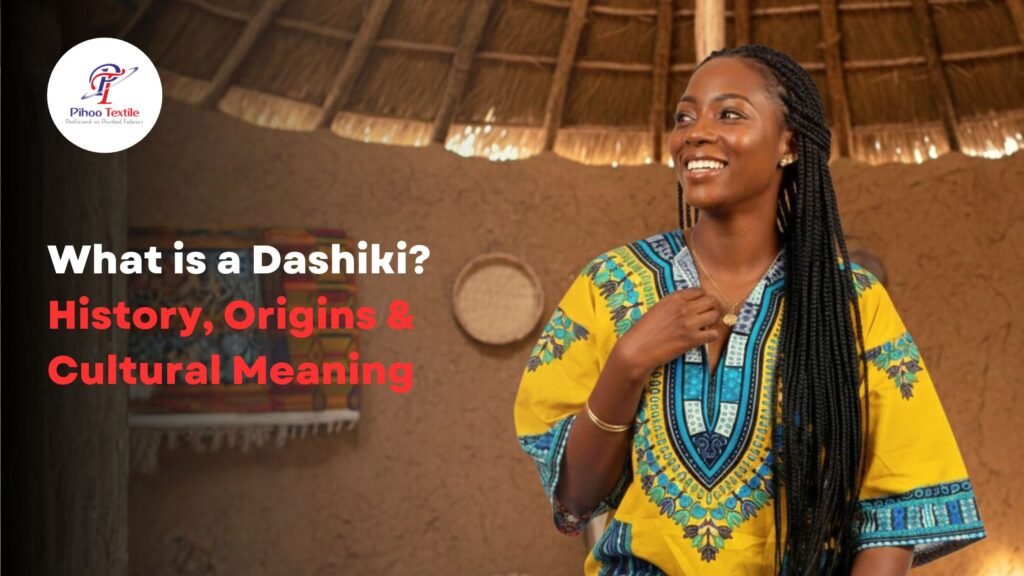
What is a Dashiki? History, Origins & Cultural Meaning
Uncategorized

What is a Dashiki? History, Origins & Cultural Meaning

Introduction Most people who buy or wear a dashiki cannot accurately explain what it is, where it came from, or what fabric makes it authentic. This knowledge gap creates a practical problem: buyers end up with mass-produced garments cut from the wrong materials, carrying none of the cultural weight or construction quality the original demands. The dashiki is not simply a colorful African shirt. It is a garment with documented roots stretching back centuries across West Africa, a specific linguistic origin, distinct construction characteristics, and a transformation story that spans three continents. Understanding these details changes how you source fabric, approach construction, and evaluate what you are buying. This guide covers the dashiki’s definition, etymology, traditional West African roots, cultural symbolism, and modern evolution, with practical fabric guidance for designers and creators who want results that honor the original. Definition and Core Characteristics A dashiki is a loose-fitting, pullover garment featuring a wide body cut, short sleeves, and a distinctive V-shaped or U-shaped neckline finished with embroidered or printed trim. The silhouette prioritizes comfort over structure, relying on fabric weight and drape rather than tailored seams to create its characteristic flowing appearance. Core construction features that define an authentic dashiki: These features distinguish a dashiki from other West African garments like the boubou, which is longer and more formal, or the kente cloth shirt, which uses strip-woven fabric rather than wax print cotton. Etymology and Linguistic Origins The word “dashiki” pulls from two West African language traditions simultaneously. The Yoruba term “danshiki” and the Hausa term “dan ciki” both translate roughly to “shirt” or “inner garment.” This dual-language origin reflects how widely the garment spread across different cultural and linguistic groups in West Africa before any European contact or commercial documentation. The English spelling “dashiki” emerged through American usage in the 1960s, phonetically approximating the Yoruba pronunciation. This Americanization created the globally recognized name while obscuring the garment’s multilingual African roots. Traditional West African Roots Yoruba and Hausa Origins Documented use of danshiki-style garments in West Africa predates the 19th century, with the Yoruba people of present-day Nigeria maintaining the most direct lineage to current dashiki construction. The garment functioned as practical daily wear suited to tropical climates, providing loose coverage that allowed air circulation. Hausa communities in northern Nigeria wore longer versions with heavier embroidery suited to drier climates. Coastal West African groups wore lighter, shorter versions. These regional variations evolved independently before commercial fabric production standardized dashiki aesthetics across wider markets. Construction and Fabric Requirements Traditional dashiki construction used locally woven cotton in plain or striped patterns. The introduction of Dutch wax print fabrics to West African markets in the 1880s provided dramatically more expressive material options without changing the underlying construction approach. Fabric requirements for authentic results: 19th Century: The Angelina Print Influence A specific moment in dashiki history connects the garment to Dutch wax print production. The “Angelina print” — a particular wax print design featuring the neckline embroidery pattern printed directly onto fabric rather than sewn separately — entered West African markets in the late 19th century. This design innovation made dashiki construction more accessible by eliminating the need for separate embroidery skills, accelerating adoption across wider population groups and income levels. 1960s Global Popularization Black Power Movement and Counterculture The dashiki crossed into American mainstream consciousness between 1967 and 1969 through converging cultural forces. Black Power activists wore dashikis as explicit statements of African cultural identity, directly challenging the assimilationist aesthetic of mainstream civil rights fashion. The garment became a visual signal of pan-African solidarity and pride in African heritage. Simultaneously, the broader American counterculture adopted dashikis as anti-establishment dress, drawn to their non-Western silhouette and vibrant patterns. By 1969, dashikis appeared at Woodstock on attendees with no African heritage, demonstrating the speed at which the garment crossed cultural boundaries once it gained momentum. American Commercialization New York’s Harlem district became a production and retail hub for American-made dashikis during the late 1960s. Local entrepreneurs sourced wax print fabrics and produced dashikis at scale to meet demand that existing African importers could not satisfy. This commercialization brought dashikis to mainstream retail while simultaneously diluting quality standards, as manufacturers substituted cheaper synthetic fabrics for authentic wax print cotton. Cultural Significance and Symbolism The dashiki carries layered meaning that varies by context, community, and occasion: This last point is worth sitting with. In Lagos or Accra, a dashiki is a shirt. In New York or London, the same garment carries decades of political and cultural symbolism. The gap between these readings creates ongoing debates about who can wear dashikis and in what contexts — conversations that intensified as global fashion absorbed the garment into mainstream collections. Modern Variations and Global Adoption Contemporary dashiki design maintains core construction while expanding in multiple directions: Global fashion adoption has normalized dashikis across markets where African textiles were previously niche products. This expansion increases demand for quality sourcing while simultaneously flooding markets with low-grade imitations that underperform in finished garments. FAQs What fabric works best for dashiki construction?Authentic wax print cotton at 150-180 GSM delivers the drape, structure, and color vibrancy that dashiki construction requires. The fabric’s natural stiffness holds the wide silhouette without collapsing, while 100% cotton composition ensures breathability for a garment designed for warm climates. Avoid polyester blends, which feel slippery against skin and cannot hold wax-resist dye processes that create long-lasting color. How much fabric do I need for an adult dashiki?Standard adult sizing requires 2.5-3 meters for a single-fabric design. If using separate fabrics for body and collar trim, purchase 2 meters of the primary fabric and 0.5 meters of the contrasting trim fabric. Women’s dashiki dresses need 3.5-4 meters depending on length. Always buy an extra 0.25 meters to account for pattern matching on large-scale wax print repeats. Is the dashiki appropriate for formal occasions?In West African cultural contexts, dashikis serve both everyday and ceremonial functions. High-quality wax print fabric with detailed collar embroidery creates formal versions suitable for weddings and ceremonies. Matching
Traditional Kente: The Perfect Outfit for Every Occasion
Uncategorized

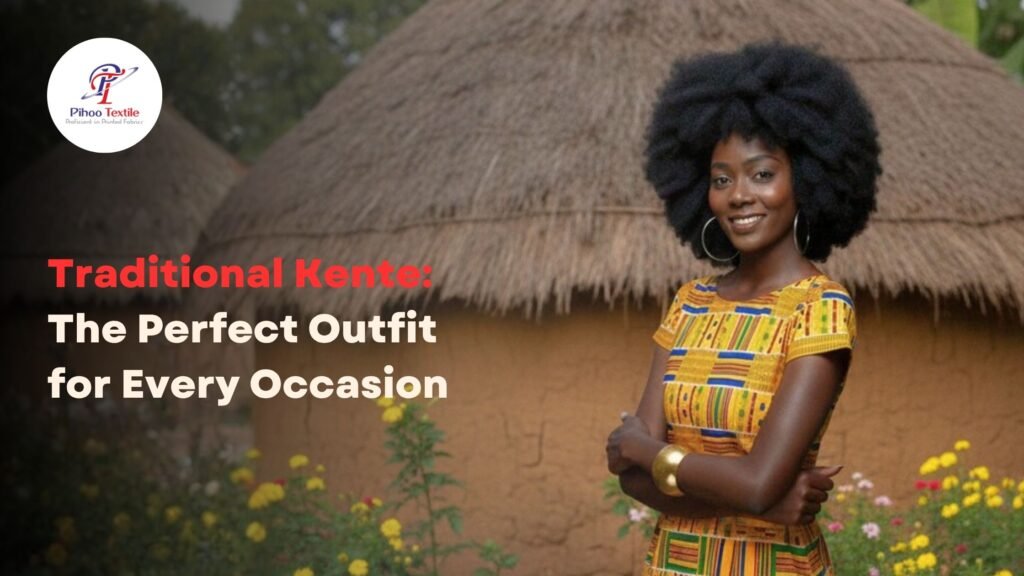
Traditional Kente: The Perfect Outfit for Every Occasion

Introduction Most people reserve Kente for one occasion—a wedding or graduation—then fold it away indefinitely. The fabric gets treated as a single-use cultural statement rather than a versatile textile that works across multiple contexts throughout the year. This habit wastes both the investment and the creative potential. The more uncomfortable truth: Kente’s styling rules are simpler than most people assume, and the fabric’s handwoven structure actually does the heavy lifting—you don’t need complex pattern coordination because the weave already carries the visual complexity. This guide maps Kente to specific occasions with concrete outfit formulas, covers the fabric basics that affect styling decisions, explains how color symbolism guides appropriate choices, and outlines modern adaptations that take Kente beyond traditional ceremonies into formal professional settings, casual wear, and everything in between. Whether you’re dressing for a Ghanaian engagement or a corporate gala, the framework is the same. What Makes Kente Different Kente is handwoven in narrow strips—typically 4 inches wide—that get sewn together edge-to-edge to create wider cloth. This strip construction creates distinctive geometric patterns that no printed fabric can replicate. Two main traditions produce Kente: the Ashanti of Ghana (known for bold geometric patterns and strong color contrasts) and the Ewe also of Ghana (known for figurative motifs and more subdued palettes). Both are handwoven and both carry cultural weight. The colors communicate specific meanings in Ashanti tradition. Gold signals wealth and royalty. Green represents growth and renewal. Red marks political and spiritual significance. Black signals maturation and aging. Knowing these meanings allows intentional color choices for specific occasions rather than selecting purely on aesthetics. Kente for Weddings and Engagements Traditional Kente weddings use full toga-style wraps for men and tailored gowns for women. The bride often incorporates Kente into a gown with structured bodice and flowing skirt where Kente panels provide the primary visual statement. Modern bridal Kente combines the handwoven cloth with lace bodices, beading, or satin panels. This blending works when one material clearly dominates—Kente as hero with lace as accent, not equal partners competing for attention. Guest coordination matters at traditional weddings. Families sometimes agree on specific Kente colorways to create visual cohesion in ceremony photographs. Kente for Graduations Graduation ceremonies gave Kente one of its most visible global platforms. Stoles incorporating Kente strips worn over academic robes appear at commencements across the US, UK, and Africa. Beyond stoles, complete Kente outfits work for graduation day events: Gold and green colorways read particularly well for graduation given the fabric’s traditional associations with achievement and growth. Kente for Formal and Corporate Events Kente blazers and suit sets bring the fabric into professional settings without requiring traditional draping skills. A structured Kente blazer over plain trousers and a solid shirt creates a distinctive formal look that works for galas, corporate events, and award ceremonies. Kaftans and Agbada styles incorporating Kente work for high-formality events where Western-cut suits feel insufficient to the occasion’s cultural significance. The key is fit—loose draping works for ceremonies, structured cuts work for professional environments. For women, a Kente bodycon or pencil dress with minimal accessories covers formal professional events comfortably. Kente for Cultural and Religious Ceremonies Traditional toga draping remains the default for cultural ceremonies like outdoorings (naming ceremonies), funerals, and festivals. Men wrap approximately 6-9 yards over one shoulder, leaving the right shoulder exposed—the standard Ashanti form. Church occasions and naming ceremonies call for slightly more structured interpretations. Tailored Kente tops worn with coordinating solid bottoms keep the cultural identity intact while allowing more movement than full toga wraps. Color choices shift based on ceremony type. Funerals in some Ghanaian traditions use red and black Kente. Celebration events use gold, green, and multicolor combinations. Casual and Everyday Kente The most underutilized application: Kente for everyday wear. Kente shirts paired with dark jeans, Kente-paneled trousers with plain tees, Kente caps with casual streetwear—all work. Festival and concert settings accept the most experimental interpretations. Kente bomber jackets, shorts with Kente waistbands, and accessories like belts and bags made from Kente strips introduce the fabric without full outfit commitment. The counterintuitive insight: Kente worn casually becomes less intimidating for both the wearer and observers. Frequent use normalizes bold pattern choices and builds styling confidence faster than saving it for annual occasions. Modern Styling Tips Mixing With Contemporary Wardrobe Pieces Kente and denim work together because denim is visually neutral despite its texture. Dark indigo jeans anchor bold Kente tops without competing for attention. Light-wash denim creates contrast that feels contemporary. Neutral-colored basics—white shirts, black trousers, beige tailoring—act as visual rest between Kente elements. The principle: one strong Kente piece per outfit, everything else subordinate. Accessories and Layering Kente’s intrinsic complexity means accessories should be minimal: Avoid mixing Kente with other printed fabrics. Two patterned elements—Ankara blouse, Kente skirt—create visual noise that neither fabric deserves. Choosing and Caring for Kente Authentic vs Machine-Woven Imitation Authentic handwoven Kente has irregular texture variation across the cloth surface—evidence of human weaving rather than machine uniformity. The strip seams are visible and form part of the aesthetic. Machine-printed “Kente” on flat fabric lacks this texture and carries no handcraft value. Price reflects labor. Genuine handwoven Kente from Ghanaian artisans costs significantly more than printed imitations because each yard involves hours of skilled work. Care and Storage Kente is typically silk or rayon-blend alongside cotton threads, making machine washing risky. Hand wash in cold water or dry clean to preserve color vibrancy and structural integrity. Store flat or loosely rolled rather than tightly folded—repeated fold lines weaken fibers along crease points over time. FAQs Can non-Ghanaians or non-Africans wear Kente appropriately?Cultural appreciation requires context and intentionality. Wearing Kente while understanding its origins, supporting authentic Ghanaian artisans, and choosing appropriate occasions aligns with respectful engagement. Using printed Kente-imitation fabric as “exotic costume” without any cultural awareness crosses into appropriation. The distinction lies in sourcing authenticity and genuine engagement with the culture rather than ethnic background of the wearer. How do I style Kente for a Western-style formal event like a gala or black-tie

Scroll to Top