
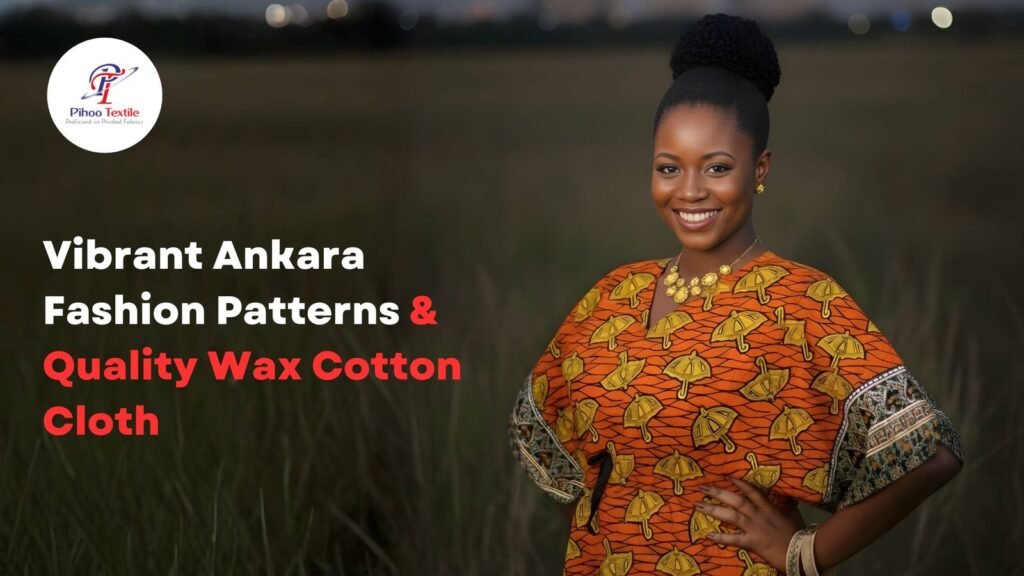
Vibrant Ankara Fashion Patterns & Quality Wax Cotton Cloth
Introduction Ankara fabric buyers face a specific challenge: approximately 65% of textiles marketed as “authentic wax prints” are roller-printed imitations that lack the durability and color permanence of genuine wax cotton cloth. This problem extends beyond aesthetics into practical concerns about fabric performance, colorfastness, and longevity in finished garments. Quality wax cotton Ankara delivers vibrant patterns that maintain their intensity through years of use, while imitations fade within months or lose structural integrity after minimal washing. Understanding pattern types, production methods, and quality markers helps buyers select fabrics that perform as beautifully as they look. This guide covers what distinguishes quality wax cotton from alternatives, explores current vibrant pattern trends, explains the production process that creates lasting textiles, and provides practical selection criteria. Whether creating fashion pieces, accessories, or home décor items, knowing how wax cotton Ankara behaves in real-world applications determines project success. What Sets Quality Wax Cotton Cloth Apart Wax cotton Ankara uses a resin-resist dyeing process that applies wax or resin to both fabric surfaces before dye immersion. This technique creates patterns where wax repels color, producing identical vibrancy on front and back sides. The characteristic crackle effect emerges when resin develops microscopic cracks during processing, allowing dye to penetrate in fine lines that create marbled, duo-tone appearances. Quality wax cotton weighs between 150-180 GSM (grams per square meter), substantially heavier than standard cotton prints at 100-120 GSM. This density provides natural structure and body that holds garment shape without additional interfacing. The fabric feels stiffer when new but softens with washing while maintaining durability. Authentic wax cotton resists water due to residual wax in the fibers. This creates a slight sheen on the surface and makes the fabric ideal for items requiring some weather resistance. The wax also locks dyes deep into cotton fibers, producing colors that withstand repeated washing without significant fading. How Ankara Patterns Are Made The Multi-Stage Production Process Production begins with high-quality cotton fabric, typically 100% cotton with tight, dense weaving. Manufacturers apply melted wax or industrial resin using copper rollers engraved with pattern designs. The wax application happens on both sides, distinguishing authentic wax prints from single-sided roller prints. After wax application, fabric enters dye baths containing the first color. Waxed areas repel dye while exposed cotton absorbs pigment. Workers remove the fabric, allow it to dry, then apply wax in new pattern areas before immersing cloth in the second color bath. This process repeats for each color in the design, typically ranging from three to six colors per pattern. Final stages involve boiling fabric to remove all wax, which gets collected and reused in subsequent production runs. The boiling process also sets dyes permanently into cotton fibers. Manufacturers then inspect fabric for defects, printing quality certifications and brand information along the selvage edge. Top Vibrant Ankara Fashion Patterns in 2025 Floral and Geometric Motifs Large-scale floral designs dominate current Ankara offerings, featuring oversized blooms in contrasting color combinations. Geometric patterns including triangles, hexagons, and interlocking circles create modern aesthetics while maintaining traditional production methods. These patterns work well for statement pieces where bold visuals drive design impact. Color palettes shift toward jewel tones—emerald greens, sapphire blues, ruby reds, and amethyst purples—paired with metallics or bright yellows for contrast. This combination creates depth and visual interest that photographs well for social media marketing. Abstract and Symbolic Designs Abstract swirls, waves, and asymmetrical shapes appeal to contemporary fashion sensibilities while allowing flexibility in pattern matching during garment construction. Symbolic motifs including animals, cultural icons, and traditional proverbs embedded in patterns maintain connections to African heritage. These designs often incorporate multiple pattern scales within single fabric pieces, creating visual texture that adds complexity without requiring color changes. The approach reduces production stages while delivering sophisticated results. Contemporary and Fusion Patterns Modern Ankara patterns blend African aesthetics with global design influences including Japanese minimalism, Scandinavian geometry, and Art Deco motifs. These fusion patterns attract international buyers who want African textiles without exclusively traditional imagery. Monochromatic Ankara in single-color variations challenges expectations about what constitutes African print fabric. These patterns maintain production methods while offering subtle alternatives to traditionally vibrant, multicolored designs. Why Wax Cotton Is Preferred for Fashion The fabric’s natural stiffness provides structure for fitted bodices, tailored jackets, and A-line skirts without requiring additional support layers. This reduces garment bulk while maintaining clean lines and professional finishes. Fashion designers value how wax cotton behaves predictably during cutting and sewing, holding edges without excessive fraying. Wax cotton’s color permanence matters for professional fashion businesses where reputation depends on garment longevity. Items maintain their appearance through multiple seasons rather than fading into unwearable condition after brief use. This durability justifies premium pricing for finished goods. The fabric performs well in warm climates despite its weight. The 100% cotton composition breathes naturally, wicking moisture away from skin while the dense weave provides sun protection. These functional qualities make wax cotton practical for everyday wear, not just special occasions. How to Identify Authentic Wax Cotton Ankara Check color intensity on both fabric sides. Authentic wax cotton shows identical vibrancy front and back, while imitations display color only on one surface. Feel the fabric weight in your hand—quality pieces feel substantially heavier than regular cotton prints. Look for manufacturer information printed on the selvage edge including brand names, pattern registration numbers, and quality certifications. Legitimate producers mark their work to protect designs and attest to production standards. Test for the characteristic wax feel by rubbing fabric between your fingers. Authentic pieces have a slight stiffness and subtle surface texture created by residual wax. Perform a scratch test using a fingernail—quality wax prints show no color transfer or pattern damage from light abrasion. Care and Maintenance of Wax Cotton Ankara Wash wax cotton separately in cold water using mild detergent. Avoid temperatures exceeding 30°C, which soften wax coatings prematurely and cause colors to bleed. Hand washing preserves vibrancy better than machine washing, though gentle cycles work when time constraints require machine cleaning. Air dry fabrics away from direct
