
Pihoo Textile is an Exporter of Fabrics in whole African countries and also supplies to exporters and local market. Our Printing quality is suitable for African culture.
© 2026 Created by IndiaFinds

January 7, 2026

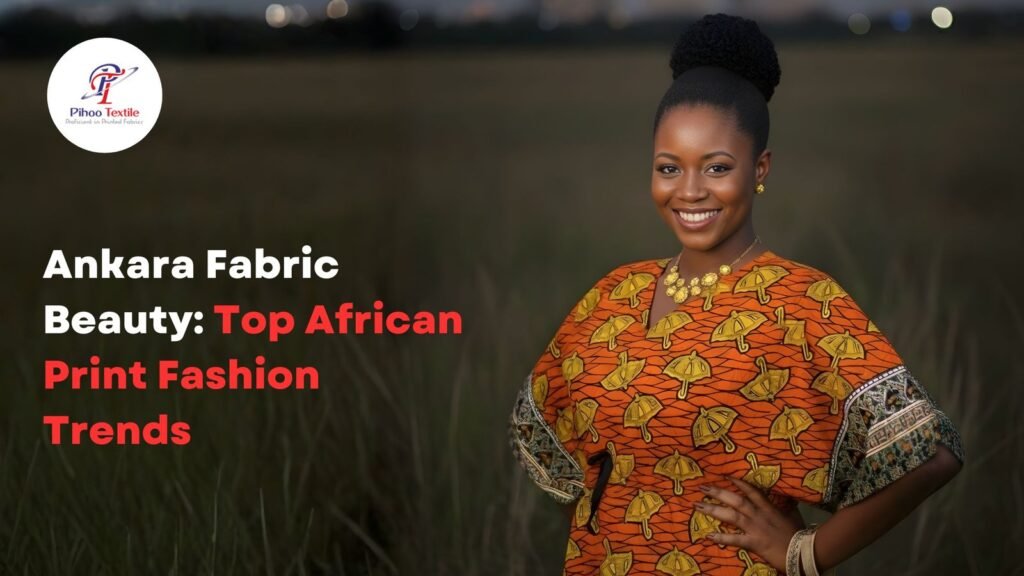
Ankara Fabric Beauty: Top African Print Fashion Trends
Ankara Fabric

Ankara Fabric Beauty: Top African Print Fashion Trends

Introduction Ankara fabric dominates global fashion conversations, yet 60% of buyers cannot distinguish authentic wax prints from screen-printed imitations. This confusion costs designers and fashion enthusiasts who invest in fabrics that fade within weeks or lose their structure after minimal use. The beauty of Ankara lies not just in its bold patterns but in production techniques that create lasting vibrancy and distinctive texture. Understanding current trends, quality markers, and styling applications helps buyers make choices that deliver both aesthetic appeal and functional durability. This guide covers what makes Ankara unique, the fashion trends defining 2025, styling strategies for different occasions, and practical selection criteria. Whether creating statement garments, fusion wear, or home décor pieces, knowing how Ankara performs in real-world applications separates successful projects from disappointing outcomes. What Makes Ankara Fabric Unique Ankara fabric refers to colorful cotton textiles featuring bold, vibrant patterns created through wax-resist dyeing methods. The production process applies wax or resin to fabric surfaces before immersing cloth in dye baths, creating patterns where wax repels color. This technique produces identical color intensity on both fabric sides, a hallmark absent in standard printed cotton. The characteristic “crackle” effect appears when wax develops fine cracks during processing, allowing dye to penetrate in delicate lines. This creates the marbled, duo-tone appearance that marks premium Ankara textiles. The fabric feels stiffer and heavier than regular cotton due to dense weaving and wax treatment, providing natural structure for garments without additional interfacing. Top African Print Fashion Trends for 2025 Statement Ankara Dresses Maxi dresses with full skirts and fitted bodices lead current Ankara fashion trends. Asymmetrical hemlines, off-shoulder necklines, and dramatic sleeves add contemporary edge to traditional patterns. Midi-length wrap dresses work for both professional settings and casual outings, offering versatility that maximizes fabric investment. Color-blocking techniques combine multiple Ankara patterns in single garments, creating visual interest through deliberate pattern clashes. This approach requires careful color coordination to keep looks cohesive rather than chaotic. Fusion Wear and Contemporary Silhouettes Ankara fabric appears in unexpected Western silhouettes including blazers, trench coats, and tailored pantsuits. Indian designers blend Ankara with kurta designs, palazzo pants, and jacket overlays, creating cross-cultural fusion pieces. The bold patterns work as accent pieces paired with solid-colored basics in neutral tones. Mixing Ankara with denim, leather, or silk creates texture contrast that highlights the fabric’s distinctive surface. A structured Ankara blazer over a simple white t-shirt and jeans demonstrates how traditional textiles fit contemporary wardrobes. Ankara Accessories and Footwear Accessories offer low-risk entry points for experimenting with Ankara patterns. Bags, headwraps, shoes, belts, and jewelry featuring these textiles add personality to otherwise plain outfits. Small accessories require minimal fabric investment while delivering maximum visual impact. Ankara-covered pumps, sandals, and sneakers transform footwear into conversation pieces. The fabric’s natural stiffness holds shape well for structured bags and clutches without requiring heavy internal support. Ankara for Men Men’s Ankara fashion extends beyond traditional dashikis into contemporary shirts, jackets, and trousers. Ankara-print shirts paired with solid-colored pants create balanced looks suitable for social events and creative workplaces. Full Ankara suits make bold statements for weddings and formal occasions. Accessories including bow ties, pocket squares, and caps allow men to work in Ankara elements without committing to full-pattern garments. This incremental approach builds confidence with bold textiles. How to Style Ankara for Different Occasions Casual Ankara Looks Pair Ankara skirts or pants with solid-colored tops in white, black, or navy to keep looks grounded. Ankara tops work with denim jeans or neutral-toned trousers. Keep accessories minimal when wearing large-pattern Ankara to avoid visual overload. Casual styling succeeds when Ankara serves as the focal point with everything else supporting rather than competing. Simple silhouettes let the fabric patterns take center stage. Formal and Event Wear Floor-length Ankara gowns with elegant draping suit formal events and galas. Choose fabrics with metallic accents or sophisticated color palettes in burgundy, navy, or emerald for elevated looks. Tailored Ankara suits with matching accessories project confidence at business events. The fabric’s natural structure creates clean lines without excessive ironing or stiffening agents. This makes Ankara practical for events requiring extended wear without wilting or losing shape. Wedding and Bridal Styles Ankara appears in wedding attire as full bridal gowns, bridesmaid dresses, and coordinated outfits for wedding guests. Couples create matching or complementary Ankara outfits for traditional ceremonies. The fabric’s cultural significance adds meaning to wedding celebrations. Modern brides mix Ankara with lace, beading, or tulle to create unique bridal looks that honor African heritage while embracing contemporary aesthetics. Custom-designed patterns featuring couple names or wedding dates personalize the textiles. How to Choose Quality Ankara Fabric Check that colors appear equally vibrant on both fabric sides. Authentic Ankara weighs more than standard cotton prints due to dense weaving and wax treatment. Look for manufacturer information printed along the selvage edge, including brand names and quality certifications. Test colorfastness by rubbing a damp white cloth against the pattern. Color transfer indicates poor dye quality that will bleed during washing. Quality Ankara maintains pattern sharpness with no blurring where colors meet within designs. Care and Maintenance Tips Wash Ankara separately in cold water using mild detergent. Avoid hot water, which softens wax coatings prematurely and causes fading. Hand washing preserves colors better than machine washing, though gentle machine cycles work when necessary. Air dry fabrics away from direct sunlight to prevent color degradation. Iron on medium heat with fabric face-down to protect surface patterns. Store unused fabric rolled rather than folded to prevent permanent creases in the wax coating. FAQs Q: Can I mix different Ankara patterns in one outfit? A: Yes, pattern mixing creates dynamic looks when patterns share common colors. Start with two patterns of different scales—pair large florals with small geometrics. Keep one color consistent across both fabrics to maintain visual cohesion. Q: How much fabric do I need for a typical dress? A: A standard dress requires 2.5 to 3 meters depending on design complexity and size. Full-length maxi dresses need 3.5 to 4 meters. Always purchase

10 Essential Tips for Sewing With Ankara African Wax Print
Uncategorized

10 Essential Tips for Sewing With Ankara African Wax Print

Introduction Most sewers buy Ankara fabric for its bold patterns, then ruin the first project through completely avoidable mistakes. They skip pre-washing, ignore print direction, cut pieces randomly without matching, and wonder why seams pucker or colors bleed. The uncomfortable truth: Ankara isn’t difficult—it just punishes carelessness harder than plain cotton. The wax-resist printing creates stiffness when new, the narrow width demands different layout strategies, and the busy patterns make poor cutting choices glaringly obvious in finished garments. But here’s the transformation: ten specific techniques turn Ankara from intimidating specialty fabric into predictable, professional-looking results. This guide covers buying adequate yardage for the narrow width, confirming 100% cotton composition, pre-washing to remove waxy finish and control shrinkage, choosing flattering patterns, planning print placement intentionally, matching repeats where it matters, marking pieces clearly, selecting appropriate needles and stitch length, finishing seams properly, and pressing throughout construction. Master these fundamentals and Ankara behaves like any quality cotton—just louder. Buy More Fabric Than You Think Ankara typically sells in 6-yard bundles at approximately 45 inches (115cm) width. This narrow width consumes more fabric than standard 60-inch cottons for identical pattern pieces. Pattern envelopes list yardage requirements by fabric width. Always use the 45-inch column, then add 10-15% for pre-wash shrinkage and another 15-20% if planning print matching. A dress requiring 2.5 yards at 45-inch width needs 3.25-3.5 yards total when accounting for these realities. The 6-yard bundle format often leaves excess fabric. Plan coordinating accessories—headwraps, bags, pocket details—to use remnants productively rather than wasting investment. Confirm 100% Cotton Composition Not all Ankara is created equal. Polyester blends marketed as “African wax print” lack the breathability, pressing behavior, and hand feel that make cotton Ankara comfortable for all-day wear. Ask sellers for explicit fiber content confirmation. Labels on bundled fabric aren’t always accurate—get written specifications stating 100% cotton before purchasing. The fiber difference affects every subsequent step. Cotton accepts steam pressing without melting, shrinks predictably, and breathes naturally. Polyester creates different challenges that require different solutions. Pre-Wash and Press Before Cutting New Ankara arrives with a stiff, waxy finish from the printing process. This coating affects drape, makes the fabric handle differently than it will after first cleaning, and can gum up sewing machine needles. Wash in cold water on gentle cycle before cutting any pieces. Use a color catcher sheet or wash alone for the first cleaning to catch any potential dye bleeding. Cotton Ankara can shrink up to 10% on first wash—pre-washing prevents garments from becoming unwearable after initial laundering. After washing, the fabric softens dramatically and reveals its true colors and hand. This represents how the finished garment will feel and behave during wear. Press thoroughly with steam before laying out pattern pieces. Wrinkles distort cutting accuracy and make print matching impossible. Choose Patterns That Showcase the Print Ankara’s bold patterns demand simple silhouettes with fewer seams. Complicated princess seam constructions or heavily darted designs chop up the print into small sections that lose visual impact. Look for patterns with larger pattern pieces—shift dresses, A-line skirts, simple tops with minimal seaming. These allow the fabric design to display across uninterrupted areas. Fitted styles work when the print scale is small and busy. Large-scale motifs need looser silhouettes where the full design element shows without distortion from body curves. Plan Print Placement Intentionally Here’s what separates amateur from professional results: intentional print placement. Random cutting creates garments where dominant motifs land awkwardly—flowers bisected by bust darts, geometric centers split at side seams. Study the fabric before cutting. Identify the most attractive motifs and plan where they’ll appear on the finished garment. Center striking designs on bodice fronts, skirt panels, or pocket placements. Directional prints require consistent orientation across all pieces. Ensure motifs point the same direction on front, back, and sleeves—mixing orientations looks careless. Match Prints Where It Actually Matters Perfect print matching elevates Ankara garments from homemade to couture. But matching every seam wastes time and fabric. Prioritize visible seams—center front, center back, side seams on simple silhouettes, and sleeve attachment on set-in styles. Skip matching at underarm curves, neckline seams, or anywhere complex curves make matching impossible. Cut single layer rather than folded fabric when matching. This allows precise placement of each piece relative to the print repeat. Mark seam allowances clearly so you can align patterns at stitching lines, not cut edges. The print repeat varies by design. Measure the distance between identical motifs in both directions before cutting. This determines how much extra fabric you need for deliberate matching. Mark the Wrong Side Immediately Wax print shows color on both sides, making wrong side identification difficult once pieces are cut. This creates confusion during construction—you might sew pieces together backwards without realizing until pressing reveals the mistake. Mark the wrong side of every piece immediately after cutting. Use tailor’s chalk, fabric marker, or small safety pins at corners. Consistent marking prevents time-wasting errors during assembly. Use Appropriate Needles and Stitch Length Ankara sews like medium-weight cotton, requiring no special equipment. Universal needles in size 80/12 work for most weights. Heavier, denser Ankara might need 90/14. Set stitch length between 2.4mm and 3.0mm. Shorter stitches can pucker the fabric, while longer stitches may not provide adequate seam strength. Test on scraps to find the sweet spot for your specific fabric weight. Let the fabric feed naturally under the presser foot. Don’t pull or push—this distorts stitching and creates wavy seams. The fabric’s slightly stiff hand (even after pre-washing) means it feeds predictably without stretching or slipping. Finish Seams for Durability Cotton Ankara frays along cut edges, especially after repeated washing. Unfinished seams look messy inside unlined garments and compromise structural integrity over time. Serge or overlock seam allowances immediately after stitching each seam. If you lack a serger, use a zigzag stitch along raw edges. Clean interior finishing matters particularly for unlined dresses, open cardigans, and any garment where seams might show during wear. French seams or flat-felled seams provide even cleaner alternatives when construction allows. Press Throughout

Scroll to Top