

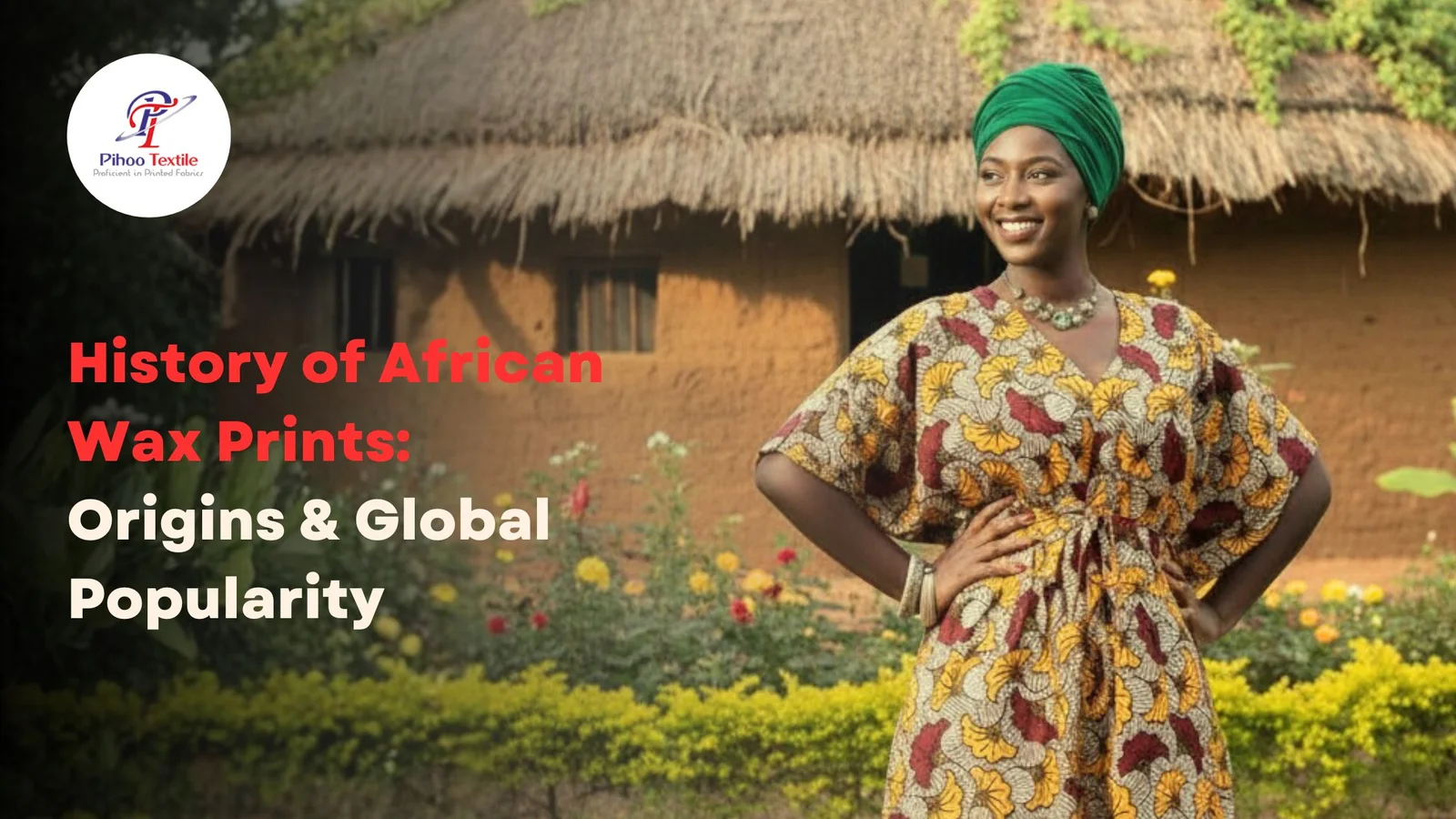
History of African Wax Prints: Origins & Global Popularity
Introduction Here is a fact that surprises most fabric buyers: African wax prints are not African in origin. They were engineered in the Netherlands in the 1850s, rejected by their

Ankara Fashion Guide: Vibrant Patterns & Wax Cotton Fabric
Introduction Ankara fabric intimidates beginners for one specific reason: the patterns feel louder than anything else in their wardrobe, and there’s no clear formula for making them work. The result

What Makes Kente Cloth Designs Unique? Everything to Know
Designers sourcing African fabrics frequently confuse Kente with generic “African print.” The two have almost nothing in common. Kente is a handwoven textile from Ghana’s Ashanti Kingdom with a precise
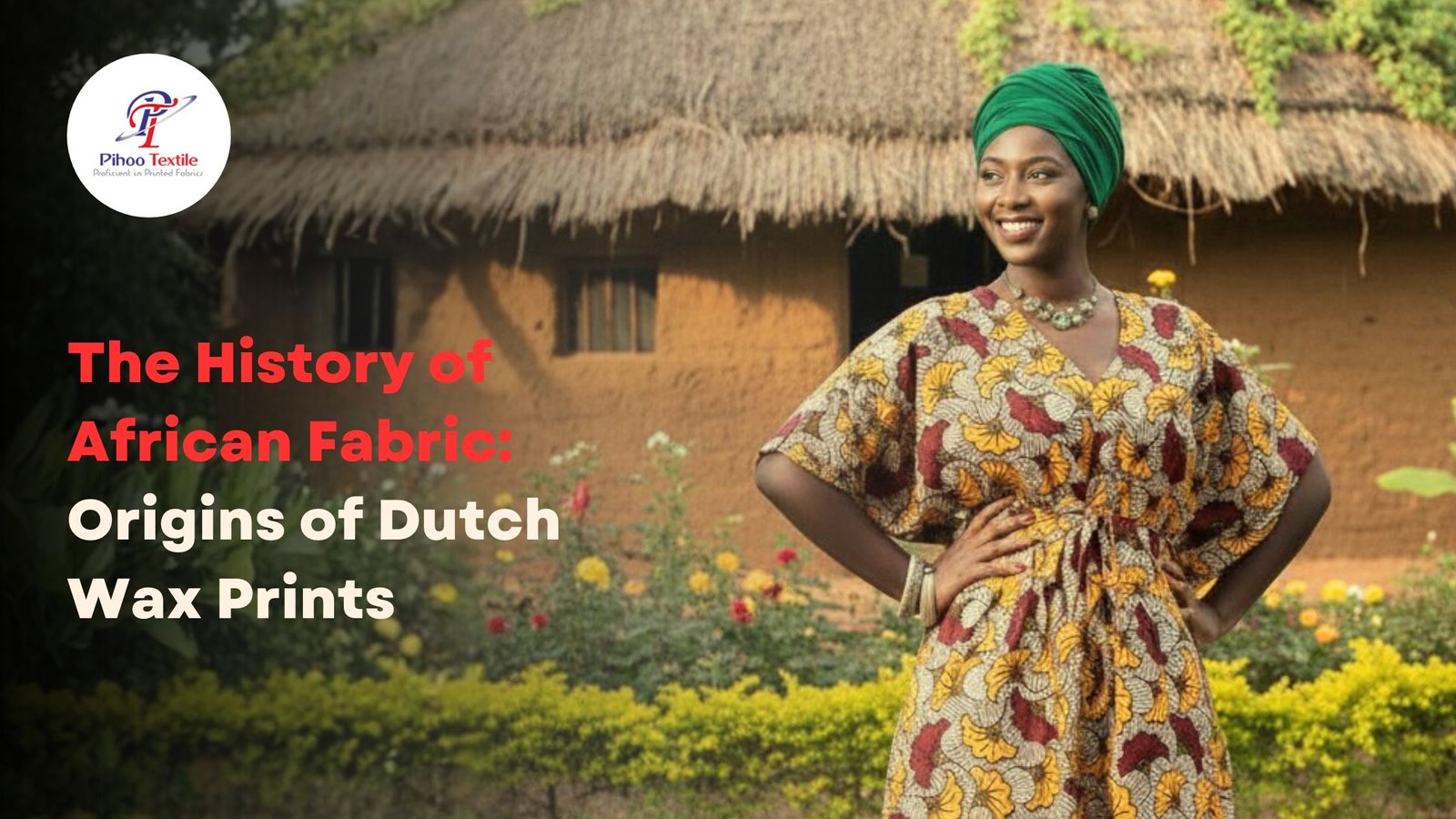
The History of African Fabric: Origins of Dutch Wax Prints
Most buyers assume Dutch wax prints are African in origin. They’re not. The fabric traces back to Indonesian batik, was industrialized by Dutch manufacturers, rejected by its intended Indonesian market,
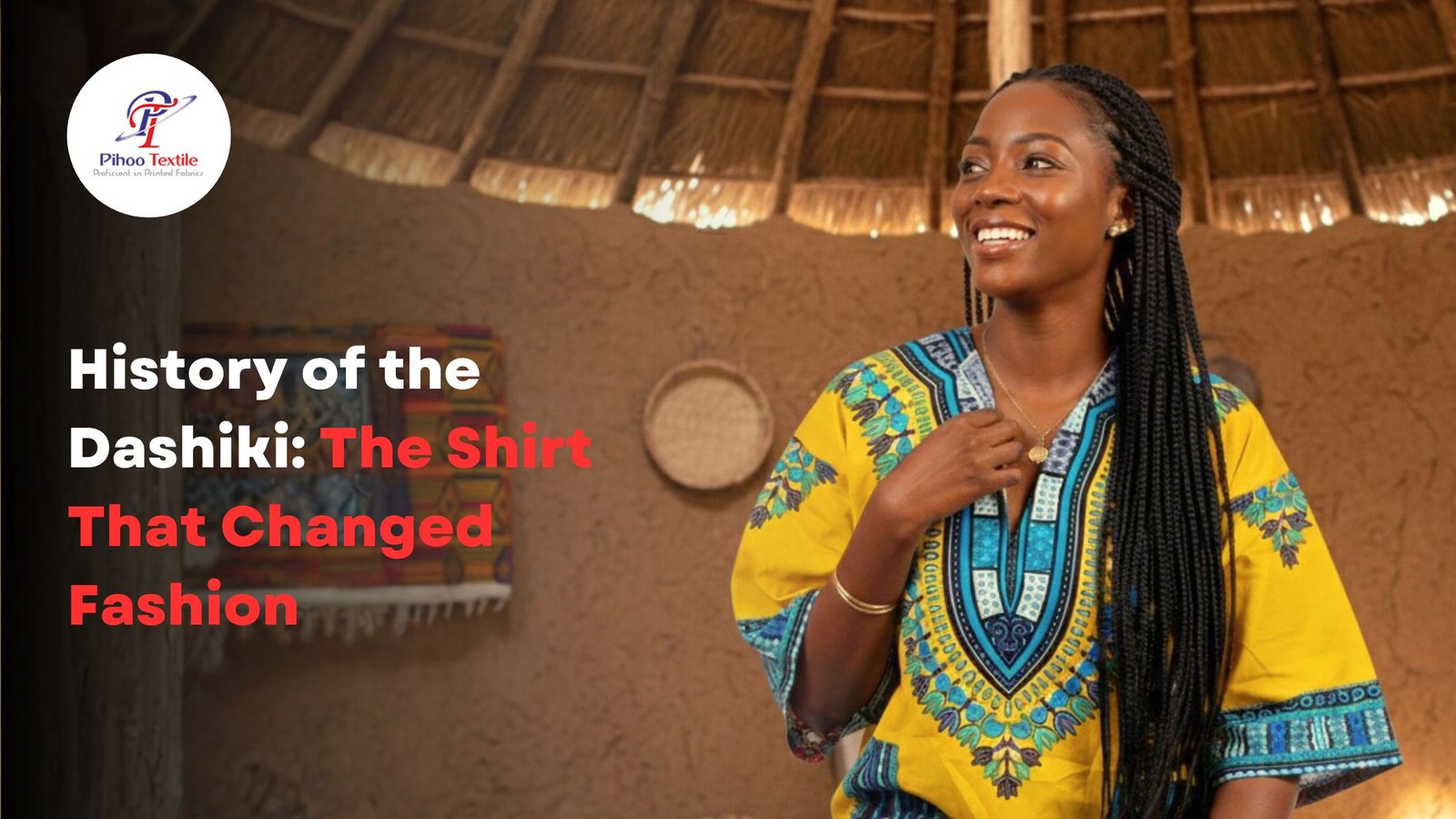
History of the Dashiki: The Shirt That Changed Fashion
Introduction Most people treat the dashiki as a 1960s American phenomenon. That framing misses roughly 600 years of documented use in West Africa and reduces a complex textile tradition to
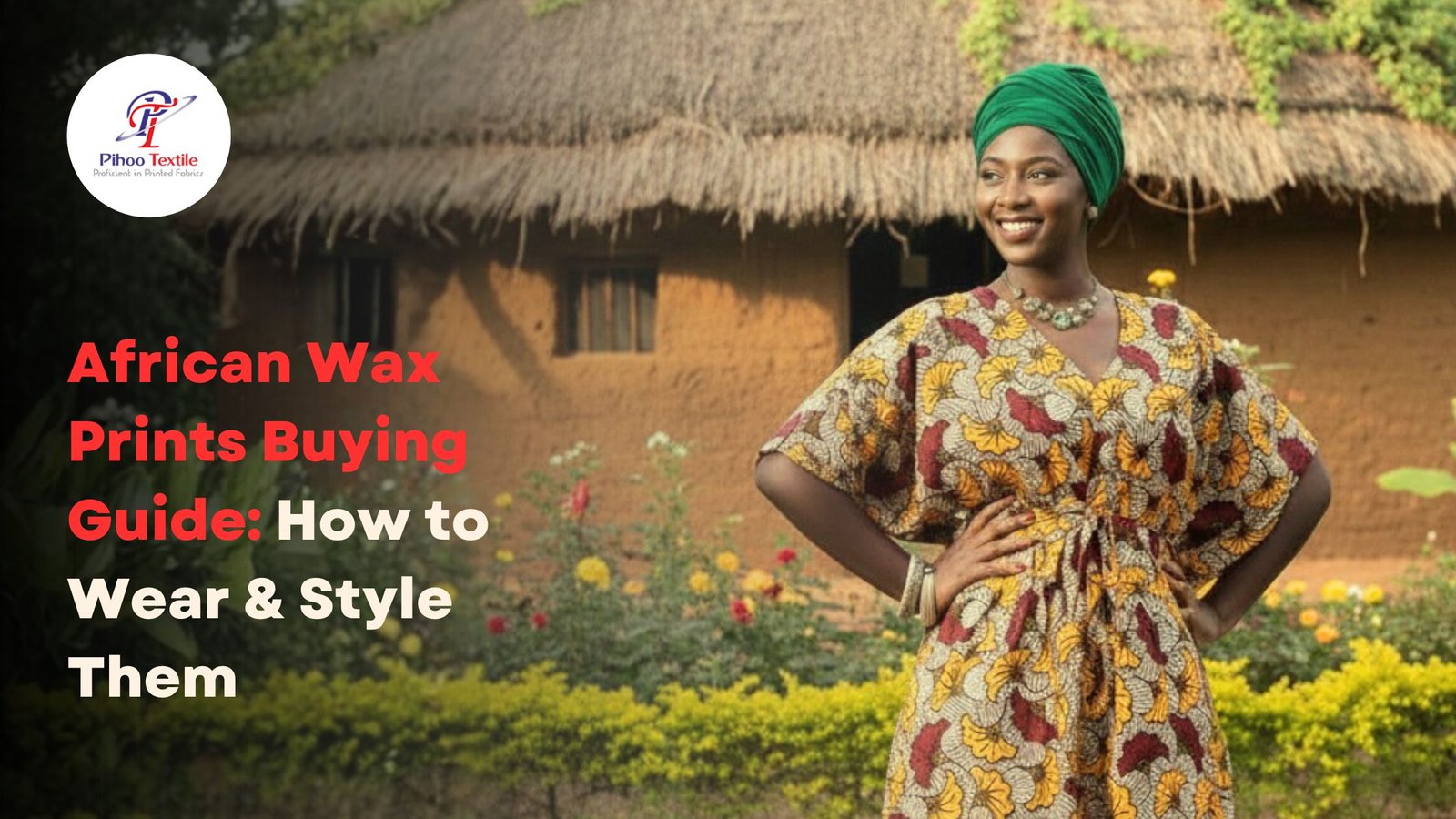
African Wax Prints Buying Guide: How to Wear & Style Them
Introduction Most people admire African wax prints on others but freeze when it comes to wearing them themselves. The patterns feel too bold, the styling rules feel unclear, and the