

Introduction
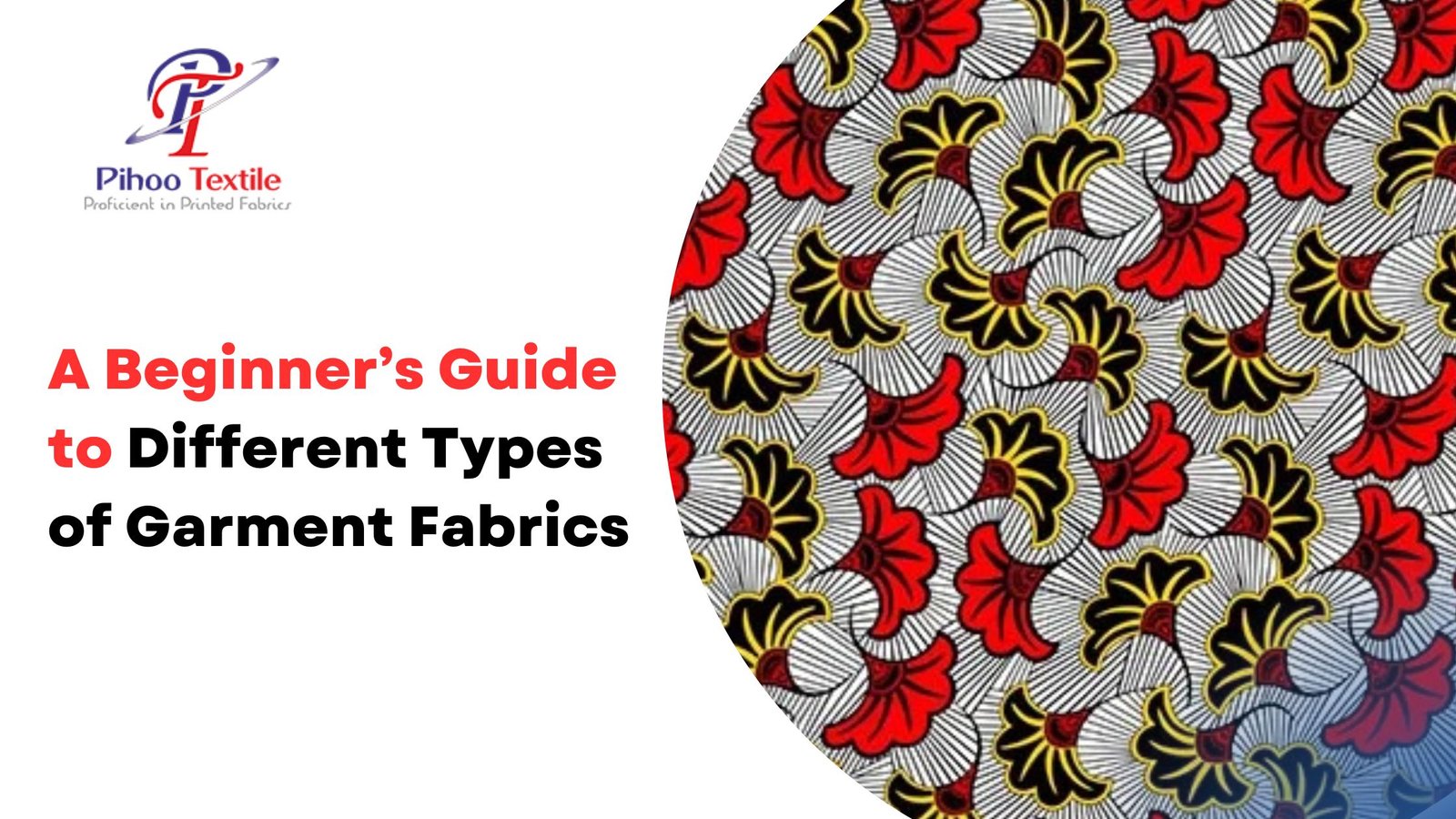
The common assumption about wax print fabric—that it belongs at ceremonies and cultural events, not in daily wardrobes—is wrong, and it costs buyers real creative range. Designers and tailors who treat wax print as occasion-specific fabric use it once or twice a year, leaving one of the most versatile textiles in modern fashion dramatically underused. Real wax print on 100% cotton behaves exactly like quality cotton for sewing purposes—it presses cleanly, holds structure, and accepts standard tailoring techniques across every garment category. The difference between wax print that works in modern clothing and wax print that doesn’t is fabric quality, not garment category. This guide maps authentic wax print across its most effective modern applications: dresses, tops, bottoms, outerwear, jumpsuits and sets, accessories, and home décor—plus the styling rules that determine whether a wax print garment looks intentional or accidental. Every section advances one goal: helping you use wax print fabric to its full potential.
Dresses
Dresses represent the most efficient wax print application because one pattern piece carries the entire design. No seam interrupts the print across a full-length bodice or skirt panel.
Best dress styles for wax print:
- Shift and A-line: Large canvas for bold motifs; minimal seaming protects pattern integrity
- Wrap dresses: Adjustable fit, works across body types, transitions from day to evening
- Maxi dresses: Summer, resort, and occasion wear where the print can display fully
- Shirt dresses: Structured, professional-adjacent, works with a belt for shape
The counterintuitive insight: fitted dresses with multiple darts and princess seams actually suit smaller-scale prints better than bold large-repeat patterns, which need fewer seams to read correctly.
Tops and Blouses
Tops function as the lowest-commitment entry point for wax print in everyday wear. One wax print blouse anchors an entire outfit while everything else stays neutral.
High-performing wax print top styles:
- Peplum tops: Structured waist, flared hem, bold statement for professional and casual wear
- Button-down shirts: Corporate-adjacent when paired with solid trousers
- Off-shoulder and bardot necklines: Summer and resort casual
- Tucked blouses: Pair with high-waisted jeans or pencil skirts for clean proportions
Bottoms
Wax print bottoms pair most effectively with solid, neutral tops that pull one accent color from the fabric. This formula requires zero styling expertise and consistently produces polished results.
Strong options across contexts:
- Pencil skirts: Professional, knee-length, structured—ideal for smaller-scale prints
- Wrap skirts: Casual, flowing, traditional format
- Wide-leg trousers: Modern silhouette, dramatic effect with bold patterns
- A-line midi skirts: Medium-scale prints work best here; the volume displays the repeat correctly
Outerwear
A wax print blazer over a solid outfit is arguably the most efficient styling upgrade available in the category. It introduces the print without requiring coordination across multiple pieces.
Outerwear styles that carry wax print well:
- Tailored blazers: Professional settings, statement piece over solid dress or trousers
- Bomber jackets: Streetwear and casual, works with jeans and plain tees
- Kimonos and open-front cardigans: Layering for transitional weather
- Structured coats: High-fashion and avant-garde applications
Jumpsuits and Sets
Jumpsuits eliminate styling decisions entirely—one well-fitted piece reads as a complete outfit. Two-piece sets in matching wax print deliver the same effect with more versatility: wear together or separate.
- Belted jumpsuits: Add structure to flowing silhouettes, useful for larger prints
- Crop top + wide-leg trouser sets: Contemporary, youthful, casual-to-smart
- Coordinated skirt and blouse sets: Traditional format, works across age groups and occasions
Match sets require consistent dye lots—the top and bottom must come from the same fabric batch to ensure identical color and pattern alignment.
Accessories
Accessories represent the lowest-risk way to test wax print in a wardrobe. A single accessory introduces the pattern without full outfit commitment.
Effective wax print accessory applications:
- Headwraps and scarves: Traditional, casual, cultural statement
- Belts: Accent piece that breaks up a solid outfit
- Structured bags and totes: Works from casual to professional depending on construction
- Caps and bucket hats: Streetwear and casual outdoor wear
The pattern scale rule applies to accessories too: small-scale prints work better on bags and belts than large-repeat motifs, which get cropped awkwardly at accessory dimensions.
Home Décor
Real wax print’s durability and colorfastness make it practical for home textile applications, not just fashion. The 100% cotton base handles washing and regular use without the degradation cheap synthetic alternatives develop quickly.
Strong home applications:
- Cushion covers and throw pillows: Living room accent pieces, easy to swap seasonally
- Table runners and tablecloths: Dining spaces, festive occasions, cultural celebrations
- Curtain panels: Large repeats display well at full window scale
- Chair and seat covers: Dining rooms and event spaces with a cultural design direction
Styling Rules
One Print at a Time
One wax print piece per outfit, everything else solid. This rule applies consistently across garment categories and styling contexts. Ignoring it creates competing visual noise that no individual piece survives.
Scale Matching
- Large-scale prints: Maxi dresses, wide-leg trousers, full skirts—garments with uninterrupted surface area
- Medium-scale prints: Blazers, structured tops, A-line skirts
- Small-scale prints: Accessories, fitted garments with multiple seams, tailored menswear
Proportion and Fit
A well-fitted wax print garment in a basic silhouette beats a complicated, ill-fitting design every time. The print already provides all the visual complexity needed. Silhouette and fit are the variables that separate professional-looking results from home-sewn approximations.
FAQs
Can wax print fabric be used for menswear effectively?
Yes, with scale and silhouette discipline. Smaller geometric patterns in controlled color palettes (two to three colors) suit shirts, tailored trousers, and blazers well. Large florals and five-color prints work better in women’s casualwear than men’s formal contexts. Menswear benefits most from wax print in shirts paired with solid trousers, or as accent panels in structured jackets where the print functions as design detail rather than primary statement.
How much extra fabric do I need for pattern matching on garment projects?
Plan for 15–20% more than pattern envelope requirements when working with medium to large repeat prints. Matching repeats at side seams, center back, and across bodice yokes consumes yardage that standard calculations don’t account for. Small-scale prints with repeats under 4 inches require less extra—around 10%. Buy the additional yardage upfront because dye lot consistency becomes difficult when reordering, and mismatched lots produce visible color variation in the finished garment.
Does wax print work for children’s clothing?
Cotton wax print is comfortable, breathable, and durable—all qualities children’s clothing requires. Small-scale patterns and bright primary color combinations in Ankara suit children’s garments well. Practical note: the 45-inch width standard means children’s garments get good fabric efficiency since pattern pieces are small. Pre-wash the fabric before cutting children’s garments to confirm colorfastness and manage shrinkage before the garment is sized to fit.
What’s the best wax print application for a first sewing project?
A wrap skirt. The pattern piece is simple, requires minimal cutting precision, involves no zipper, and features one dominant front panel that displays the print without interruption. A basic wrap skirt teaches fabric handling, hemming, and waistband attachment without complex construction challenges. The result looks intentional and well-made because the fabric does most of the visual work. Once comfortable with wax print’s behavior, move to structured tops and fitted bodices.
Conclusion
Real wax print on 100% cotton works across every clothing and home décor category when the application matches print scale and silhouette. The fabric’s versatility is limited only by quality—authentic wax-resist printed cotton performs where synthetic imitations fail. Choose the right fabric, apply the one-print rule, and let scale guide your cuts.
Pick one application from this guide and start your next project with it.
Pihoo Textile stocks authentic 100% cotton real wax prints with verified wax-resist processing, double-sided color penetration, and medium weight that performs correctly across every application in this guide—from structured blazers to cushion covers. Our collection covers small, medium, and large-scale prints in versatile colorways specifically curated for garment sewing and home décor projects.
Every listing includes complete specifications: fiber content, actual width (45″/115cm), weight in GSM, pattern repeat dimensions, and care requirements. High-resolution photography shows full pattern repeats and reverse-side quality so layout planning and print matching decisions happen before fabric arrives, not after.
We offer samples for physical testing before full yardage commitment. Consistent dye lots are available for coordinated sets and multi-piece projects. No minimum orders on stock fabrics; bulk pricing starts at 50 yards for production runs.
Visit pihootextile.com to browse our wax print collection by color family, pattern scale, and application category. Request samples. Start the project that’s been waiting for the right fabric.