Pihoo Textile is an Exporter of Fabrics in whole African countries and also supplies to exporters and local market. Our Printing quality is suitable for African culture.
© 2026 Created by IndiaFinds

Uncategorized

Which Materials Are Used to Create Traditional African Textiles? How Were These Textiles Used?
Uncategorized

Which Materials Are Used to Create Traditional African Textiles? How Were These Textiles Used?

Introduction African textiles are among the most visually striking and culturally meaningful fabrics in the world. Each thread, pattern, and color tells a story — of heritage, identity, and creativity. From the bold Kente of Ghana to the indigo-dyed Adire of Nigeria and the intricate Mudcloth of Mali, traditional African fabrics are more than just materials for clothing. They are symbols of history, spirituality, and artistry. In this blog, we’ll explore the materials used to create traditional African textiles, the methods behind their craftsmanship, and the roles these fabrics have played in African societies throughout history. We’ll also discuss how these materials and techniques continue to influence modern fashion and global textile production today. 1. Natural Origins: The Traditional Materials Behind African Textiles Before industrialization, African artisans relied heavily on locally available natural fibers and organic dyes. The continent’s diverse geography — from tropical forests to arid savannas — provided a wide range of plant and animal resources that shaped regional textile traditions. 1.1 Cotton – The Heart of African Weaving Cotton has been one of the most important materials for African textiles for centuries. Archaeological evidence shows that cotton weaving existed as early as 500 BCE in regions like Mali, Egypt, and Sudan. Source: Cotton was cultivated across West Africa, notably in Mali, Nigeria, and Ghana. Use: The fibers were spun into fine threads using drop spindles and woven on handlooms into soft, breathable fabrics perfect for hot climates. Examples: Kente Cloth (Ghana) – Made from narrow strips of woven cotton, then stitched together. Akwete Cloth (Nigeria) – A handwoven cotton textile known for its bright patterns and durability. SEO Tip Keywords: African cotton fabrics, handwoven cotton textiles, traditional African weaving. 1.2 Silk – The Fabric of Royalty Though silk was not native to Africa, it was introduced through trans-Saharan trade routes from Asia. It quickly became a luxury material, associated with royalty, chiefs, and spiritual leaders. Regions: Nigeria, Ethiopia, and North Africa. Usage: Mixed with cotton or raffia to create shimmering ceremonial garments. Examples: Asafo Flag Cloths (Ghana) sometimes incorporated silk threads for status. Ethiopian Shemma Cloth blended cotton with imported silk to signify purity and celebration. SEO Tip Keywords: African silk textiles, traditional silk weaving Africa, royal African fabrics. 1.3 Raffia – The Versatile Palm Fiber Raffia, derived from the raffia palm tree (Raphia farinifera), is another traditional African fiber. It is coarse yet durable, making it ideal for both weaving and embroidery. Regions: Central and West Africa, especially the Congo Basin. Use: Raffia was used to make Mats, Baskets, and Kuba Cloth — a renowned textile from the Kuba people of the Democratic Republic of Congo. Techniques: Artisans used dyed raffia fibers to create geometric designs through embroidery, applique, and cut-pile methods. SEO Tip Keywords: raffia fabrics Africa, Kuba cloth material, traditional raffia weaving. 1.4 Barkcloth – Nature’s First Fabric Before cotton and raffia weaving became widespread, Africans in forest regions used barkcloth — one of the oldest textile forms in human history. Process: Made by pounding the inner bark of trees (like Mutuba in Uganda) until it softened into a pliable fabric. Cultural Use: Barkcloth was worn for ceremonies, especially funerals and spiritual rituals. Modern Revival: Today, barkcloth is recognized by UNESCO as an intangible cultural heritage of Uganda. SEO Tip Keywords: barkcloth Uganda, natural African fabrics, ancient African textiles. 1.5 Wool and Animal Hides In North and East Africa, sheep and camel wool played an essential role in textile making. Berber and Tuareg tribes used wool for weaving blankets and cloaks suitable for desert climates. Animal hides and leather were decorated with dyes, beads, and stitching for garments, shields, and drums. SEO Tip Keywords: African wool textiles, traditional Berber weaving, Tuareg leather art. 2. The Magic of Natural Dyes: Colors from the Earth Color is at the heart of African textile art. Natural dyes, made from plants, roots, minerals, and insects, gave life to fabrics long before synthetic dyes were introduced. 2.1 Indigo – The Blue of West Africa Indigo dyeing is one of the oldest and most cherished dyeing traditions in Africa. Source: Indigofera tinctoria plant. Regions: Nigeria (Yoruba Adire), Mali (Bogolanfini), and Senegal (Lébou indigo cloth). Symbolism: Represents wealth, fertility, and spiritual protection. Technique: Fabrics are tied, stitched, or folded before dyeing to create resist-dye patterns. SEO Tip Keywords: indigo dyeing Africa, Adire fabric Nigeria, traditional African blue textiles. 2.2 Red, Yellow, and Black – Earth and Fire Tones Red dyes came from camwood, kola nut, or roots like madder. Yellow dyes were extracted from barks and turmeric. Black and brown dyes were created from iron-rich mud, soot, or charred leaves. These earthy colors symbolized strength, fertility, and the power of nature, while also providing protection from evil spirits. SEO Tip Keywords: African natural dyes, earthy fabric colors Africa, mudcloth dyeing. 3. Traditional Weaving and Dyeing Techniques The creation of African textiles involves meticulous craftsmanship, often passed down through generations. 3.1 Loom Weaving African looms vary by region: Strip Looms (West Africa): Produce narrow bands that are later stitched together (e.g., Kente cloth). Vertical Looms (North Africa): Used for large woolen carpets and blankets. Horizontal Looms (East Africa): For lightweight cotton cloths like Ethiopian shemma. Each weaving technique produces unique textures and patterns that reflect the artisan’s skill and cultural identity. 3.2 Tie-Dye and Batik (Adire) Adire, from the Yoruba word “adi” (to tie) and “re” (to dye), is a traditional resist-dye method. Technique: The fabric is tied, folded, or stitched to resist dye penetration. Result: Intricate geometric or symbolic patterns. Modern Influence: Adire-inspired prints are now replicated digitally for fashion fabrics worldwide. SEO Tip Keywords: Adire tie dye Africa, African batik techniques, resist dyeing fabrics. 3.3 Mudcloth (Bogolanfini) Originating in Mali, mudcloth is made using fermented river mud to create bold black and white designs on handwoven cotton. Process: The cloth is dyed with plant-based tannins, then painted with mud containing iron oxide. Cultural Role: Traditionally worn by hunters and later by brides as protection and blessing. SEO Tip Keywords:


10 Stunning Ways to Style Ankara Print Fabrics for Everyday Wear
Uncategorized

10 Stunning Ways to Style Ankara Print Fabrics for Everyday Wear

Introduction Most people treat Ankara as special-occasion fabric. They buy bold prints, sew elaborate garments, then wear them twice a year. This wastes potential. Ankara works brilliantly for everyday wear when styled with intention. The key is balancing vibrant patterns with neutral basics and choosing versatile silhouettes that translate from errands to evening plans.  This guide walks through ten practical ways to integrate Ankara into daily wardrobes—covering tops, dresses, outerwear, and accessories that deliver maximum style with minimal effort. Ankara Skirts With Neutral Tops Ankara skirts—whether pencil, midi, or maxi—become instantly wearable when paired with solid-colored tops. A bold geometric print skirt with a plain white blouse creates clean lines that let the pattern shine without overwhelming the eye. The contrast works because neutral colors (white, black, beige, gray) provide visual rest. Your eye focuses on the print instead of competing with additional colors or patterns. For office settings, choose knee-length pencil skirts in smaller-scale prints. Weekend looks can handle fuller maxi skirts with larger, bolder motifs. Match with simple flats or ankle boots to maintain the balanced aesthetic. Ankara Bomber Jackets for Casual Days An Ankara bomber jacket over jeans transforms basic outfits into statement looks with zero extra effort. The jacket becomes the focal point while everything else stays neutral and comfortable. This styling trick works because outerwear naturally draws attention. A vibrant Ankara bomber over a plain t-shirt and denim creates instant visual interest without requiring full-print commitment. The fitted silhouette of bomber jackets also flatters most body types better than oversized styles. It provides structure while the Ankara pattern adds personality. Effortless Ankara Maxi Dresses Here’s an uncomfortable truth: most people overthink getting dressed. An Ankara maxi dress solves this by delivering a complete outfit in one piece. Flowy designs work for casual outings—think grocery shopping, coffee runs, or park visits. Add a belt to define the waist for more formal daytime events. The same dress transitions across multiple contexts with minor adjustments. Choose cotton-based Ankara prints for breathability. Synthetic blends trap heat and feel uncomfortable during extended wear, which defeats the purpose of everyday styling. Ankara Wrap Tops With Simple Bottoms Wrap tops in Ankara patterns pair beautifully with leather pants, denim, or tailored shorts. The wrap style creates a flattering V-neckline and adjustable fit that works across different body shapes. The versatility comes from mixing textures. Ankara’s cotton weave contrasts nicely with leather’s smooth finish or denim’s rugged texture, creating visual interest through material differences rather than competing patterns. Keep accessories minimal with wrap tops. The neckline and print already provide enough visual weight—adding chunky necklaces creates clutter. Ankara Shorts for Warm Weather Ankara shorts work best when paired with basic tanks or crop tops in solid colors. The shorts provide the pattern punch while the top offers simplicity. High-waisted cuts flatter more body types than low-rise versions. They also allow tucking in tops cleanly, which keeps the silhouette defined rather than bulky. Balance is critical here. If wearing fitted shorts, choose a slightly looser top. Skin-tight shorts with a bodycon crop top can look costumey rather than casually chic. Ankara Blazers for Professional Settings Ankara blazers elevate office wear immediately. A well-tailored Ankara blazer over tailored pants and a solid blouse reads professional while avoiding corporate blandness. The key is choosing subtle prints for work environments. Smaller geometric patterns or tone-on-tone designs maintain professionalism better than large-scale florals or bright multi-color prints. Fit matters more with blazers than any other garment. An ill-fitting Ankara blazer looks sloppy regardless of print quality. Invest in proper tailoring. Layering With Ankara Kimonos Ankara kimonos function as instant outfit elevators. Throw one over a simple dress, jeans and tank, or even shorts for bohemian-inspired looks that feel curated without being precious. The flowing silhouette of kimonos adds movement and dimension to otherwise static outfits. This creates visual interest through shape rather than requiring multiple printed pieces. Kimonos also solve transitional weather problems. They provide light coverage for cool mornings without the bulk of structured jackets. Ankara Jumpsuits for One-Piece Styling Jumpsuits deliver complete outfits with no styling decisions required. They work for casual outings and can transition to semi-formal events with the right shoes and accessories. The all-in-one nature eliminates the challenge of proportion balancing. No worrying about whether your top hits at the right point on your skirt or if your pants clash with your shirt. Choose fitted styles for formal settings and relaxed, wide-leg versions for weekend wear. The same Ankara print reads differently based on silhouette alone. Ankara Crop Tops With High-Waisted Bottoms Ankara crop tops paired with high-waisted skirts or pants create balanced proportions that show skin without looking juvenile. The high waist meets the crop hem at the narrowest part of the torso, creating a flattering line. This combination works across seasons. In warm weather, pair with high-waisted shorts. Colder months call for high-waisted trousers or midi skirts. Keep the bottom solid-colored when the crop top features a busy print. Mixing two Ankara prints in crop-and-skirt combinations rarely succeeds unless you’re highly experienced with print mixing. Ankara Palazzo Pants for Comfort and Style Palazzo pants in Ankara prints combine comfort with visual impact. The wide-leg cut provides airflow and movement while the print prevents the look from reading as shapeless loungewear. Pair with fitted tops to balance the voluminous bottom. A plain tank or bodysuit tucked into high-waisted palazzo pants creates clean proportions. Bold earrings work particularly well with this silhouette. Since the pants draw attention downward, statement earrings bring focus back to the face, creating balance. Common Styling Mistakes Over-accessorizing with busy Ankara prints creates visual chaos. When wearing large-scale, vibrant patterns, choose simple jewelry and shoes. Let the fabric be the accessory. Ignoring fit in favor of pattern is another frequent error. A beautifully printed Ankara garment that doesn’t fit properly will always look worse than a perfectly fitted solid-colored piece. Mixing too many prints without color coordination overwhelms outfits. If combining Ankara with other patterns, ensure they share

Feel the Difference: Your Guide to Premium African Fabrics
Uncategorized

Feel the Difference: Your Guide to Premium African Fabrics

Premium African fabrics are loved around the world. The colors are bold. The patterns are strong and full of meaning. But the premium side of this market is often misunderstood. Wax prints are global icons today. They were first produced in the 1800s in Europe as a way to copy Indonesian batik techniques. Over time, West Africa embraced them and made them culturally powerful and widely recognized. What started as trade became tradition. What began as imitation became identity. If you are sourcing premium fabric, you need to look at three things: where it comes from, how it is made, and whether the quality can be proven. Defining Premium Premium is not just a word used for marketing. It is about clear, practical choices in production. It shows in the cotton quality. It shows in the dye process. It shows in the finish and consistency. Some wax prints are known for being full-bodied and strong. Others are known for special dye effects, like subtle two-tone details that create depth in the design. Higher tiers often have more complex finishing and richer color layering. Outside of wax prints, there are other premium fabric streams. Bazin Riche is a high-quality cotton damask or brocade fabric. It is known for its shine, weight, and structured drape. It is often used for formal garments like boubou and kaftans. It feels smooth, crisp, and dignified. Swiss voile lace is lightweight and breathable. It is usually made from fine cotton and often sold in five-yard cuts. The value is in the embroidery precision and soft hand feel. It is popular for ceremonial and special-occasion wear. Premium is about processes you can check. It is not about decorative words. The Origin Story and Why It Matters Authentic does not always mean handmade locally. The supply chain behind wax prints has always been international. Indonesian batik techniques inspired the wax-resist method. European manufacturers industrialized it. West and Central African communities gave the prints cultural meaning and identity. That mix shaped today’s idea of premium. The cotton is crisp and structured. The motifs carry stories. The dye techniques create layered color and distinctive texture. Premium in this space is both emotional and technical. It carries cultural weight. It also depends on industrial precision. Fabric Classes and How They Feel Wax prints are usually strong cotton fabrics with a clear, structured hand feel. Good-quality versions show color clearly on both sides because the dye penetrates the fabric. The surface does not feel thin or papery. It feels firm but not stiff. Higher-tier wax prints may show subtle texture effects in the dye rings. These small details make the print look deeper and more alive. Bazin Riche feels heavier and more architectural. The weave is tight. The surface has a soft shine. It holds shape well, which makes it ideal for structured garments. Swiss voile lace feels airy and light. The embroidery sits cleanly on the surface. The cotton is soft, breathable, and comfortable in warm climates. The difference you feel comes from weave density, dye control, and finishing methods. It is physical. It is measurable. How Premium Wax Prints Are Made The base method follows a wax-resist process. Wax is applied to the fabric. The fabric is dyed. The wax is removed. This can be repeated in stages to layer multiple colors and details. Each stage requires precision. Color registration must align correctly. The dye chemistry must be controlled. The finishing process must be consistent. When done well, the result is rich color that does not bleed easily, clean edges around motifs, and a fabric that feels alive and substantial. Authenticity and Quality Checks If you are buying premium wax prints, a few simple checks help. First, look at both sides of the fabric. True wax processes usually show strong color penetration on the reverse side. Second, check the selvage. Many established mills print product information or design names along the edge. The selvage acts like a built-in label. Third, look for security features. Some established brands use scratch codes or verification systems to reduce counterfeits. If you are selling something as original, you need proof. Fourth, feel the fabric. Premium cotton should have body without feeling plasticky or overly rigid. If the fabric tells no clear story, you may face problems later. Buying Units and Planning Wax prints are often sold in standard lengths. Twelve yards is considered a full piece. Six yards is a half piece. Many sellers follow this format. When designing garments, plan with these units in mind. Your cutting and sampling process should match the way the fabric is sold. Care and Longevity Premium fabric still needs proper care. Wash at moderate temperatures. Turn garments inside out. Avoid bleach. Do not wring or twist aggressively. Dry in shade. Separate light and dark colors. Cotton can shrink slightly, often around five percent. Color lasts longer when care instructions are followed. Good chemistry still needs good handling. Style and Use Wax prints are design-led. Let the pattern stand out. Pair them with simple silhouettes so the print can breathe. Bazin Riche works well with tailored shapes. The shine and structure carry presence on their own. Swiss voile lace is soft and breathable. It suits ceremony, celebration, and warm weather. The premium feel on the body comes from structure, weight, and finish. It is not abstract. It is practical and visible. Culture and Meaning Many prints carry nicknames, proverbs, and social messages in West and Central Africa. These names add context and story. They are part of what customers connect with. Treat print names carefully. They are more than product codes. They are part of cultural identity. Conclusion Premium African fabric is a combination of cultural truth, technical process, and consistent quality. Start by understanding the main fabric families like wax prints, Bazin Riche, and Swiss voile lace. Check the selvage. Check the dye penetration. Understand the standard yardage. Follow proper care. Premium is not about saying something is high quality. It is about being able to

African Print Manufacturing on the Rise: Curating Culture, Designing Style
Uncategorized

African Print Manufacturing on the Rise: Curating Culture, Designing Style

Step into a bustling global marketplace, where the vibrancy of African print fabrics draws eyes and sparks conversations. Once considered niche, these textiles have exploded in popularity, gracing everyday wardrobes and haute couture alike. The rise of African print manufacturers like Pihoo Textiles represents much more than a trend—it’s an evolution that’s curating culture and designing modern style for the world stage. What Makes African Prints Uniquely Iconic? African prints captivate with eye-catching colors, bold motifs, and intricate storytelling. Traditionally crafted from 100% cotton and often employing wax printing methods, each pattern carries deep narratives—historical tales, status symbols, spiritual messages, and expressions of identity. Kente cloth from Ghana illustrates social status and unity. Ankara patterns tell stories of community and occasion. Mud Cloth (Bogolanfini) from Mali interweaves histories and meanings into every line and motif. This living language of design ensures African prints remain at the heart of both cultural celebration and personal expression. The Deep Cultural Significance of African Textile Art African prints are far more than decorative fabrics; they are vessels of heritage. For centuries, textiles like Kente, Ankara, and Dashiki have operated as social and political statements—marking rites of passage, symbolizing unity, and enabling discreet communication where words might fail. Whether worn at weddings, ceremonies, or in daily life, these prints connect wearers to ancestors, territory, tradition, and creativity. Today, they stand as emblems of cultural pride both on the continent and in global diasporas. The Rise of African Print Manufacturers: Strengthening Industries, Empowering Communities Powering Local Economies & Global Reach The surge in African print manufacturing has brought significant economic empowerment. Companies like Pihoo Textiles are creating skilled jobs for local artisans, designers, and workers—helping tackle unemployment and build regional prosperity. Job Creation: The expansion of the African print industry supports thousands of families village by village, city by city. Support for Local Artisans: Homegrown manufacturers preserve traditional skills, even as they modernize for global markets. Leading with Sustainability and Ethical Practice African manufacturers now prioritize sustainable practices, from eco-friendly dyeing and water-saving processes to sourcing locally. With circular production models being adopted by over 68% of textile startups in 2025, the industry stands at the forefront of environmentally responsible fashion. Circular design models Minimal waste digital printing Empowering local supply chains Innovation, Craftsmanship & Technology: The New Wave Blending Tradition and Modernity Progressive African print designers merge age-old techniques with contemporary silhouettes and technologies, launching collections that captivate broader audiences. The adoption of high-speed digital printing, AI-driven design, and automation allows for quick customization and seamless adaptation to consumer trends. Digital printing market expected to grow at 7.2% CAGR through 2031 Integration of e-commerce for global outreach AI-driven automation for design and production A Renaissance of Craft and Creativity Manufacturers balance large-scale efficiency with respect for the craftsmanship that gives African prints their soul. Focused education and training initiatives ensure traditional art forms and technical expertise are carried forward to new generations. The Global Splash: African Prints in Contemporary Fashion African prints have gone mainstream. From the runways of New York and Paris to everyday street style, these fabrics are celebrated by celebrities, designers, and influencers worldwide. Their inclusion in major fashion weeks, magazine covers, and music videos has stamped them as symbols of innovation, style, and social connection. Celebrity Endorsements: Iconic personalities like Beyoncé and Solange Knowles regularly showcase African prints on global stages. International Collaborations: Designers blend African motifs with Western aesthetics, amplifying their reach. Challenges on the Horizon—and Opportunities Beyond Navigating Global Competition The influx of mass-produced, low-cost imitation fabrics challenges local manufacturers. As global demand rises, maintaining authenticity and quality while scaling efficiently becomes increasingly crucial. Preserving Heritage, Advancing Innovation Rapid growth risks diluting traditional techniques. The opportunity lies in collaborative projects—pairing local artisans with international designers and investing in education that bridges heritage and progress. Market Trends: The Numbers Behind the Surge African digital textile printing is projected to reach nearly $400 million in 2025, driven by demand for personalized and sustainable products. Africa’s textile and apparel market is expected to grow from $73.59 billion in 2025 to $88.68 billion by 2029. Over 2,000 commercial printing companies now operate in Africa, with many adopting automation and digital technologies to stay ahead. Smaller product runs, shorter turnaround times, and custom designs are shaping the future of African print fashion. Pihoo Textiles: Shaping the Future of African Print As a leader in the industry, Pihoo Textiles stands at the nexus of tradition, innovation, and sustainability. The company’s approach merges heritage craftsmanship with cutting-edge printing, ethical sourcing, and bold, contemporary design. Through rigorous quality standards, ongoing investment in technology, and commitment to cultural authenticity, Pihoo Textiles is curating the next chapter in African print manufacturing. Custom designs for global brands Sustainable manufacturing from farm to fabric Training programs to empower artisans and designers Future Horizons: Expanding into New Possibilities Expansion into smart textiles and functional fabrics—incorporating UV protection and moisture-wicking properties for modern lifestyles Increased international partnerships broadening market access while maintaining authentic storytelling Greater consumer demand for transparency and personal connection with the makers behind each print Conclusion: Curating Culture, Designing Style The rise of African print manufacturers marks a powerful blend of culture, commerce, and creativity. As innovation accelerates, artisans, designers, and brands like Pihoo Textiles are not just producing fabric—they’re curating heritage, designing contemporary style, and empowering communities for a vibrant future. In every bold print and crafted pattern, African textiles tell a story—a story increasingly celebrated on the world’s stage.

Top Dashiki Shirts Manufacturers in US
Uncategorized

Top Dashiki Shirts Manufacturers in US

The dashiki shirt is more than just a garment—it’s a vibrant symbol of heritage, identity, and contemporary style. In the United States, the demand for authentic, high-quality dashiki shirts has soared, driven by a growing appreciation for African-inspired fashion and a desire for unique, expressive clothing. At the forefront of this movement stands Pihoo Textiles, a global leader in African print manufacturing and a top supplier of dashiki shirts to the US market. This blog explores why Pihoo Textiles is the preferred partner for retailers, designers, and entrepreneurs seeking the best in dashiki shirts. The Dashiki Shirt: A Cultural Icon in Modern Fashion Dashiki shirts have a rich history rooted in West African tradition, where they were originally worn as loose-fitting, colorful garments for both men and women. Today, the dashiki has evolved into a global fashion statement, celebrated for its bold patterns, intricate embroidery, and comfortable fit. In the US, dashiki shirts are embraced by people of all backgrounds, symbolizing cultural pride, unity, and a love for vibrant design. The versatility of the dashiki makes it a staple in American wardrobes. Whether styled for festivals, casual outings, or special occasions, dashiki shirts offer a unique blend of comfort and flair. Their popularity is further fueled by the rise of Afrocentric fashion, the influence of Black-owned businesses, and the growing demand for clothing that tells a story. Why Pihoo Textiles Leads the US Dashiki Shirt Market? Pihoo Textiles has earned its reputation as a top dashiki shirt manufacturer through a commitment to quality, innovation, and customer satisfaction. Based in Jetpur, Gujarat—a city renowned for textile excellence—Pihoo Textiles combines decades of expertise with state-of-the-art technology to produce dashiki shirts that meet the highest standards of craftsmanship and design. Key Advantages of Pihoo Textiles Authentic African Prints: Pihoo Textiles specializes in traditional and contemporary dashiki designs, using premium cotton and polyester blends to ensure comfort and durability. Customization: Clients can choose from thousands of patterns, colorways, and fabric weights, allowing for exclusive collections tailored to the US market. Quality Assurance: Every dashiki shirt undergoes rigorous testing for colorfastness, print clarity, and fabric strength, guaranteeing a product that stands up to repeated wear and washing. Sustainable Practices: Pihoo Textiles employs eco-friendly dyes, water-saving techniques, and recyclable packaging, aligning with the values of environmentally conscious consumers. Efficient Logistics: With robust infrastructure and reliable shipping, Pihoo Textiles ensures timely delivery to US retailers and designers, even for large or custom orders. Product Range: Dashiki Shirts for Every Occasion Pihoo Textiles offers an extensive selection of dashiki shirts, each crafted to reflect the rich heritage of African textiles while catering to modern tastes. Their product range includes: Classic Dashiki Shirts: Featuring traditional motifs, vibrant colors, and signature embroidery, these shirts are perfect for cultural celebrations and everyday wear. Contemporary Dashiki Styles: Modern cuts, minimalist patterns, and fusion designs appeal to younger consumers and those seeking a fresh take on the classic dashiki. Unisex and Plus-Size Options: Pihoo Textiles recognizes the importance of inclusivity, offering dashiki shirts in a wide range of sizes and fits for all body types. Custom Orders: Retailers and designers can collaborate with Pihoo Textiles to create bespoke dashiki shirts, from fabric selection to final detailing. The Manufacturing Process: Where Tradition Meets Technology At Pihoo Textiles, the journey of a dashiki shirt begins with the careful selection of high-quality fabrics. The company’s advanced printing machinery and skilled artisans bring each design to life, ensuring that every shirt is a masterpiece of color and craftsmanship. The manufacturing process includes: Design Development: Clients can choose from existing patterns or work with the in-house design team to create custom prints. Fabric Printing: Using the latest technology, Pihoo Textiles achieves vibrant, long-lasting colors that resist fading and bleeding. Cutting and Stitching: Precision cutting and expert tailoring ensure a comfortable, flattering fit for every shirt. Quality Control: Each shirt is inspected for defects, ensuring only the best products reach the customer. Why US Retailers and Designers Choose Pihoo Textiles? Sourcing dashiki shirts from Pihoo Textiles offers several competitive advantages for US businesses: Cultural Authenticity: Pihoo Textiles’ deep understanding of African textile traditions ensures that their dashiki shirts are both authentic and fashion-forward. Flexible Order Quantities: Whether you need a small batch for a boutique or a large shipment for a national chain, Pihoo Textiles can accommodate your requirements. Competitive Pricing: High-quality products at reasonable rates make Pihoo Textiles accessible to both established brands and emerging designers. Dedicated Support: The company’s experienced team provides personalized consultations, sample development, and ongoing support to ensure a smooth partnership. Trends in Dashiki Shirts: What’s Hot in the US Market The US dashiki shirt market is dynamic, with trends evolving to reflect changing consumer preferences. Some of the latest trends include: Bold, Geometric Patterns: Inspired by traditional African art, these designs make a strong visual statement. Sustainable Fabrics: Eco-friendly materials and ethical production methods are increasingly important to US consumers. Gender-Neutral Styles: Unisex dashiki shirts are gaining popularity, reflecting a move toward more inclusive fashion. Fusion Fashion: Designers are blending dashiki elements with Western silhouettes, creating unique hybrid garments that appeal to a broad audience. Pihoo Textiles’ Commitment to Excellence At the heart of Pihoo Textiles’ success is a dedication to continuous improvement and customer satisfaction. The company invests in research and development, exploring new printing techniques, fabric innovations, and sustainable practices. Their goal is to not only meet but exceed the expectations of US clients, delivering dashiki shirts that are as durable as they are beautiful. How to Partner with Pihoo Textiles Partnering with Pihoo Textiles is a seamless process designed to support the needs of US retailers and designers. The company offers: Personalized Consultations: Work directly with the design team to develop custom prints and fabric specifications. Sample Development: Receive high-quality samples to review before placing bulk orders. Flexible Logistics: Enjoy reliable shipping and delivery, even for large or time-sensitive orders. Ongoing Support: Benefit from dedicated customer service throughout the partnership. Conclusion For US fashion entrepreneurs, retailers, and designers seeking

Top Tips for Taking Care of Your African Print Fabric
Uncategorized

Top Tips for Taking Care of Your African Print Fabric

African print fabrics are celebrated for their vibrant colors, bold patterns, and cultural significance. Whether you wear them as statement pieces or incorporate them into everyday fashion, these textiles deserve special care to maintain their brilliance and longevity. At Pihoo Textiles, we believe that understanding how to properly care for your African print fabric is essential—not just for preserving beauty, but for honoring the artistry behind every piece. Here’s your expert guide to keeping your African prints looking stunning year after year. Why African Print Fabrics Need Special Care? African print fabrics, often crafted from 100% cotton and dyed using wax-resist and multi-color techniques, are renowned for their intensity and vibrancy. The unique dyeing process creates intricate patterns but also makes the fabric more susceptible to color bleeding, fading, and shrinkage if not handled properly. Unlike many mass-produced textiles, African prints are works of art—each piece tells a story and deserves thoughtful maintenance. Washing Your African Print Fabric: The Golden Rules Always use cold water. Hot water is the enemy of African print fabrics, as it can cause colors to bleed and the fabric to shrink. Cold water preserves the integrity of the dyes and helps maintain the vibrancy of the print. Hand wash for best results. While some African prints can be machine washed, hand washing is the gentlest method. Fill a basin with cold water and add a small amount of mild detergent. Gently agitate the fabric—never scrub or wring it. Let it soak for 10-15 minutes, then rinse thoroughly with cold water until all detergent is removed. If you use a washing machine: Select a gentle cycle with cold water. Turn the fabric inside out to protect the print. Use a mesh laundry bag or pillowcase for added protection. Skip the spin cycle to avoid excessive wringing and potential color damage. Never use bleach or harsh detergents. Harsh chemicals can strip away the color and weaken the fibers of your fabric. Always choose a mild, color-safe detergent designed to preserve vibrancy. Test for colorfastness. Before washing a new piece, test for colorfastness by dampening a white cloth and pressing it to the fabric. If the color transfers, wash the item separately to prevent bleeding onto other garments. Drying: Air is Your Fabric’s Best Friend Avoid tumble dryers. The heat from dryers can cause shrinkage and fade the beautiful colors of your African print fabric. Instead, gently press out excess water by rolling the fabric in a clean towel. Air dry in the shade. Direct sunlight can fade the colors, so always dry your fabric in a shaded area or indoors. Lay the fabric flat on a towel or hang it up, but avoid stretching or pulling, which can distort its shape. Never wring or twist. Wringing can damage the fibers and cause the print to lose its crispness. Be gentle when handling wet fabric. Ironing: Preserve the Print Iron on the reverse side. To avoid damaging the print, always iron your African fabric inside out or place a thin cloth between the iron and the fabric. Use a low to medium heat setting suitable for cotton. Dampen before ironing. For best results, lightly mist the fabric with water or use a steam iron. This helps smooth out wrinkles without scorching the print. Avoid direct contact with the print. Pressing directly on the printed side can dull the colors and damage the wax finish. Storing Your African Print Fabrics Hang rather than fold. Hanging your African print garments helps maintain their shape and prevents deep creases, especially in waxed fabrics. If you must fold, do so gently and avoid placing heavy items on top. Store in a cool, dry place. Keep your fabrics away from direct sunlight and dampness, which can cause fading or mildew. Using breathable garment bags can help protect against dust and pests. Roll for long-term storage. For unworn fabric or special pieces, rolling instead of folding can prevent permanent creases and preserve the fabric’s structure. Handling Stains and Accidents Treat stains promptly. Dab (don’t rub) the stain gently with a damp cloth and mild detergent. Rinse with cold water. For stubborn stains, soak the area in cold water with a bit of mild soap before washing as usual. Avoid commercial stain removers. Many contain harsh chemicals that can damage the color and fabric. Stick to gentle, natural solutions whenever possible. Color Preservation: Keep Those Prints Popping Wash similar colors together. African print fabrics are known to bleed, especially during the first few washes. Always wash like colors together or, ideally, wash prints separately to prevent color transfer. Don’t over-wash. Only wash your garment when necessary. Spot clean small areas to extend the life of the fabric and keep colors vibrant. Use fabric softener sparingly. While it can help soften stiffer wax prints, excessive use may affect the fabric’s finish. Extra Tips for Longevity Remove stickers or labels with an iron before the first wash to avoid sticky residue. For mixed-fabric garments, follow the care instructions for the most delicate material. If in doubt, consult a professional cleaner familiar with African prints. The Pihoo Textiles Promise At Pihoo Textiles, we are committed to delivering African print fabrics that are not only beautiful but also durable and easy to care for. Our textiles undergo rigorous quality checks and are pre-washed to reduce shrinkage and color bleeding. By following these care tips, you can ensure that your Pihoo Textiles creations remain as stunning as the day you bought them. Conclusion Caring for your African print fabric is about more than just maintenance—it’s about preserving a piece of art, culture, and craftsmanship. With the right care, your prints will stay vibrant, comfortable, and full of life for years to come. Whether you’re a fashion enthusiast, a designer, or a retailer, these tips will help you get the most out of every piece from Pihoo Textiles.

5 Steps Guide to Evaluate a Garment Fabric Exporter Before You Buy
Uncategorized

5 Steps Guide to Evaluate a Garment Fabric Exporter Before You Buy

Imagine you’re about to launch your first clothing collection. You’ve designed stunning pieces, crafted a compelling brand story, and even lined up your first big orders. But here’s the catch: your entire venture hinges on the quality, reliability, and ethics of your fabric supplier. In the world of fashion startups, the fabric exporter you choose isn’t just a vendor—they’re your silent business partner, shaping everything from product quality and delivery timelines to your brand’s reputation and sustainability credentials. This isn’t just about getting the right color or texture. It’s about ensuring that every meter of fabric meets your standards, that your supplier can scale with your ambitions, and that your supply chain is free of nasty surprises. As one industry insider puts it, “Choosing a fabric exporter is like choosing a business partner—pick wisely, and you’ll sleep soundly knowing your brand is in good hands.” Consider this: nearly 40% of fashion startups cite supply chain issues as their biggest operational headache. But those who take the time to vet their fabric exporters thoroughly—well, they’re the ones who end up making headlines for all the right reasons. Ready to become one of them? Let’s break down the five essential steps to evaluating a garment fabric exporter—so you can buy with confidence and build a brand that lasts. Step 1: Verify Supplier Credentials and Compliance First impressions matter, but in the world of textile exports, credentials are everything. Before you even think about placing an order, dig deep into your supplier’s background. Are they registered with the right authorities? Do they have a proven track record of exporting to your target markets? And most importantly, are they compliant with international regulatory standards? The best exporters don’t just meet the minimum requirements—they go above and beyond, often holding multiple certifications that signal their commitment to quality, safety, and ethical practices. “Certifications in the clothing manufacturing industry are credentials awarded by authorized bodies to validate a manufacturer’s adherence to specific standards, regulations, and best practices. These certifications cover a range of aspects, including product quality, environmental impact, worker conditions, sustainable sourcing, and more,” explains a leading industry guide. Look for certifications like OEKO-TEX, GOTS, SEDEX, and ISO 9001. Each of these badges tells a story: OEKO-TEX ensures your fabrics are free from harmful chemicals, GOTS guarantees organic and sustainable production, SEDEX audits labor practices, and ISO 9001 signals a robust quality management system. “By adhering to such standards, manufacturers are equipped with the capability to differentiate themselves in a competitive market, enhance business reputation, gain customer trust, and fulfill the international expectation for transparency and responsibility,” notes a compliance expert. Don’t just take their word for it—request documentation, check online reviews, and if possible, visit their facilities. A supplier who welcomes scrutiny is a supplier worth trusting. Step 2: Assess Fabric Quality and Technical Specifications Now it’s time to get hands-on. The most successful fashion entrepreneurs know that fabric quality isn’t just about how it looks—it’s about how it performs, feels, and endures. “Always order samples or swatch books to assess color, texture, weight, and finish before committing to a bulk order,” advises a fabric sourcing guru. “Perform quality tests: conduct wash tests, check for shrinkage, and evaluate how the fabric drapes. Look for certifications that ensure quality and sustainability.” But don’t stop there. Dive into the technical specs: GSM (grams per square meter), fabric width, fiber content, and care instructions. Each of these details can make or break your final product. For example, a fabric that’s too light might not hold its shape, while one that’s too heavy could be uncomfortable to wear. And if you’re targeting eco-conscious consumers, certifications like GOTS or OEKO-TEX can be a game-changer. One surprising truth: many startups skip this step, only to discover—too late—that their “premium” fabric shrinks, fades, or pills after a few washes. Don’t let that be you. Take the time to test, compare, and verify every detail before you commit. Step 3: Evaluate Production Capabilities and Lead Times Here’s where the rubber meets the road. Your fabric supplier might have the best credentials and the softest samples, but if they can’t deliver on time or scale with your growth, you’re setting yourself up for disaster. Production capacity is a critical factor in the garment industry. “Production capacity in any manufacturing industry is the number of pieces the employees can manufacture in a given period of time, simply like an hour, day, or week. When it comes to the garment industry, production capacity is considered one of the prominent factors used by buyers for selection,” explains a textile consultant. “It is important that the marketing as well as planning department must be aware about the production capacity of the production lines.” Ask your supplier about their daily or weekly output, their ability to handle multiple styles, and their lead times for both samples and bulk orders. A supplier who can’t meet your deadlines—or who struggles to scale up during peak seasons—can derail your entire business. But here’s a zinger: many exporters overpromise and underdeliver. The smartest entrepreneurs ask for references, visit factories (if possible), and even run small trial orders to test their supplier’s reliability. “Strong supplier relationships make a huge difference in fabric sourcing. Cultivating trust and communication with your suppliers can ensure smoother transactions and help you get better terms, pricing, or access to exclusive fabrics,” says a retail strategist. Step 4: Check Quality Control Processes and Certifications Quality control isn’t just about catching defects—it’s about building a brand that customers trust. The best exporters have rigorous quality control systems in place, from raw material inspection to final product testing. They don’t just hope for the best; they plan for the worst, ensuring that every batch meets their exacting standards. “Good garment exporters will always focus on keeping their end consumers happy. Meanwhile, they will ensure they do not compromise on the quality,” observes a leading industry blog. “All clothing manufacturers need to ensure they provide top-quality garments to garment exporters. They

Top Modern vs Traditional African Print Styles
Uncategorized

Top Modern vs Traditional African Print Styles

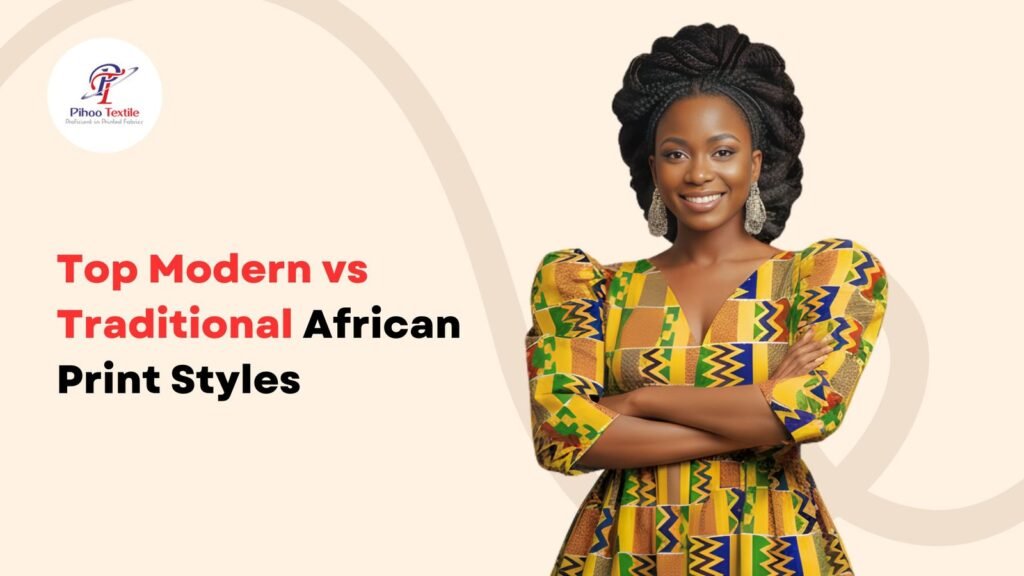
Step into any bustling market in Lagos or Accra, and you’ll witness a riot of color—fabrics so bold they command attention, patterns so intricate they whisper stories of lineage, status, and aspiration. African prints, often called Ankara or wax prints, are not just textiles; they are the living, breathing pulse of a continent’s creativity. Their journey is one of resilience, innovation, and cultural pride, weaving together centuries-old traditions with cutting-edge modernity. The story of African prints is as layered as the fabrics themselves. What began as hand-painted or block-printed cloths traded along ancient routes evolved dramatically with the arrival of European traders in the 17th century. These traders initially imported Indian and European textiles, but by the mid-19th century, Dutch textile manufacturers revolutionized the African textile world with wax-resist dyeing—a technique that “allows for the creation of complex multi-colored patterns on cotton fabric.” This innovation birthed the contemporary African prints we know today, their vibrant patterns now synonymous with African identity across the globe. Yet, to truly appreciate the breadth of African print styles, one must look beyond the surface. Each print, whether centuries-old or hot off a digital printer, is a testament to the continent’s ingenuity and its ability to adapt, reimagine, and inspire. Foundations of Traditional African Prints: Origins, Techniques, and Symbolism Traditional African prints are the original storytellers of the textile world. Take kente cloth, for instance—a hand-woven masterpiece from Ghana, whose origins trace back to the Ashanti Kingdom. The legend goes that the first kente weaver, Karaban, learned the art from a spider spinning its web, translating nature’s engineering into a fabric that became “highly prized among the Ashanti people.” Each kente pattern is a code, communicating messages about social status, political power, and cultural identity. But kente is just one chapter in Africa’s textile saga. In Mali, Bogolanfini, or mud cloth, is crafted through a communal process where men weave and women dye, using fermented mud to create patterns that “tell stories, share wisdom, or commemorate historical events.” The fabric is more than an object—it’s “a living testament to the rich history and cultural heritage of the Malian people.” Move south to Nigeria, and you’ll find Adire, the Yoruba tie-and-dye tradition. Here, artisans employ time-intensive techniques like Adire Eleko (starch-resist), Adire Oniko (tie-dye), and Adire Alabere (stitch-resist), all using locally woven cotton and natural indigo dyes. Each method produces distinct geometric or freeform patterns, often imbued with spiritual or symbolic meaning. What ties these traditions together is not just technical mastery, but a deep material knowledge—of natural dyes, plant sources, and the intricate symbolism behind every motif. As one expert puts it, “African fabric patterns carry complex social and cultural meanings. Traditional designs often communicate specific messages about status, identity, and cultural values.” The Rise of Modern African Prints: Innovation Meets Heritage Skimmable Section Digital Printing and Global Influence: Modern African prints are no longer confined to hand-dyeing or weaving. Digital printing has exploded, allowing for even more intricate patterns and color combinations. Designers like Stella Jean and Lisa Folawiyo have catapulted African aesthetics onto global runways, blending traditional motifs with contemporary silhouettes. Sustainability and Tech-Infused Textiles: Eco-friendly dyes and sustainable production methods are gaining traction, reflecting a global shift toward ethical fashion. Some brands now use recycled fibers or organic cotton, appealing to environmentally conscious consumers. Fusion of Function and Fashion: Today’s African print garments are as likely to appear in a boardroom as they are at a wedding. Tailored Ankara blazers, Kente print bomber jackets, and Dashiki-inspired streetwear are redefining what it means to “dress African.” As one fashion writer notes, “Mixing African textiles with western designs is now a common trend,” with celebrities like Rihanna donning African-inspired couture on international stages. Versatility and Gender Fluidity: Modern designers are breaking boundaries with gender-neutral designs and versatile pieces, from wrap dresses to shirt dresses, making African prints accessible and relevant for a new generation. Comparative Analysis: Design Elements, Fabric Types, and Usage Feature Traditional African Prints Modern African Prints Techniques Hand-weaving, resist dyeing, block printing Digital printing, machine weaving, hybrid methods Materials Locally sourced cotton, natural dyes Organic/recycled cotton, synthetic blends, eco-friendly dyes Patterns & Symbolism Deeply symbolic, region-specific Mix of traditional motifs and new, abstract designs Usage Ceremonial attire, storytelling, social status Everyday wear, global fashion, casual and formal Color Palette Earthy, indigo, gold, red, black Neon, pastel, metallic, expanded spectrum Garment Types Robes, wraps, headscarves, tunics Blazers, jumpsuits, rompers, streetwear Traditional prints are painstakingly crafted, with every motif carrying layers of meaning—think of the geometric adinkra symbols of Ghana or the story-laden mud cloth of Mali. Modern prints, meanwhile, often remix these motifs, using digital tools to scale, rotate, and recolor them for contemporary tastes. This blend of old and new ensures African prints remain both rooted and relevant. Cultural Continuity and Fashion Fusion: How Modern Designs Honor Tradition The rise of modern African fashion is not a rejection of tradition, but a celebration of it. Designers are “reinventing traditional techniques for modern tastes,” creating a dynamic dialogue between heritage and innovation. For example, Ankara fabric—once reserved for ceremonial dresses—is now seen in tailored suits, off-shoulder gowns, and even accessories like bags and shoes. This fusion is not accidental. As one designer explains, “Modern African print dresses allow women to celebrate their cultural identity while embracing current fashion trends.” By incorporating traditional fabrics into contemporary cuts, designers ensure that each piece honors its origins while speaking to the present. Brands like Maki Oh and Lisa Folawiyo have mastered this balance, producing collections that are both globally relevant and deeply African. Their work demonstrates that tradition and modernity are not opposites, but partners in creativity. Market Trends and Consumer Preferences: The Business of African Prints The African print market is booming, fueled by a potent mix of diaspora pride, celebrity endorsements, and a global appetite for authenticity. In 2024, the African textile industry was valued at over $31 billion, with exports rising steadily as more consumers seek out “clothing with a story.”

Leading Manufacturer of Wax Print Fabrics: Discover Pihoo Textile's Unique Designs
Uncategorized

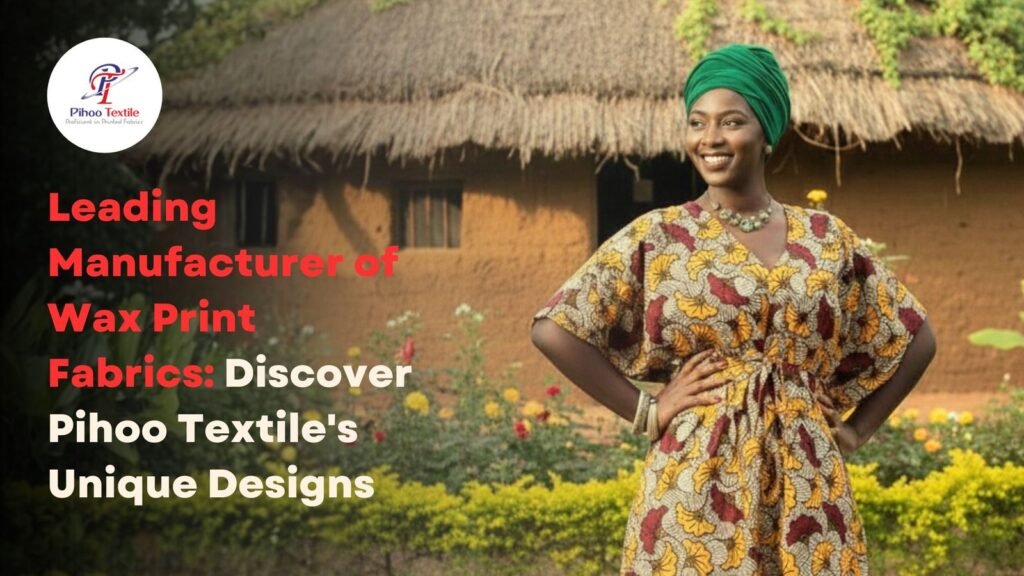
Leading Manufacturer of Wax Print Fabrics: Discover Pihoo Textile’s Unique Designs

Within the vibrant world of textile manufacturing, few products capture cultural fusion and artistic expression quite like African wax print fabrics. These bold, story-telling textiles have transcended their complex origins to become not just fashion statements but repositories of history, identity and commercial opportunity. At the forefront of this fascinating industry stands Pihoo Textile, an Indian manufacturer whose expertise in creating authentic wax prints has earned them global recognition. Their journey represents the perfect intersection of traditional craftsmanship and modern entrepreneurial vision – precisely what makes them worth exploring for any aspiring business owner in the textile space. Introduction: The Global Allure of Wax Print and the Pihoo Perspective The vivid patterns and bold colors of African wax print fabrics have evolved from cultural signifiers to global fashion statements, appearing on international runways and in wardrobes worldwide. These fabrics tell stories through their patterns, communicate status through their quality, and connect continents through their history. What makes these textiles particularly fascinating is their journey – originating not in Africa as many assume, but through a complex cross-continental evolution that speaks to global trade, colonialism, and cultural adaptation. Amidst this rich landscape stands Pihoo Textile, established in 2018 in Jetpur, Gujarat, as a manufacturer, exporter and supplier specializing in African print fabrics and ready-made garments. Under the leadership of Mr. Pintu Patel, this relatively young company brings 20 years of experience from its previous incarnation as Geneva Textile Printry, now reborn with new technology and vision while maintaining deep roots in textile craftsmanship. Their annual turnover of 1.5-5 Cr rupees speaks to their growing market position, while their focused team of 11-25 employees ensures quality control across their diverse fabric offerings. Origins and Evolution: Tracing the Cultural and Artistic Legacy of Wax Print Fabrics The story of wax print fabrics begins far from the African continent where they’ve become cultural icons. The technique originated in Indonesia as batik – an ancient resist-dyeing method where artisans applied hot liquid wax to cloth using specialized tools to create intricate designs. When the Dutch colonized Indonesia in the 19th century, European merchants saw commercial potential in mechanizing this labor-intensive process, developing industrial methods to mass-produce these distinctive fabrics. Around the 1850s, Dutch merchants began using block printing machines and enormous engraved copper rollers to apply waxy resin to cotton fabric, creating a resist-dye effect that mimicked handmade batik. The original plan was to sell these mass-produced imitations back to Indonesian consumers, but ironically, the machine-made versions weren’t embraced by Indonesians who preferred their traditionally handcrafted batiks. What began as a commercial failure found unexpected success when Dutch traders introduced these fabrics to West African markets. Cotton has been woven in Africa since the sixth century AD, with natural dye printing techniques established for centuries. Yet these new industrially-produced wax prints captivated West African consumers, who embraced the fabrics and began incorporating them into local fashion traditions. Over time, these textiles became so thoroughly integrated into African cultures that they’re now considered quintessentially African despite their Indonesian-Dutch origins. The Pihoo Philosophy: Where Artistry Meets Industrial Precision Pihoo Textile operates on a fundamental belief that manufacturing excellence must be balanced with artistic sensitivity. “We come with new name and new technology,” their company profile states, highlighting their commitment to innovation while respecting tradition. This balance is precisely what distinguishes truly exceptional wax print production from mere commodity manufacturing. Located in Jetpur, a city with a rich textile heritage, Pihoo brings together “experienced educated employees” with “new technologically machinery” to deliver “best quality products” to their clients. This combination of human expertise and technological advancement creates the foundation for their production philosophy. While maintaining efficient industrial production methods, they understand that wax print fabrics must retain the artistic qualities and cultural resonance that make them special. The company’s product range reflects this dual commitment. From traditional Kente Prints and Khanga fabrics to innovative Wax with Lace Fabrics and specialized promotional designs, Pihoo demonstrates versatility while maintaining quality standards. Their approach represents a contemporary interpretation of a centuries-old craft tradition, where industrial production doesn’t diminish artistic value but rather expands its reach and accessibility. Design Distinction: What Makes Pihoo’s Wax Prints Visually and Emotionally Unforgettable The distinctive visual language of Pihoo’s fabrics stems from their deep understanding of wax print traditions combined with contemporary design sensibilities. Their fabrics feature the hallmark characteristics that have made African wax prints beloved worldwide: vibrant colors, intricate patterns, and the distinctive “cracked” effect that results from the wax-resist dyeing process. Pihoo’s product catalog showcases this diversity with offerings including African Kente Print (the most popular design fabric in West and South Africa), African Khanga Wax Print Fabric (used for making cloth), and innovative combinations like African Wax with Lace Fabrics – described as “one of the bestselling products”. Their expertise extends beyond fabric to finished products, with African Dashiki Shirts and Printed Kaftan Deera among their manufactured garments. What truly distinguishes Pihoo’s designs is their cultural sensitivity paired with commercial awareness. They develop “garment design specially developed by targeted countries and communities,” demonstrating an understanding that these fabrics serve not just as materials but as expressions of identity. Additionally, they create “special promotional design like special function designs, election design, event design, women day design and many more,” showing their adaptability to specific market needs. Inside the Studio: From Concept Sketch to Fabric Roll-A Journey of Craftsmanship The 27-Step Process Behind Every Yard The creation of quality wax print fabric represents one of textile manufacturing’s most complex processes, involving approximately 27 distinct steps from conception to completion. While each manufacturer develops proprietary variations, Pihoo follows the essential wax-resist dyeing methodology that has defined these fabrics for generations. The journey begins with design conceptualization, where artists create patterns that balance traditional motifs with contemporary appeal. These designs are then transformed into digital CAD files to ensure perfect sizing and repeat patterns. Before full production begins, a critical “strike off” (S/O) phase occurs where small pattern samples are created for color approval and

Top 10 African Print Fashion Trends for 2025
Uncategorized

Top 10 African Print Fashion Trends for 2025

African print fashion continues to expand beyond geography. It is influencing global retail, digital platforms, and independent designers at the same time. In 2025, the direction is clear: heritage remains strong, but innovation is moving fast. Below are the ten trends shaping how African print fashion is being designed, sold, and worn this year. 1. Sustainable and Ethical Production Sustainability is becoming operational, not optional. More brands are working with organic cotton, low-impact dyes, and waste-reduction cutting techniques. Upcycling older Ankara stock into new garments is gaining traction, especially for capsule collections. Consumers are asking where fabric comes from, how it is dyed, and who made it. Transparency is becoming part of product value. 2. Afro-Futurist Print Direction Designers are blending traditional symbols with futuristic themes. Classic motifs are being reinterpreted with metallic tones, glow effects, and digital pattern layering. The look combines cultural memory with speculative design. This direction appeals to younger consumers who want identity expressed in a forward-looking way. 3. Stronger Presence on Global Runways African prints are appearing more consistently in international fashion markets. Instead of being treated as novelty elements, they are integrated into structured tailoring, luxury ready-to-wear, and premium accessories. Cross-border collaborations and digital fashion drops are expanding global visibility. Online platforms make it easier for independent designers to sell directly to international buyers. 4. Bold Maximalism Minimalism is giving way to layered styling and high-impact looks. Oversized sleeves, dramatic headpieces, mixed prints, and multi-layer garments are trending. African prints naturally support this direction because of their strong visual rhythm. Accessories are becoming larger and more sculptural to match the energy of the garments. 5. Digital-Driven Design and Sales Social platforms are shaping demand quickly. Short-form video tutorials, styling challenges, and influencer-led drops are accelerating how trends spread. Designers are also using digital tools to generate new pattern ideas or preview collections before production. Online commerce tied to social media continues to drive direct sales growth. 6. Affordable Luxury Positioning There is a shift away from positioning African print as low-cost fashion. Many brands are presenting Ankara and related textiles as premium products with careful finishing and structured tailoring. Consumers are willing to pay more when craftsmanship, fit, and fabric weight justify the price. Payment flexibility and direct-to-consumer models are helping expand access. 7. Cultural Fusion in Everyday Wear African prints are moving into daily office and casual wardrobes. Structured blazers, tailored trousers, and modern dresses in wax prints are becoming common. Designers are balancing bold fabric with practical silhouettes so prints can fit into professional environments without losing identity. 8. Technology Integration Technology is entering both design and fabric development. Digital pattern mapping, AI-assisted design drafts, and small-batch on-demand printing are becoming more common. Some brands are experimenting with performance finishes, temperature-regulating fabrics, and digitally embedded product tracking. The focus is on blending traditional aesthetics with modern textile engineering. 9. Collaborative Networks Independent designers are forming collectives to share production resources and protect design rights. Collaboration between textile producers, fashion designers, and digital developers is increasing. Shared production systems help manage cost while preserving creative control. 10. Heritage Revival with Modern Structure Designers are revisiting traditional techniques and adapting them for modern silhouettes. Historic motifs are being resized, recolored, or layered into contemporary cuts. The goal is not to freeze heritage but to reinterpret it in ways that feel current and commercially viable. Closing African print fashion in 2025 is defined by balance. It balances heritage with experimentation, craft with technology, and local identity with global reach. For brands and entrepreneurs, the opportunity lies in understanding both the cultural weight of the fabric and the commercial systems that support it. Those who respect both sides will build collections that feel relevant, durable, and forward-looking.

Scroll to Top