
Pihoo Textile is an Exporter of Fabrics in whole African countries and also supplies to exporters and local market. Our Printing quality is suitable for African culture.
© 2026 Created by IndiaFinds

African Printed Fabrics

African Fabric Printing for Indian Markets
African Printed Fabrics

African Fabric Printing for Indian Markets

Are you bored of the same old patterns and styles in your wardrobe? Contemporary fashion can often feel monotonous, with limited options that fail to express your individuality. You need a new fashion philosophy that makes your outfit more colorful and carries rich cultural stories and traditions. Enter African fabric prints. As the interest in ethnic fashion grows in India, African fabrics offer an exciting opportunity to embrace diversity while standing out. At Pihoo Textiles, we invite you to explore this captivating fusion of cultures and discover how these exquisite prints can transform your style into a bold statement of identity and creativity. The Allure of African Fabrics Cultural Significance African fabrics are more than just materials; they are powerful narratives that convey the continent’s rich cultural heritage. Each piece tells a story, often embedded with symbols that reflect social status, political authority, and community identity. For instance, Kente cloth from Ghana is not merely a beautiful textile; it embodies the history and philosophy of the Asante people, with each color and pattern carrying deep meanings related to wealth, purity, and social values. Commemorative textiles also play a crucial role in shaping cultural identity. They serve as tools for memory and commemoration, preserving collective histories and fostering a sense of belonging among communities. These fabrics are often used during significant events to honor leaders and celebrate cultural milestones, reinforcing social ties and continuity across generations. Diverse Techniques Behind every African fabric printing is a culture it represents, that’s unique in itself. Techniques such as batik, wax printing, and block printing make unique textures and patterns that are impressive to the eye. For example, wax prints—originally inspired by Indonesian batiks—have become synonymous with African fashion due to their vibrant colors and intricate designs. These printing methods not only enhance the aesthetic appeal but also reflect traditional craftsmanship that has been passed down through generations. The lightness of these materials makes them ideal for warm climates while allowing for creative expression through bold designs. The Market Potential in India Growing Interest in Ethnic Fashion Ethnic wear with diversity has gained popularity with Indian consumers in the past couple of years. African fabrics are very suitable for that trend because of their bright colors and unusual patterns. Since more and more Indian women are embracing ethnic yet fashionable styles that merge tradition and modernity, African prints provide an exciting outlet for self-expression. These patterns are gaining popularity because the African prints are now merging with Indian silhouettes. Designers are gradually using these fabrics for designing modern outfits like dresses, skirts, and even accessories. This cross-cultural exchange brings a lot of diversity in the fashion world and satisfies a broad audience. Target Audience Understanding the preferences of our target audience is very important in the effective marketing of African fabrics in India. There is a desire for people to have clothing that best represents them while honoring their cultural background. Unique, telling, or communicating garments are most appreciated, so African fabrics are ideal for this kind of audience. In addition, sustainability is an emerging focus for fashion choices and, therefore, many consumers are attracted to the eco-friendly practices associated with traditional African textile production. They celebrate artistry while supporting sustainable fashion practices rooted in local craftsmanship by choosing these fabrics. Pihoo Textiles’ Role in Bridging Cultures Company Overview Pihoo Textiles, a company based in Jetpur, Gujarat, is a prime manufacturer of top-quality African print fabric. It is one of the first companies that utilize advance printing technology along with a traditional approach to infuse authentic designs resonating with both African heritage and Indian aesthetics. We have been exporting our fabrics throughout many African nations for more than ten years, thereby becoming a respected supplier of vibrant textiles, which suit many markets. Our products include cotton fabrics for casual wear and others that are richly produced for special occasions. Product Offerings Our African print fabrics are vast and diverse in their variety. They are, therefore designed to help cater to changing tastes among our customers. It includes light cotton fabrics suited for summer dresses and the heavier material designed for use in winter. Thus, we provide versatility without sacrificing style or quality. We also offer custom-made clothing so that each of our customers can have tailored pieces based on their requirements. Personalization has taken a step forward where every dress can be fitted perfectly as well as reflect the identity of the wearer. How to Incorporate African Fabrics into Your Wardrobe Styling Tips Incorporating African prints into your wardrobe can be both fun and rewarding. Here are some styling tips to help you embrace these vibrant textiles: African Print Tops: Pair an Ankara print top with high-waisted jeans or a pencil skirt for a chic look suitable for both casual outings and office wear. Maxi Dresses: An Ankara maxi dress can serve as a statement piece at any event. Keep accessories minimal to let the fabric shine while pairing it with neutral shoes. Skirts: An A-line skirt made from African fabric can be dressed up with an elegant blouse or dressed down with a simple t-shirt for versatility. Kimonos: An African print kimono adds flair to any outfit—layer it over jeans or shorts for a stylish summer look or over a dress for added warmth during cooler evenings. These combinations not only highlight the beauty of African textiles but also make them accessible within your existing wardrobe. Sustainability Aspect Sustainability is at the forefront of modern fashion discussions. Many traditional African textiles utilize eco-friendly dyes and sustainable materials like organic cotton. By choosing these fabrics, you support environmentally conscious practices while celebrating rich cultural traditions. The concept of Ubuntu, which emphasizes community interconnectedness and responsibility, resonates deeply within many African societies and serves as an inspiring model for sustainable fashion practices globally. Conclusion As we delve into the world of African fabric printing within the Indian market, it is evident that these textiles offer more than aesthetic appeal; they speak of culture, identity, and

How African Fabrics Keep You Cool: Natural Cooling Properties
African Printed Fabrics

How African Fabrics Keep You Cool: Natural Cooling Properties

African fabrics, besides being known for vivid color profiles and customized fabric designs, have a remarkable characteristic of keeping you cool. In a climate like Africa’s, it is a necessity to have fabrics that have natural cooling properties. Not just in Africa, but worldwide, the demand for cooling fabrics is very high, and African fabrics are in high demand for this particular reason. This blog explores how famous African fabrics like Kente cloth, mudcloth, and barkcloth are great at providing both comfort and style. Understanding the Basics of Cooling Fabrics To appreciate more how African fabrics maintain a cool temperature, you need to know how cooling fabrics function. This fabric enhances thermal comfort by promoting air circulation, moisture management, and effective heat dissipation. The mechanisms behind cooling fabrics are many: air permeability allows for ventilation, moisture-wicking properties draw sweat away from the skin, and thermal conductivity helps regulate body temperature. In a study on clothing thermophysiological comfort, researchers highlighted that fabric properties such as evaporative resistance and moisture absorptivity play crucial roles in how textiles interact with the human body. For instance, materials that allow sweat to evaporate quickly can significantly reduce skin temperature and enhance comfort during hot weather.   The Unique Characteristics of African Fabrics African textiles are celebrated for their diversity in materials and cultural significance. The most notable types include Kente cloth from Ghana, mudcloth from Mali, and barkcloth from Uganda. Each fabric is crafted using traditional techniques that have been passed down through generations. Kente cloth is particularly famous; it is handwoven from cotton or silk strips that are sewn together to create stunning patterns. “Kente” comes from the Akan word for “basket,” reflecting its intricate design. Traditionally associated with royalty, Kente cloth is rich in symbolism; each color represents different attributes—gold signifies wealth, green symbolizes growth, and blue stands for harmony. Mudcloth, or bogolan, originates from the Bambara people of Mali. This fabric is made using a labor-intensive process involving dyeing cotton with natural pigments derived from plants and mud. The resulting patterns tell stories about the wearer’s identity and heritage. Notably, mudcloth is eco-friendly, as it avoids harmful chemicals during production. Barkcloth is another unique textile made from the inner bark of trees like the mutuba (Ficus natalensis). It has been used for centuries in Uganda for clothing and ceremonial purposes. Barkcloth is not only durable but also breathable, making it an excellent choice for hot climates.   Natural Cooling Properties of Specific African Fabrics When examining how these fabrics keep wearers cool, we can look closely at their specific properties: Kente Cloth Breathability is one of its standout features. The loose weave allows air to flow freely through the fabric while also absorbing moisture effectively. This combination ensures that sweat evaporates quickly, providing a cooling effect against the skin. Furthermore, its lightweight nature makes it ideal for warm-weather wear. Mudcloth Mudcloth’s unique dyeing process contributes to its cooling properties as well. The natural dyes used in mudcloth allow for a breathable finish that enhances airflow while retaining moisture-wicking capabilities. As sweat evaporates from the surface of the fabric, it cools the skin beneath. Barkcloth Barkcloth excels in thermal regulation due to its natural insulation properties. Although it provides warmth when needed, it also allows excess heat to escape during hotter days. This dual capability makes the barkcloth versatile for various climates.   Comparative Analysis with Other Fabrics When comparing African fabrics with modern synthetic options like polyester or nylon, several differences emerge regarding cooling efficiency. While synthetic fabrics often focus on moisture-wicking capabilities alone, they may lack breathability and can trap heat against the body. For instance, studies have shown that natural fibers like cotton outperform many synthetic blends in terms of air permeability and evaporative cooling efficiency5. Additionally, while synthetic fabrics can be engineered for specific functions like moisture management or thermal insulation, they often do not provide the same level of comfort as natural fibers in extreme heat conditions. Moreover, sustainability plays a critical role in this discussion. Natural fibers used in African textiles are biodegradable and produced with minimal environmental impact compared to many synthetic alternatives that rely on petrochemicals. This aspect not only appeals to eco-conscious consumers but also aligns with a growing trend towards sustainable fashion.   Practical Applications in Everyday Life Incorporating African fabrics into daily wear can significantly enhance comfort during hot weather while celebrating cultural heritage. Kente cloth shirts or dresses can be stylish choices for summer events or casual outings. Mudcloth accessories like bags or head wraps add a unique flair while providing breathability. Moreover, these fabrics are increasingly being recognized in contemporary fashion circles. Designers worldwide are drawing inspiration from traditional African fabric patterns and techniques to create modern garments that retain cultural significance without sacrificing comfort. Cultural events also highlight the importance of these textiles. For instance, during weddings or festivals across Africa, Kente cloth is often worn by brides and grooms as a symbol of prosperity and unity. Similarly, mud cloth plays a significant role in traditional ceremonies, where its intricate designs tell stories about ancestry and community values.   Conclusion In summary, African fabrics such as Kente cloth, mudcloth, and barkcloth not only embody rich cultural narratives but also possess remarkable natural cooling properties that make them ideal for warm climates. Their unique characteristics—ranging from breathability to moisture management—allow wearers to stay comfortable while making a bold fashion statement. So next time you’re looking for something stylish yet practical for warmer days ahead, consider reaching for these vibrant pieces steeped in history and culture; they might just be your best bet against the heat.

African Printed Fabrics

Textile Certification: A Complete Guide to Standards & Compliance

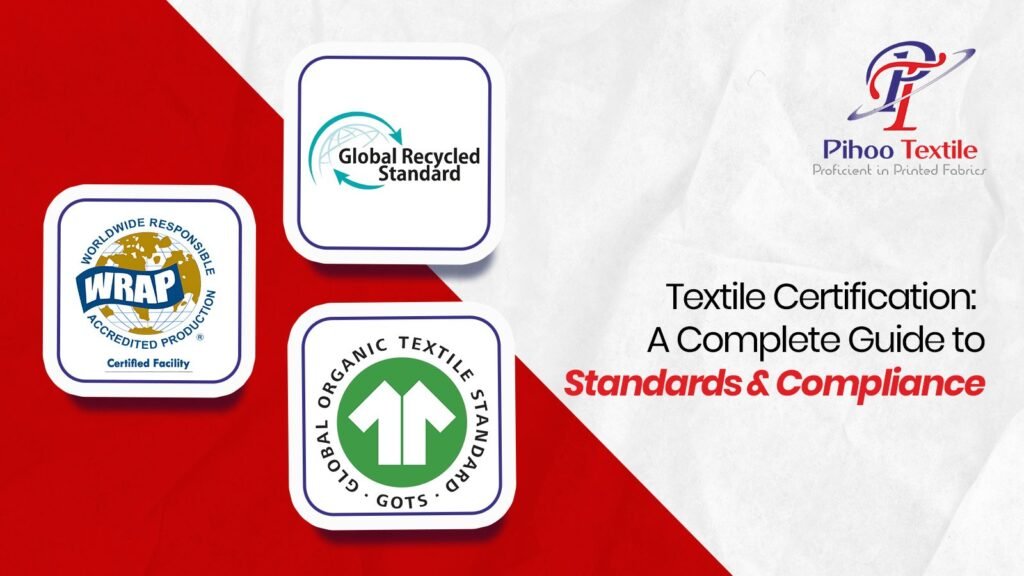
Conscious consumerism is the new form of consumerism that is steering the heads of textile buyers worldwide. The fabric not only should feel good but also support ethical practices and environmental sustainability. As brands strive to top your preferences, it is essential to understand these certifications to make informed choices. But what do these certifications really mean, and how can they impact your purchasing decisions? This blog unravels everything related to textile certifications, exploring their worthiness and advantages that could change the way you view your wardrobe forever. Why Textile Certifications Matter In today’s conscious consumer landscape, textile certifications have become a cornerstone of the textile industry, ensuring that products meet rigorous standards for safety, sustainability, and ethical production. These certifications not only enhance brand reputation but also foster consumer trust and loyalty. As the demand for transparency grows, understanding the significance of textile certifications is crucial for both manufacturers and consumers. They serve multiple purposes:   Ensuring Product Quality: Certifications provide guidelines to maintain consistent quality across textile products.   Compliance with Regulations They help manufacturers adhere to international and local regulations, avoiding legal issues.   Building Consumer Trust Certifications signal to consumers that products meet high standards for safety and sustainability.   Market Access Many markets require specific certifications for textile products, making them essential for international trade.     A Guide to the Most Recognized Textile Certifications Several textile certifications are recognized globally, each addressing different aspects of production and sustainability. Here are some of the most significant: Global Organic Textile Standard (GOTS): This certification is the leading standard for organic textiles, ensuring that products contain at least 70% organic fibers and adhere to strict environmental and social criteria throughout the supply chain.   OEKO-TEX® Standard 100: This certification tests textiles for harmful substances, ensuring that products are safe for human health. It covers all stages of production, from raw materials to finished goods.   Fair Trade Certified™: This certification promotes fair labor practices and sustainable livelihoods, ensuring that workers receive fair compensation and work in safe conditions.   Bluesign®: Focused on sustainable textile production, Bluesign® evaluates the entire supply chain to ensure resource efficiency and reduced environmental impact.   Global Recycle Standard (GRS): This certification focuses on recycled content in products, ensuring compliance with social and environmental criteria throughout the supply chain.   Understanding the Benefits of Textile Certifications The advantages of obtaining textile certifications are manifold:   Enhanced Brand Reputation: Certifications demonstrate a commitment to quality and sustainability, which can significantly enhance a brand’s reputation in the marketplace.   Consumer Confidence: Certified products instill confidence in consumers, leading to increased sales and customer loyalty.   Market Opportunities: Access to new markets that prioritize certified and sustainable products can lead to business growth.   Operational Efficiency: Implementing standards can streamline production processes, improve efficiency, and reduce waste.   Risk Mitigation: Compliance with regulations reduces the risk of legal issues and potential penalties associated with non-compliance.   Environmental Responsibility: Certifications often require adherence to environmentally friendly practices, contributing positively to global sustainability efforts.   How to Identify Certified Fabrics Identifying certified fabrics can be straightforward if you know what to look for:   Check Labels: Look for certification labels such as GOTS or OEKO-TEX on garment labels. These indicate compliance with specific standards.   Research Brands: Investigate brands known for their commitment to sustainability. Many reputable brands will openly share their certification status on their websites.   Examine Product Descriptions: Read product descriptions carefully; certified fabrics, including print fabric, often mention their compliance with specific standards.   Look for Trusted Logos: Certifications often come with recognizable logos that signify adherence to certain standards.     The Process of Textile Certification Obtaining textile certification involves several steps:   Research Standards: Familiarize yourself with the relevant certification standards applicable to your product.   Choose a Certification Body: Select an approved certification body that will conduct an audit of your operations.   Prepare Documentation: Gather necessary documentation regarding your production processes, materials used, and compliance measures.   Undergo an Audit: The certification body will conduct an on-site audit to assess compliance with the relevant standards.   Address Non-Compliances: If any non-compliances are identified during the audit, you will be given a timeline to address these issues before certification is granted.   Receive Certification: Once all requirements are met, you will receive your certification, which can then be used in marketing your products.   Certifications for Specific Fabric Types Different fabric types may require specific certifications based on their composition and intended use:   Organic Cotton: Look for GOTS certification to ensure the cotton is grown without harmful chemicals and adheres to strict environmental standards.   Recycled Fabrics: GRS certification is essential for garments fabrics made from recycled materials, ensuring they meet social and environmental criteria.   Performance Fabrics: Certifications like OEKO-TEX are crucial for performance fabrics used in sportswear or outdoor gear, ensuring they are free from harmful substances while maintaining durability.     The Role of Certifications in Global Trade Textile certifications play a pivotal role in facilitating global trade by ensuring that products meet international safety and quality standards. Many countries have regulations requiring specific certifications before textiles can be imported or sold within their borders. This not only protects consumers but also ensures fair competition among manufacturers who adhere to these standards.   Myths and Misconceptions About Textile Certifications Despite their importance, several myths about textile certifications persist:   Myth 1: All Certifications Are Equal Not all certifications cover the same criteria; some focus solely on environmental impact while others may include social responsibility aspects as well.   Myth 2: Certification Is Only for Large Companies Small businesses can also benefit from certifications; many organizations offer guidance tailored to smaller operations.   Myth 3: Certification Guarantees Quality While certifications indicate adherence to specific standards, they do not guarantee overall product quality; ongoing quality control is still necessary.   The Cost of Getting Certified: Is It Worth It? The cost of obtaining textile certification can vary significantly

African Printed Fabrics

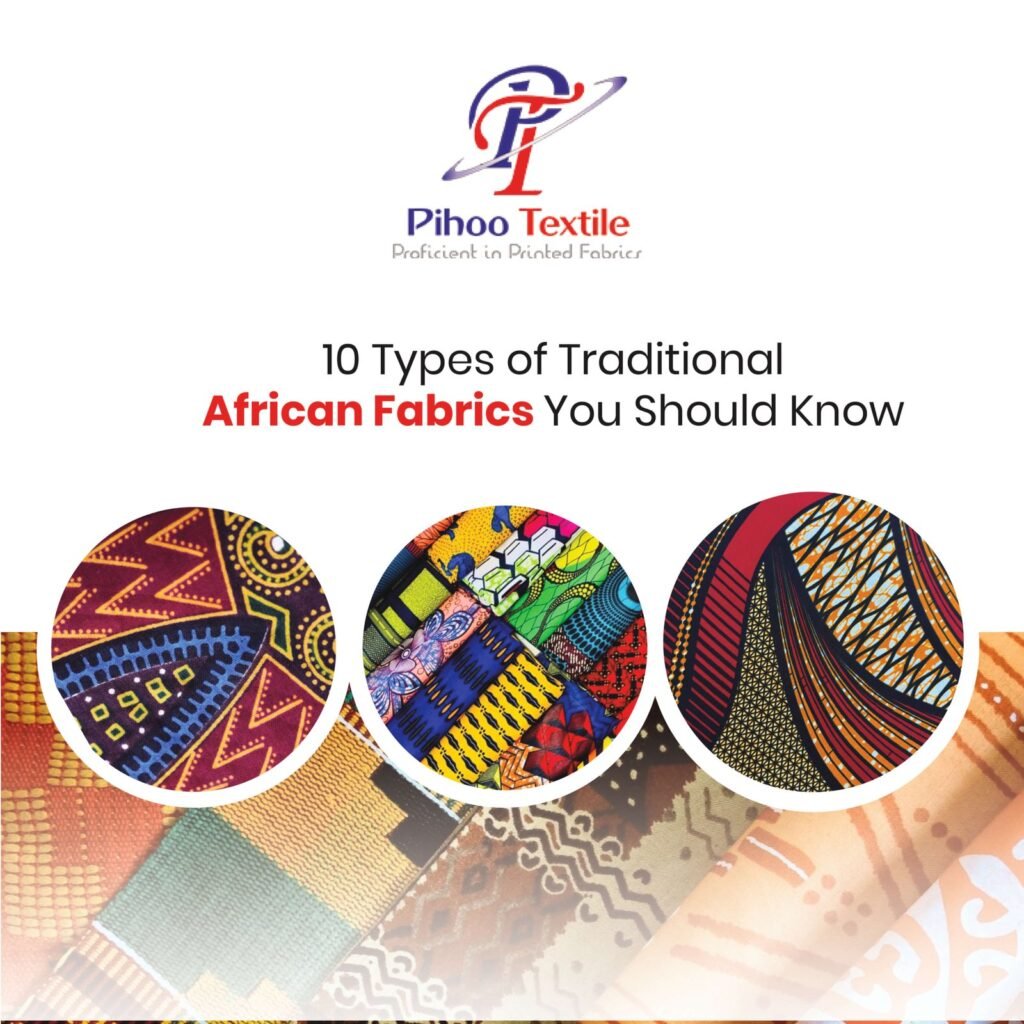
10 Types of Traditional African Fabrics You Should Know

African textiles are the most interesting. They are vibrant tapestries woven with history, culture, and artistry. Each type of fabric carries its own story, reflecting the rich heritage of the continent. In this exploration, we will delve into ten traditional African fabrics that not only highlight the craftsmanship involved but also their significance in cultural identity. Kente Cloth Kente cloth hails from Ghana and is perhaps one of the most recognized African textiles worldwide. Its origins can be traced back to the 11th century, with a rich history deeply intertwined with the Asante Empire. According to legend, Kente was inspired by a spider’s web, discovered by two men who learned the art of weaving from the spider, Ananse. This intricate cloth was initially reserved for royalty and sacred ceremonies, symbolizing wealth and cultural sophistication. The vibrant colors and patterns of Kente cloth are not merely decorative; they hold significant meanings. Each design can represent various proverbs or historical events, making it a form of storytelling. Kente’s intricate patterns and vibrant colors epitomized wealth, status, and cultural sophistication. Today, Kente is worn during important ceremonies and celebrations, maintaining its status as a symbol of pride among the Akan people.   Ankara Fabric Ankara is known for its bright colors and striking patterns. It is an African staple, often referred to as “African print” or “Dutch wax,” since it originated from Indonesian batik techniques that were adapted in Europe before being brought to Africa. The designs are unique, having been created through a wax-resistant dyeing process that allows the colors to be vibrant even after multiple washes. Ankara fabric has developed from traditional wear to modern fashion. It represents the fusion of heritage and modern style. Ankara fabrics carry a lot of symbolism and meaning, enabling people to convey their identity through clothing. It is versatile, making it appropriate for any use from dresses to accessories and thus enjoyed by all ages.   Bogolan (Mud Cloth) Bogolan, or mud cloth, is a product of Mali and is steeped in history and cultural significance. The name itself is derived from the Bambara language, meaning “cloth made with mud.” This fabric dates back to the 12th century and was initially used by hunters for camouflage. However, it has since transformed into a canvas for storytelling. In the creation process, fermented mud is applied to handwoven cotton fabric, making intricate designs that speak of status and narrate stories. Symbols in Bogolan have specific meanings; a zigzag pattern may symbolize life. Each mud cloth piece is a unique work of art which reflects the personal touch of the artisans plus their cultural heritage.   Shweshwe Shweshwe refers to a South African vintage cloth characterized by indigo patterns and history. It was originally referred to as “indigo cloth” and had been imported by the Dutch traders in South Africa during the 18th century. The fabric, therefore, swept many ethnic groups, especially the Xhosas. Shweshwe production techniques include discharge prints that give complicated designs on already pre-dyed fabrics. These fabrics have undergone a transition from their cultural and traditional origins into fashionable clothes worn in modern dress while maintaining cultural significance during festivities and celebrations. According to the analysis of how Shweshwe has influenced South African culture, it is “a proud emblem of South African heritage,” illustrating the nation’s rich cultural heritage.   Batik Batik is an old art form practiced by different cultures, but for its colorful designs and history, it is highly significant in Africa. The term “batik” is of Javanese origin and means “to mark with spots or dots.” It is the method of applying wax to fabric before dyeing and creating patterns. Batik has evolved from its royal roots in Indonesia to become an accessible art form for many artisans across the continent of Africa. It allows for immense creativity as artists experiment with colors and designs. Batik fabrics are often used in clothing and home decor items, making them versatile additions to any wardrobe or space. Isi-Agu Isi-Agu is the traditional Nigerian clothing associated more often with the Igbo people. This intricately textured fabric most times has leopard print designs symbolizing strength and fearlessness. Made from velvet or cotton, this traditional fabric was worn to traditional events such as weddings and festivals. The fabric is a symbol of identity among the Igbo people, and at the same time, it is an attire. Wearing Isi-Agu shows pride in one’s heritage and social standing in the community.   Kikoy Kikoy is a colorful cotton fabric from East Africa’s coastal regions, such as Kenya and Tanzania. Traditionally used as beach wraps or sarongs, Kikoy has bright stripes or checks that reflect the vibrant culture of East Africa. This very versatile fabric can be worn in various ways—draped over shoulders or tied around waists—making it popular among both locals and tourists alike. Kikoy embodies the spirit of relaxation associated with coastal living while showcasing East African craftsmanship.   Barkcloth Barkcloth is a unique textile made from tree bark, primarily found in Uganda. Historically significant for its use among various ethnic groups, this soft yet durable material was traditionally used for clothing and ceremonial items. The process of creating barkcloth involves stripping bark from trees like the Mutuba tree and soaking it until soft before beating it into sheets. This labor-intensive method reflects deep respect for nature and showcases sustainable practices within Ugandan culture.   Kitenge Kitenge is another popular fabric found predominantly in East Africa (Tanzania and Kenya). Similar to Ankara but typically featuring more elaborate designs, Kitenge is often used for casual wear as well as formal attire. This brightly colored cotton material allows individuals to express their creativity through fashion while maintaining cultural ties through traditional motifs. Kitenge fabrics are often gifted during special occasions such as weddings or births, symbolizing love and celebration within communities.   Faso Dan Fani Faso Dan Fani is a handwoven textile from Burkina Faso that embodies national pride. Often made from locally grown cotton, this colorful fabric features

African Printed Fabrics

17 Types Of Finish In African Fabrics

By the 5th century CE, North Sudan was producing sturdy cotton cloth. Around the same time, Egypt’s 18th Dynasty witnessed significant advancements in looms, enabling the creation of more intricate designs. In West Africa, strip weaving emerged as a dominant technique. The Tellem people of Mali are credited with perfecting this craft, which involves sewing narrow strips of fabric together to form intricate patterns. This technique spread across West Africa, reaching countries like Ghana and Nigeria, where it remains a vital part of African textile production today.   Colonization and globalization introduced new materials and techniques, but many traditional practices remain. This resilience highlights the enduring importance of textiles in African societies. African fabric is more than vibrant colors and patterns—it’s deeply meaningful. Kente cloth embodies heritage, while mud cloth reflects traditions rooted in the earth. These fabrics carry stories of the past, woven by artisans whose craftsmanship is passed down through generations. This is visible in the diversity of finishes, as each generation adds its own touch. This article delves deeper into the fascinating world of African fabric finishes, examining their defining characteristics and the cultural significance behind them.   The 17 Types of Finish in African Fabrics Kente Cloth Kente cloth is perhaps the most recognized African fabric worldwide. Originating from Ghana’s Akan people, it features vibrant colors arranged in complex patterns made through strip weaving. Traditionally worn by royalty, Kente symbolizes cultural pride and identity. Adire Adire is a traditional Yoruba fabric from Nigeria known for its indigo dyeing techniques. Patterns are created using resist-dyeing methods similar to batik, resulting in stunning blue-and-white designs that reflect cultural heritage. Bogolan (Mud Cloth) Originating from Mali’s Bambara people, Bogolan is made from cotton dyed with mud and plant-based dyes. The intricate patterns can take days to create and often carry historical significance. Shweshwe This printed fabric hails from South Africa and is characterized by its intricate geometric patterns in vibrant colors. Originally imported from Europe, it has become a staple locally. Kikoy Kikoy is a versatile cotton fabric traditionally worn by East African men as a wraparound garment but has evolved into various uses, including beachwear and home décor items. Aso Oke Aso Oke is a handwoven textile from Nigeria’s Yoruba people known for its rich colors and elaborate designs used primarily in ceremonial attire. Ankara (African Print) Often referred to as “African wax print,” Ankara features bold patterns created through a wax-resist dyeing process similar to batik but produced on a larger scale for global markets. Batik Batik fabrics are made using wax-resist dyeing techniques prevalent across many African cultures, particularly among the Yoruba people in Nigeria. Bark Cloth Bark cloth is made from the inner bark of trees and has ceremonial significance in various cultures across Central Africa, particularly among the Baganda people in Uganda. Raphia Weaving Raphia fibers from palm trees are woven into various items including skirts and hats. This technique is prevalent in Central Africa due to the abundance of raphia palms. Faso Dan Fani Produced in Burkina Faso by the Marka people, this handwoven cotton fabric features stripes that convey proverbs or messages through their arrangement. Adinkra Fabric Adinkra fabrics incorporate symbols representing concepts or aphorisms from Ghanaian culture, often used for ceremonial clothing. Soga Cloth Soga cloth is characterized by its colorful patterns made using traditional weaving techniques found primarily among certain ethnic groups in Uganda. Togo Cloth Known for its vibrant colors and intricate designs, Togo cloth reflects local traditions while being utilized for both clothing and decorative purposes. Dashiki Prints Dashiki fabrics feature bold prints often associated with West African culture; they have gained global popularity as symbols of cultural pride. Masai Shuka Worn by the Maasai people of Kenya and Tanzania, Shuka is a bright red or checked fabric symbolizing identity and community belonging. Kuba Cloth Originating from the Kuba people in the Democratic Republic of Congo, this raffia-based fabric features elaborate geometric patterns that tell stories about lineage and social status.   Key Characteristics of African Fabrics African fabrics are characterized by their bold colors, intricate patterns, and symbolic meanings. Color symbolism is key; each hue often represents specific cultural values or emotions. For example, in Kente cloth from Ghana, colors like gold symbolize wealth and status, while green represents fertility. Patterns and motifs are equally important. They can depict everything from natural elements to geometric shapes and tell stories about ancestry or community values. The complexity of these designs often requires years of training to master. The texture and feel of African fabrics vary widely depending on the materials used. From the soft cotton of Ankara prints to the coarse texture of mud cloth, each fabric offers a unique tactile experience that enhances its aesthetic appeal.   Contemporary Trends in African Fabrics In recent years, there has been a resurgence of interest in African textiles within global fashion circles. Designers are increasingly incorporating these rich fabrics into their collections, celebrating their unique aesthetics while promoting sustainable practices. The fashion industry has begun recognizing the importance of preserving traditional textile-making techniques amidst mass production challenges. Artists like Nkwo Onwuka advocate for sustainability by utilizing second-hand fabrics to create new pieces that honor cultural heritage while reducing waste. Moreover, contemporary artists are expanding the use of African textiles beyond clothing into home décor items such as table runners, cushion covers, and wall hangings—showcasing their versatility and aesthetic appeal in various contexts.   Conclusion African fabrics are examples of creativity and resilience carried across generations out of cultural pride. Every variety of finish with it carries on its back ancient stories—of which recognition deserves appreciation beyond only their aesthetic beauty. As we delve any further into exploration, whether to fashion or an art form in itself, are an insight of the rich tapestry that stands today as being part of what forms Africa. This way, by embracing these traditions while fostering innovation within sustainable frameworks, we ensure that the legacy of African textiles continues to thrive for future generations

Why Are African Fabrics Attracting Indian Brands
African Printed Fabrics

Why Are African Fabrics Attracting Indian Brands

Among many fashion trends the world is seeing, the one that’s growing rapidly comes from India. Recently, Indian brands have begun selling and importing greater quantities of African fabrics. In 2022-23, the cumulative trade volume between India and Africa reached a total of $243.28 billion, with imports accounting for 51.03% of this trade volume, reflecting India’s increasing demand for African products, including textiles. Is it because of globalization? Is there a cultural narrative that is attracting the younger generation? This blog will explore all of this thoroughly and give you important insights into this exciting collaboration.   Historical Context Of Why Are African Fabrics Attracting Indian Brands The relationship between India and Africa is steeped in history, particularly in the realm of textiles. For centuries, Indian fabrics have found their way into African markets, while African textile products have also influenced Indian designs. The trade routes across the Indian Ocean facilitated not just commerce but also cultural exchanges that shaped the textile identities of both regions. This historical trade highlights the bidirectional migrations of peoples and the co-production of cultures through the fabric. This rich tapestry of shared history has laid the groundwork for contemporary collaborations. The intricate patterns and vibrant colors found in African textiles resonate with India’s own diverse textile heritage, creating a fertile ground for innovation and creativity.   The Appeal of African Fabrics That’s Attracting Indian Brands African fabrics are celebrated for their bold artistic taste and cultural significance. The use of bright colors, elaborate patterns, and unique textures makes these textiles stand out in the global fashion landscape. Fabrics such as Kente from Ghana and Ankara prints from West Africa are not just visually striking; they carry deep cultural meanings and stories that reflect the heritage of their origins. Indian designers are drawn to these fabrics for their uniqueness and the narratives they embody. Incorporating African textiles allows Indian brands to diversify their offerings while paying homage to a rich cultural history. The vibrant designs often evoke a sense of joy and celebration, making them appealing to consumers looking for distinctive fashion statements.   Indian Brands Leading the Charge So many Indian brands are leading this trend, successfully integrating African fabrics into their collections. For instance, some brands are known for celebrating handmade textiles while connecting rural artisans with modern urban markets. By including African-inspired designs in their collections, brands not only enhance their product offerings but also foster employment among artisans. Moreover, collaborations between Indian designers and African artisans are becoming increasingly common. These partnerships not only elevate the aesthetic appeal of the garments but also empower local communities by providing fair wages and sustainable livelihoods. These initiatives show how important ethical fashion is today.   Economic Factors The economic landscape is another driving force behind this trend. As consumers become more aware of sustainability issues and seek unique fashion choices, there is a growing demand for diversity in textile offerings. The fusion of Indian craftsmanship with African fabrics presents an opportunity for brands to cater to this evolving market. Moreover, India’s position as a significant player in the global textile industry enhances its appeal as a sourcing destination for international brands. The combination of skilled craftsmanship and lower production costs makes India an attractive partner for brands looking to incorporate high-quality, African-inspired textiles into their collections. This economic synergy is further supported by initiatives promoting local craftsmanship and sustainability within India’s textile sector. There is an imperative need to expand India’s indigenous sectors internationally while safeguarding its cultural heritage. This aligns perfectly with the growing interest in African textiles as part of a broader strategy to enhance India’s global textile presence.   Sustainability and Ethical Practices Sustainability is key. Many Indian brands are prioritizing eco-friendly practices by sourcing materials responsibly and supporting local artisans through fair trade initiatives. This commitment to sustainability appeals to eco-conscious consumers. Also, brands are using organic cotton which helps the environment. Lastly, using African fabrics in Indian fashion promotes ethical labor and cross-cultural understanding. This way, everyone works together and shares ideas.   Future Prospects Looking ahead, the potential for growth in collaborations between Indian brands and African textiles appears promising. As globalization continues to shape consumer preferences, there is likely to be an increasing appetite for multicultural fashion statements that celebrate diversity. The concurrence between Indian and African design could introduce groundbreaking styles that display a seamless blend of cultural influences, potentially transforming international fashion trends. People are starting to care more about where their material comes from, so they’ll want to buy from brands that are ethical and sustainable. This shift presents an opportunity for Indian brands to become fashion leaders by supporting collaborations that embrace cultural diversity and social responsibility.   Conclusion The embrace of African fabrics by Indian brands marks an exciting chapter in the world of fashion—a chapter defined by creativity, collaboration, and cultural appreciation. By weaving together rich histories and diverse aesthetics, these partnerships not only enhance product offerings but also foster sustainable livelihoods among artisans across both regions. As consumers increasingly seek unique fashion choices that tell stories beyond mere aesthetics, this trend promises to reshape the future of fashion in a way that honors tradition while embracing innovation. By supporting brands that celebrate this cultural fusion, consumers can play an integral role in promoting ethical practices within the industry.   Frequently Asked Questions Are African fabrics more expensive than Indian fabrics, and will this impact the final price for consumers? African fabrics can be more expensive than Indian fabrics due to factors such as production costs, import tariffs, and shipping expenses. This price difference may lead to higher retail prices for consumers purchasing products made from African fabrics compared to those made from locally sourced Indian fabrics. How receptive are Indian consumers to African prints and designs? Indian consumers have shown a growing interest in African prints and designs, particularly among fashion-forward demographics. The vibrant colors and unique patterns of African fabrics appeal to many, leading to a niche

African Printed Fabrics Exporters
African Printed Fabrics

African Printed Fabrics Exporters

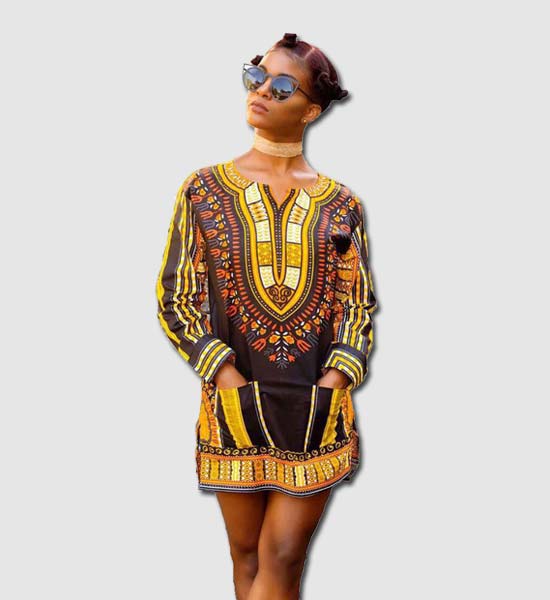
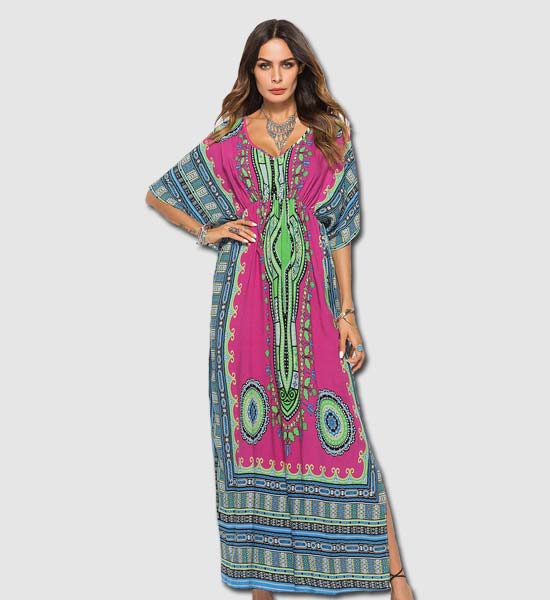
Discover Pihoo Textile, one of the leading African Printed Fabrics Exporters. Explore vibrant Dashiki shirts and elegant Printed Kaftan fabrics, blending traditional African designs with modern flair. Elevate your style with our high-quality, culturally rich textiles, perfect for any occasion. Shop now to add authentic African heritage to your wardrobe!   Elevate Your Style with Pihoo Textile’s African Printed Fabrics African printed fabrics are more than just textiles; they are a vibrant expression of culture, tradition, and identity. At Pihoo Textile, we take pride in being one of the leading African printed fabrics exporters and manufacturers. Our commitment to quality and authenticity has made us a trusted name in the industry, particularly with our Dashiki Shirts and Printed Kaftan fabrics.   The Timeless Appeal of African Printed Fabrics African printed fabrics have long been cherished for their bold patterns, vibrant colours, and rich cultural significance. These fabrics tell stories, represent heritage, and are a symbol of African pride. In fashion, African prints have made a significant impact globally, influencing designers and trends across continents. At Pihoo Textile, we understand the importance of maintaining the authenticity of these fabrics. We use traditional methods combined with modern techniques to create fabrics that honour their origins while appealing to contemporary tastes. Our focus on quality ensures that every piece of fabric we produce is a work of art.   Dashiki Shirts: A Statement of Identity and Style Dashiki shirts are a staple in African fashion, known for their loose fit, elaborate patterns, and bright colours. These shirts have a long history and are deeply rooted in African culture. They are worn to celebrate heritage, express identity, and showcase African pride. Our Dashiki shirts fabric at Pihoo Textile is crafted with precision and care. We use high-quality cotton to ensure comfort and durability, making these shirts perfect for everyday wear or special occasions. The intricate designs are inspired by traditional African motifs, but we also incorporate modern elements to cater to a global audience. The versatility of Dashiki shirts makes them a popular choice for both men and women. Whether you want to make a bold fashion statement or connect with your cultural roots, our Dashiki fabric is the perfect choice. Available in a variety of colours and patterns, these fabrics can be tailored into custom garments that reflect your style.   Printed Kaftan: Elegance Meets Tradition Kaftans are another quintessential piece of African fashion. These long, flowing garments are known for their elegance and comfort. Originally worn by royalty and the elite, kaftans have become a popular choice for women worldwide who appreciate their versatility and grace. Pihoo Textile’s Printed Kaftan fabric is designed to capture the essence of African royalty while offering contemporary appeal. Our fabrics are lightweight and breathable, making them ideal for warm climates. The prints are bold yet sophisticated, with a mix of traditional and modern patterns that cater to diverse tastes. Our kaftan fabrics are perfect for creating elegant outfits for various occasions, from casual gatherings to formal events. The fluidity of the fabric allows for a wide range of designs, from simple, understated dresses to more elaborate, embellished gowns. With our Printed Kaftan fabric, you can create a wardrobe that is both stylish and culturally rich.   Why Choose Pihoo Textile? As a leading exporter and manufacturer of African printed fabrics, Pihoo Textile is dedicated to offering products that meet the highest standards of quality and authenticity. Our fabrics are made using premium materials and advanced production techniques, ensuring that every piece is durable, vibrant, and true to its cultural origins. We understand the importance of sustainability and ethical production practices. That’s why we source our materials responsibly and ensure that our production processes have minimal impact on the environment. When you choose Pihoo Textile, you’re not only getting beautiful, high-quality fabrics but also supporting a company that values integrity and responsibility.   The Global Appeal of African Printed Fabrics African printed fabrics have transcended their cultural origins to become a global fashion phenomenon. Designers and fashion enthusiasts around the world have embraced these fabrics for their uniqueness and versatility. Whether it’s a Dashiki shirt worn as a statement piece or a printed kaftan for an elegant evening out, African prints add a touch of vibrancy and individuality to any wardrobe. At Pihoo Textile, we’re proud to be part of this global movement. Our fabrics are exported to various countries, where they are used by designers, tailors, and fashion houses to create stunning garments. The demand for African prints continues to grow, and we’re committed to meeting that demand with products that are both authentic and innovative.   Conclusion African printed fabrics are more than just materials; they are a celebration of culture, tradition, and identity. At Pihoo Textile, we’re dedicated to preserving the authenticity of these fabrics while also embracing innovation and contemporary design. Whether you’re looking for the bold patterns of our Dashiki shirts or the elegant flow of our Printed Kaftan fabric, we have something for everyone.   Look at our other Real Wax Printed Fabric, Kente Wax Print Fabric. You can find many more designs in our Gallery.

African Printed Fabrics Exporter
African Printed Fabrics

African Printed Fabrics Exporter

Looking for an African Printed Fabrics Exporter? Discover Pihoo Textile, your source for high-quality African printed fabrics. Shop our vibrant Dashiki shirts and elegant printed Kaftans, crafted with eco-friendly dyes and advanced machinery. Perfect for making a bold fashion statement, our fabrics combine tradition and modern style. Explore our collection today and celebrate African heritage.   Discover the Beauty of African Printed Fabrics with Pihoo Textile At Pihoo Textile, we pride ourselves on our exquisite African printed fabrics. We are a leading manufacturer and exporter, offering unique and vibrant textiles. Our collection includes two standout types: Dashiki shirts and printed Kaftans.   Dashiki Shirts Dashiki shirts are more than just clothing; they are a cultural symbol. Originating from West Africa, these shirts feature bold and intricate patterns. They are perfect for making a vibrant fashion statement. We manufacture Dashiki shirts using high-quality fabrics and environment-friendly colours. Our fabrics are available in various designs, ensuring something for everyone. Whether you prefer traditional or contemporary patterns, we have it all. Our Dashiki shirts are not just about looks. They are comfortable and durable, making them suitable for everyday wear. The fabric’s quality ensures that colors remain vibrant even after multiple washes.     Printed Kaftan Printed Kaftans are another highlight of our collection. These garments are popular in West Africa, especially in countries like Tanzania and Kenya. They combine elegance with comfort, making them perfect for any occasion. We offer printed Kaftans in both cotton and polyester fabrics. Our cotton Kaftans range from 120 GSM to 160 GSM, while our polyester Kaftans are between 80 GSM to 130 GSM. This variety ensures you find the perfect fabric for your needs. Our Kaftans feature stunning prints that showcase the beauty of African art. Each design is carefully crafted to reflect the region’s rich cultural heritage. Like our Dashiki shirts, our Kaftans are also made using environment-friendly dyes.   Why Choose Pihoo Textile? At Pihoo Textile, we believe in quality and sustainability. Our manufacturing process incorporates advanced printing machinery and eco-friendly practices. This ensures our products are not only beautiful but also environmentally responsible. We understand the importance of consistency in quality. Each piece of fabric undergoes strict quality control checks to ensure it meets our high standards. This commitment to quality has made us a trusted name in the industry.   Exporting to Global Markets Our African printed fabrics have gained popularity beyond the African continent. We export our Dashiki shirts and printed Kaftans to the UK, and various African countries. Our global reach ensures that our vibrant prints are appreciated worldwide. We have established strong relationships with our international clients. This has helped us understand and meet the diverse needs of different markets. Our fabrics are tailored to suit the preferences of customers from various regions.   Innovation and Tradition Hand in Hand While we embrace modern manufacturing techniques, we also respect traditional methods. Our designs reflect the rich cultural heritage of Africa. This blend of innovation and tradition sets us apart in the textile industry. Our team of skilled artisans brings these designs to life. They use their expertise to ensure each piece is a work of art. The result is a collection of fabrics that are both stylish and culturally significant.   Our Commitment to Customer Satisfaction Customer satisfaction is at the heart of everything we do. We strive to provide high-quality products and exceptional service. Our dedicated customer service team is always ready to assist with any queries. We value feedback from our customers. It helps us improve and innovate. Our continuous efforts to enhance our products and services have earned us a loyal customer base.   Making a Fashion Statement with Pihoo Textile African printed fabrics are a wonderful way to make a fashion statement. They are versatile and can be styled in numerous ways. Whether you are looking for everyday wear or something special, our fabrics are the perfect choice. Our Dashiki shirts and printed Kaftans are ideal for anyone who appreciates vibrant and unique designs. They add a touch of elegance and culture to any wardrobe.   Join the Pihoo Textile Community We invite you to explore our collection of African printed fabrics. Visit our website to browse our range of Dashiki shirts and printed Kaftans. Join the Pihoo Textile community and experience the beauty of African prints. Our fabrics are more than just textiles; they are a celebration of African culture and heritage. We are proud to share this with the world.   Conclusion Pihoo Textile is your go-to source for high-quality African printed fabrics. Our Dashiki shirts and printed Kaftans are crafted with care and attention to detail. We are committed to providing our customers with the best products and service. Explore our Gallery today and discover the vibrant world of African prints. Make a bold fashion statement with Pihoo Textile.   Look at our other Real Wax Printed Fabric, Kente Wax Print Fabric. You can find many more designs in our Gallery.

Dashiki Shirts, Dashiki Shirts for Ladies in India, Dashiki Shirts for Ladies in Gujarat, Dashiki Shirts for Ladies Suppliers, Dashiki Shirts for Ladies Suppliers in India, Dashiki Shirts for Ladies Suppliers in Gujarat, Dashiki Shirts for Ladies Supplier, Dashiki Shirts for Ladies Supplier in India, Dashiki Shirts for Ladies Supplier in Gujarat, Dashiki Shirts for Ladies Manufacturers, Dashiki Shirts for Ladies Manufacturers in India, Dashiki Shirts for Ladies Manufacturers in Gujarat, Dashiki Shirts for Ladies Exporters, Dashiki Shirts for Ladies Exporters in India, Dashiki Shirts for Ladies Exporters in Gujarat, Dashiki Shirts, Dashiki Shirts in India, Dashiki Shirts in Gujarat, Dashiki Shirts Manufacturer, Dashiki Shirts Supplier, Dashiki Shirts Manufacturer in India, Dashiki Shirts Supplier in India, Dashiki Shirts Manufacturer in Gujarat, Dashiki Shirts Supplier in Gujarat, Dashiki Shirts Exporter in Gujarat, Dashiki Shirts Manufacturers, Dashiki Shirts Suppliers, Dashiki Shirts Manufacturers in India, Dashiki Shirts Suppliers in India, Dashiki Shirts Manufacturers in Gujarat, Dashiki Shirts Suppliers in Gujarat, Dashiki Shirts Exporters in India, Dashiki Shirts Exporters in Gujarat, Dashiki Shirts Exporter, Dashiki Shirts Supplier in Gujarat, Dashiki Shirts Exporter in Gujarat, Dashiki Shirts Manufacturers, Dashiki Shirts Manufacturer in India, Dashiki Shirts Manufacturers in India, Dashiki Shirts Suppliers in India, Dashiki Shirts in Gujarat, Dashiki Shirts Manufacturers, African Printed Fabrics Manufacturers, African Wax Prints Suppliers, African Printed Fabrics Suppliers in India, African Wax Prints Manufacturer, African Printed Fabrics Manufacturer, African Wax Prints Manufacturers
African Printed Fabrics

African Printed Fabrics Manufacturer

Looking for an African Printed Fabrics Manufacturer? Discover vibrant African printed fabrics at Pihoo Textile. We offer high-quality Dashiki Shirts and Printed Kaftans, perfect for any occasion. Embrace African culture with our eco-friendly, durable fabrics. Explore our collection today and elevate your style with the elegance of authentic African prints. African printed fabrics have captured the hearts of fashion enthusiasts worldwide. Pihoo Textile, a leading manufacturer and exporter, brings you the best in African prints. Our vibrant Dashiki Shirts and Printed Kaftans are perfect for any occasion.   The Rich Heritage of African Printed Fabrics African printed fabrics are more than just textiles; they are a celebration of culture and history. Each print tells a unique story, representing different regions and traditions. At Pihoo Textile, we honour these traditions by creating fabrics that resonate with authenticity and style.   Pihoo Textile: Your Trusted Fabric Manufacturer At Pihoo Textile, quality and creativity are our cornerstones. We specialize in African printed fabrics, offering a range that includes Dashiki Shirts and Printed Kaftans. Our commitment to excellence ensures that you receive fabrics that are both beautiful and durable.   Dashiki Shirts Dashiki Shirts are iconic pieces in African fashion. They are known for their bold patterns and vibrant colours. Our Dashiki Shirts are made using high-quality materials and eco-friendly dyes. They are perfect for casual wear or special events, allowing you to embrace African culture in style.   Printed Kaftan Printed Kaftans are a staple in African fashion. They are known for their flowing designs and intricate patterns. Our Printed Kaftans are available in both cotton and polyester fabrics, catering to different preferences. These garments are designed for comfort and elegance, making them suitable for various occasions.     Quality and Sustainability: Our Commitment At Pihoo Textile, we prioritize quality and sustainability. Our fabrics are made using state-of-the-art machinery and environmentally friendly processes. We believe in creating products that are not only beautiful but also sustainable. Our commitment to quality ensures that you receive fabrics that last.   Why Choose Pihoo Textile? Choosing Pihoo Textile means choosing quality, authenticity, and sustainability. We offer a wide range of African printed fabrics that cater to different tastes and preferences. Our team of experts ensures that each fabric meets the highest standards of quality.   Customization Options for Unique Creations We understand that every customer has unique needs. That’s why we offer customization options for our fabrics. Whether you need a specific design or color scheme, our team can help bring your vision to life. Our goal is to provide fabrics that are as unique as you are.   Exporting to the World: Our Global Reach Pihoo Textile is proud to serve customers around the world. Our African printed fabrics are exported to the UK and various African countries. We understand the global demand for high-quality African prints, and we strive to meet this demand with excellence.   The Production Process: From Concept to Fabric Our production process is meticulous and thorough. It starts with the concept and design phase, where our team creates unique patterns. These patterns are then printed using high-quality machinery. Finally, the fabrics undergo a quality check to ensure they meet our standards.   Embracing African Culture Through Fashion Fashion is a powerful medium for expressing culture and identity. Our African printed fabrics allow you to embrace and celebrate African culture. Whether you’re wearing a Dashiki Shirt or a Printed Kaftan, you’re making a statement of pride and heritage.   Conclusion Pihoo Textile is your go-to source for high-quality African printed fabrics. Our Dashiki Shirts and Printed Kaftans are perfect for anyone looking to add a touch of African elegance to their wardrobe. Explore our collection today and experience the beauty of African prints.   Look at our other Real Wax Printed Fabric, Kente Wax Print Fabric. You can find many more designs in our Gallery. For more details Contact Us.

Kaftan Fabric by Pihoo Textile: Cotton & Polyester
African Printed Fabrics

African Printed Fabrics

Discover the vibrant essence of Africa with Pihoo Textile’s Dashiki shirts and printed Kaftans. Embrace style and tradition in every piece, expertly crafted to celebrate African heritage. Explore our collection and find your unique style today. Elevate your wardrobe with the beauty of African Printed Fabrics.   African Printed Fabrics: A Tapestry of Culture and Style African printed fabrics are more than just cloth; they are a rich tapestry of cultural expression. Pihoo Textile, a leader in this vibrant industry, crafts fabrics that tell stories. Our speciality? Dashiki shirts and printed Kaftans, each piece a testament to African heritage.   Pihoo Textile: Weaving Excellence into Every Thread At Pihoo Textile, we take pride in our role as a top manufacturer and exporter of African printed fabrics. Our commitment to quality and authenticity stands out in every fabric roll we produce. Our products connect the traditional with the modern, appealing to customers worldwide.   Dashiki Shirts: More Than Just a Trend The Dashiki, with its colourful patterns and loose fit, is iconic in African fashion. Originating from West Africa, these shirts have become symbols of Afrocentric pride and style worldwide. At Pihoo Textile, we craft Dashiki shirts that are not only stylish but also steeped in cultural significance.     Printed Kaftan: Versatility in Vibrant Colors Kaftans are the epitome of versatility. Our printed Kaftans blend functionality with fashion, suitable for both casual and formal occasions. Whether lounging at home or attending a gala, our Kaftans offer comfort without compromising on style.     Unmatched Craftsmanship Every fabric from Pihoo Textile undergoes rigorous processes to ensure the highest quality. Our attention to detail ensures that each Dashiki shirt and Kaftan stands out for its intricate designs and durability. We celebrate traditional techniques while embracing modern technology.   Styling African Printed Garments Styling our African printed garments is easy and fun. Pair a Dashiki shirt with slim jeans for a casual look or with tailored pants for a formal setting. Our Kaftans can be dressed up with the right accessories for an evening out or worn simply for a day at the beach.   Embrace the Beauty of African Prints Visit our Gallery today to explore our exclusive collection of African printed fabrics. Experience the richness of African culture through our meticulously crafted garments. Your next favourite piece awaits.   Look at our other Real Wax Printed Fabric, Kente Wax Print Fabric. You can find many more designs in our Gallery.

Scroll to Top