Pihoo Textile is an Exporter of Fabrics in whole African countries and also supplies to exporters and local market. Our Printing quality is suitable for African culture.
© 2026 Created by IndiaFinds

African Printed Fabrics

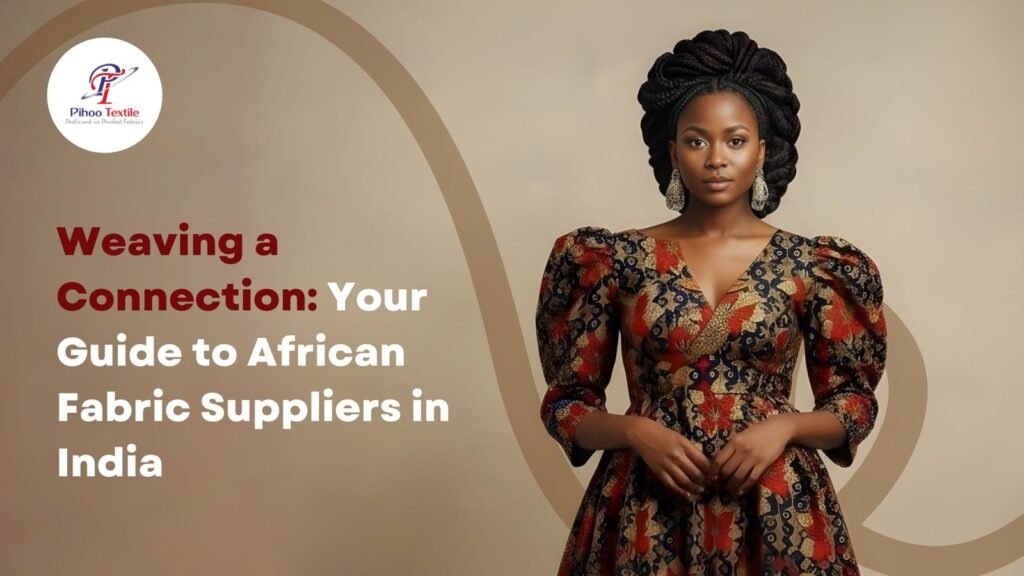
Weaving a Connection: Your Guide to African Fabric Suppliers in India
African Printed Fabrics

Weaving a Connection: Your Guide to African Fabric Suppliers in India

Africa’s vibrant textile heritage has inspired a global wave in fashion and home décor, with Indian designers and consumers embracing the distinctive beauty of African fabrics. But how does one find trusted sources for genuine African textiles in India? In 2025, as demand surges for these artful fabrics, knowing where and how to source real African prints is crucial. This guide details all the best avenues for discovering authentic African fabric suppliers in India, unlocking the doors to creativity, culture, and quality. Online Marketplaces: The Digital Textile Bazaars When it comes to convenience and variety, online marketplaces are unrivaled. Indian platforms like IndiaMART and Justdial feature thousands of listings for African wax prints, Kente, Ankara, Mudcloth, and more. These platforms allow seamless browsing of supplier profiles, reviews, catalogue images, and pricing—right from your home or studio. What makes online marketplaces especially valuable is the ability to filter by location, material, and even minimum order requirement. Many top vendors, including Pihoo Textiles, offer vivid real wax cottons and designer African-inspired cotton blends available for both retail and wholesale. Detailed product photos and customer testimonials mean you can buy with confidence, knowing authenticity and quality are front and center. African Import Stores: Bringing the Continent Closer For those seeking a tactile shopping experience, African import stores in big Indian cities such as Mumbai, Delhi, and Bengaluru are must-visits. These niche stores frequently handpick their inventory directly from African mills and local artists, showcasing a curated selection of fabrics including unique hand-dyed and specialty prints not often found elsewhere. Shopping in-store means you can feel the weight of the cloth, inspect dyework up close, and sometimes even negotiate prices face-to-face. Many storeowners have years of experience and can share stories behind each fabric, adding to the richness of your purchase. If you want that immersive, sensory interaction with Africa’s textile traditions, import stores deliver in spades. Local Textile Markets: The Joy of Discovery India’s famous textile markets are legendary for their vibrant chaos and surprising finds. Cities like Surat, Ahmedabad, or Chennai may not specialize solely in African fabrics, but they often house stalls dedicated to imported prints from across Africa. Here, you stand a good chance of snagging limited edition or custom-designed African cotton, batik, or even specialty blends at competitive rates. Sourcing from local textile markets helps sustain small businesses and offers the added bonus of face-to-face negotiation. For designers and resellers who appreciate the thrill of the hunt, these markets promise discovery and unique inventory. Direct from African Suppliers: Truly Authentic Connections For brands and buyers seeking exclusive, high-volume, or custom-designed African fabrics, it’s possible to connect directly with manufacturers and exporters in Ghana, Nigeria, Ivory Coast, and Mali, typically through business networks or trade shows. This route, though more involved—due to shipping, payment logistics, and customs—ensures access to completely authentic, often artisan-crafted pieces. Direct relationships empower you to commission unique colorways, premium wax prints, or community-driven handmade styles. Plus, buying direct supports African economies and craftspeople, creating a positive ripple effect far beyond fashion. Search Engine Power: Leveraging Google to Source Authentic African Fabrics Never underestimate the impact of a strategic Google search. Typing keywords such as “authentic African fabric supplier India,” “African wax print wholesale India,” or “real wax Kente buy India” instantly brings up dozens of highly ranked results and supplier websites (including Pihoo Textiles). Browsing these links, checking certifications, and reading reviews will help you compile a shortlist of reputable sellers who align with your volume, quality, and style needs. Trade Shows & Textile Fairs: Where East Meets Africa Participating in international trade shows and textile expos is increasingly common for African fabric exporters looking to build their presence in India. Events like Indian Textile Sourcing Week or export-oriented fairs in Mumbai bring together African suppliers, Indian brands, and wholesalers, creating a unique platform for networking and direct purchasing. These global gatherings not only showcase the latest trends in African prints but also foster collaborations and bulk order opportunities. Assessing Authenticity: Tips for Choosing the Right Supplier With so much choice, how do you know if a supplier offers the real deal? Look for: Detailed product descriptions specifying fabric origin, type (wax print, Kente, Mudcloth, etc.), and cotton percentage. Clear, high-quality images showing design crispness and dye vibrancy. Customer reviews and supplier ratings. Transparent business information, including GST/Tax numbers and a physical address. Commitment to fair trade or artisan support (for handcrafted goods). Why Choose Pihoo Textiles as Your Trusted African Fabric Source? At Pihoo Textiles, authenticity, quality, and customer satisfaction come first. We source genuine African designs directly from African mills and offer an extensive catalogue of real wax prints, Kente-inspired blends, Ankara, and much more. Our fabrics undergo rigorous quality checks to ensure vibrant colorfastness, durability, and softness, whether you’re a boutique, designer, or home décor enthusiast. We’re proud to support fair labor practices and sustainable production both in Africa and within our own operations in India, ensuring excellence from loom to outfit. Conclusion: Weaving Culture, Connecting Continents The rising demand for authentic African prints in India signals a powerful fusion of creativity and culture. Whether you’re sourcing for fashion, interiors, or special projects, knowing where to look—and how to verify authenticity—makes all the difference. Discover a world of possibility with Pihoo Textiles, your gateway to Africa’s legendary fabric tradition, right here in India. Ready to transform your creations with the magic of African textiles? Connect with Pihoo Textiles—where every fabric tells a global story.
The Story in the Cloth: Unraveling African Wax Prints
African Printed Fabrics

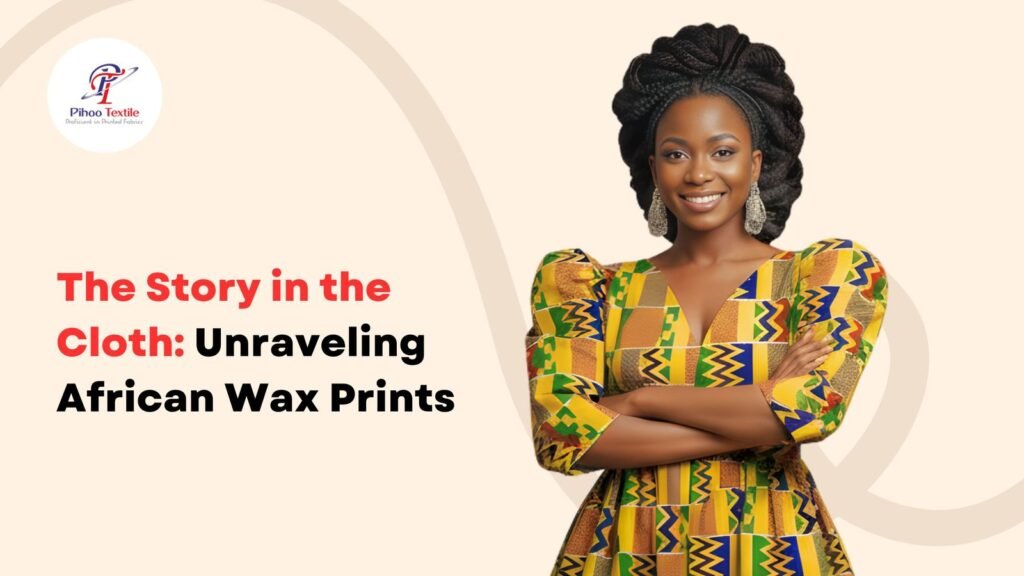
The Story in the Cloth: Unraveling African Wax Prints

African wax prints sit at the intersection of culture and industry. They are widely seen as African, yet their production history moves across continents. The technique traces back to Indonesian batik methods and later industrial printing in Europe before becoming deeply rooted in West and Central African markets. Over time, communities adopted the fabric, renamed patterns, and embedded them into ceremonies, politics, and daily life. What began as trade cloth became identity cloth. For anyone buying or reselling today, this history is not abstract. It affects how the product is positioned, priced, and trusted. At the manufacturing end, wax prints are typically industrial cotton fabrics printed to resemble batik resistant aesthetics. Standard weights often range between 80 and 220 GSM depending on use. The supply chain commonly works in 6-yard and 12-yard piece formats, which shapes cutting, retail packaging, and wholesale calculations. These details matter as much as design. What a Wax Print Actually Is A wax print is a cotton fabric designed to mimic the layered, resist-dyed look of batik. Traditional methods applied resist material to both sides of the cloth before dyeing, which created color visibility on the front and back. That double-sided intensity remains one of the main quality indicators in the category. Modern production includes both full wax-resist styles and surface-printed variations often called fancy prints. Understanding which version you are sourcing affects durability, price, and positioning. Crackle effects, small lines running through blocks of color, are not flaws. They are part of the aesthetic. Historically, cloth was intentionally crinkled during processing to create fine cracks in the resist layer so dye could seep through in controlled patterns. Today, that look is still engineered because customers associate it with authenticity and depth. How the Market Was Built In the late nineteenth century, printed cloth inspired by batik techniques entered West African markets and gained rapid popularity. Traders and distributors played a major role in shaping demand. Pattern names were localized. Certain colorways became linked to events, status, or social messages. Over time, African mills also entered production, adding regional identity to industrial scale. Distribution networks shaped taste. Influential market traders selected which designs would circulate and often renamed them to reflect local meaning. A single print could carry different names in different countries. Those names were not decorative. They signaled mood, occasion, or political commentary. For buyers today, understanding naming culture is commercial strategy, not trivia. The Buyer’s Reality Check Quality is visible when you know what to check. Reverse-side color strength shows whether dye penetrates the fabric properly. The selvedge edge often carries maker or design information and helps verify source consistency. Standard pack sizes are usually six or twelve yards, and ignoring that structure can disrupt costing and cutting plans. Fancy surface prints are legitimate products, but they differ in intensity and price from true wax-resist styles. Positioning them correctly prevents confusion and returns. Authenticity and the Ongoing Debate Wax prints occupy a space between cultural symbol and industrial product. Museums present them as strongly associated with Africa. Artists and scholars continue to debate the meaning of authenticity in a fabric that traveled before it settled. For buyers and brands, this means every sourcing decision signals something. The fabric you choose carries narrative weight along with visual impact. Quality Is a System Premium claims only hold when backed by measurable standards. Consider three linked checks: Origin clarity, where production method is documented; Physical performance, where hand feel, drape, and dye depth confirm quality; and Specification discipline, where GSM, shrinkage tolerance, and colorfastness are tested consistently. Storytelling cannot replace these controls. It can only complement them. Design alone does not guarantee sell-through. Distribution fit, color relevance, and naming logic influence success more than motif creativity. A strong pattern without the right channel will stall. A well-positioned colorway in the correct weight can move quickly. Tactics That Move Product Specify fabric weight based on end use. Mid-weights around 180–200 GSM often support structured apparel. Lighter bases work for flowing garments. Heavier bases or interlinings increase perceived value for accessories or home items. Test shortlisted fabrics under consistent wash and press conditions before committing. Build a receiving process. Verify selvedge information, inspect reverse-side color, conduct wash tests, and review under consistent lighting. Consistency protects margins. Name with intention. Where cultural nicknames exist and are appropriate to use, they strengthen recall. Where they do not, align colorways clearly with occasion or mood. Customers remember meaning more than file numbers. Position fancy prints honestly. Present them as faster fashion options with surface intensity and sharper pricing. Clear positioning builds trust. Closing African wax prints are both cultural objects and commercial goods. They hold history, symbolism, and economic scale in the same weave. For buyers, the work is practical. Verify process. Confirm specifications. Understand naming culture. Align weight and pack size with your plan. We produce African print qualities in 80–220 GSM cotton bases with 6- and 12-yard formats, along with custom developments for trade buyers. The goal is consistency, clarity, and repeatability. In this market, the cloth must justify its story through touch, structure, and performance. When it does, it sells with confidence and stays in rotation longer.

Top African Printed Fabric Wholesalers & Manufacturers in India
African Printed Fabrics

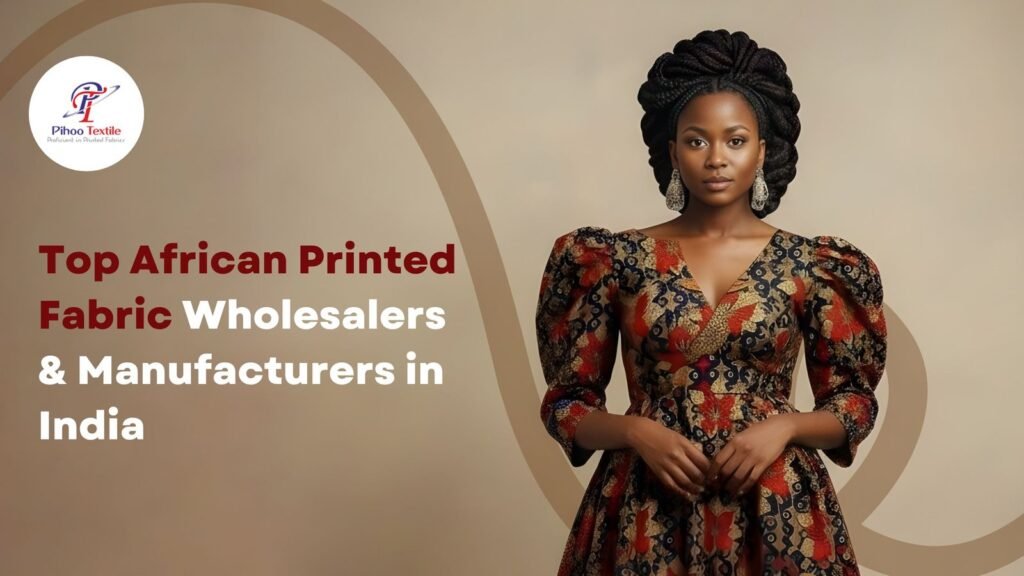
Top African Printed Fabric Wholesalers & Manufacturers in India

Are you searching for reliable African printed fabric wholesalers and manufacturers in India? As the demand for vibrant African prints grows for fashion, decor, and accessories, sourcing authentic, quality fabrics has become a priority for designers, retailers, and creative enthusiasts. This guide from Pihoo Textiles reveals actionable steps, insider tips, and the latest market insights to help you connect with the best African print suppliers in India. Why Choose African-Printed Fabric? African prints are renowned worldwide for their unique motifs, bold colors, and rich cultural heritage. Whether you’re making stylish apparel or statement decor, African-printed fabric instantly adds elegance and diversity. In India, the love for African prints has skyrocketed, with more people integrating these iconic designs into everyday wear and special collections. Cultural Significance: African prints tell stories of history, unity, and celebration. Versatility: Perfect for fashion, home textiles, accessories, and crafts. Quality and Comfort: Premium African cotton fabrics are breathable, durable, and comfortable. Step 1: Digital Research – Find Suppliers Online Begin your search on the internet by using focused keywords such as “African fabric supplier India” and “African printed fabric wholesalers.” Numerous websites, online marketplaces, and B2B portals showcase Indian suppliers offering a range of African prints, including Ankara, Kente, Khanga, Dashiki, and Real Wax fabrics. Compare product catalogs and supplier ratings. Check for detailed fabric descriptions, pricing, and flexible order volumes. Use review platforms to assess previous buyer experiences for authenticity and reliability. Step 2: Consult Trade Directories & Portals Trade directories are goldmines for finding vetted fabric suppliers in India. Leading textile directories provide: Verified supplier profiles with contact details and fabric types. Customer reviews and ratings to judge supplier reliability. Search filters to narrow results to African prints, specific regions, or manufacturer specialties. Make it a priority to cross-check supplier credentials on these platforms before proceeding. Step 3: Explore Local Fabric Stores & Markets No online search beats the tactile experience of seeing and feeling fabric up close. Major urban fabric markets and stores often stock ethnic, global, and specialty prints. Visit textile hubs in cities like Surat, Mumbai, Ahmedabad, and Delhi. Speak with store managers—they may carry African prints or connect you with trusted wholesale sources. Observe the latest fabric trends and what’s in demand among local buyers. Step 4: Attend Textile Fairs & Trade Exhibitions India’s bustling textile industry hosts frequent trade shows, expos, and exhibitions, bringing together manufacturers, wholesalers, and buyers. Find events dedicated to African prints or global textiles. Attend seminars, panel discussions, and networking sessions. Engage with suppliers face-to-face. Ask questions about sourcing, quality control, and export options. Collect samples and marketing materials for comparison. Trade shows can be especially valuable for understanding market rates, minimum order quantities, and trending designs. Step 5: Join Online Textile Communities & Forums Active participation in textile talk forums, WhatsApp groups, and social media communities can reveal hidden gems and honest supplier reviews. Ask experienced members for recommendations. Share sourcing challenges for real-time advice. Network with buyers, designers, and suppliers from across India. Online communities are also great for spotting new suppliers who may not have strong web presence but offer authentic African prints. Step 6: Contact & Sample Requests – Due Diligence Shortlist promising suppliers for direct communication. Email or call to introduce yourself and discuss your needs. Inquire about product range, certifications, prices, and bulk discounts. Request fabric swatches to assess print quality, texture, and color fastness. Ask about custom printing, minimum quantities, turnaround times, and logistics. A genuine supplier will respond promptly, answer queries transparently, and provide professional samples. Step 7: Evaluate Supplier Performance & Build Partnerships Before finalizing a supplier, carefully analyze: Fabric quality: Is it vibrant, durable, and true to African heritage? Pricing: Competitive and transparent. Delivery & support: On-time shipment, shipment tracking, and responsive customer service. References: Positive feedback from previous clients or designers. Establishing a long-term relationship unlocks access to new collections, priority service, and better rates. Consider negotiating annual contracts for steady supply. Step 8: Check for Export Capability & Compliance For brands planning to sell globally, select suppliers with proven export capability and compliance certifications. Export documentation: Verify their ability to ship fabrics internationally. Ethical sourcing: Prefer suppliers who support local artisans and sustainable practices. Certifications: Look for OEKO-TEX, GOTS, or equivalent standards. Spotlight: Pihoo Textiles – Leading African Print Supplier in India Pihoo Textiles stands out as a trusted wholesaler and manufacturer of African-printed fabrics in Rajkot, Gujarat—and supplies nationwide and overseas. Comprehensive Range: Kente, Ankara, Khanga, Real Wax, Dashiki, Kaftan prints, and custom designs. Quality Assurance: Rigorous testing, premium raw materials, and skilled artisans ensure every yard meets world-class standards. Customer Support: Flexible MOQs, tailored solutions for designers and retailers, and guidance for export logistics. Conclusion Finding the best African-printed fabric suppliers in India demands thorough research, networking, and quality assessment. With the right approach—leveraging digital tools, trade shows, local knowledge, and reputable suppliers like Pihoo Textiles—you’ll source authentic, premium fabrics that elevate your brand or creative projects. Explore Pihoo Textiles’ extensive selection and dependable service for all your African print fabric needs. Experience the fusion of culture, craftsmanship, and business reliability—all woven into every yard.

Care & Washing Guide for African Print Fabrics
African Printed Fabrics

Care & Washing Guide for African Print Fabrics

African print fabrics are famous worldwide for their vivid colors, unique motifs, and cultural richness. Whether worn as statement outfits or used in home décor, these exquisite textiles demand thoughtful care to ensure their beauty and longevity. Pihoo Textiles brings you an updated, fact-packed guide for keeping your African prints vibrant wash after wash—so your fabric lasts and tells its story for years to come. Why Special Care Matters for African Print Fabrics? African prints, like Ankara, Kente, Khanga, Kaftan, and Dashiki, are usually crafted from 100% cotton and colored with traditional wax-resist printing methods. This makes them more prone to fading, bleeding, and damage if not treated carefully—so investing in proper care helps retain both color and structure. Pre-Wash Preparation: Setting Your Fabric Up for Success Test for Colorfastness: Before washing a new African print, test by dampening a white cloth and pressing it to the fabric. If color transfers, be sure to wash it separately for the first few washes. Remove Stickers and Labels: Take off all stickers or temporary labels with low-heat ironing before the first wash; adhesives can leave unwanted residue. Choosing the Right Detergent: Keep Colors Bold African print fabrics require mild soap or detergent. Harsh chemicals strip away vibrant dyes and weaken the yarn. Opt for liquid detergents free of strong bleaches and optical brighteners. Avoid bleach and strong stain removers: These products may erode the wax print and affect the texture. Eco-friendly detergents: Plant-based and gentle cleaners are ideal—they’re better for delicate prints and for the planet. Washing Methods: Gentle Is Key Hand Washing for Best Results Hand washing is always preferred. Fill a basin with cool or lukewarm water and add mild detergent. Gently agitate the fabric, being careful not to scrub or wring. Rinse thoroughly until water runs clear. For precious wax prints or in case of large quantities, professional cleaning is an option. Choose an experienced dry cleaner familiar with African wax prints for best results. Machine Washing: Proceed with Caution If you must use a washing machine: Turn the garment inside-out. Place it in a mesh laundry bag. Select the gentle cycle and use cold water only. Skip the spin cycle to minimize stress on fibers. Pro Tip: Wash similar colors together. African prints may bleed initially, so separate brights and darks. Avoiding Sun Damage: Drying Techniques Drying African prints correctly is vital. Avoid direct sunlight—the sun’s UV rays fade and weaken the print over time. Air dry in shade or indoors on a flat surface or a hanger. Gently press out excess water with a towel before hanging. For African wax prints: Lay them flat to maintain shape, especially for garments with complex structure. Ironing: Keep Prints Crisp, Don’t Damage Ironing on medium heat is safest. Always iron your African print fabrics on the reverse (wrong) side! This protects colors and the wax finish. For extra protection, use a thin cloth or pressing cloth between the iron and fabric. For clothes with embellishments, steam with care and avoid direct pressure. Storage: Preserving Beauty Long-Term Store African print fabrics in a cool, dry place. Avoid leaving them in direct sunlight, which can degrade both color and cotton fibers. Hanging vs. Folding: Hanging garments in breathable garment bags prevents deep creases. For unused fabric, gently roll instead of folding to avoid permanent lines. Use cedar balls or silica pouches in storage to deter pests and mold. Handling Stains: Gentle Actions Yield Best Results Treat stains quickly: Dab with mild detergent diluted in water. Avoid harsh rubbing; blot gently and rinse. Never use commercial stain removers: These may contain bleach or strong chemicals harmful to prints. Professional Cleaning: When, How, & Why For expensive or irreplaceable wax prints, or when handling large quantities, professional dry cleaning is recommended. Always consult cleaners experienced in African textiles—they will know the best products and techniques. Dos and Don’ts – Cheat Sheet Do’s Don’ts Use mild detergent Don’t bleach or use harsh chemicals Hand wash or gentle cycle Don’t wring, scrub, or spin aggressively Dry in shade or indoors Don’t expose to direct sunlight Iron on reverse at medium heat Don’t iron directly on print side Store in cool, dry, ventilated spaces Don’t leave in damp or sun-exposed areas Pihoo Textiles: Quality African Prints, Lasting Vibrance At Pihoo Textiles, our wax print, Kente, Kaftan, and Dashiki fabrics undergo rigorous quality checks and eco-friendly dyeing techniques to ensure maximum color retention and durability. We also provide pre-washed fabric options designed for easier maintenance. Final Advice: Celebrate and Protect Your Investment Caring for African print fabrics isn’t just about longevity—it’s about respecting the artisans, preserving the cultural art, and ensuring your favorite prints stay radiant. By following these expert tips from Pihoo Textiles, you keep the colors bold, the details crisp, and the stories alive. The next time you wear, wash, or share an African print, do it with pride and knowledge that you’re helping keep a rich tradition thriving. Ready to shop for authentic, vibrant African prints? Discover Pihoo Textiles’ newest collection today!

Best Fabrics for Africa: Climate, Comfort & Traditional Uses
African Printed Fabrics

Best Fabrics for Africa: Climate, Comfort & Traditional Uses

Africa’s fashion landscape is a reflection of its breathtaking geography, vibrant cultures, and storied traditions. The choice of fabric isn’t merely about aesthetics—it’s an interplay of climate, comfort, functionality, and rich heritage. In this guide, Pihoo Textiles unpacks the most popular fabrics in Africa, exploring their unique qualities, traditional significance, and pivotal roles in modern style. Exploring Iconic Traditional African Fabrics Kente Fabric – Ghana’s Cultural Treasure Kente stands as one of Africa’s most cherished textiles. Origin: Handwoven by the Ashanti and Ewe peoples of Ghana. Features: Instantly recognizable for its vivid colors and geometric motifs. Symbolism: Each color and pattern has meaning—black connotes maturity and spirituality, gold represents wealth and royalty, and blue symbolizes harmony. Use: Traditionally reserved for royalty and major ceremonies, today Kente is worn globally as a proud emblem of African heritage. Adire – Nigeria’s Indigo Masterpiece Adire is a remarkable cotton fabric produced by the Yoruba of Nigeria. Technique: Utilizes intricate tie-and-dye methods where sections are tied off before dyeing in natural indigo. Significance: Adire often features patterns representing proverbs, social status, and spiritual beliefs. Each piece acts as a storytelling canvas. Bogolan (Mud Cloth) – Mali’s Artistic Legacy Mud cloth, or bogolan, is a profound symbol of Malian cultural identity. Process: Handwoven cotton is dyed with fermented mud and natural pigments. Patterns: Motifs can indicate historical events, social roles, or protection against evil. Context: Worn in ceremonial contexts and increasingly admired in contemporary fashion. Contemporary Fabrics Enriching African Fashion Ankara (African Wax Print) Ankara, or African wax print, is synonymous with modern African style. Characteristics: Famous for exuberant prints and striking hues, usually created via wax-resist dyeing on cotton. Versatility: Used for dresses, shirts, skirts, and accessories across the continent. Influence: International designers often incorporate Ankara into global runways, blending traditional looks with modern cuts. Lightweight Cotton & Linen – Essential for Africa’s Warm Climate Comfort: Cotton and linen reign supreme for hot climates thanks to their breathability and moisture-wicking properties. Adaptability: Local artisans embellish these fabrics with embroidery, beads, and appliqué for both daily wear and festive occasions. Sustainability: Many African producers now prioritize eco-friendly practices, making these staple fabrics part of the sustainable fashion movement. The Role of Fabrics in African Identity & Ceremonial Life Fabrics as Symbols of Status and Belonging Wedding & Ceremonial Attire: Certain fabrics are exclusively worn for significant life events—such as Kente weddings in Ghana or mud cloth ceremonies in Mali. Festivals & Gatherings: People proudly don textiles that signify their ancestry, status, or region during festivals, ensuring each occasion is a tapestry of color and meaning. Spiritual and Societal Storytelling Patterned Language: Designs and colors in fabrics are used as a language—communicating messages about unity, hope, family, or resistance. Generational Transfer: Fabrics are often handed down as family heirlooms, stitching together generations and memories. Innovations & Sustainability: The Future of African Fabrics Eco-Conscious Production Natural Dyes: Increasing use of plant-based dyes not only enhances color vibrancy but also promotes health and the environment. Waste Reduction: Many textile producers reuse offcuts creatively for patchwork and accessories, minimizing waste. Technology Meets Tradition Digital Printing: Modern technology allows for customized, short-run prints that cater to emerging trends while preserving artisanal roots. Global Reach: E-commerce and export are bringing African fabrics from local markets to fashion lovers worldwide. How to Choose the Best Fabric for Africa’s Climate & Comfort Prioritize Breathability: Opt for cotton, linen, or blends—these handle tropical heat and keep you cool. Look for Authentic Craftsmanship: Seek out fabrics from reputable makers known for traditional methods. Consider Occasion & Tradition: Some occasions call for specific cloth types—wedding? Celebration? Everyday comfort? Choose accordingly. Sustainably Sourced: Supporting eco-friendly practices ensures your purchase benefits both artisans and the environment. The Pihoo Textiles Difference At Pihoo Textiles, our curated selection honours Africa’s textile legacy—from Kente and Ankara to mud cloth and sustainable cotton. We work with artisans and innovative mills to blend heritage with comfort, ensuring every fabric in our collection tells a story and suits the continent’s unique climate needs. Custom Orders: We supply bulk and custom-printed African fabrics tailored for apparel, décor, and design. Global Export: From Africa to the world—Pihoo Textiles is your gateway for authentic and versatile African textiles. Conclusion African fabrics are more than materials—they’re history, artistry, and a celebration of climate-savvy comfort. In choosing the right textile, you not only honor tradition but also embrace the practicalities and beauty of everyday African life. Whether you’re a designer, retailer, or enthusiast, explore the richness of African fabrics with Pihoo Textiles and discover a wardrobe or collection that truly reflects and respects the continent’s enduring spirit. Share your favorite fabric or story in the comments and let’s celebrate the evolving beauty of African textiles together!

The History of African Fabric Prints: A Comprehensive Guide
African Printed Fabrics

The History of African Fabric Prints: A Comprehensive Guide

African fabric prints carry history in every thread. They reflect trade routes, migration, ceremony, and daily life. Their bold colors and layered patterns are not accidental design choices. They are the result of centuries of craft, exchange, and adaptation. To understand African prints today, it helps to trace how they developed, how they moved across regions, and how they continue to evolve. Early Textile Traditions Long before industrial production, African communities developed strong textile systems. In West Africa, woven cotton and raffia strips were used in royal courts and ceremonial spaces. In Mali, mudcloth developed as a cotton fabric treated with fermented mud and plant-based dyes. These textiles carried symbolic meaning and were used in rites of passage and spiritual practice. Indigo dyeing became central in several regions. In parts of Nigeria, resist-dyed indigo cloth known as adire developed through folding, tying, and starch application techniques. In Ghana, kente weaving emerged as a strip-woven textile associated with leadership and status. In East Africa, kanga textiles combined printed designs with written proverbs. These fabrics were not simply decorative. They communicated identity, belief, and social structure. Trade and Industrial Influence The nineteenth century introduced industrial printing to African textile markets. European manufacturers developed printed cotton inspired by Indonesian batik techniques and brought it into West Africa through trade networks. Although originally designed for other markets, these printed fabrics gained strong popularity in African regions. Over time, African consumers influenced pattern development. Designs began to reflect local stories, political events, and social themes. Pattern names became important. The cloth moved from being imported trade material to being culturally embedded. Later, African-based manufacturers began producing their own printed textiles, strengthening regional control over production and design identity. Social and Political Meaning African fabric prints have long functioned as communication tools. Certain patterns have been associated with celebration, mourning, unity, or political expression. During independence movements across the twentieth century, textiles were worn as symbols of pride and resistance. Coordinated dress signaled solidarity. Even today, specific prints may be chosen to mark weddings, community gatherings, or political events. The meaning often depends on local interpretation. A pattern can carry different associations depending on region or language. Fabric remains a visible language within many African societies. Global Movement and Diaspora As migration increased, African prints traveled to Europe, the Americas, and the Caribbean. Within diaspora communities, these fabrics became visible markers of heritage and identity. They appeared in cultural festivals, artistic movements, and fashion statements tied to self-definition and pride. Global fashion markets began incorporating African print textiles into contemporary design. Designers combined traditional motifs with modern silhouettes, blending heritage with innovation. This cross-cultural exchange continues to shape how African prints are seen worldwide. Modern Production and Innovation Today, African print production combines traditional knowledge with modern technology. Digital printing allows faster development and complex detailing. Improved dye systems increase color consistency and reduce waste. Some manufacturers are exploring eco-conscious practices such as low-impact dyes and responsible sourcing. At the same time, traditional craft methods continue in parallel. Handwoven kente, hand-dyed indigo, and mud-painted cloth remain important cultural practices. Preserving these methods supports artisan communities and protects generational skills. Economic and Community Impact Textile production supports a broad network of workers, including weavers, printers, dyers, designers, traders, and retailers. In many regions, fabric trade plays a key role in local economies. As global demand for African prints grows, maintaining fair production standards and sustainable sourcing becomes increasingly important. Supporting authentic production systems strengthens communities and protects the cultural integrity of the textile. Beyond Fashion African prints are used not only in clothing but also in home décor, ceremonial textiles, and gift exchange. They appear at weddings, funerals, festivals, and community events. The fabric carries emotional and symbolic weight. It marks transitions and honors relationships. Public figures, artists, and cultural leaders also use textiles to communicate messages. Fabric becomes part of visual diplomacy and cultural storytelling. Moving Forward African fabric prints continue to evolve. Technology changes how they are made. Global markets change how they are styled. But the core remains consistent. These textiles hold memory, identity, and craft knowledge within their structure. Our production focuses on blending heritage respect with modern quality control. By maintaining weight consistency, color stability, and clear labeling, we aim to support both tradition and commercial reliability. African prints are not static artifacts. They are living systems shaped by history and innovation. Understanding that balance helps preserve their value while allowing them to grow into the future.

Identify Quality African Fabric: A Comprehensive Guide
African Printed Fabrics

Identify Quality African Fabric: A Comprehensive Guide

When it comes to fashion, décor, or crafts, African printed fabrics stand out for their dazzling colors, intricate designs, and profound cultural stories. But not all fabrics marketed as “African prints” are created equal. With a rise in imitations flooding global markets, discerning genuine, high-quality African fabric is more crucial than ever for buyers, designers, and entrepreneurs alike. At Pihoo Textiles, we champion both authenticity and quality—here’s your expert guide to navigating the world of African fabrics and making empowered choices. Understanding the Essence of Authentic African Fabric African textiles are more than just material—they’re heritage in motion. Genuine fabrics like Ankara, Kente, Khanga, Kaftan, and Dashiki often bear the weight of history, tradition, and excellent workmanship. Authentic pieces are typically hand-crafted, steeped in cultural symbolism, and finished to endure generations. Origins Matter: Where Your Fabric Is Made The heart of quality lies in its origin. Most authentic African prints originate from textile hubs like Ghana, Nigeria, Mali, and Senegal. Fabrics made in these regions—using time-honored weaving, dyeing, and waxing techniques—are richer in texture and far superior in durability when compared to mass-produced imitations from outside the continent. Fact: Fabric origin not only ensures authenticity but often aligns with fair-trade practices, supporting artisans and local economies. The Feel Test: Weight, Texture, and Comfort A tactile inspection can reveal a lot about quality. High-grade Ankara, Kente, or Mudcloth fabrics feel heavier and more robust. Cotton-based pieces should offer a soft hand-feel while retaining a slightly distinct, grainy texture. Any rough, excessively stiff, or plasticky sensation raises red flags about blends or inferior manufacturing. Weight: Heavier fabric typically means denser, longer-lasting fibers and a luxury drape. Texture: Hand-woven or hand-printed African fabrics have subtle irregularities, showcasing artisanal craftsmanship. Comfort: True African cotton should breathe well and feel pleasant against the skin—a must for summer styles. Color Brilliance & Pattern Definition One of the unmistakable trademarks of genuine African prints is their vibrant color. Artisans use natural and advanced synthetic dyes, meticulously setting hues to withstand repeated washing and sun exposure. Colorfastness: Quality fabrics maintain their bold, saturated colors even after multiple washes. Pattern Intricacy: Authentic fabrics feature well-outlined, complex patterns without smudges or blurred edges. Insider insight: Modern digital printing has brought sharper patterns but always ask about colorfastness. The best producers, including Pihoo Textiles, test for wash and light resistance before shipping. Design: The Power of Symbolism Every authentic African print tells a story. Classic Kente weaves express proverbs; Dashiki motifs echo tribal tales; Mudcloths from Mali use geometric shapes as secret codes. Genuine fabric isn’t just pretty—it’s profound. Check for depth of meaning: Knowledgeable sellers can explain the story or significance behind each pattern. Signature techniques: Look for details like thick gold threads in Kente, deliberate tie-dye irregularities in Adire, or symmetrical layering in Khanga. Seller Reputation and Certification A reputable supplier is non-negotiable. Established manufacturers or vendors with a history of ethical sourcing and positive reviews often offer guarantees on their African fabrics. Look for suppliers that: Provide certificates of authenticity or origin. Facilitate transparency in their manufacturing and sourcing. Offer references or showcase verified customer feedback. Price: A Reflection of Quality While price alone doesn’t determine value, genuine, hand-made African prints often command higher costs. The investment goes into skilled labor, high-grade raw materials, and complex processes, not just the finished fabric. Warning: Exceptionally low prices likely signal mass-produced imitations, synthetic blends, or poorly finished batches. Balance: Competition in the market means quality fabrics are now more accessible, but they should still justify their cost with feel, look, and performance. Technical Testing: GSM, Shrinkage, and Colorfastness Successful fabric entrepreneurs and designers always review technical specifications: GSM (Grams per Square Meter): Measures weight. Dress fabrics usually fall in the 80–150 GSM range, while heavier items (like home décor) require 180–220 GSM. Shrinkage Tests: Quality fabrics are pre-washed or tested for minimal shrinkage, maintaining sizing and shape after laundering. Colorfastness: Top suppliers, such as Pihoo Textiles, conform to ISO 105 standards—ensuring dyes and prints resist bleeding during washing, perspiration, or sunlight. For more detailed insights into industry benchmarks, explore our guide: “Latest ISO 105 Colorfastness Standards for Printed Fabrics.” Origin Verification and Ethical Credentials As consumers grow increasingly ethical-minded, transparency in sourcing and production is key: Check for clear documentation of fabric origin. Ask about the working conditions at weaving or printing facilities. Support brands involved in fair trade, women’s empowerment, and ecological programs. Inspect for Finishing Details A close inspection of the fabric’s finishing can reveal quality: Selvages (fabric edges): Should be straight and well-stitched, not fraying or uneven. Printing alignment: On real African prints, designs match up across seams when sewn properly. Labeling: Top suppliers tag their fabrics with detailed care instructions and origin data. Pihoo Textiles: Your Trusted Guide to Authentic African Fabric At Pihoo Textiles, we pride ourselves on a meticulous approach to quality: Every batch is rigorously checked for weight, color vibrancy, and detail. Our fabrics are sourced directly from trusted African artisans and established weaving hubs. We offer technical sheets and swatches for B2B buyers and support varied customization needs. Whether sourcing for boutique collections, mass retail, or bespoke projects, our dedication to authenticity and excellence means our clients receive only the best. Extra Tips for the Savvy Buyer Always ask to feel a sample or purchase a small swatch before placing a large order. Wash new fabric separately the first time to test for color run (a sign of poor dye-setting). Seek clarity on return and exchange policies with every new vendor. Conclusion Identifying quality African fabric requires a keen eye for detail, a basic understanding of textile science, and a preference for ethical, reputable sources. From the weight and feel to intricate colorwork and authentic backstory, every factor plays a role in distinguishing genuine excellence from mass-market lookalikes. With Pihoo Textiles as your partner, you can source African prints that blend outstanding artistry, technical superiority, and a pride of origin—delivering unmatched style and substance for any project or collection. Ready to

Where can I buy bulk wholesale African clothing?
African Printed Fabrics

Where can I buy bulk wholesale African clothing?

African clothing goes far beyond fabric and stitching. Each garment embodies centuries of tradition, cultural significance, and artistry. Today, the vibrant energy of African fashion—seen in the bold prints of Ankara, the woven grandeur of Kente, and the hand-crafted richness of Mud Cloth—makes these textiles true standouts in global style. From streetwear to ceremonies, African clothing blends heritage with self-expression, driving its rise as a fashion favorite worldwide. Vibrant Styles and Designs African fashion is renowned for its dazzling patterns and colors. Ankara, Kente, Mud Cloth: Each print is instantly recognizable and provides opportunities for personal style, whether it’s a casual t-shirt, a grand boubou, or a modern jumpsuit. Versatility: From everyday looks to sophisticated ensembles for special occasions, African clothing effortlessly traverses all settings. Cultural Meaning Every design holds a story. Historical Roots: Patterns frequently symbolize community beliefs, leadership, or social status—like Kente in Ghana or Bogolan in Mali. Identity Symbols: Color and motif combinations often indicate region, tribe, or proverb, giving each garment a role in preserving African identity. Where to Find Bulk Wholesale African Clothing Sourcing large quantities of authentic African clothing is essential for resellers, festival organizers, and style enthusiasts. Here’s where to start: 1. Wholesale Fabric Suppliers Established Manufacturers: Pihoo Textiles, based in Jetpur, Gujarat, India, is a trusted manufacturer, exporter, and supplier of a vast range of African print fabrics and ready-made garments. With decades of experience, Pihoo offers real wax print, Kente, Khanga, Dashiki, Angel Wax, and more in various fabric qualities. Global Reach: Leading suppliers now deliver worldwide—USA, UK, South Africa, and beyond—making authentic African fashion accessible regardless of your location. Bulk Options: Well-equipped suppliers offer thousands of designs, flexible minimum order quantities, and speedy turnaround for both standard and custom orders. 2. Online Wholesale Marketplaces B2B Platforms: TradeWheel, Alibaba, and Fibre2Fashion connect businesses directly with bulk suppliers of African attire. These sites host major brands and manufacturers specializing in men’s, women’s, and children’s styles as well as accessories. Product Variety: These portals offer everything from Dashiki shirts and dresses to matching accessories, including plus sizes and kids’ wear. Benefits: Take advantage of tiered pricing—larger orders yield better per-piece rates—and browse recent reviews for supplier credibility. 3. Specialized Dealers and Boutiques Local Wholesalers: African fashion outlets and ethnic boutiques in cities with diverse populations (such as New York, London, or Johannesburg) are excellent sources for wholesale orders, often offering trends like smock dresses, kaftans, and festive wraps. Direct from Designers: For unique collections or collaborations, reach out to African designers or ateliers, who may offer exclusive small-batch production. Bulk Purchase Tips Quality Over Quantity Request Samples: Before committing to a large order, always request fabric or garment samples. This assures you of both the print quality and construction. Understand Fabric Types: Examine the texture, weight, and color fastness—African textiles can vary greatly depending on cotton thickness, printing technique, and finish. Pricing Insights Bulk Discounts: Most wholesalers offer sliding scale pricing—the more you buy, the less you pay per item. Shipping Costs: International logistics can impact total cost. Opt for suppliers with clear, upfront shipping policies and options for express or consolidated shipping. Returns and Policies Know the Terms: Prior to ordering, clarify return and exchange policies, especially concerning defective or unsatisfactory goods. Support Channels: Choose suppliers with reliable customer service and transparent processes for complaints, inquiries, and after-sales support. Why Choose Pihoo Textiles for Bulk African Clothing? Rich Experience: With over twenty years in textile printing and apparel manufacturing, Pihoo Textiles sets the standard for authenticity and durability. Massive Capacity: With a daily print capability of 100,000 meters, even the largest orders are fulfilled efficiently. Customization: The Pihoo team can produce bespoke colors, patterns, and garment styles to suit festivals, stores, or special events. Quality Assurance: Every fabric—from 220 GSM cottons to 80 GSM lightweights—is tested in dedicated laboratories for fade resistance and vibrancy. Global Service: Pihoo Textiles delivers on time, anywhere in the world, with strong export documentation and robust packing standards. Customer Focus: A hands-on approach ensures that every client is satisfied with product, timeline, and service. Additional Ways to Source African Clothing in Bulk Trade Shows & Expos: Attend textile exhibitions focused on ethnic fabrics to meet eco-conscious and innovative suppliers face-to-face. Online Dropshipping: For resellers, drop shipping platforms now offer an array of African wear that can be sold online or in-store with minimal risk. Market Analysis: Monitor trending patterns, seasonal colors, and fusion styles to meet customer demand and boost sales. Conclusion Buying bulk wholesale African clothing is more accessible and rewarding than ever before. Whether you’re a retailer expanding your stock, an organizer outfitting a festival, or simply passionate about sharing African culture, the right supplier is the key to quality, authenticity, and creative potential. Pihoo Textiles is committed to meeting the needs of global customers with vibrant, meaningful designs, premium service, and decades of expertise—making your wholesale journey seamless, successful, and stylish. Ready to bring the world of African fashion to your community? Pihoo Textiles is your trusted partner for authentic, high-quality African clothing—crafted with pride and shipped with care.

Beyond Trends: Why African Print Fabric Deserves Your Attention
African Printed Fabrics

Beyond Trends: Why African Print Fabric Deserves Your Attention – Pihoo Textiles

The Vibrant World of African Print Fabric African print fabric isn’t just a passing craze—it’s an emblem of art, history, and innovation that continues to captivate the global fashion scene. Recognized for its bold colors, intricate motifs, and singular stories woven into every thread, African prints have made their way into wardrobes, runways, and homes around the world. For anyone passionate about textiles, culture, and sustainability, African print fabric offers unmatched style, significance, and quality. Unique Style & Unmatched Craftsmanship African prints stand apart from mainstream textiles due to their visually arresting patterns and rich color palettes. Each fabric tells a different story, drawing inspiration from nature, folklore, and centuries-old customs. No two prints are alike, making every garment or accessory crafted from African fabric a distinct statement piece. Motif Diversity: From delicate geometrics to bold florals, African prints are crafted using wax-resist, tie-dye, and batik techniques, preserving tradition with every yard. Artisan Skill: Most fabrics are still made or finished by skilled craftspeople, ensuring each piece has a personal touch. Cultural Significance: Woven Narratives African print fabrics are deeply rooted in the cultural and spiritual lives of local communities. Originating in regions like Ghana (famed for Kente) and Mali (renowned for Mudcloth), each design reflects specific meanings. Storytelling Through Patterns: Motifs might symbolize joy, prosperity, unity, or commemorate important historical events. Tradition & Identity: Wearing African print signifies pride, status, or solidarity within the community, making it far more than mere apparel. Sustainable Fashion that Supports Tradition Sustainability is central to African print production. Many fabrics are hand-crafted with minimal environmental impact. Eco-Friendly Processes: Traditional dying, weaving, and printing methods consume less energy and water than industrial processes. Promotion of Heritage: By purchasing African prints, you help sustain centuries-old artisan techniques, ensuring their survival for the next generation. The Comfort Factor: Cotton’s Versatility African print fabrics are often made from high-grade cotton, celebrated for its breathability, softness, and adaptability. This makes them comfortable for all-day wear in both hot and humid climates, and durable enough to withstand frequent washing—a significant advantage for fashion and home décor applications. Hypoallergenic: High-quality African cotton is less likely to irritate the skin. Resilient: Strong fibers retain bold colors and pattern definition even after years of use. Endless Versatility: Fashion, Accessories, and More African prints aren’t restricted to clothing. Their dynamic aesthetic fits a wide range of uses: Fashion: Dresses, blazers, pants, head wraps, and menswear enjoy a modern edge thanks to African prints. Home Décor: Pillows, upholstery, curtains, and tablecloths bring instant vibrancy to interiors. Accessories: Bags, shoes, jewelry, and even masks can be found in a vivid array of African fabric designs. Empowering Communities and Supporting African Businesses Each purchase of African print fabric has a direct impact beyond aesthetics: Income Generation: Small-scale artisans and businesses rely on fabric sales for their livelihoods—your support helps entire communities thrive. Women’s Economic Empowerment: Many African textile makers are women, who use their earnings to support families and invest in education. Wholesale Potential and Global Reach Rising global interest in African textiles has led to a robust wholesale market. Exporters like Pihoo Textiles enable buyers around the world to access authentic, customizable African cotton prints at scale, while maintaining fair pricing and superior quality standards. Flexible Orders: Whether for fashion brands, small retailers, or creative entrepreneurs, African fabric is available in diverse quantities and custom designs. Authentic Sourcing: Ethical sourcing ensures the origin and quality of every yard are verified. Why Choose African Print Fabric from Pihoo Textiles? Pihoo Textiles delivers excellence by fusing heritage with innovation. With years of industry expertise, we offer: Rigorous quality checks to guarantee vibrant, long-lasting prints. Customization to cater to diverse market needs, from wearables to home goods. Ethical production practices that uplift artisan communities. The Future: Timeless Style Meets Conscious Consumerism As the fashion world turns toward sustainability and individuality, African print fabric shines even brighter. It is not only a celebration of color and creativity, but also a testament to the resilience, resourcefulness, and artistry of African makers. Choose African print fabric not just for its looks—but for the story, the comfort, and the positive change it creates. Step beyond trends—embrace a legacy, with Pihoo Textiles.

Explore African Fabrics: Country-Specific Textiles & Their Meanings
African Printed Fabrics

Explore African Fabrics: Country-Specific Textiles & Their Meanings

African textiles are a kaleidoscope of colors, symbols, and stories, capturing the soul of entire communities and nations. From royal garments in Ghana to handwoven treasures in Mali, each region’s signature fabric is a vibrant testimony to tradition, artistry, and cultural identity. Join Pihoo Textiles in unraveling the unique world of African fabrics—where every thread tells a story. The Power of African Textiles in Culture & Identity African fabrics go beyond decoration: they’re historical records, spiritual tools, and identity badges worn with pride. Whether it’s the symbolic motifs of Kente, the earthy textures of Bogolan, or the regal shimmer of Bazin, these textiles embody the stories and values of the people who create and wear them. West Africa: Ghana’s Kente & Nigeria’s Adire Kente Cloth – Ghana Origins: Traditionally woven by the Ashanti and Ewe peoples of Ghana and Togo. Features: Intricate, checkerboard designs in vibrant silk and cotton. Early Kente was reserved for royalty and special occasions—a single cloth could contain hundreds of visual symbols sharing messages of philosophy, history, or social status. Meaning: Each color and pattern denotes concepts like peace, wealth, or unity. For instance, gold represents royalty and spiritual purity, while black stands for maturity and ancestral connection. Adire – Nigeria Technique: A Yoruba tie-and-dye process producing elaborate indigo fabrics. History: Originally, Adire fabric was handwoven cotton dyed with indigo by Yoruba women. The patterns range from geometric to symbolic, often telling stories or representing family status. Modern Use: Revived by prominent Nigerian designers, Adire is now celebrated fashion in both Nigeria and worldwide, symbolizing resilience and creative spirit. Mali: Mud Cloth (“Bogolan”) Made in Mali: Bogolan or Mud Cloth is a hand-woven cotton textile, dyed using fermented mud and plant matter. Visuals: Recognized by its earthy tones and geometric patterns, each motif and design element conveys social status, major life events, or identities within the community. Symbolism: In Mali, wearing Bogolan is more than style; it is a spiritual connection to the earth and ancestors. Modern fashion houses have adopted Bogolan, blending tradition with bold, contemporary looks. Central Africa: Cameroon & The Congo Bark Cloth – Cameroon & Uganda Material: Extracted from fig tree bark, softened and beaten to form a unique, strong fabric. Use: Historically, bark cloth was ceremonial wear for kings in Cameroon and the Baganda people in Uganda. Today, it retains ritual importance and is still used in traditional celebrations. Embellishment: In West Cameroon, kings wear bark cloth adorned with beadwork and elaborate weaving. Kuba Raffia – Democratic Republic of Congo Context: Woven from raffia palm leaves, Kuba cloths exhibit cut-pile, embroidery, and appliqué—often used for ceremonial skirts and wraps. Meaning: Each Kuba piece may mark marriages, funerals, or rites of passage, with the patterns relating to proverbs or clan history. East & Southern Africa: Uganda, Kenya, Ethiopia, Angola Kanga & Kitenge – East Africa Popular in Tanzania and Kenya: Both are cotton fabrics, printed with vibrant motifs and Swahili proverbs. Kangas are often gifted for special occasions, functioning as both fashion and communication. Cultural Significance: Reflect everyday life, social values, and communal wisdom. Bark Cloth – Uganda Noted in Uganda: This fabric maintains ceremonial value as both a spiritual and practical textile, still used by the Baganda people during key rituals. Samakaka – Angola Design: Recognized for its bold geometric patterns, the Samakaka fabric is a national symbol in Angola, used in fashion, art, and even as home textiles. Symbolism: The colors and motifs are rooted in local traditions, making Samakaka a vibrant expression of Angolan identity. West Africa: Mali’s Bazin Riche Bazin (Bazin Riche): A hand-dyed damask fabric, stiff and shimmering, highly prized in Mali, Burkina Faso, and Senegal. Cultural Use: Favored for grand boubous and ceremonies, Bazin’s shimmering finish denotes elegance and status, with each piece colored and embroidered by hand for uniqueness. Table: Signature African Fabrics by Country Country/Region Signature Fabric Key Features & Meanings Ghana (West Africa) Kente Intricate silk/cotton strips, status, proverbs, worn for celebrations Nigeria (West Africa) Adire Indigo tie-dye, geometric symbolism, identity, creativity Mali (West Africa) Bogolan (Mud Cloth) Handwoven, mud dyed, spiritual & social symbolism in patterns Cameroon (Central) Bark Cloth, Toghu Bark-based fabric for royalty; Toghu is embroidered velvet for ceremonies Congo (Central Africa) Kuba Raffia Palm raffia, intricate embroidery, ceremonies, lifecycles Kenya/Tanzania (East) Kanga, Kitenge Printed cotton with motifs/proverbs, worn daily, social messaging Angola (Southern) Samakaka Bright geometric patterns, national pride, used in fashion/art Mali (West Africa) Bazin Riche Luxury damask, hand-dyed, worn at weddings and special occasions African Fabrics in Modern Global Fashion African textiles have leapt from local boutiques to high fashion couture. International designers now collaborate with African artisans, infusing classic patterns with modern silhouettes. Celebrities worldwide are choosing these textiles for their symbolism and style. As a result, Pihoo Textiles is proud to bring authentic, customizable African cotton prints to a global audience, ensuring the legacy of these crafts not only endures but thrives. Pihoo Textiles: Preserving Heritage, Creating the Future At Pihoo Textiles, we recognize the vital role of regional textiles in Africa’s cultural heritage. Our curated collections of Kente, Bogolan, Bazin, Kitenge, Adire, and many more bring the craftsmanship and stories of African fabric to the world, exporting not just cloth but identity, pride, and artistry. Whether you’re seeking fabrics for fashion, celebration, or home, explore Africa’s textile diversity with Pihoo Textiles—where tradition inspires every thread. Explore our collections, embrace the stories, and wear Africa’s proud heritage, one fabric at a time.

Scroll to Top