
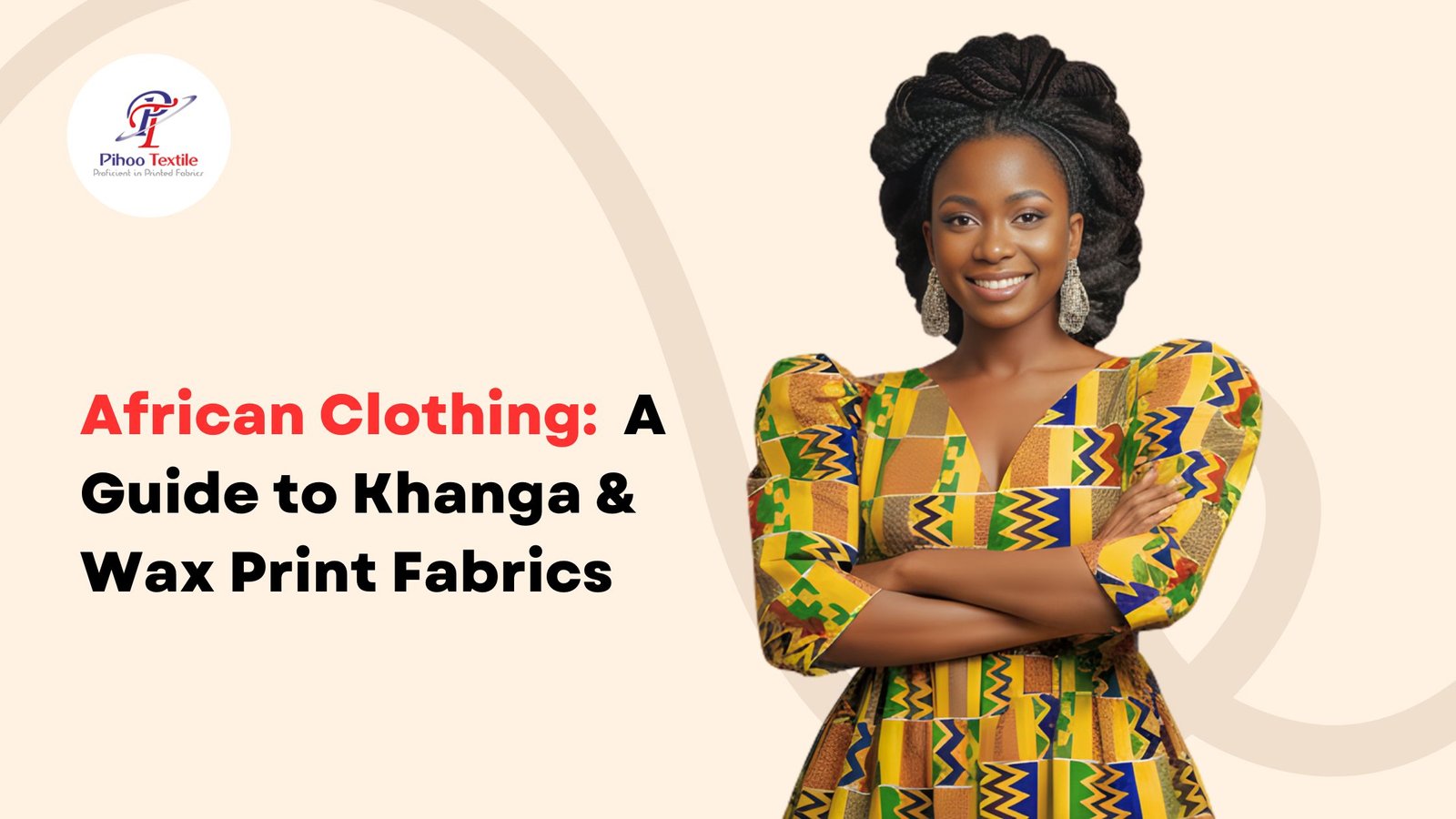
African Clothing: A Guide to Khanga & Wax Print Fabrics
Buyers consistently conflate Khanga, Kitenge, and Wax print fabrics when sourcing African textiles. The mistake is expensive. Each fabric serves different end uses, carries different weight specifications, and targets different regional markets. Ordering Khanga fabric for structured garments produces disappointing results. Using heavy Kitenge where lightweight Khanga wraps are expected frustrates customers and inflates return rates.
These aren’t interchangeable fabrics with different names. They differ in construction weight, design language, cultural function, and sewing behavior. Wax prints dominate West African markets. Khanga and Kitenge command East African demand. Understanding these distinctions sharpens sourcing decisions and eliminates costly mismatches.
This guide breaks down each fabric’s characteristics, production standards, cultural roles, styling applications, and quality indicators. You’ll understand which fabric suits which project, how regional demand patterns shape product selection, and what specifications matter when placing orders.
What Are Khanga and Kitenge Fabrics
Khanga
Khanga is a lightweight rectangular cotton cloth, typically measuring 150 x 110 cm, printed in pairs and sold as a set. Its defining feature is the “jina”—a Swahili proverb printed along the border that communicates social messages. Women in Kenya, Tanzania, and coastal East Africa use Khanga as wraparound garments, head coverings, baby carriers, and household accessories.
The fabric runs 80-120 GSM. That weight suits wrapping and draping rather than structured garment construction. Khanga’s lightness makes it breathable in hot coastal climates—exactly what daily utility wear in East Africa demands.
Kitenge
Kitenge shares Khanga’s cotton base but runs heavier—typically 140-160 GSM—with denser weave and more robust construction. This weight holds shape through tailoring, making Kitenge suitable for dresses, skirts, shirts, and structured accessories. Unlike Khanga, Kitenge doesn’t carry proverbs. Its designs focus on bold repeating patterns without border-text elements.
East and Central African markets use Kitenge for both everyday garments and formal occasion wear. The fabric’s versatility across casual and ceremonial applications drives consistent demand from tailors, designers, and home sewers.
Wax Print Fabric Explained
Wax prints use a wax-resist dyeing process where molten wax applied to fabric creates resist patterns during dyeing. The process produces identical coloration on both fabric sides with characteristic “crackle” lines where wax fractures during production. These cracks aren’t defects—they identify genuine wax prints.
Standard wax prints use 100% cotton at 160-180 GSM, heavier than Khanga but comparable to Kitenge. West African markets—Ghana, Nigeria, Senegal, Ivory Coast—consume the majority of wax print production. The fabric suits tailored garments, ceremonial dress, and fashion-forward applications where bold visual impact matters.
Key Differences at a Glance
| Feature | Khanga | Kitenge | Wax Print |
| Weight (GSM) | 80–120 | 140–160 | 160–180 |
| Proverb text | Yes (jina) | No | No |
| Primary region | East Africa | East/Central Africa | West Africa |
| Best use | Wraps, draping | Tailored garments | Fashion, ceremony |
| Print sides | Single dominant | Single dominant | Double identical |
Cultural Significance and Symbolism
Khanga’s jina text carries serious social weight in East African culture. Women select Khangas specifically for their proverb messages—gifting a Khanga communicates intentions without spoken words. A proverb reading “jealousy destroys a person” sends a distinct message at a social gathering. Buyers targeting East African markets should understand that proverb selection affects product appeal significantly.
Wax print motifs operate differently. Designs carry names tied to real-world events, people, or concepts—a pattern called “telephone” celebrates communication technology, another called “mother and child” honors maternity. These naming conventions add cultural value beyond visual aesthetics.
Here’s the contrarian insight: buyers sourcing “generic African prints” often underperform in specific regional markets because they ignore these cultural coding systems. A Khanga without a proper jina border reads as incomplete to East African buyers who understand the format.
Styling and Sewing Applications
Traditional Wrap Styles
- Khanga: wrapped around waist, tied at shoulder, draped as headwrap, used as baby carrier
- Kitenge: similar wrapping applications but holds structured pleats better due to heavier weight
- Wax print: toga-style wrapping for ceremonial occasions, particularly West African formal events
Modern Garment Construction
Kitenge and wax print suit fitted dresses, flared skirts, tailored blazers, and structured tops. Their GSM provides enough body for seam integrity without requiring heavy interfacing. Khanga’s lighter weight suits loose blouses, summer dresses, and unstructured garments where drape matters more than shape.
Accessories and Home Décor
All three fabrics translate well into:
- Headwraps and turbans
- Tote bags and clutches
- Cushion covers and table runners
- Quilts and wall hangings
Care and Maintenance
Pre-wash all three fabrics in cold water before cutting. Cotton shrinkage runs 3-5% on first wash—pre-washing prevents finished garments from shrinking post-sale. Cold water preserves dye integrity better than warm washing for all African print fabrics.
Air dry away from direct sunlight. UV exposure fades dyes faster than washing. Iron on medium heat with a pressing cloth between iron and fabric surface. For colorfastness improvement, add a small amount of white vinegar to the final rinse water—it helps set dyes without damaging cotton fibers.
Quality Indicators When Sourcing
Check these specifications before ordering:
- GSM verification: Request lab test certificates confirming stated weight
- Print registration: Patterns should align precisely across fabric width without drift
- Colorfastness: Damp white cloth rubbed across surface should show minimal color transfer
- Selvedge stamps: Authentic manufacturers stamp edges with brand marks and design codes
- Weave density: Hold fabric to light—even, tight weave indicates quality construction
Conclusion
Khanga, Kitenge, and Wax print serve distinct markets, construction requirements, and cultural functions. Match fabric weight to intended use, understand regional design conventions including Khanga’s proverb system, and verify quality through GSM testing and colorfastness checks before committing to bulk orders.
Pihoo Textile manufactures Khanga and Wax print fabrics with cotton bases ranging 80-180 GSM, colorfast printing, and export-ready quality standards for East African, West African, and international markets. Our production handles both traditional designs and custom print development for wholesale and retail buyers. Visit pihootextile.com to request fabric samples, review GSM specifications, or place bulk orders with flexible minimums. Source the right African fabric for the right market, reliably.
