
Pihoo Textile is an Exporter of Fabrics in whole African countries and also supplies to exporters and local market. Our Printing quality is suitable for African culture.
© 2026 Created by IndiaFinds

October 14, 2025

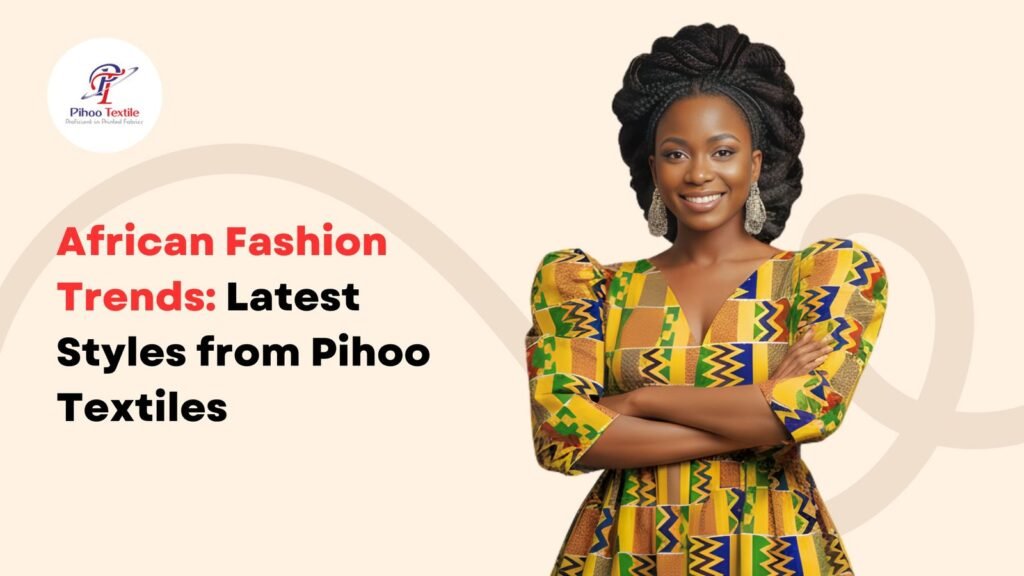
African Fashion Trends: Latest Styles from Pihoo Textiles
African Printed Fabrics

African Fashion Trends: Latest Styles from Pihoo Textiles

Introduction African fashion has moved far beyond regional style — it’s a global language. From bold wax prints worn on runways in Lagos and London to contemporary takes on Kente and Ankara in streetwear, the aesthetics continue to evolve. Pihoo Textiles sits at the intersection of tradition and innovation: producing high-quality African prints and fabric solutions for designers, brands, and fashion-forward consumers worldwide. In this post we’ll explore the latest African fashion trends for 2025, how Pihoo Textiles is shaping them, styling tips, sourcing advice for designers, sustainability considerations, and practical ideas to bring these looks to market. Whether you’re a boutique buyer, a fashion designer, or someone who loves standout textiles, this guide gives you modern, actionable insights. Why African Prints Keep Rising (Quick Overview) Cultural storytelling: Prints carry meaning — colors, symbols, and patterns communicate identity, history, and values. Versatility: From formalwear to athleisure, African fabrics adapt easily. Sustainability push: Rising demand for ethically-produced, long-lasting fabrics. Globalization of fashion: Cross-cultural collaborations and celeb endorsements fuel demand. Consumer appetite for uniqueness: Shoppers want pieces that stand out; prints deliver instant personality. The Big 2025 Trends — What to Watch 1. Neo-Ankara: Minimalist Geometry + Big Color Ankara (wax print) remains a foundation but 2025’s “Neo-Ankara” favors geometric layouts and refined color palettes. Think large-scale, repeat patterns that read well on both dresses and tailored coats. Designers are toning down overly busy motifs in favor of negative space and strong silhouettes. How Pihoo fits: Pihoo Textiles offers custom repeat designs and precision printing that make large, minimal patterns crisp on a variety of fabric weights. 2. Kente Reimagined: Tech-Fabric Blends Kente-inspired motifs are being translated into woven tech blends — breathable fabrics with performance finishes for activewear and travel-friendly garments. The result: vibrant heritage motifs on lightweight, easy-care substrates. Retail opportunity: Travel wear and conference/occasion wear that require both style and practicality. 3. Mixed-Media Looks: Lace + Wax + Denim Combining wax prints with lace inserts or denim panels produces a high-low luxury aesthetic. This mixed-media trend is used for weddings, premium streetwear, and capsule collections. Tip for designers: Use coordinating colorways to avoid visual conflict — let one texture be the hero and another the accent. 4. Eco-Luxe: Organic Dyes & Upcycled Prints Consumers increasingly demand eco-friendly production. Expect better traceability, organic dyes, and repurposed fabric collections. Pihoo advantage: Facilities capable of small- and large-batch eco-printing and finishing help brands claim sustainability without sacrificing vibrancy. 5. Digital Prints & Photorealism Photorealistic botanical and photographic prints on textiles — combined with traditional motifs — are rising. Digital printing allows for gradient effects and photorealism that screen printing struggles to replicate. Best use: Limited-edition runs, high-detail scarves, and statement outerwear. 6. Gender-Fluid Silhouettes African prints applied to unisex cuts: oversized shirts, tailored trousers, and bomber jackets. Prints transcend gender norms when paired with neutral cuts and muted palettes. Styling & Merchandising Ideas For Boutiques Curate capsule collections mixing a statement print piece (dress or blazer) with neutral basics (linen trousers, denim). Offer “mix-and-match” sets: same print in different garments for coordinated looks. Create styling guides with 3 looks per garment: day, office, evening. For Designers Start with one hero fabric — build 3 silhouettes around it: fitted, relaxed, and outerwear. Use test runs: order 5–10 meters to sample before committing to large volumes. Consider limited-run digital prints to test market response quickly. For Consumers Introduce prints via accessories first: headwraps, belts, or bags. Use prints as accent pieces with neutral wardrobes: grey, navy, cream. How Pihoo Textiles Produces Trend-Ready Fabrics Design Collaboration: Pihoo works with in-house designers and client partners to create exclusive patterns and colorways. Printing Techniques: From traditional wax printing to modern rotary and digital printing for precision and color depth. Finishing & Performance: Pre-shrinking, easy-care finishes, and technical coatings (water-repellent, anti-crease) for modern use. Quality Control: Lab testing for colorfastness, wash durability, and fabric weight consistency. Sustainability Options: Plant-based dyes, organic cotton lines, and low-impact finishing on request. Sourcing Guide: What Designers/Buyers Need to Know Minimum order quantities (MOQs): Clarify MOQs for custom prints vs. stocked designs. Smaller MOQs are common for digital or sample orders. Lead times: Digital prints: faster; rotary/wax: medium; woven Kente-style runs: longer. Ask for exact production timelines when planning seasons. Color matching: Request lab dips and strike-offs (physical samples) before bulk production. CMYK proofs alone are not reliable for textiles. Certifications: If sustainability or fair-trade credentials matter, request documentation (GOTS, OEKO-TEX, etc.). Packaging & shipping: Ask for folded and polybagged units vs. bulk rolls depending on downstream manufacturing needs. Visual & Photography Guidance Shoot fabrics both flat (to show repeat) and on a model (to show drape). Use neutral backgrounds for product shots; lifestyle shots can be colorful to match brand voice. Provide 3–5 close-up macro images of the weave, print detail, and finishing. Suggested image alt text examples: “Large-scale Neo-Ankara geometric print on cotton by Pihoo Textiles” “Kente-inspired performance blend jacket fabric swatch — Pihoo Textiles” “Mixed-media wax print dress with lace inserts — Pihoo Textiles sample” Care & Longevity — What Customers Should Know Washing: Cold wash on gentle cycle for vibrant prints; air-dry to preserve dyes. Ironing: Use medium heat on the reverse side for wax-printed cotton. Storage: Folded in breathable cotton bags; avoid long-term direct sunlight to prevent fading. Repairs: Small tears can often be repaired invisibly; for expensive garments, professional mending is recommended. Case Studies & Use Cases Bridal & Occasion Wear Designers are using wax prints and lace combinations for contemporary bridal parties — bright, matched groups that create a cohesive visual at events. Streetwear Collaborations Sneaker and streetwear brands are partnering with African print mills to release limited editions — small batch runs with photorealistic panels sell out quickly. Home Décor Bold prints applied to cushion covers, table runners, and upholstery are popular for statement interiors. Performance finishes make these suitable for daily use. Pricing Strategy & Margins Raw fabric cost drivers: base fiber (cotton vs. blended), printing method, finishing, and MOQ. Recommended markup: For

10 Trendy Ways to Style Kente Print Fabrics for Modern Wardrobes
Kente Wax Print Fabric

10 Trendy Ways to Style Kente Print Fabrics for Modern Wardrobes

Introduction Kente fabric sits in closets unworn because people treat it as ceremonial-only clothing. The vibrant strips and geometric patterns feel too formal for daily life. This wastes one of the most versatile textiles in existence. Kente works beautifully in modern wardrobes when styled intentionally—from casual streetwear to professional settings. This guide presents ten practical ways to integrate Kente into everyday outfits, covering dresses, suits, accessories, and layering strategies that balance cultural heritage with contemporary fashion sensibilities. Kente Blazers for Professional Settings A tailored Kente blazer transforms standard office wear immediately. Pair with solid black trousers and a white blouse for corporate environments that allow personal expression. The structured silhouette of blazers contains Kente’s visual intensity. The jacket becomes a statement piece while the rest of the outfit provides visual rest. This balance reads professional rather than costumey. Choose smaller-scale Kente patterns for conservative workplaces. Larger, bolder strips work better in creative industries or casual Fridays. Fit matters more than pattern—an ill-fitting Kente blazer loses impact regardless of print quality. Modern Kente Dresses Kente dresses range from full ceremonial gowns to contemporary midi silhouettes. Fit-and-flare designs work for weddings and formal events, while simpler A-line or sheath cuts handle everyday wear. The key is choosing appropriate scale for context. Large-scale Kente strips create dramatic floor-length gowns. Smaller repeating patterns suit knee-length or midi dresses for less formal settings. Belt placement defines proportion in Kente dresses. The fabric’s horizontal strips can make torsos appear wider. A belt at the natural waist breaks up the visual line and creates a flattering definition. Kente Two-Piece Sets Matching crop tops and high-waisted skirts or pants deliver complete outfits without styling decisions. The coordinated nature of two-piece sets handles Kente’s visual density better than separates. These sets work particularly well for festivals, cultural celebrations, or summer events where bold dressing feels appropriate. The crop-and-skirt combination shows skin while maintaining coverage, balancing contemporary and traditional sensibilities. Choose fitted silhouettes rather than oversized versions. Kente’s patterns already provide visual weight—loose, baggy cuts add unnecessary bulk. Kente Bomber Jackets Here’s an uncomfortable truth: most people own Kente they never wear. A bomber jacket solves this by making Kente instantly casual. Throw a Kente bomber over jeans and a plain t-shirt. The jacket becomes the focal point while everything else stays neutral and comfortable. This works for weekend errands, coffee shops, or casual social gatherings. The fitted silhouette of bombers flatters more body types than loose cardigans or kimonos. It provides structure while the Kente pattern adds personality without requiring full traditional commitment. Tailored Kente Trousers Kente pants—whether wide-leg palazzo style or fitted cigarette cut—pair beautifully with solid-colored tops. The trousers provide pattern punch while the top offers simplicity. High-waisted cuts work best. They define the waist and allow clean tucking of tops, maintaining proportions rather than creating bulk at the midsection. For professional settings, choose straight-leg or slightly tapered cuts in darker Kente colorways. Weekend wear can handle wider legs and brighter patterns. Match with simple flats or ankle boots to keep focus on the fabric. Kente Button-Down Shirts Kente shirts work for both men and women when styled with intention. Men can pair with chinos or dark denim and leather shoes for smart-casual looks. Women can tuck into pencil skirts or wear loosely over fitted jeans. The button-down structure contains Kente’s visual intensity. Unlike flowing garments that drape and shift, the crisp lines of collared shirts create clean edges that frame the pattern. Roll sleeves to three-quarter length for casual styling. Keep cuffs buttoned and add a watch for more formal contexts. The same shirt reads differently based on minor styling adjustments. Kente Accessories for Subtle Impact Accessories offer the lowest-risk entry point for Kente styling. Scarves, headwraps, clutches, and small bags introduce patterns without overwhelming outfits. A Kente headwrap transforms a basic jeans-and-tee combination into an intentional look. The wrap draws attention upward toward the face while keeping the body neutral. Kente clutches work particularly well with all-black or monochrome outfits. The bag becomes a controlled pop of color and pattern that feels curated rather than accidental. Mixing Kente With Denim Denim grounds Kente’s formality and makes it accessible for everyday wear. A Kente top with dark-wash jeans balances traditional textile with Western casualwear. Distressed denim works surprisingly well with Kente. The juxtaposition of refined weaving against deliberately worn denim creates visual interest through contrast rather than coordination. Add structured shoes—loafers, booties, or clean sneakers—to prevent the look from skewing too casual. The footwear choice determines whether the outfit reads as intentional style or thrown-together randomness. Kente Shorts for Warm Weather Kente shorts paired with basic tanks or crop tops work for summer outings. The shorts provide the pattern while the top maintains simplicity. High-waisted cuts flatter more body types and allow for tucking tops cleanly. This keeps the silhouette defined rather than appearing shapeless. Balance is critical. If wearing fitted shorts, choose a slightly looser top. Skin-tight shorts with a bodycon crop creates visual tension rather than harmony. Statement Kente Outerwear Kente kimonos and long cardigans function as instant outfit elevators. Layer over simple dresses, jeans and tanks, or even athleisure for bohemian-inspired looks. The flowing silhouette adds movement and dimension to static outfits. This creates interest through shape rather than requiring multiple printed pieces. Kente outerwear also solves transitional weather challenges. Light coverage for cool mornings without the bulk of structured jackets. Roll up sleeves or push back shoulders to adjust formality on the go. Common Styling Mistakes Over-accessorizing with busy Kente prints creates visual chaos. When wearing large-scale patterns, choose simple jewelry and shoes. Let the fabric be the accessory. Mixing too many Kente patterns without color coordination overwhelms outfits. If combining multiple pieces, ensure they share common colors to create visual connection. Random mixing rarely succeeds even for experienced stylists. Ignoring the cultural weight of certain Kente designs causes problems. Some patterns traditionally signify royalty or specific ceremonies. Wearing these casually can appear disrespectful in cultural contexts. Research pattern meanings when

Scroll to Top