

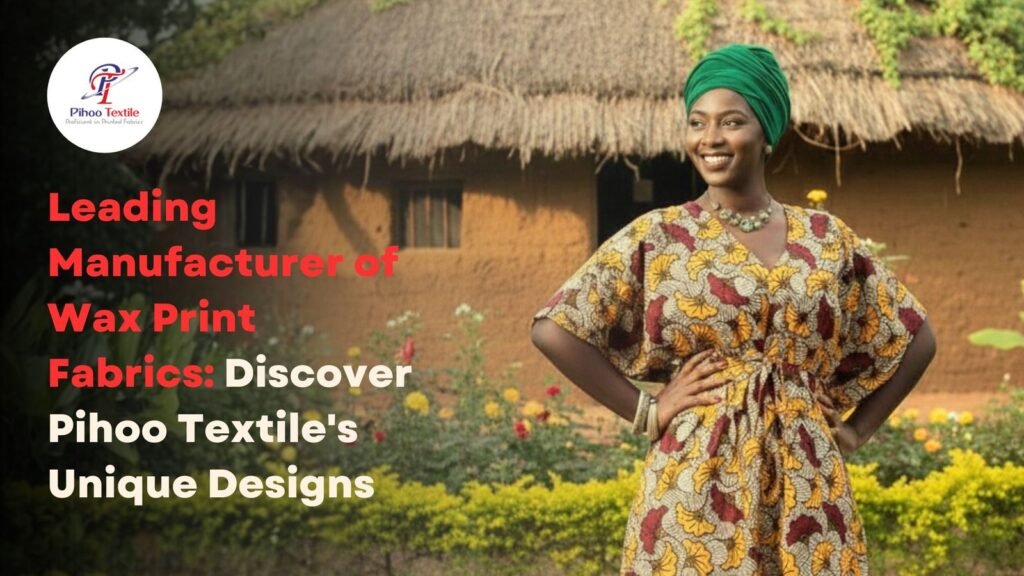
Leading Manufacturer of Wax Print Fabrics: Discover Pihoo Textile’s Unique Designs
Within the vibrant world of textile manufacturing, few products capture cultural fusion and artistic expression quite like African wax print fabrics. These bold, story-telling textiles have transcended their complex origins to become not just fashion statements but repositories of history, identity and commercial opportunity. At the forefront of this fascinating industry stands Pihoo Textile, an Indian manufacturer whose expertise in creating authentic wax prints has earned them global recognition. Their journey represents the perfect intersection of traditional craftsmanship and modern entrepreneurial vision – precisely what makes them worth exploring for any aspiring business owner in the textile space. Introduction: The Global Allure of Wax Print and the Pihoo Perspective The vivid patterns and bold colors of African wax print fabrics have evolved from cultural signifiers to global fashion statements, appearing on international runways and in wardrobes worldwide. These fabrics tell stories through their patterns, communicate status through their quality, and connect continents through their history. What makes these textiles particularly fascinating is their journey – originating not in Africa as many assume, but through a complex cross-continental evolution that speaks to global trade, colonialism, and cultural adaptation. Amidst this rich landscape stands Pihoo Textile, established in 2018 in Jetpur, Gujarat, as a manufacturer, exporter and supplier specializing in African print fabrics and ready-made garments. Under the leadership of Mr. Pintu Patel, this relatively young company brings 20 years of experience from its previous incarnation as Geneva Textile Printry, now reborn with new technology and vision while maintaining deep roots in textile craftsmanship. Their annual turnover of 1.5-5 Cr rupees speaks to their growing market position, while their focused team of 11-25 employees ensures quality control across their diverse fabric offerings. Origins and Evolution: Tracing the Cultural and Artistic Legacy of Wax Print Fabrics The story of wax print fabrics begins far from the African continent where they’ve become cultural icons. The technique originated in Indonesia as batik – an ancient resist-dyeing method where artisans applied hot liquid wax to cloth using specialized tools to create intricate designs. When the Dutch colonized Indonesia in the 19th century, European merchants saw commercial potential in mechanizing this labor-intensive process, developing industrial methods to mass-produce these distinctive fabrics. Around the 1850s, Dutch merchants began using block printing machines and enormous engraved copper rollers to apply waxy resin to cotton fabric, creating a resist-dye effect that mimicked handmade batik. The original plan was to sell these mass-produced imitations back to Indonesian consumers, but ironically, the machine-made versions weren’t embraced by Indonesians who preferred their traditionally handcrafted batiks. What began as a commercial failure found unexpected success when Dutch traders introduced these fabrics to West African markets. Cotton has been woven in Africa since the sixth century AD, with natural dye printing techniques established for centuries. Yet these new industrially-produced wax prints captivated West African consumers, who embraced the fabrics and began incorporating them into local fashion traditions. Over time, these textiles became so thoroughly integrated into African cultures that they’re now considered quintessentially African despite their Indonesian-Dutch origins. The Pihoo Philosophy: Where Artistry Meets Industrial Precision Pihoo Textile operates on a fundamental belief that manufacturing excellence must be balanced with artistic sensitivity. “We come with new name and new technology,” their company profile states, highlighting their commitment to innovation while respecting tradition. This balance is precisely what distinguishes truly exceptional wax print production from mere commodity manufacturing. Located in Jetpur, a city with a rich textile heritage, Pihoo brings together “experienced educated employees” with “new technologically machinery” to deliver “best quality products” to their clients. This combination of human expertise and technological advancement creates the foundation for their production philosophy. While maintaining efficient industrial production methods, they understand that wax print fabrics must retain the artistic qualities and cultural resonance that make them special. The company’s product range reflects this dual commitment. From traditional Kente Prints and Khanga fabrics to innovative Wax with Lace Fabrics and specialized promotional designs, Pihoo demonstrates versatility while maintaining quality standards. Their approach represents a contemporary interpretation of a centuries-old craft tradition, where industrial production doesn’t diminish artistic value but rather expands its reach and accessibility. Design Distinction: What Makes Pihoo’s Wax Prints Visually and Emotionally Unforgettable The distinctive visual language of Pihoo’s fabrics stems from their deep understanding of wax print traditions combined with contemporary design sensibilities. Their fabrics feature the hallmark characteristics that have made African wax prints beloved worldwide: vibrant colors, intricate patterns, and the distinctive “cracked” effect that results from the wax-resist dyeing process. Pihoo’s product catalog showcases this diversity with offerings including African Kente Print (the most popular design fabric in West and South Africa), African Khanga Wax Print Fabric (used for making cloth), and innovative combinations like African Wax with Lace Fabrics – described as “one of the bestselling products”. Their expertise extends beyond fabric to finished products, with African Dashiki Shirts and Printed Kaftan Deera among their manufactured garments. What truly distinguishes Pihoo’s designs is their cultural sensitivity paired with commercial awareness. They develop “garment design specially developed by targeted countries and communities,” demonstrating an understanding that these fabrics serve not just as materials but as expressions of identity. Additionally, they create “special promotional design like special function designs, election design, event design, women day design and many more,” showing their adaptability to specific market needs. Inside the Studio: From Concept Sketch to Fabric Roll-A Journey of Craftsmanship The 27-Step Process Behind Every Yard The creation of quality wax print fabric represents one of textile manufacturing’s most complex processes, involving approximately 27 distinct steps from conception to completion. While each manufacturer develops proprietary variations, Pihoo follows the essential wax-resist dyeing methodology that has defined these fabrics for generations. The journey begins with design conceptualization, where artists create patterns that balance traditional motifs with contemporary appeal. These designs are then transformed into digital CAD files to ensure perfect sizing and repeat patterns. Before full production begins, a critical “strike off” (S/O) phase occurs where small pattern samples are created for color approval and