
Pihoo Textile is an Exporter of Fabrics in whole African countries and also supplies to exporters and local market. Our Printing quality is suitable for African culture.
© 2026 Created by IndiaFinds

March 3, 2025

African Printed Fabrics

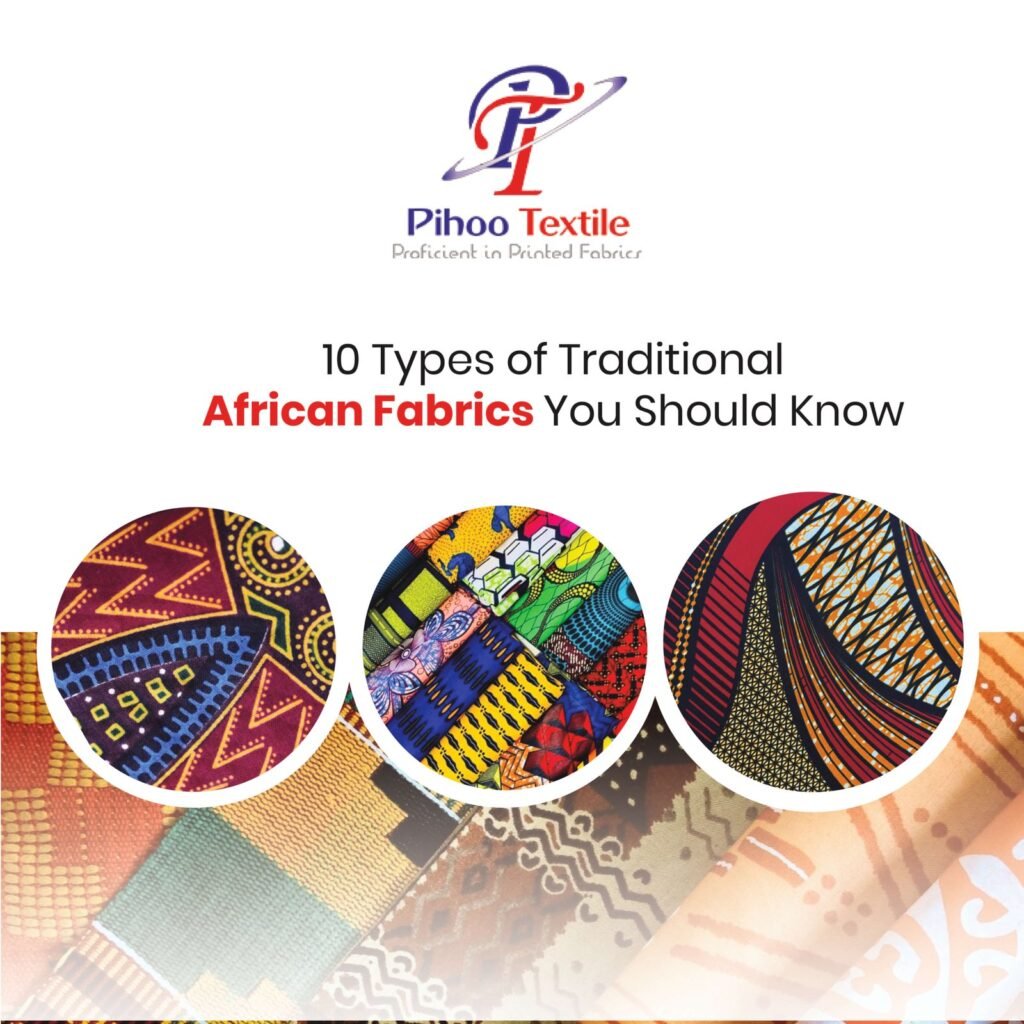
10 Types of Traditional African Fabrics You Should Know

African textiles are the most interesting. They are vibrant tapestries woven with history, culture, and artistry. Each type of fabric carries its own story, reflecting the rich heritage of the continent. In this exploration, we will delve into ten traditional African fabrics that not only highlight the craftsmanship involved but also their significance in cultural identity. Kente Cloth Kente cloth hails from Ghana and is perhaps one of the most recognized African textiles worldwide. Its origins can be traced back to the 11th century, with a rich history deeply intertwined with the Asante Empire. According to legend, Kente was inspired by a spider’s web, discovered by two men who learned the art of weaving from the spider, Ananse. This intricate cloth was initially reserved for royalty and sacred ceremonies, symbolizing wealth and cultural sophistication. The vibrant colors and patterns of Kente cloth are not merely decorative; they hold significant meanings. Each design can represent various proverbs or historical events, making it a form of storytelling. Kente’s intricate patterns and vibrant colors epitomized wealth, status, and cultural sophistication. Today, Kente is worn during important ceremonies and celebrations, maintaining its status as a symbol of pride among the Akan people.   Ankara Fabric Ankara is known for its bright colors and striking patterns. It is an African staple, often referred to as “African print” or “Dutch wax,” since it originated from Indonesian batik techniques that were adapted in Europe before being brought to Africa. The designs are unique, having been created through a wax-resistant dyeing process that allows the colors to be vibrant even after multiple washes. Ankara fabric has developed from traditional wear to modern fashion. It represents the fusion of heritage and modern style. Ankara fabrics carry a lot of symbolism and meaning, enabling people to convey their identity through clothing. It is versatile, making it appropriate for any use from dresses to accessories and thus enjoyed by all ages.   Bogolan (Mud Cloth) Bogolan, or mud cloth, is a product of Mali and is steeped in history and cultural significance. The name itself is derived from the Bambara language, meaning “cloth made with mud.” This fabric dates back to the 12th century and was initially used by hunters for camouflage. However, it has since transformed into a canvas for storytelling. In the creation process, fermented mud is applied to handwoven cotton fabric, making intricate designs that speak of status and narrate stories. Symbols in Bogolan have specific meanings; a zigzag pattern may symbolize life. Each mud cloth piece is a unique work of art which reflects the personal touch of the artisans plus their cultural heritage.   Shweshwe Shweshwe refers to a South African vintage cloth characterized by indigo patterns and history. It was originally referred to as “indigo cloth” and had been imported by the Dutch traders in South Africa during the 18th century. The fabric, therefore, swept many ethnic groups, especially the Xhosas. Shweshwe production techniques include discharge prints that give complicated designs on already pre-dyed fabrics. These fabrics have undergone a transition from their cultural and traditional origins into fashionable clothes worn in modern dress while maintaining cultural significance during festivities and celebrations. According to the analysis of how Shweshwe has influenced South African culture, it is “a proud emblem of South African heritage,” illustrating the nation’s rich cultural heritage.   Batik Batik is an old art form practiced by different cultures, but for its colorful designs and history, it is highly significant in Africa. The term “batik” is of Javanese origin and means “to mark with spots or dots.” It is the method of applying wax to fabric before dyeing and creating patterns. Batik has evolved from its royal roots in Indonesia to become an accessible art form for many artisans across the continent of Africa. It allows for immense creativity as artists experiment with colors and designs. Batik fabrics are often used in clothing and home decor items, making them versatile additions to any wardrobe or space. Isi-Agu Isi-Agu is the traditional Nigerian clothing associated more often with the Igbo people. This intricately textured fabric most times has leopard print designs symbolizing strength and fearlessness. Made from velvet or cotton, this traditional fabric was worn to traditional events such as weddings and festivals. The fabric is a symbol of identity among the Igbo people, and at the same time, it is an attire. Wearing Isi-Agu shows pride in one’s heritage and social standing in the community.   Kikoy Kikoy is a colorful cotton fabric from East Africa’s coastal regions, such as Kenya and Tanzania. Traditionally used as beach wraps or sarongs, Kikoy has bright stripes or checks that reflect the vibrant culture of East Africa. This very versatile fabric can be worn in various ways—draped over shoulders or tied around waists—making it popular among both locals and tourists alike. Kikoy embodies the spirit of relaxation associated with coastal living while showcasing East African craftsmanship.   Barkcloth Barkcloth is a unique textile made from tree bark, primarily found in Uganda. Historically significant for its use among various ethnic groups, this soft yet durable material was traditionally used for clothing and ceremonial items. The process of creating barkcloth involves stripping bark from trees like the Mutuba tree and soaking it until soft before beating it into sheets. This labor-intensive method reflects deep respect for nature and showcases sustainable practices within Ugandan culture.   Kitenge Kitenge is another popular fabric found predominantly in East Africa (Tanzania and Kenya). Similar to Ankara but typically featuring more elaborate designs, Kitenge is often used for casual wear as well as formal attire. This brightly colored cotton material allows individuals to express their creativity through fashion while maintaining cultural ties through traditional motifs. Kitenge fabrics are often gifted during special occasions such as weddings or births, symbolizing love and celebration within communities.   Faso Dan Fani Faso Dan Fani is a handwoven textile from Burkina Faso that embodies national pride. Often made from locally grown cotton, this colorful fabric features

African Printed Fabrics

17 Types Of Finish In African Fabrics

By the 5th century CE, North Sudan was producing sturdy cotton cloth. Around the same time, Egypt’s 18th Dynasty witnessed significant advancements in looms, enabling the creation of more intricate designs. In West Africa, strip weaving emerged as a dominant technique. The Tellem people of Mali are credited with perfecting this craft, which involves sewing narrow strips of fabric together to form intricate patterns. This technique spread across West Africa, reaching countries like Ghana and Nigeria, where it remains a vital part of African textile production today.   Colonization and globalization introduced new materials and techniques, but many traditional practices remain. This resilience highlights the enduring importance of textiles in African societies. African fabric is more than vibrant colors and patterns—it’s deeply meaningful. Kente cloth embodies heritage, while mud cloth reflects traditions rooted in the earth. These fabrics carry stories of the past, woven by artisans whose craftsmanship is passed down through generations. This is visible in the diversity of finishes, as each generation adds its own touch. This article delves deeper into the fascinating world of African fabric finishes, examining their defining characteristics and the cultural significance behind them.   The 17 Types of Finish in African Fabrics Kente Cloth Kente cloth is perhaps the most recognized African fabric worldwide. Originating from Ghana’s Akan people, it features vibrant colors arranged in complex patterns made through strip weaving. Traditionally worn by royalty, Kente symbolizes cultural pride and identity. Adire Adire is a traditional Yoruba fabric from Nigeria known for its indigo dyeing techniques. Patterns are created using resist-dyeing methods similar to batik, resulting in stunning blue-and-white designs that reflect cultural heritage. Bogolan (Mud Cloth) Originating from Mali’s Bambara people, Bogolan is made from cotton dyed with mud and plant-based dyes. The intricate patterns can take days to create and often carry historical significance. Shweshwe This printed fabric hails from South Africa and is characterized by its intricate geometric patterns in vibrant colors. Originally imported from Europe, it has become a staple locally. Kikoy Kikoy is a versatile cotton fabric traditionally worn by East African men as a wraparound garment but has evolved into various uses, including beachwear and home décor items. Aso Oke Aso Oke is a handwoven textile from Nigeria’s Yoruba people known for its rich colors and elaborate designs used primarily in ceremonial attire. Ankara (African Print) Often referred to as “African wax print,” Ankara features bold patterns created through a wax-resist dyeing process similar to batik but produced on a larger scale for global markets. Batik Batik fabrics are made using wax-resist dyeing techniques prevalent across many African cultures, particularly among the Yoruba people in Nigeria. Bark Cloth Bark cloth is made from the inner bark of trees and has ceremonial significance in various cultures across Central Africa, particularly among the Baganda people in Uganda. Raphia Weaving Raphia fibers from palm trees are woven into various items including skirts and hats. This technique is prevalent in Central Africa due to the abundance of raphia palms. Faso Dan Fani Produced in Burkina Faso by the Marka people, this handwoven cotton fabric features stripes that convey proverbs or messages through their arrangement. Adinkra Fabric Adinkra fabrics incorporate symbols representing concepts or aphorisms from Ghanaian culture, often used for ceremonial clothing. Soga Cloth Soga cloth is characterized by its colorful patterns made using traditional weaving techniques found primarily among certain ethnic groups in Uganda. Togo Cloth Known for its vibrant colors and intricate designs, Togo cloth reflects local traditions while being utilized for both clothing and decorative purposes. Dashiki Prints Dashiki fabrics feature bold prints often associated with West African culture; they have gained global popularity as symbols of cultural pride. Masai Shuka Worn by the Maasai people of Kenya and Tanzania, Shuka is a bright red or checked fabric symbolizing identity and community belonging. Kuba Cloth Originating from the Kuba people in the Democratic Republic of Congo, this raffia-based fabric features elaborate geometric patterns that tell stories about lineage and social status.   Key Characteristics of African Fabrics African fabrics are characterized by their bold colors, intricate patterns, and symbolic meanings. Color symbolism is key; each hue often represents specific cultural values or emotions. For example, in Kente cloth from Ghana, colors like gold symbolize wealth and status, while green represents fertility. Patterns and motifs are equally important. They can depict everything from natural elements to geometric shapes and tell stories about ancestry or community values. The complexity of these designs often requires years of training to master. The texture and feel of African fabrics vary widely depending on the materials used. From the soft cotton of Ankara prints to the coarse texture of mud cloth, each fabric offers a unique tactile experience that enhances its aesthetic appeal.   Contemporary Trends in African Fabrics In recent years, there has been a resurgence of interest in African textiles within global fashion circles. Designers are increasingly incorporating these rich fabrics into their collections, celebrating their unique aesthetics while promoting sustainable practices. The fashion industry has begun recognizing the importance of preserving traditional textile-making techniques amidst mass production challenges. Artists like Nkwo Onwuka advocate for sustainability by utilizing second-hand fabrics to create new pieces that honor cultural heritage while reducing waste. Moreover, contemporary artists are expanding the use of African textiles beyond clothing into home décor items such as table runners, cushion covers, and wall hangings—showcasing their versatility and aesthetic appeal in various contexts.   Conclusion African fabrics are examples of creativity and resilience carried across generations out of cultural pride. Every variety of finish with it carries on its back ancient stories—of which recognition deserves appreciation beyond only their aesthetic beauty. As we delve any further into exploration, whether to fashion or an art form in itself, are an insight of the rich tapestry that stands today as being part of what forms Africa. This way, by embracing these traditions while fostering innovation within sustainable frameworks, we ensure that the legacy of African textiles continues to thrive for future generations

Why Are African Fabrics Attracting Indian Brands
African Printed Fabrics

Why Are African Fabrics Attracting Indian Brands

Among many fashion trends the world is seeing, the one that’s growing rapidly comes from India. Recently, Indian brands have begun selling and importing greater quantities of African fabrics. In 2022-23, the cumulative trade volume between India and Africa reached a total of $243.28 billion, with imports accounting for 51.03% of this trade volume, reflecting India’s increasing demand for African products, including textiles. Is it because of globalization? Is there a cultural narrative that is attracting the younger generation? This blog will explore all of this thoroughly and give you important insights into this exciting collaboration.   Historical Context Of Why Are African Fabrics Attracting Indian Brands The relationship between India and Africa is steeped in history, particularly in the realm of textiles. For centuries, Indian fabrics have found their way into African markets, while African textile products have also influenced Indian designs. The trade routes across the Indian Ocean facilitated not just commerce but also cultural exchanges that shaped the textile identities of both regions. This historical trade highlights the bidirectional migrations of peoples and the co-production of cultures through the fabric. This rich tapestry of shared history has laid the groundwork for contemporary collaborations. The intricate patterns and vibrant colors found in African textiles resonate with India’s own diverse textile heritage, creating a fertile ground for innovation and creativity.   The Appeal of African Fabrics That’s Attracting Indian Brands African fabrics are celebrated for their bold artistic taste and cultural significance. The use of bright colors, elaborate patterns, and unique textures makes these textiles stand out in the global fashion landscape. Fabrics such as Kente from Ghana and Ankara prints from West Africa are not just visually striking; they carry deep cultural meanings and stories that reflect the heritage of their origins. Indian designers are drawn to these fabrics for their uniqueness and the narratives they embody. Incorporating African textiles allows Indian brands to diversify their offerings while paying homage to a rich cultural history. The vibrant designs often evoke a sense of joy and celebration, making them appealing to consumers looking for distinctive fashion statements.   Indian Brands Leading the Charge So many Indian brands are leading this trend, successfully integrating African fabrics into their collections. For instance, some brands are known for celebrating handmade textiles while connecting rural artisans with modern urban markets. By including African-inspired designs in their collections, brands not only enhance their product offerings but also foster employment among artisans. Moreover, collaborations between Indian designers and African artisans are becoming increasingly common. These partnerships not only elevate the aesthetic appeal of the garments but also empower local communities by providing fair wages and sustainable livelihoods. These initiatives show how important ethical fashion is today.   Economic Factors The economic landscape is another driving force behind this trend. As consumers become more aware of sustainability issues and seek unique fashion choices, there is a growing demand for diversity in textile offerings. The fusion of Indian craftsmanship with African fabrics presents an opportunity for brands to cater to this evolving market. Moreover, India’s position as a significant player in the global textile industry enhances its appeal as a sourcing destination for international brands. The combination of skilled craftsmanship and lower production costs makes India an attractive partner for brands looking to incorporate high-quality, African-inspired textiles into their collections. This economic synergy is further supported by initiatives promoting local craftsmanship and sustainability within India’s textile sector. There is an imperative need to expand India’s indigenous sectors internationally while safeguarding its cultural heritage. This aligns perfectly with the growing interest in African textiles as part of a broader strategy to enhance India’s global textile presence.   Sustainability and Ethical Practices Sustainability is key. Many Indian brands are prioritizing eco-friendly practices by sourcing materials responsibly and supporting local artisans through fair trade initiatives. This commitment to sustainability appeals to eco-conscious consumers. Also, brands are using organic cotton which helps the environment. Lastly, using African fabrics in Indian fashion promotes ethical labor and cross-cultural understanding. This way, everyone works together and shares ideas.   Future Prospects Looking ahead, the potential for growth in collaborations between Indian brands and African textiles appears promising. As globalization continues to shape consumer preferences, there is likely to be an increasing appetite for multicultural fashion statements that celebrate diversity. The concurrence between Indian and African design could introduce groundbreaking styles that display a seamless blend of cultural influences, potentially transforming international fashion trends. People are starting to care more about where their material comes from, so they’ll want to buy from brands that are ethical and sustainable. This shift presents an opportunity for Indian brands to become fashion leaders by supporting collaborations that embrace cultural diversity and social responsibility.   Conclusion The embrace of African fabrics by Indian brands marks an exciting chapter in the world of fashion—a chapter defined by creativity, collaboration, and cultural appreciation. By weaving together rich histories and diverse aesthetics, these partnerships not only enhance product offerings but also foster sustainable livelihoods among artisans across both regions. As consumers increasingly seek unique fashion choices that tell stories beyond mere aesthetics, this trend promises to reshape the future of fashion in a way that honors tradition while embracing innovation. By supporting brands that celebrate this cultural fusion, consumers can play an integral role in promoting ethical practices within the industry.   Frequently Asked Questions Are African fabrics more expensive than Indian fabrics, and will this impact the final price for consumers? African fabrics can be more expensive than Indian fabrics due to factors such as production costs, import tariffs, and shipping expenses. This price difference may lead to higher retail prices for consumers purchasing products made from African fabrics compared to those made from locally sourced Indian fabrics. How receptive are Indian consumers to African prints and designs? Indian consumers have shown a growing interest in African prints and designs, particularly among fashion-forward demographics. The vibrant colors and unique patterns of African fabrics appeal to many, leading to a niche

Scroll to Top